Are Tags Included in Outfitter Prices?
It's one of the most common questions I hear from hunters dreaming of a guided trip out West, especially to a draw state like Nevada: "Are tags included in the outfitter's price?" I get it. Planning a big game hunt can feel like navigating a maze of regulations, application deadlines, and fluctuating costs. You've scrimped and saved, you've spent hours poring over maps, and now you're finally ready to commit to a guide, hoping to simplify the process. It's completely natural to assume that if you're paying a significant sum for an outfitter, everything, including the crucial tag, would be part of the package. But here in Nevada, and indeed across most of the West, that's almost never the case. This guide will walk you through exactly why tags are always a separate cost, what an outfitter’s fee does typically cover, and how to budget for the complete experience so there are no unwelcome surprises.
Understanding the True Cost of a Guided Hunt in Nevada
When you're looking at the price tag for a guided hunt in Nevada, it's easy to see a large number and assume it's an all-inclusive figure. After all, you're hiring a professional service, right? However, the hunting industry, particularly in states with complex draw systems and public land access, operates a bit differently. The outfitter’s fee primarily covers their expertise, logistics, and the intensive effort required to put you in a position to harvest an animal. The hunting tag itself, the legal document that permits you to harvest a specific animal, remains your personal responsibility and a separate financial consideration.
What an Outfitter Price Generally Covers
So, if tags aren't included, what exactly is an outfitter providing for their fee? Think of it as a comprehensive service package designed to maximize your chances of success and minimize your logistical headaches once you're on the ground. A reputable Nevada outfitter is selling you access to their knowledge of the terrain, animal movements, and hunting tactics perfected over years in the field. They're also covering the often immense operational costs of running a hunting business in remote country.
Typically, an outfitter's price will cover your guide service—meaning the skilled individual or team who will be with you in the field, spotting game, executing stalks, and ensuring your safety. It almost always includes lodging, which could range from a comfortable lodge or cabin to a rustic wall tent in a remote backcountry camp. Meals are usually a significant part of the package, from hearty breakfasts before dawn to packed lunches in the field and satisfying dinners back at camp. Transportation during the hunt, such as four-wheel-drive vehicles, ATVs, or even pack horses to access remote areas, is also standard. Lastly, initial field care of your harvested animal, including caping and quartering, is generally part of the service, getting the meat and trophy ready for transport.
Why Tags and Licenses Are Always Separate
The primary reason tags and licenses are never rolled into an outfitter's fee boils down to state regulations and the fundamental principle of personal responsibility in hunting. A hunting license is essentially your permission slip from the state to participate in hunting activities, while a tag grants you the right to harvest a specific species in a specific unit during a specific season. These are issued directly by the state wildlife agency, in Nevada's case, the Nevada Department of Wildlife (NDOW), to individual hunters.
Nevada's system relies on a lottery draw for most coveted big game tags like mule deer, elk, and bighorn sheep. This means there's no guarantee you'll even get a tag, and an outfitter certainly can't guarantee one for you or purchase one on your behalf. You, the individual hunter, must apply for the draw, accrue bonus points if necessary (see Nevada Squares Your Bonus Points Into Draw Chances), and ultimately be successful in drawing the tag. This process is deeply personal and directly tied to your hunter profile with the state. Furthermore, the fees collected from licenses and tags directly fund wildlife management, habitat conservation, and enforcement efforts, making it crucial that these funds go through the proper channels from the individual hunter to the state.
Navigating Nevada's Draw System Before Booking an Outfitter
The reality for most aspiring guided hunters in Nevada is that securing a tag is the absolute first step, long before you even consider paying an outfitter's deposit. Nevada is a draw state for popular big game species, meaning you enter a lottery system for the chance to purchase a tag. Without that tag in hand, an outfitter cannot legally guide you on a big game hunt. This crucial difference requires a strategic approach to planning your hunt.
The Nevada Draw: Your First Step, Not Your Outfitter's
Before you can even dream of setting foot in a Nevada hunting camp, you need to navigate the state's complex draw system. The application period for Nevada big game hunts typically runs from late March to mid-May (for exact dates, check Nevada Applications Run March 23 to May 13). During this window, you'll need to purchase a Nevada Combination Hunting License, which is your prerequisite to applying for any big game tag. Then, you'll submit your applications for your chosen species and units. Many hunters use resources like GoHunt to analyze draw odds and research unit data to make informed choices.
It's a waiting game after that. Draw results are typically released in late May. If you're successful, congratulations! That's when you know you have a hunt to plan. If not, you might consider accumulating bonus points to increase your odds in future years (more on that in Why Four Nevada Bonus Points Buy Seventeen Chances) or look into leftover tag opportunities if they arise. Remember, your outfitter can offer advice on units and draw strategy, but they cannot apply for you or guarantee a tag. The financial commitment for your tags and license is made directly to the state, entirely separate from any outfitter fees.
Coordinating with Your Outfitter Post-Draw
Once you've successfully drawn a coveted Nevada tag, then it's time to finalize your arrangements with an outfitter. Many hunters will begin researching outfitters and even have preliminary conversations before the draw, but typically, a full commitment and deposit from the hunter aren't expected until a tag is secured. This protects both parties: you aren't out a significant deposit if you don't draw, and the outfitter isn't holding a spot for a hunt that might not happen.
When you do draw, your outfitter will want to know your specific tag details – the unit, the species, and the season dates. This allows them to confirm their availability and begin tailoring the hunt plan to your specific tag. Platforms like BookYourHunt can connect you with licensed Nevada outfitters who specialize in the units you've drawn. Be sure to discuss all terms, including deposit schedules and cancellation policies, specifically addressing what happens if, for unforeseen circumstances, you cannot make the hunt even with a tag in hand. Always ask Questions Worth Asking Before You Book to ensure full clarity.
Beyond the Tag: Other Costs to Budget for Your Nevada Hunt
Understanding that tags are a separate expense is just one piece of the financial puzzle for a guided Nevada hunt. While an outfitter covers a lot, there are still several other significant costs you’ll need to budget for to ensure your trip goes smoothly and you're fully prepared. Overlooking these can lead to unexpected expenses and even put a damper on your experience.
Licenses, Endorsements, and Federal Permits
Before you even think about applying for a tag, you'll need a Nevada Combination Hunting License. This is your baseline permit to hunt in the state and typically costs a different amount for residents versus non-residents. On top of that, depending on the species you draw, there might be specific endorsements required. For example, if you're chasing migratory birds or small game in addition to big game, there could be additional stamps or permits. Always verify all the required licensing with NDOW well in advance of your application. The costs vary significantly depending on species and residency; for a general idea, consult Nevada Nonresident Tag Pricing by Species.
Then there are federal permits. If your hunt takes you onto federal lands managed by the U.S. Forest Service or the Bureau of Land Management (which is very common in Nevada, given how much federal land the state holds), your outfitter will have obtained the necessary federal land permits to operate there. However, as an individual hunter, you don't typically need separate federal permits just to hunt, but you do need to understand and follow all regulations pertaining to public land use.
Travel, Gear, and Post-Harvest Expenses
The actual outfitter fee and your tag costs are just the beginning. You need to get yourself and your gear to Nevada. This means budgeting for flights or fuel if you're driving, accommodations before and after the hunt if you arrive early or stay late, and potentially rental car costs. Depending on the type of hunt, you might need specialized gear that isn't included in the outfitter's service, such as high-quality optics (essential for Why Nevada Deer Hunting Is a Glassing Game), suitable clothing for Nevada's extreme weather swings (from hot August archery to cold late-season rifle hunts), or a specific rifle and ammunition Best All-Around Caliber for Open Country.
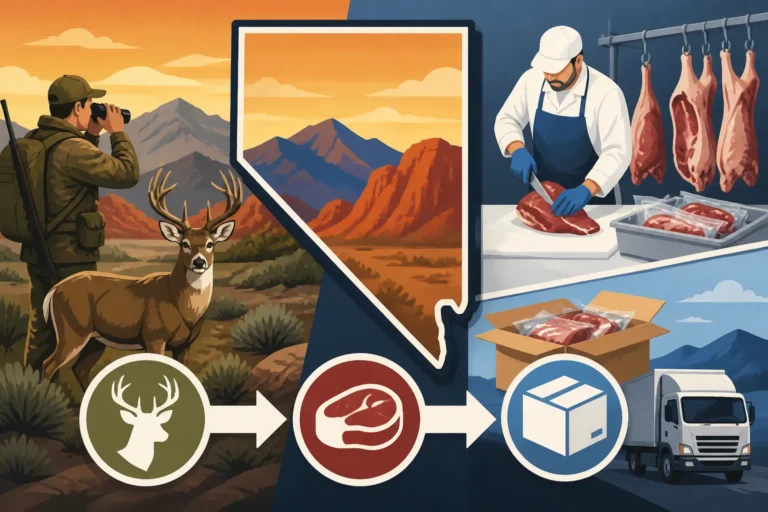
Finally, consider the post-harvest expenses. Once you've successfully taken an animal, you'll have costs associated with meat processing, which can be substantial, especially for a large elk. If you plan to have a trophy mounted, taxidermy fees are a separate, often considerable, expense. Shipping meat and trophies back home, particularly if you're flying, also adds up quickly. And don't forget the tradition of tipping your guide, which is a customary way to show appreciation for their hard work and dedication.
Here's a quick breakdown of what's typically included and what you'll almost always pay for separately:
| Category | Typically Included in Outfitter Fee | Typically Paid Separately by Hunter |
|---|---|---|
| Guiding Services | Yes (Expertise, field guidance, safety) | No |
| Lodging/Camp | Yes (Wall tent, lodge, spike camp) | No |
| Meals | Yes (Breakfast, lunch, dinner in camp/field) | Personal snacks/drinks, restaurant meals |
| In-Hunt Transportation | Yes (Vehicles, ATVs, horses during hunt) | No |
| Initial Game Care | Yes (Field dressing, caping, quartering) | No |
| Hunting Tags | No | Yes (Purchased directly from NDOW) |
| Hunting Licenses | No | Yes (Purchased directly from NDOW) |
| Travel (to/from hunt) | No (Flights, fuel, pre/post-hunt lodging) | Yes |
| Personal Gear | No (Optics, clothing, rifle, ammo, backpack) | Yes |
| Meat Processing | No (But outfitter may arrange drop-off) | Yes |
| Taxidermy | No | Yes |
| Shipping Meat/Trophy | No | Yes |
| Guide Tips | No (Customary gratuity for guide) | Yes |
This table makes it pretty clear why your outfitter's price is a significant but not all-encompassing figure. Planning a guided hunt in Nevada is an investment, but with careful budgeting and understanding of the distinct cost categories, you can ensure your dream hunt becomes a successful reality.
Disclaimer
This article is for general informational purposes only and does not constitute professional advice. Laws, prices and regulations vary by location and change over time. Consult a qualified professional for guidance on your specific situation.