The Logistics of a Horseback Drop Camp
Navigating Nevada's vast, roadless backcountry to chase big game is a dream for many, but the sheer physical demands of packing in all your gear, food, and water can quickly turn that dream into a grueling nightmare. For those seeking the solitude and challenge of a self-guided hunt deep in remote terrain without the monumental effort of a full backpack trip, a horseback drop camp can be the perfect solution, marrying access with independence. This guide will walk you through the intricate logistics of making such a hunt a reality in the Silver State.
What Exactly Is a Horseback Drop Camp?
Imagine standing on a remote ridge, glassing untouched basins for mule deer or elk, knowing that your comfortable camp, warm sleeping bag, and a week's worth of supplies are waiting for you just below. That's the essence of a horseback drop camp. It's a fantastic option for hunters who want to call their own shots, make their own schedules, and experience true wilderness without the extreme physical toll of packing everything on their backs.
The Core Concept: Getting There, Getting Set Up, Being Alone
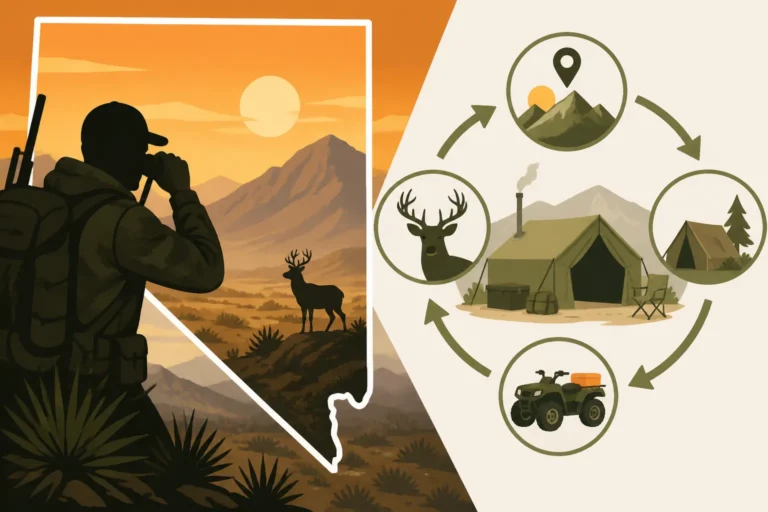
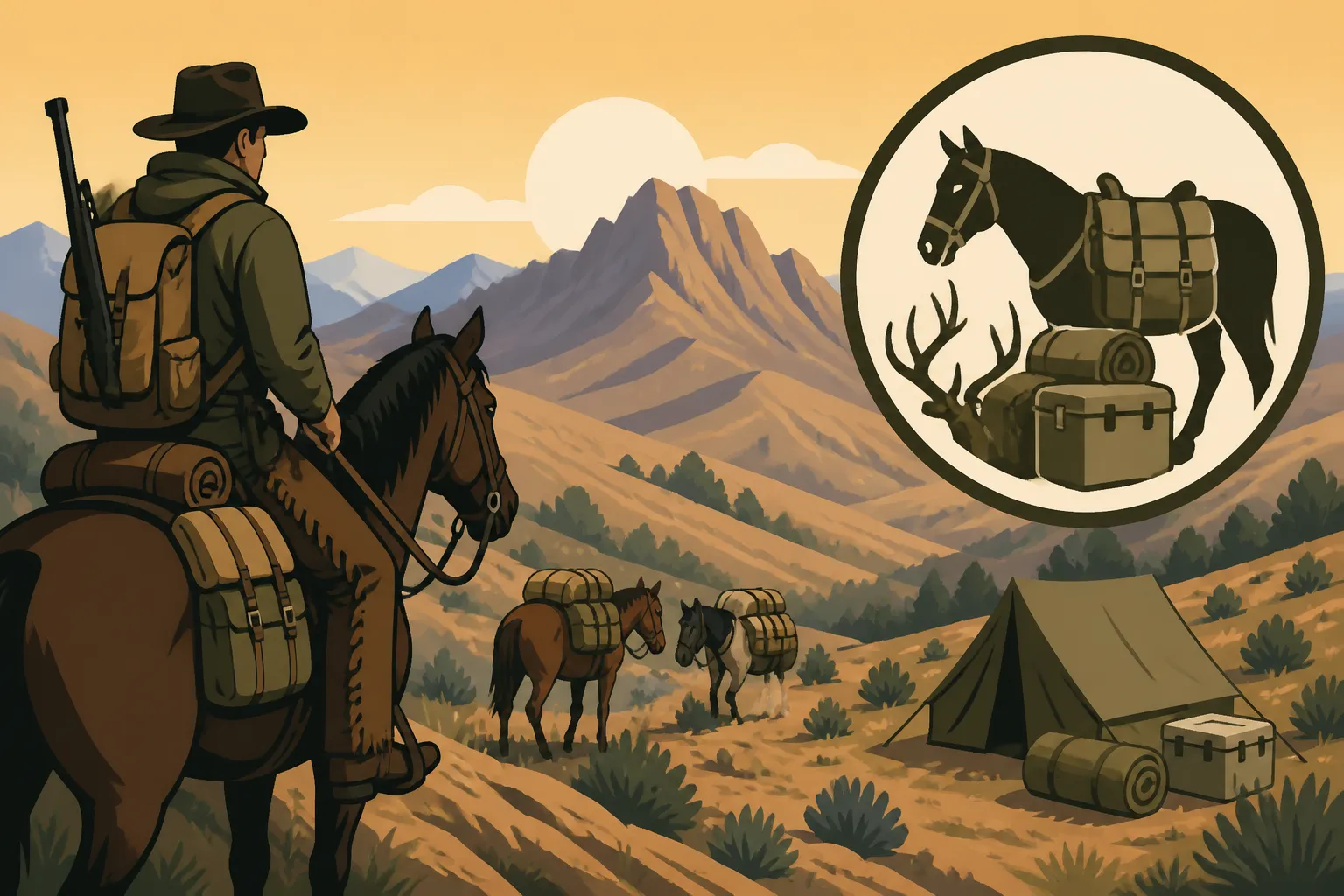
At its heart, a horseback drop camp is a specialized service offered by an outfitter where they use horses or mules to transport you and your hunting gear into a pre-designated, remote backcountry location. They drop you off with your supplies, often an established wall tent or a specific campsite, and then leave. You are completely on your own for the duration of your hunt, managing your camp, hunting, and surviving in the wilderness until they return on a pre-arranged date for pick-up. This is a crucial distinction from a fully guided hunt, where a guide stays with you, cooks, sets up camp, and leads the hunt. With a drop camp, the outfitter provides the access and the beast of burden; you provide the hunting skill and self-reliance.
Many of Nevada's prime hunting units, especially those holding trophy elk or big mule deer, often feature extensive roadless areas or wilderness boundaries. These are exactly the kinds of places where a drop camp truly shines, allowing you to bypass miles of rugged foot travel that would otherwise be necessary to reach undisturbed game habitat. Think of the Monitor Range or the Independence Range – vast, rugged country where driving in isn't an option but animals thrive far from human pressure. A drop camp allows you to bridge that gap.
What's Included and What's Your Responsibility?
The services offered by a drop camp outfitter can vary significantly, so understanding the specifics is paramount before you book. Generally, they are responsible for the safe transport of you and your gear to and from the camp location. Some outfitters will provide a basic camp setup, which might include a wall tent, a cot, a wood stove, and perhaps some cooking essentials. Others simply provide the pack service, and you supply everything down to the tent stakes.
Your responsibility, however, is immense. You are the sole manager of your hunt, your camp, and your personal safety. This means planning your meals, bringing all your food and water filtration, organizing your gear, knowing how to set up and maintain a camp (including building a fire, operating a stove, and bear-proofing your food), navigating the terrain, and, of course, performing all field dressing and meat care should you be successful. If you harvest an animal, it's also your responsibility to get it back to camp and have it ready for the outfitter to pack out on the designated pick-up day. This can be a huge undertaking in rugged country, so thinking through your strategy for Packing an Animal Out of Roadless Country is critical long before you even leave home.
Here's a quick breakdown of typical responsibilities:
| Feature/Task | Outfitter's Responsibility (Typical) | Hunter's Responsibility (Typical) |
|---|---|---|
| Transportation | Horse/mule transport of hunter and gear to/from camp | Being ready at meeting point, adhering to weight limits |
| Camp Setup | Transporting camp gear, setting up wall tent, stove (if provided) | Bringing all personal gear (tent if not provided), setting up own camp, maintaining camp |
| Food & Water | (Rarely provided, sometimes water cached near camp) | All food, water filters/treatment, cooking supplies, bear canisters |
| Hunting Guidance | Transport to good hunting area (no active guiding) | All hunting decisions, navigation, tracking, calling, field judging |
| Game Retrieval | Packing out harvested animal from camp to trailhead | Field dressing, quartering, getting meat/trophy to camp in good condition |
| Emergency Preparedness | Radio/satellite communication plan, agreed-upon emergency protocols | Personal first-aid kit, satellite messenger, survival skills |
| Pack Animals Care | Transporting and managing horses/mules | Treating animals with respect, securing gear on pack saddles (if self-packing) |
Planning Your Nevada Horseback Drop Camp Adventure
A successful drop camp hunt isn't just about drawing a tag; it's about meticulous planning that starts months, sometimes even a year, in advance. Given Nevada's vastness and challenging terrain, every detail matters.
Choosing the Right Outfitter and Unit
This is where your research really pays off. Not all outfitters offer drop camp services, and those that do may specialize in certain areas or species. Start by looking for outfitters with a solid reputation for safety, reliability, and good communication. Websites like BookYourHunt can sometimes be a starting point for finding outfitters, but always follow up with direct contact and extensive reference checks. Ask detailed questions about their experience in the specific unit you're considering, their emergency procedures, and what exactly is included in their drop camp package.
When it comes to the unit itself, you'll need to do your homework. Consider the species you're targeting – elk, mule deer, or even bighorn sheep. Research draw odds, historical harvest success, and terrain features. Tools like GoHunt can be invaluable here, offering unit profiles, draw statistics, and mapping tools that help you identify potential hunting areas and glassing points within your chosen unit. For example, if you're targeting elk, a unit like those in the Hunting the Ruby Mountains might be ideal, but you need an outfitter familiar with that specific range's access points and wilderness rules. Make sure the outfitter has the necessary permits to operate on the public lands (BLM or National Forest) where you plan to hunt. BLM Nevada Issues Joint Permits to Master Guides covers this often-overlooked aspect of a guide's qualifications.
Physical and Mental Preparation for Remote Hunts
Don't underestimate the physical demands of a drop camp hunt. While you won't be carrying your entire camp on your back, you'll still be hiking miles each day over rugged, steep, and often rocky terrain at elevation. You'll need the stamina to hunt hard from dawn till dusk and the strength to field dress and possibly debone an animal far from camp. Start a rigorous fitness regimen months beforehand, focusing on cardiovascular endurance, leg strength, and core stability. Practice hiking with a loaded pack that simulates the weight you'll carry daily (water, optics, day food).
Mental preparedness is just as vital. You will be alone, or with a small, self-sufficient group, in potentially harsh conditions. Are you comfortable with solitude? Can you remain calm and rational if things go wrong, like getting lost, encountering a difficult animal recovery, or facing unexpected weather? Practice your navigation skills with a GPS, map, and compass. Know basic first aid and carry a comprehensive kit. Understand the dangers of dehydration in Nevada's arid environment and ensure you have sufficient water and filtration methods, as detailed in Water You Must Carry on a Desert Day Hunt. Being mentally tough and self-reliant is arguably more important than any piece of gear you bring.
Navigating Logistics: Dates, Deposits, and Communication
Booking early is almost always a good idea, especially for desirable units or during peak seasons. Nevada's application period for big game tags typically runs from March to May, with results in late May. Most outfitters require a deposit to secure your dates, often well before you know if you've drawn a tag. This means carefully reading the outfitter's contract regarding refunds or rollovers if you fail to draw. It's a common dilemma for hunters: Booking Before Nevada Draw Results Land. Some outfitters offer flexible policies, while others may retain a portion of your deposit.
Clear communication with your outfitter is critical. Discuss:
- Exact meeting location and time: Where do you load up?
- Weight limits for gear: Mules and horses have limits, and exceeding them can cause problems or extra fees.
- Specific camp location: Pinpoint it on a map with GPS coordinates.
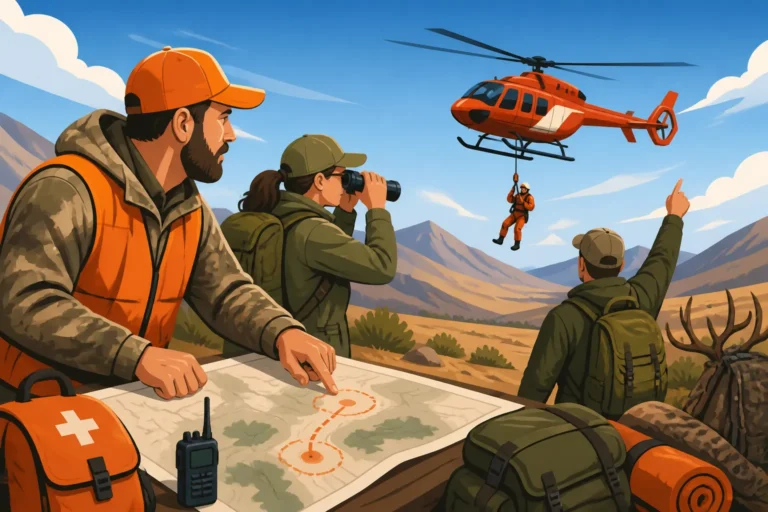
- Emergency communication: What's the plan if you need assistance? Do you carry a satellite messenger? What's the check-in schedule?
- Harvest plan: What happens if you get an animal? How quickly can they come in? What condition should the meat be in?
- Pick-up details: Exact date and time for them to return.
The Drop-Off and Pick-Up: Key to a Smooth Hunt
These two days are the bookends of your drop camp hunt, and their smooth execution is essential for a positive experience.
The Day of the Drop-Off: What to Expect
On the morning of your drop-off, you'll typically meet the outfitter at a designated trailhead or staging area. This is where your gear will be transferred from your vehicle to the pack animals. Be organized and have your gear clearly labeled and packed in waterproof, durable bags. Soft-sided duffels often work best for conforming to pack saddles. The outfitter will weigh your gear to ensure you're within agreed-upon limits.
Once everything is loaded, you'll begin the journey into the backcountry, often riding a saddle horse while the mules or additional horses carry the heavy loads. This ride can be several hours long, sometimes even a full day, through rugged terrain. Enjoy the scenery, but also pay attention to the trail – it can help you get your bearings once you're on your own.
Upon arrival at your campsite, the outfitter will unload your gear. If they're providing a wall tent, they might help you get it set up. This is your last chance to ask any questions and confirm pick-up details. Once they ride away, you are truly alone. Your immediate priorities will be getting your camp fully set up, organizing your food and water, securing anything that might attract critters, and getting a good night's rest to prepare for your hunt.
Managing Your Time in the Backcountry
Once established in camp, your time is your own. This is the beauty of a drop camp. You decide when to wake up, when to head out, and where to hunt. Your daily routine will revolve around hunting, navigating, cooking, and maintaining camp. Always be mindful of your water supply, especially in Nevada's dry climate, and manage your food to avoid attracting wildlife.
Field care of any harvested animal is paramount. Nevada's climate can be brutal, particularly during early seasons. Field Dressing in August Heat is a real concern, and improper cooling can spoil meat quickly. Have a plan for quartering, deboning, and keeping meat clean and cool. This might involve hanging it in the shade, using game bags, or even burying it lightly in cool earth if available. The longer your outfitter takes to return for pick-up, the more critical proper meat care becomes.
Remember to factor in travel time to and from your hunting grounds each day. While the drop camp gets you into the remote area, you'll still be doing a lot of hiking to find game. Utilize maps, GPS, and scouting tools (like those found on GoHunt) to identify key features, travel corridors, and potential glassing locations. Glassing Nevada's Basin and Range for Mule Deer and Why Nevada Deer Hunting Is a Glassing Game are skills that will serve you well, maximizing your efficiency without unnecessary walking.
The Pick-Up: Planning for Success and Safety
As your hunt winds down, shift your focus to preparing for the pick-up. Consolidate and organize all your gear, especially if you've harvested an animal. Meat should be packed in game bags, and antlers (if applicable) should be ready for transport. The outfitter will expect everything to be ready to load when they arrive.
Be at the designated pick-up spot at the agreed-upon time. If conditions are bad or you have an emergency, your satellite messenger is your lifeline. Ensure your battery is charged and your message plan is clear. Should you have any issues, or if the outfitter is delayed due to unforeseen circumstances, having a clear contingency plan is vital. This might include carrying an extra day or two of food and water just in case. Once loaded, you'll make the journey back to the trailhead, likely tired but hopefully triumphant, with memories to last a lifetime.
Pros and Cons of a Horseback Drop Camp
Like any hunting strategy, drop camps offer unique advantages and disadvantages. It's crucial to weigh these against your personal preferences, experience level, and budget.
The Freedom and Challenge: Why Hunters Love It
For many, the biggest draw of a horseback drop camp is the unparalleled sense of freedom and independence it offers. You're deep in the wilderness, making all your own decisions, testing your skills against the elements and the game. There's an immense satisfaction that comes from planning, executing, and succeeding on a truly self-reliant hunt. It's not just a hunt; it's an adventure in self-discovery.
Drop camps also provide access to remote, often less-pressured areas that are simply inaccessible to vehicle-based hunters or too far for most backpackers. This dramatically increases your chances of encountering mature animals that haven't been pushed around by human activity. While not cheap, a drop camp is generally more cost-effective than a fully guided hunt, allowing you to access premium country without the full expense of a guide's daily rate. It's a fantastic middle ground for those who want a wilderness experience but can't commit to a full DIY pack-in.
The Risks and Realities: What to Be Prepared For
The flip side of independence is the burden of self-reliance. If something goes wrong – an injury, a lost animal, bad weather, or gear failure – you are solely responsible for finding a solution. This requires a high degree of outdoor skill, excellent judgment, and thorough preparation. You must be proficient in navigation, first aid, camp craft, and potentially even minor horse care (though usually the outfitter handles the animals).
Weather in Nevada's mountains can be unpredictable and extreme, swinging from scorching heat to sudden snowstorms, even in the fall. You need to be prepared for anything, as covered in Layering for Basin and Range Temperature Swings. Injuries can be severe when far from help, and a simple sprain can become a major ordeal. Packing an animal out of a steep canyon to your drop camp for the outfitter to retrieve can be one of the most physically demanding tasks a hunter will ever face.
Finally, there's always the risk of not harvesting an animal. With no guide to put you on game, your success rests entirely on your scouting, hunting ability, and a bit of luck. While the outfitter provides the access, they don't guarantee a harvest. You must be prepared for the possibility of a physically demanding trip with no animal to show for it, and still find satisfaction in the wilderness experience itself.
Disclaimer
This article is for general informational purposes only and does not constitute professional advice. Laws, prices and regulations vary by location and change over time. Consult a qualified professional for guidance on your specific situation.