Layering for Basin and Range Temperature Swings
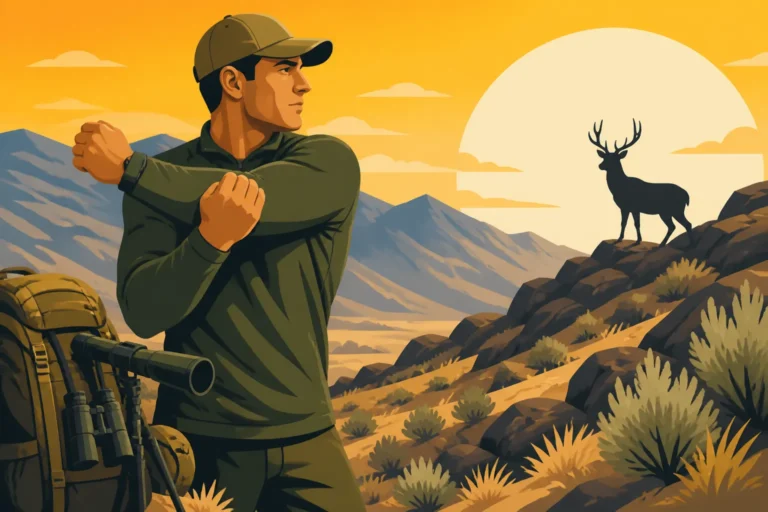
Ask any hunter who has spent time chasing mule deer or elk in Nevada, and they'll tell you about the unpredictable, often extreme temperature swings you face out there. One minute you're shivering in the pre-dawn chill, the next you're sweating profusely under the midday sun, all while trying to navigate windy ridges and steep drainages. It's a constant battle to stay comfortable, dry, and safe, but with the right layering system, you can conquer these challenges and focus on the hunt.
Understanding Nevada's Dynamic Climate
Nevada's high desert and mountain environment isn't like hunting anywhere else. Forget those gradual temperature changes you might find in more humid climates; here, the mercury can plummet or soar with shocking speed. It's a common frustration to start your day bundled up, only to find yourself shedding layers by the mile mark and then scrambling to put them back on as the sun dips.
Daily Temperature Swings and the Arid Air
The primary culprit behind these wild temperature shifts is Nevada's incredibly dry, arid air. Without much humidity to hold onto heat, the landscape cools rapidly once the sun sets and heats up just as quickly when it rises. You might wake up to temperatures well below freezing, even into the single digits, only to find yourself hiking in 60 or 70-degree weather by early afternoon. This isn't just uncomfortable; it's a genuine safety concern. Sweating in cold temperatures, especially if you stop moving, can quickly lead to hypothermia, even in relatively mild conditions. Conversely, being overdressed in the heat can cause heat exhaustion, depleting your energy and focus. The key is to be prepared for both extremes within the same day.
Wind and Elevation's Amplifying Effects
Beyond the daily swings, the wind in Nevada's basin and range country acts like a giant, invisible fan, dramatically increasing the perceived cold, especially on exposed ridges and high points. Even a mild breeze can cut through inadequate clothing, chilling you to the bone during those long, stationary glassing sessions. When you're Glassing Nevada's Basin and Range for Mule Deer, a constant wind can make a 40-degree day feel like 20.
Elevation plays another significant role. Heading up just a few thousand feet can mean a noticeable drop in temperature and a greater chance of encountering stronger winds or even unexpected precipitation. If your hunt takes you from the valley floor into the higher reaches of the Humboldt-Toiyabe National Forest, you'll feel the difference. Understanding the terrain of your chosen Reading a Nevada Hunt Unit Before You Apply is crucial not just for game movement, but for predicting the weather you'll likely face. The higher you go, the more critical your layering system becomes, not just for comfort but for survival.
The Art of the Layering System for Nevada Hunting
Mastering a layering system isn't just about throwing on a bunch of clothes; it's a strategic approach to managing your body's temperature, moisture, and protection from the elements. It’s about being adaptable to whatever Nevada throws at you, from a frosty sunrise to a blustery afternoon or a sweat-inducing climb.
The "Why" Behind Layering: Adaptability and Safety
The fundamental principle of layering is simple: multiple thin layers trap air more effectively than one thick layer, providing superior insulation. More importantly, this system offers unparalleled flexibility. As your activity level changes—hiking uphill, sitting still on a ridge, or breaking for lunch—you can easily add or remove layers to maintain an optimal body temperature. This prevents the dreaded cycle of sweating, cooling down too quickly, and then shivering. Proper moisture management is paramount; wet clothes, whether from sweat or rain, lose their insulating properties and can be dangerous. A good layering strategy helps wick sweat away from your skin, keeping you dry even when you're working hard, which is vital for Preparing Physically for Long Glassing Days.
Core Components: Base, Mid, and Outer Layers
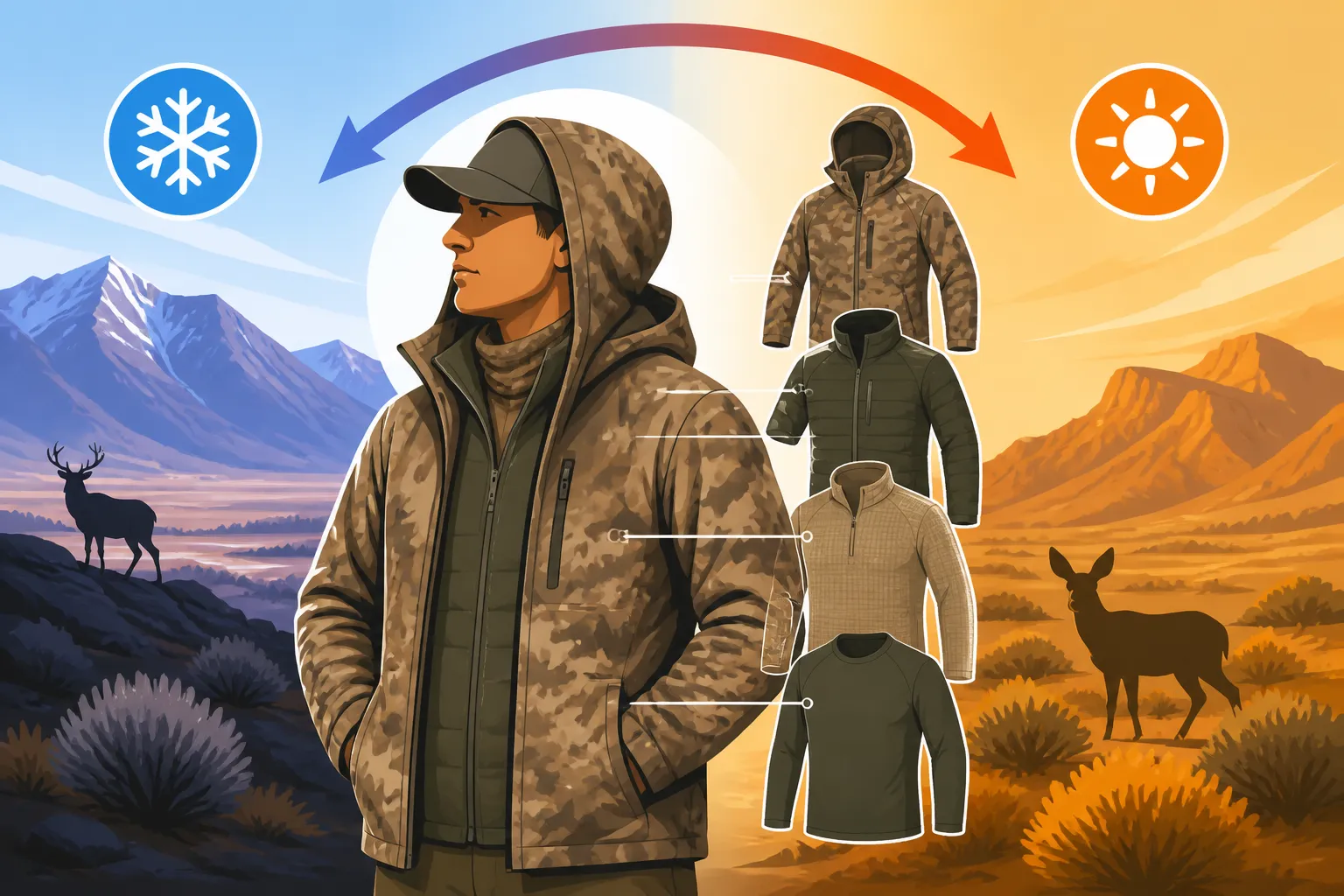
Every effective layering system relies on three main types of layers, each with a distinct purpose:
- Base Layer (Next to Skin): This is your foundation. Its primary job is to wick moisture (sweat) away from your skin, keeping you dry. It also provides a minimal amount of insulation.
- Mid Layer (Insulation): This is your warmth layer. It traps body heat, providing the bulk of your insulation. You'll often have multiple mid-layers of varying thickness to adjust to conditions.
- Outer Layer (Shell): This is your protection against the elements—wind, rain, snow. It shields you from the external environment while allowing moisture vapor from your body to escape.
When selecting gear, many experienced hunters, and resources like GoHunt's detailed gear recommendations, will emphasize that merino wool base layers are often the gold standard due to their natural wicking and odor-resistant properties, crucial during multi-day hunts without a shower. Synthetics are also excellent for wicking and drying quickly, often at a lower price point.
| Layer Type | Primary Function | Common Materials | Key Properties |
|---|---|---|---|
| Base | Wicks moisture, light insulation | Merino Wool, Synthetic Polyester | Breathable, Quick-drying, Odor-resistant |
| Mid | Insulates, traps heat | Fleece, Down, Synthetic Fill | Warmth-to-weight, Compressible, Breathable |
| Outer | Weather protection | Hardshell (Gore-Tex), Softshell | Waterproof/Resistant, Windproof, Durable |
Key Gear for Your Nevada Layering System
Building out your kit with the right materials and specific items makes all the difference. Don't skimp on quality here; reliable gear is an investment in your comfort and safety.
Base Layers for Wicking and Comfort
Your base layer is arguably the most critical component, as it's directly responsible for managing moisture next to your skin. For Nevada's drastic temperature swings, merino wool shines. It's incredibly soft, naturally antibacterial (meaning less stink on long hunts), and insulates even when damp. Lightweight (150-200 GSM) merino is perfect for active hunting, while a midweight (250 GSM) provides extra warmth for colder conditions or less strenuous activities like prolonged glassing. Brands like Sitka, Kuiu, or First Lite offer excellent merino options.
Synthetics, typically polyester blends, are another fantastic choice. They're often more durable, dry faster than merino, and can be more budget-friendly. Look for those specifically designed for active use, with good stretch and flatlock seams to prevent chafing. The choice between merino and synthetic often comes down to personal preference, budget, and how many days you'll be out. For an early season August Archery Deer Window, a lightweight synthetic might be preferred for its quick-drying properties when you're likely to sweat more.
Mid-Layers for Crucial Insulation
Mid-layers are where you really build your warmth. You'll likely carry a couple of options to adjust to the day's demands.
- Fleece: Tried and true, fleece is affordable, durable, and insulates well even when wet. A mid-weight fleece jacket or vest is a staple. It's breathable enough for moderate activity and provides solid warmth for its weight.
- Synthetic Puffies: These jackets and vests use synthetic insulation (like Primaloft or Coreloft) that mimics down but performs better in damp conditions. They are incredibly warm for their weight, highly compressible, and dry quickly. A lightweight synthetic puffy is a must-have for those frigid mornings or sitting still on a Tripod Setup for Glassing From a Ridge.
- Down Jackets: For ultimate warmth-to-weight ratio, nothing beats down. A compressible down jacket is perfect for static periods when temperatures drop significantly. The downside is that down loses its insulating properties when wet, so it's essential to pair it with a waterproof outer shell.
When planning your packing, thinking about the specific weather conditions for your drawn unit, a resource like GoHunt can provide historical weather data or typical forecasts for that time of year, helping you fine-tune your layering strategy.
Outer Layers for Weather Protection
Your outer layer, or shell, is your shield against the wind, rain, and snow. In Nevada, wind protection is often just as critical as waterproofing.
- Soft Shells: These are highly breathable, water-resistant, and excel at blocking wind. They offer good mobility and are quieter than hard shells, making them a favorite for active stalks in dry, windy conditions. They might not hold up in a sustained downpour but are excellent for light precipitation and keeping the wind at bay.
- Hard Shells: When true waterproofing and extreme wind protection are needed, a hard shell is indispensable. Look for materials like Gore-Tex or similar proprietary waterproof/breathable membranes. While they can be less breathable than soft shells and sometimes a bit noisy, they are essential for severe weather. For long days out in open terrain, where unexpected storms can roll in, a reliable hard shell is non-negotiable.
Crucial Accessories: The Small Details That Make a Big Difference
Don't overlook the "small" items; they often contribute disproportionately to your overall comfort and ability to regulate temperature.
- Headwear: A warm beanie or stocking cap is vital since you lose a significant amount of heat through your head. In colder weather, a balaclava or neck gaiter (buff) can protect your face and neck from biting winds. For warmer conditions, a wide-brimmed hat provides sun protection.
- Gloves: Carry at least two pairs: a lightweight, breathable pair for active hiking (e.g., merino liners or thin fleece) and a warmer, insulated, windproof, and ideally waterproof pair for glassing or colder weather.
- Socks: Just like base layers, wool or synthetic socks are key. Avoid cotton at all costs. Carry multiple pairs and change them if your feet get wet or sweaty. Happy feet are crucial for staying comfortable and preventing blisters, especially when combined with the right Choosing Boots for Sharp Volcanic Rock.
- Rain Gear: Even if your outer shell is water-resistant, consider packing lightweight, packable rain pants. Getting your legs soaked is miserable and can lead to rapid chilling.
Practical Tips for Managing Layers in the Field
Having the right gear is only half the battle; knowing when and how to use it is the other. Nevada's fickle weather demands constant vigilance and proactive adjustments to your layering system.
Proactive Layer Management: Don't Wait Until You're Miserable
One of the biggest mistakes hunters make is waiting until they are cold or already drenched in sweat to adjust their layers. By then, it's often too late, and you're fighting an uphill battle to regain comfort.
- Before Activity: Before you start a steep ascent or a long hike, shed a layer or two. You're going to warm up quickly, and it's much easier to put a layer back on when you stop than to deal with excessive sweating.
- During Breaks and Still Periods: As soon as you stop moving—to glass, eat lunch, or wait out game—immediately add an insulating layer. Your body temperature will drop rapidly, especially if there's any wind. This is where a quick-access synthetic puffy or down jacket shines. GoHunt's articles often highlight the importance of not just having the right gear, but understanding how to use it effectively, which is exactly what we're talking about with layering.
- Anticipate the Sun: Pay attention to the sun's position. As it drops behind a ridge or dips towards the horizon, temperatures will fall dramatically. Be ready to add warmth. Similarly, during early morning glassing sessions, the sun hitting your back can make a huge difference in comfort. The Best Time of Day to Glass a Basin often involves these temperature shifts.
It can feel like a nuisance to constantly pull layers out of your pack and put them away, but trust me, that effort is worth it compared to being cold, miserable, or risking hypothermia.
Packing Strategy and Accessibility
Your backpack isn't just for hauling game; it's your mobile closet. Organize it so your most frequently used layers are easily accessible.
- Top of the Pack: Keep your rain gear and primary insulating layer (e.g., puffy jacket) at the very top or in an external pocket. You want to be able to grab these quickly without having to unpack everything else.
- Strategic Pockets: Utilize jacket pockets for frequently needed items like gloves, a beanie, or a buff.
- Dry Bags/Pack Liners: Nevada can be dusty, but it can also surprise you with rain or snow. Keep all your spare clothing, especially down insulation, in dry bags or a reliable pack liner to ensure it stays dry.
- Layering for Packing an Animal Out of Roadless Country: This is perhaps one of the most strenuous activities you'll do. You'll be sweating heavily, even in cold temperatures. Plan to strip down to a base layer and possibly a very light mid-layer during the actual pack out, then have dry, warm layers immediately available for when you stop or reach the vehicle.
Having a reliable way to organize and access your gear, perhaps even using a checklist similar to what GoHunt offers, can save you precious minutes and discomfort, especially when the weather takes an unexpected turn.
Hydration and Nutrition's Role in Thermoregulation
While not directly "layers," your body's internal state plays a huge role in how effectively you manage temperature. Dehydration and inadequate nutrition compromise your body's ability to regulate its own heat. Make sure you are consistently hydrating and fueling your body throughout the day. This is especially critical in Nevada's dry air, where you can dehydrate much faster than you realize. Remember to always carry sufficient Water You Must Carry on a Desert Day Hunt. A well-hydrated and fed body is simply more resilient to temperature extremes.
Remember, every hunt in Nevada is a challenge, but with a well-thought-out layering system and the discipline to use it proactively, you'll be far more comfortable, safer, and ultimately more successful in the field.
Disclaimer
The information provided in this guide is for general educational purposes only and is not a substitute for professional advice or formal training. Hunting carries inherent risks, and conditions in Nevada can be extreme and unpredictable. Always consult official Nevada Department of Wildlife regulations, local weather forecasts, and prioritize your safety. The author and publisher assume no responsibility for any actions taken based on the information contained herein.