How to Read an Outfitter’s References
Choosing a hunting outfitter in Nevada can feel like a high-stakes gamble. You're pouring hard-earned money and precious draw points into a once-in-a-lifetime experience, and the last thing you want is a trip that falls short of expectations due to a mismatch with your guide. This guide is all about giving you the tools to confidently evaluate an outfitter's references, turning what can be a daunting process into a clear path toward finding the right partner for your Nevada adventure.
The Critical Importance of Vetting an Outfitter's References
Let's be real: booking a guided hunt, especially for big game in Nevada, isn't like booking a hotel room. There's no standardized star rating, and glossy brochures or slick websites can only tell you so much. What truly matters is the experience of the hunters who have been there before you. In a state like Nevada, where tags are hard-won through a complex draw system and the terrain is notoriously demanding, trusting an outfitter with your hunt requires more than just a handshake and a promise.
Nevada's vast, open country, its often brutal weather extremes, and the sheer challenge of finding and harvesting an animal here means that a guide isn't just a luxury; they're often an essential part of success, especially for non-residents or those new to the region. With the high cost of a Nonresident Nevada Elk Tag Runs $1,200 or a prized mule deer tag, you absolutely need to know that your outfitter is competent, ethical, and aligned with your hunting style and expectations. References are your direct line to understanding what a trip with that outfitter is really like, beyond the marketing speak. A thorough vetting process can save you thousands of dollars, weeks of vacation time, and the bitter disappointment of a hunt gone wrong. It helps you ensure that the person leading you into Nevada's rugged mountains or expansive sagebrush basins is truly equipped to do so, both in skill and temperament.
What to Look For (and Look Out For) in an Outfitter's Reference List
When an outfitter hands you a list of past clients, it's easy to assume everyone on it will sing their praises. After all, why would they give you a bad reference? But a savvy hunter knows how to read between the lines and dig deeper.
Beyond the "Happy Hunter" Test
Firstly, understand that every outfitter is going to provide you with their best references—the clients who had fantastic hunts, harvested great animals, and loved every minute. This is natural. Your job isn't just to hear the good stories, but to probe for nuance and consistency.
One common red flag is a reference list that is too perfect. If every single person gives a flawless, overly enthusiastic review without any specifics, it might be a sign of a cherry-picked list or even coached responses. Look for references that can provide detailed accounts, both positive and constructively critical. Another warning sign is a list comprised solely of very old hunts. While loyalty is great, you want to know about recent experiences. An outfitter who hasn't provided fresh references from the last one to three seasons might be hiding something, or their operation could have changed hands, guides, or quality. Nevada's regulations and game populations can shift, so recent experience is key. For example, if you're looking for a Late Rifle Deer Seasons in Nevada hunt, you want references who've experienced similar conditions and challenges.
When you call a reference, don't just ask, "Did you have a good time?" Ask specific questions that require detailed answers. Think about the unit they hunted, the specific dates, the guide they were with, the type of equipment used, the quality of the food and lodging, and crucially, the actual hunting experience. Was it a high-opportunity hunt, or did they only see a couple of deer? Did they fill their tag, and if not, why? An outfitter might boast a high success rate, but how many of those "successful" hunters settled for a smaller animal than they wanted because of poor planning or lack of effort by the guide? This is where platforms like BookYourHunt can be valuable, as they often have a broader range of reviews, not just those curated by the outfitter. Always try to cross-reference what the outfitter tells you with what their past clients say.
Digging Into the Details: Specific Questions to Ask Past Clients
Once you have a reference on the phone, treat it like an interview. You’re not just chatting; you’re gathering crucial intelligence for a significant investment. Have a list of questions ready, and don't be afraid to take notes. Here are some key areas to cover:
- The Hunt Itself: "What unit did you hunt, and what dates?" "Which guide did you primarily hunt with?" "What was the physical demand like, and did the outfitter accurately describe it beforehand?" "How many animals did you see, and of what quality?" "Did you feel the guide worked hard for you every day, from sunup to sundown?" "What was the outfitter's approach to How Outfitters Handle a Wounded Animal?" "How would you describe the guide's knowledge of the unit and the game?" For a desert bighorn hunt, you'd want to know about glassing efforts and spotting capabilities. For elk, you might ask about bugling activity and the guide's calling skills.
- Logistics and Comfort: "How was the camp setup? What was the food like?" "Were there any unexpected costs or hidden fees beyond what was agreed upon?" "How was the transportation during the hunt (vehicles, horses, hiking)?" "Did the outfitter provide an accurate gear list, and were there any essential items you wished you had?" "How was the Heat Management on an August Archery Hunt if you hunted early season?"
- Communication and Professionalism: "How was the outfitter's communication leading up to the hunt?" "Were their promises consistent with the actual experience?" "Would you hunt with this outfitter again, and would you recommend them to a friend or family member?" "Did the outfitter make you feel safe and confident throughout the trip?"
Remember, it’s not just about the kill. It’s about the entire experience. You're buying into an adventure, and you want to ensure the people facilitating that adventure are top-notch.
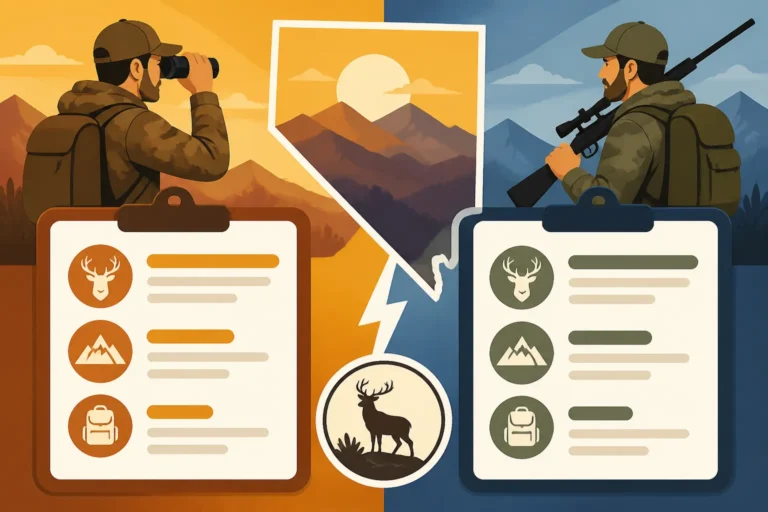
| Category | Key Questions to Ask | Red Flags to Watch For |
|---|---|---|
| Hunt Details | What unit and dates did you hunt? Did you see animals matching your goals? Was the guide knowledgeable? Did they put in full effort? | Vague answers, complaints about guide effort, disproportionate kill size vs. stated goal. |
| Logistics | How was camp/food? Any hidden costs? Accurate gear list? Reliable transportation? | Complaints about comfort, unexpected charges, poor equipment, or breakdowns. |
| Communication | How was communication pre-hunt? Were expectations managed? Would you hunt again? | Difficulty getting in touch, misrepresentation of hunt, or unwillingness to address concerns. |
| Integrity | Did the outfitter seem ethical? How did they handle tough situations (e.g., wounded animal)? | Stories of cutting corners, poor animal recovery, or unethical behavior. |
| Overall Value | Did the hunt feel worth the cost? | Feeling ripped off, under-delivered promises, or severe disappointments. |
Connecting the Dots: Cross-Referencing and Due Diligence
Getting a list of references is a great start, but it shouldn't be your only step. In today's interconnected world, you have more tools at your disposal to conduct thorough due diligence.
Beyond the Provided List: Finding Independent Reviews
While the outfitter's references are important, seeking out independent reviews can offer a more balanced perspective. Many hunters share their experiences—good and bad—on online forums, dedicated hunting websites, and social media groups. Sites like BookYourHunt often feature client testimonials that are harder for outfitters to manipulate, as they often include details like species, unit, and hunt year. You might also find reviews on general travel review sites, although these tend to be less common for hunting outfitters.
When you're sifting through these independent reviews, look for patterns. A single negative review might just be a disgruntled client with unrealistic expectations, but multiple similar complaints about specific issues (e.g., poor communication, broken-down vehicles, or a lack of game sighted) should raise serious concerns. Conversely, consistent positive feedback that mirrors what the references told you can bolster your confidence. Tools like GoHunt also allow you to research specific units and draw odds, which can give you a better understanding of the inherent challenges or opportunities in the areas an outfitter claims to operate. You can use this to gauge if the outfitter's claims align with known success rates for that particular unit.
Verifying Licenses, Permits, and Reputation
Don't just take an outfitter's word for it that they're legitimate. In Nevada, guides and outfitters are regulated, and you can verify their credentials. The Nevada Department of Wildlife (NDOW) licenses guides, and you can usually find a public record or contact the department directly to confirm their licensing status. This is a crucial step that many hunters overlook. You can research How NDOW Licenses Hunting Guides to understand the process and then verify.
Beyond the state license, many Nevada hunts occur on federal lands administered by the Bureau of Land Management (BLM) or the U.S. Forest Service. This means outfitters need specific special use permits to operate legally on these lands. You should ask your prospective outfitter about these permits and consider verifying them with the appropriate federal agency. Understanding Why Nevada Guides Need Federal Land Permits will highlight the necessity of this step. Furthermore, if you encounter anything concerning during your reference checks, you can inquire with NDOW about any past complaints filed against the outfitter. Where Nevada Guide Complaints Are Handled is important information to have, as repeated infractions or serious ethical violations should be absolute deal-breakers. By cross-referencing your reference feedback with public records and broader online reputation, you build a much more comprehensive picture of the outfitter's credibility and professionalism.
Trusting Your Gut and Making the Call
After all the research, phone calls, and cross-referencing, you'll have a mountain of information. The final step is to synthesize it all and make an informed decision, trusting both the data and your instincts.
Interpreting Mixed Feedback
It's rare to find an outfitter who has absolutely no mixed feedback. Some hunters are simply harder to please, or perhaps had an unlucky hunt that wasn't the outfitter's fault. When you encounter a mix of reviews—some glowing, some with minor criticisms—it's important to interpret it thoughtfully.
Consider the nature of the criticism. Is it about something easily fixable, like a slow breakfast on one morning, or is it a fundamental flaw, like a guide who consistently failed to scout? Minor complaints, especially if they're few and far between, might just indicate normal operational hiccups or differing personal preferences. However, if multiple references mention the same issue, even if framed as a "minor inconvenience," it could signal a consistent problem. For instance, if several people mention a lack of physical preparation by the guides for Preparing Physically for Long Glassing Days, it's a concern. Focus on whether the outfitter generally delivers on the core promises: putting clients in front of game, providing a safe and ethical hunt, and maintaining clear communication. Sometimes, an outfitter who acknowledges and addresses past criticisms openly and transparently can be a more trustworthy choice than one who claims perfection.
The Final Decision: When to Book (or Walk Away)
The decision to book a guided hunt should be based on a feeling of confidence and alignment. You should feel comfortable with the outfitter's communication style, their hunting philosophy, and the experiences shared by their past clients. If, after all your research, you still have nagging doubts or unanswered questions, it's probably best to walk away. There are many great outfitters out there, especially in a state with diverse opportunities like Nevada, so don't feel pressured to book with someone who doesn't feel right.
Before committing, make sure you've asked all your Questions Worth Asking Before You Book, especially regarding the contract, payment schedules, and cancellation policies. Nevada's application deadlines and draw results (typically in May) can create pressure to book quickly, particularly for highly sought-after species like elk or bighorn sheep. You might even find yourself Booking Before Nevada Draw Results Land. In such cases, it's absolutely critical to understand the outfitter's refund policy if you fail to draw a tag. Reading the Cancellation and Refund Terms carefully is paramount. Look for an outfitter who is transparent, patient with your questions, and genuinely committed to providing a quality experience, regardless of whether a trophy animal is harvested. Your gut instinct, combined with thorough research, is your best guide.
Disclaimer
This article is for general informational purposes only and does not constitute professional advice. Laws, prices and regulations vary by location and change over time. Consult a qualified professional for guidance on your specific situation.