What Ranch Access Typically Costs
For many hunters dreaming of a quality big game experience in Nevada, the thought of accessing private ranch land can be both exciting and intimidating. It's no secret that the Silver State is overwhelmingly public, but those coveted pockets of private ground can hold some truly incredible animals, often drawing deer and elk from surrounding public lands. The challenge, of course, is gaining permission, and that often comes with a cost. This guide will explore the various aspects of what ranch access typically costs in Nevada, delving into the different types of arrangements, the factors that influence pricing, and how you can approach finding these opportunities without breaking the bank or being caught off guard by unexpected fees.
Understanding the Landscape of Private Ranch Access in Nevada
Nevada's vast landscape is dominated by public land, primarily managed by the Bureau of Land Management (BLM) and the Forest Service. This is where most hunters spend their time, navigating the challenges of open country and the sheer scale of the terrain. However, nestled within these sprawling public areas, particularly in river bottoms, productive agricultural lands, and critical winter ranges, lie private ranches. These lands, often richer in feed and water, can become magnets for big game, offering hunters a distinct advantage if they can secure access.
The frustration is real: you might glass an incredible buck or bull from a public ridge, only to watch it saunter onto unhuntable private property. It's a common scenario, and it's precisely why hunters begin to consider paying for access. It’s not about avoiding hard work; it’s about increasing your odds in specific, high-quality areas that might otherwise be off-limits.
Why Private Access Is Desirable and Scarce
Private ranch lands in Nevada often represent prime habitat. Think about it: water, good forage, and sometimes, less pressure from other hunters. In a state where Hunting Water in Nevada's Driest Country is a constant concern, private ranches frequently control crucial water sources that draw animals from miles around. This makes these properties incredibly attractive. From a landowner's perspective, this valuable asset can be leveraged. They face costs for land management, taxes, and often deal with wildlife damage to crops or fences. Charging for hunting access can help offset these expenses and provide an income stream.
The scarcity comes from a few factors. First, there just isn't as much private land compared to public. Second, many ranchers prefer to keep their land private for their own hunting, for family, or simply to avoid the complexities of managing paying hunters. Those who do offer access often have a limited number of spots, driving up the perceived value and, consequently, the cost. You're not just paying for a spot; you're paying for a concentrated opportunity that might be hard to replicate on general public land.
Types of Private Land Arrangements
When you start looking into private land access, you'll find that it's not a one-size-fits-all deal. The type of arrangement can dramatically affect what you pay and what's included. Understanding these distinctions is crucial for setting your expectations and ensuring you get what you're looking for.
- Day Fees or Trespass Fees: This is often the simplest and least expensive option. You pay a fee, typically per day or per animal harvested, for the right to physically be on the property to hunt. The landowner grants access, but typically provides no other services. You're responsible for your own scouting, guiding, lodging, and logistics. It’s essentially buying permission to hunt land that’s otherwise closed. This can be a great option for experienced DIY hunters who just need a place to go. You might negotiate a Trespass Fee Arrangements on Nevada Ranches that covers your entire season, or just a few days.
- Semi-Guided or Unguided Lease: These arrangements offer more than just trespass. You might lease a specific section of land for a season or a set number of days. The landowner might provide some basic information about game movement or property boundaries, but you're still doing the heavy lifting of the hunt itself. This can often involve a higher upfront cost than a simple trespass fee but offers more control and exclusivity over a larger area. Some landowners might allow scouting prior to the season, which is a huge advantage.
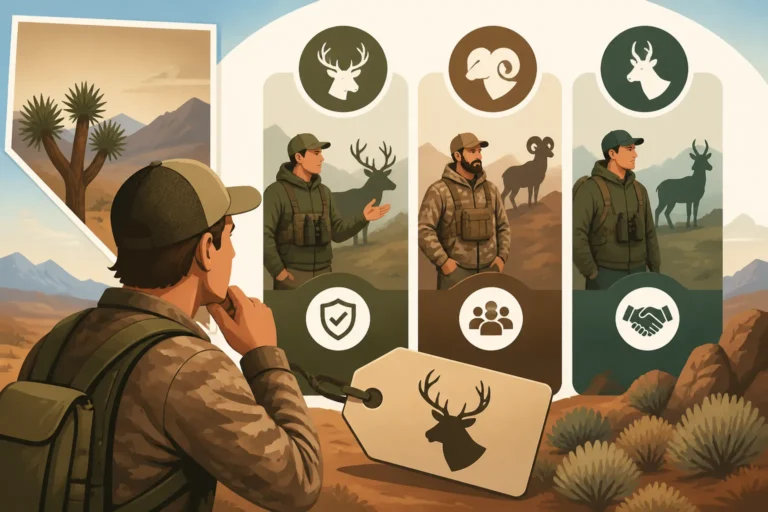
- Fully Guided Hunts (through a ranch or outfitter): This is where the costs really start to climb, but so does the level of service. In these scenarios, the ranch might run its own hunting operation, or it partners with an outfitter who leases the hunting rights. You're paying for a complete package that includes not only access to the private land but also professional guides, lodging, meals, and often game retrieval and field care. This is a popular option for nonresident hunters, or those seeking a higher success rate and a more comfortable experience. How an Outfitter Opens Private Nevada Ground is often through these types of arrangements.
Here's a quick look at how these common arrangements compare:
| Access Type | Services Included | Hunter Responsibility | Cost Expectation |
|---|---|---|---|
| Day/Trespass Fee | Land access | All hunting, scouting, logistics, gear | Lower (per day/animal) |
| Semi-Guided Lease | Land access, basic info (boundaries, hotspots) | Primary hunting, some logistics, gear | Moderate (per season/period) |
| Fully Guided Hunt | Land access, guide, lodging, meals, field care, etc. | Minimal (follow guide's lead, shoot) | Higher (all-inclusive package) |
Factors Influencing Ranch Access Costs
The price tag on private ranch access in Nevada isn't arbitrary; it's a reflection of many variables. Understanding these can help you anticipate costs and negotiate effectively. It's often not just about the acreage, but the quality of the hunting experience being offered.
Species and Trophy Potential
Let's be real: not all hunts are created equal, and neither are all animals. The species you're pursuing is probably the biggest determinant of cost. Nevada is known for its trophy mule deer and elk, and access to private land holding these animals will command a premium.
- Trophy Mule Deer: Access for a quality mule deer buck, especially in units known for big deer, will always be expensive. Ranches that consistently produce mature bucks, particularly during or after the rut, know the value of their resource. Expect these opportunities to be a significant investment, often reflecting the potential for a "buck of a lifetime." Why Late Seasons Produce Bigger Bucks often coincides with these prime private land opportunities.
- Elk: Nevada elk are truly special, and tags are incredibly difficult to draw. If a ranch has a strong elk population, especially one with trophy-class bulls, the access cost will be substantial. This is often the most expensive private land hunt you can book, second only to bighorn sheep. The allure of chasing a big bull without the pressure of a public land free-for-all is a powerful draw.
- Antelope: While still a fantastic hunt, antelope access tends to be less costly than deer or elk. Pronghorn thrive in open country, and while private lands can offer great spots, the sheer amount of public ground they inhabit makes private access slightly less critical in some areas. Still, a ranch with a strong population of mature bucks can command a good fee, especially if it allows for easier stalks or specific vantage points.
- Other Species: For upland birds like chukar, quail, or waterfowl, ranch access fees are generally lower and might be structured differently, such as a per-gun daily rate for a group. These hunts, while still valuable, don't carry the same trophy appeal as big game.
The bottom line is that the bigger the potential for a record-book animal, or even just a very good representative of the species, the more you can expect to pay for the privilege of hunting it on private land.
Duration and Services Included
Beyond the animal itself, what's bundled into the access agreement plays a huge role in the final cost. A simple day trespass fee is going to be vastly different from a week-long, all-inclusive guided hunt.
- Duration of Access: Are you paying for a single day, a weekend, a full week, or an entire season? Naturally, longer access periods will cost more. Some landowners might offer reduced rates for multiple days or for returning hunters. If you're looking for a short, targeted hunt, a day rate might be more economical. For a more expansive experience, a multi-day or seasonal lease would be appropriate, albeit more costly.
- Guiding Services: Is a professional guide part of the package? If so, you're paying for their expertise, their time, their equipment, and their knowledge of the property and the animals. This is a major value-add, especially for hunters unfamiliar with the terrain or the specific tactics required. A fully guided hunt will always be at the higher end of the spectrum.
- Lodging and Meals: Many ranches, especially those catering to guided hunts, will offer lodging (anything from rustic bunkhouses to comfortable guest cabins) and prepared meals. This takes a huge logistical burden off the hunter and adds to the overall experience, but it also adds significantly to the cost. If you prefer to camp on your own or stay in a nearby town, you can sometimes negotiate for access-only arrangements, which will be less expensive.
- Game Retrieval and Field Care: For larger animals, getting them from where they fall to the cooler is a major undertaking. If the ranch or outfitter provides assistance with game retrieval (e.g., ATVs, pack animals, or even just extra hands) and initial field care, that's a valuable service that will be factored into the price. This can be especially important in Nevada's rugged terrain where Packing an Animal Out of Roadless Country is a serious consideration.
Always get a clear, written understanding of what is and isn't included in any ranch access agreement. Surprises are rarely good when it comes to money and hunting.
Demand and Reputation
Like any other commodity, demand plays a significant role in pricing. If a ranch consistently produces big animals and offers a high-quality experience, word gets around. These operations can afford to charge more because there's a line of hunters willing to pay.
- High Demand Areas: Ranches situated in or adjacent to Nevada's premier big game units will naturally have higher demand and thus higher access fees. Hunters are often willing to pay a premium for access to areas known for their trophy potential or high success rates. Some ranches might be strategically located between major public land winter and summer ranges, making them critical pinch points for migrating animals.
- Ranch Reputation and Success Rates: A ranch that has a long-standing reputation for ethical hunting, good game management, and satisfied clients can command top dollar. Positive testimonials and high success rates for trophy animals are powerful marketing tools. Conversely, a newer operation or one with less proven results might offer slightly lower rates to attract clients. Before committing to any expensive access, it's wise to do your homework, ask for references, and look for reviews.
- Exclusive Access: Some ranches offer truly exclusive hunting access, meaning you might be the only hunter or group on a vast property for your entire hunt. This level of solitude and reduced pressure is highly desirable and will be reflected in the cost. This isn't just about killing an animal; it's about the entire experience of being in wild, unpressured country.
Platforms like BookYourHunt and resources from GoHunt can sometimes give you a sense of demand and reputation, as successful outfits tend to be listed or discussed more frequently.
Navigating the Financial Aspect of Ranch Access
The prospect of paying for private land access can feel like stepping into unknown territory, especially if you're used to hunting public land. It's important to approach this with a clear head, a budget, and a lot of questions. Remember, this is a significant investment, and you want to ensure you're getting value for your money.
How Costs Are Structured: Fees vs. Full Packages
Understanding how the costs are presented is the first step in budgeting. As we touched on earlier, this can vary widely.
- Flat Fees: This is often the simplest model for trespass or day access. You pay a set amount for a specific period or for the opportunity to hunt. This fee might be per hunter, per group, or per species. For instance, a landowner might charge a flat "trespass fee" for a deer season on their property, regardless of whether you harvest an animal.
- Per-Animal Fees (Trophy Fees): Some arrangements include a base access fee, plus an additional fee if you harvest an animal. This "trophy fee" might vary based on the size or species of the animal. For example, a ranch might charge a lower entry fee, but if you shoot a trophy buck, there's a significant additional payment. This model incentivizes the landowner to provide access to quality animals, but it can also lead to higher overall costs if you're successful. Always clarify if a trophy fee is based on gross score, typical vs. non-typical, or simply age class.
- All-Inclusive Packages: Common with guided hunts, these packages wrap everything—access, guide, lodging, meals, initial game care—into one price. While seemingly expensive upfront, they often provide excellent value by removing the stress of organizing multiple components. However, always confirm exactly what "all-inclusive" means. Does it include your The Nonresident Nevada Combination License Price or your specific tag? Usually not. Do taxes or gratuities add on top?
- Leasing Rates: For those looking to secure private land for an entire season or year, leasing is an option. This is typically a flat rate for a specific parcel of land, and it grants you exclusive hunting rights for the agreed-upon period. Leasing can be a substantial financial commitment, often running into many thousands of dollars, but it offers the ultimate control and flexibility. Leasing Hunting Ground in Nevada is a complex topic with its own set of considerations, often involving legal contracts.
Regardless of the structure, demand a clear, written agreement detailing all costs, what's included, and any conditions (e.g., harvest limits, weapon restrictions, guest policies).
Hidden Costs and Unexpected Expenses
It's easy to focus on the quoted access fee, but true costs often extend beyond that number. Being aware of potential hidden or unexpected expenses can save you from a nasty surprise.
- Gratuities/Tips: For guided hunts, tipping your guide and camp staff is customary and expected. This can add a significant percentage to your overall trip cost. Always budget for this, as it's a critical part of the guide's income. How Much to Tip a Hunting Guide is a question many first-timers ask, and it's something to factor in.
- License and Tag Fees: Your private land access fee almost never includes your state hunting license and species-specific tag. These are separate costs you'll need to account for. For nonresidents, A Nonresident Nevada Elk Tag Runs $1,200 and deer tags also carry significant costs.
- Travel and Logistics: Getting to the ranch, fuel for driving around, flights, vehicle maintenance, and unexpected repairs on remote Nevada roads are all costs to consider. Carrying Extra Fuel on a Nevada Hunt is essential, and that fuel isn't free.
- Meat Processing and Taxidermy: After a successful hunt, you'll need to pay for meat processing, and if you're keeping the trophy, taxidermy work. Shipping costs for meat, capes, and horns can also add up, especially if you're a nonresident. Most ranches or outfitters can offer referrals, but you'll foot the bill.
- Gear and Supplies: Don't forget the cost of good optics, appropriate clothing layers for Nevada's weather swings, ammunition, and other personal hunting supplies. While not directly part of the access fee, they are necessary for a successful hunt.
Always ask for a comprehensive breakdown of all potential costs, and don't be shy about asking about "what else might I need to pay for?"
Finding Value in Ranch Access Opportunities
While costs can be high, there are ways to find value and make private land access a more attainable goal. It's not always about finding the absolute cheapest option, but the one that offers the best return on your investment in terms of experience and opportunity.
- Off-Peak or Less Desirable Times: If a ranch offers multiple seasons, hunting during a less popular window (e.g., early archery when it's still hot, or late rifle after the rut) might come with a slightly lower price tag. While these might present different hunting challenges, they can still be incredibly rewarding. Nevada's August Archery Deer Season Opens the Year can be hot, but also productive.
- Group Rates: Hunting with a friend or a small group can sometimes allow you to split the cost of a lease or a guided package, making it more affordable per person. Always clarify the maximum number of hunters allowed with any agreement.
- Referrals and Long-Term Relationships: Building a relationship with a landowner or outfitter over time can sometimes lead to better opportunities or more favorable rates. Word-of-mouth referrals from trusted sources can also connect you with reliable operations that offer fair prices.
- Negotiation (Respectfully!): While not always possible with established outfits, for smaller private landowners, there might be some room for negotiation, especially if you're a returning client, or if you're offering to do some work in exchange for access (though this is less common for big game). Always be respectful and understand their needs.
- Look for Species Beyond Deer/Elk: If your primary goal is private land access but trophy deer or elk are out of budget, consider opportunities for antelope, or even upland birds. These can still offer fantastic experiences on private ground at a more accessible price point.
The best value isn't necessarily the lowest price; it's the right experience for your budget and hunting goals.
Resources for Finding and Vetting Ranch Access
Finding private ranch access isn't always as simple as a quick Google search. It often requires diligent research, networking, and a good dose of persistence. Knowing where to look and how to vet opportunities is key.
Online Platforms and Brokers
The internet has certainly made connecting hunters with landowners and outfitters much easier. Several platforms specialize in listing private land hunting opportunities.
- Online Hunting Booking Platforms: Websites like BookYourHunt aggregate listings from outfitters and landowners across the country, including Nevada. These platforms allow you to filter by species, location, services included, and often provide transparent pricing and availability. They act as a broker, streamlining the booking process. When using such platforms, pay close attention to reviews and what's explicitly stated in the package details.
- Outfitter Websites: Many Nevada outfitters who have secured private land access will advertise these opportunities directly on their own websites. A quick search for "Nevada guided deer hunt private land" or "Nevada elk ranch access" might lead you to these. Be sure to explore their entire site for details on their services, success rates, and available dates.
- Hunting Forums and Social Media Groups: While not always the most formal route, online hunting forums and dedicated social media groups for Nevada hunters can be a valuable source of information. You might find discussions about ranches offering access, or even direct connections with landowners. Always exercise caution and do your due diligence when pursuing leads found through less formal channels.
- Land Lease Websites: There are also websites dedicated specifically to connecting landowners with hunters interested in leasing property. These might be less common for single big game hunts in Nevada but could be an option for long-term arrangements.
When using any online resource, be wary of deals that seem too good to be true, and always verify information.
Direct Contact and Building Relationships
Sometimes, the old-fashioned way is still the best. Directly contacting landowners or networking within the hunting community can open doors that aren't advertised online.
- Knocking on Doors (Respectfully): While it might sound daunting, sometimes the most effective way to gain access is to simply ask. Drive around the units you're interested in, identify private land, and politely approach landowners. Have a clear, concise request, and be prepared to explain exactly what you're looking for (e.g., "Just looking for access to hunt deer with my archery tag, happy to pay a trespass fee"). Being respectful, dressed appropriately, and having a good attitude can go a long way. Remember Getting Landowner Permission in Nevada is often about trust and communication.
- Networking with Local Hunters: Talk to local hunters, especially those involved in conservation groups or local hunting clubs. They often have insights into which ranches might offer access or know landowners directly. Building these relationships takes time but can be incredibly rewarding.
- Attending Hunting Expos: Major hunting and outdoor expos often have outfitters and sometimes even landowners from Nevada in attendance. This is a great way to meet people face-to-face, ask questions, and gauge personalities. Meeting Outfitters at a Hunting Expo can give you a better feel for their operations than just an email.
- Local Businesses: Sometimes, local businesses in small Nevada towns (feed stores, general stores, diners) are hubs of information. The owners often know local ranchers and might be able to point you in the right direction.
When making direct contact, always be prepared to articulate your experience, your hunting ethics, and your willingness to follow all rules and regulations. A good impression is crucial. Remember that hunting on private land is a privilege, not a right, and treating the landowner and their property with the utmost respect is paramount. Tools like GoHunt can help you scout potential units and identify large private land parcels to target for your inquiries, allowing you to prioritize your efforts before you even hit the road.
Disclaimer
This article is for general informational purposes only and does not constitute professional advice. Laws, prices and regulations vary by location and change over time. Consult a qualified professional for guidance on your specific situation.