Preparing for Long Days in Open Terrain
Hunting Nevada's vast, open terrain means facing landscapes that can stretch for miles in every direction, dotted with sharp volcanic rock, unforgiving sagebrush, and deceptive elevation changes. It's a place where a "short walk" on the map can turn into an all-day epic, and the elements conspire to drain your energy faster than you'd believe. This guide will help you prepare your body, mind, and gear to not just endure, but excel during those long, challenging days spent chasing game across the Silver State.
Understanding the Nevada Landscape
Before you even start thinking about specific exercises or what gear to pack, it's crucial to truly grasp the unique environment you'll be venturing into. Nevada isn't like hunting timber in other states; it's a game of vastness, extremes, and often, brutal honesty about what you're capable of.
The Sheer Scale and Isolation
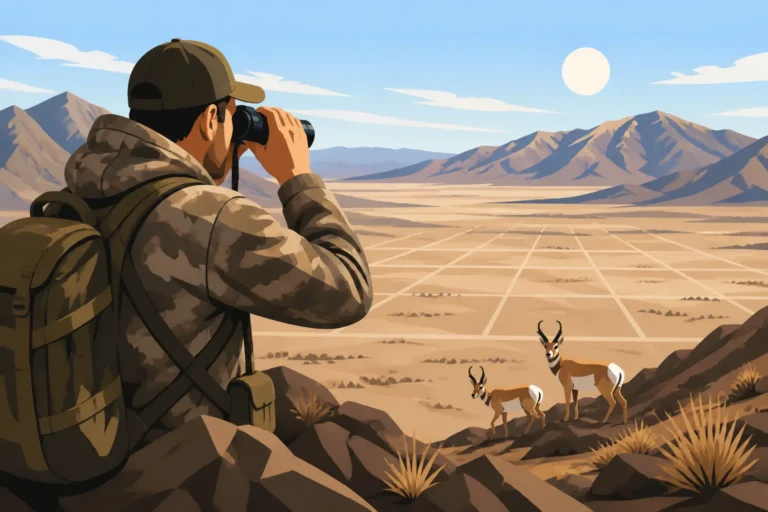
One of the biggest eye-openers for hunters new to Nevada is the sheer, overwhelming scale of the land. Our hunt units often span hundreds of square miles, and what looks like a manageable walk to a ridge on a map can easily become a 10-mile trek with no shade, no water, and no other human in sight. This isolation means self-reliance isn't just a good idea; it's a mandatory prerequisite. You can't just expect to "pop back to the truck" if you forget something or get tired. Everything you need for the day, and then some, needs to be on your back. The vastness also plays mind games, making distant features seem closer than they are, and constantly challenging your perspective on what "far" truly means. It's a humbling experience that forces you to respect the land's power and plan meticulously for every step.
Elevation Changes and Varied Terrain
While many picture Nevada as flat desert, anyone who's hunted here knows that's a wild misconception. We have the Basin and Range province, meaning endless cycles of mountains rising sharply from valley floors. You might start your day glassing a basin floor, only to find yourself scrambling up thousands of feet of gain to get eyes on a different range or make a stalk. The terrain isn't just steep; it's often a wicked mix of loose scree, sharp volcanic rock, and dense, unforgiving sagebrush that constantly snags at your boots and pack. Choosing boots for sharp volcanic rock isn't just about comfort; it's about durability and protecting your feet from constant abuse. Navigating these varied landscapes demands not just strength, but agility and a keen awareness of where you're stepping to avoid a twisted ankle miles from any help. The constant ups and downs, combined with the uneven footing, tax different muscle groups and make every mile feel longer.
Temperature Extremes and Sun Exposure
Nevada is famous for its desert heat, especially during early seasons like the August archery deer window or even some of the earlier elk hunts. Temperatures can easily soar into the triple digits, making heat management on an August archery hunt a top priority. But what often surprises folks is how quickly those temperatures can drop. A scorching 100-degree afternoon can turn into a frosty 30-degree morning. This wide swing means you're often layering for Basin and Range temperature swings throughout the day, constantly shedding and adding clothes. And then there's the sun. With high altitudes and rarely a cloud in the sky, the sun exposure is relentless. SPF, wide-brimmed hats, and protective clothing aren't optional; they're vital to prevent sunburn, heatstroke, and long-term skin damage. The dry air also dehydrates you faster than you might realize, which brings us to our next critical point.
Physical Preparation: Building the Engine
You wouldn't run a marathon without training, and a long day in Nevada's open country is often tougher than a marathon. Your body is your primary tool, and neglecting its preparation is setting yourself up for an early exit from the field.
Cardiovascular Stamina
The vastness of Nevada demands incredible cardiovascular fitness. You'll be walking, climbing, and sometimes even running, all at elevations that might be higher than you're used to. Building up your "wind" is paramount. Think long, sustained efforts, not just short bursts. Hill repeats, long hikes with a loaded pack, and trail running are your best friends. Aim for hikes that mimic your hunting days: several hours long, with significant elevation gain, and carrying the weight you expect to have in your pack. Focus on being able to maintain a steady pace for hours on end, rather than just being fast for a short distance. This kind of sustained effort builds the endurance needed to cover miles of Glassing Nevada's Basin and Range for Mule Deer country and still have enough left in the tank for a challenging stalk. Don't underestimate the impact of altitude either; if you're coming from sea level, even moderate elevations can feel like climbing mountains.
Strength and Core Stability
It's not just about cardio; strength is equally important, especially when navigating uneven terrain or if you're lucky enough to pack out an animal. Your legs, core, and back will take a beating. Lunges, squats, step-ups (especially with weight), and exercises that target your glutes and hamstrings will be critical for those uphill climbs and stable descents. A strong core provides stability, protecting your back from strain and helping you maintain balance on slippery or rocky ground. Remember, you're not just walking; you're often climbing over obstacles, side-hilling, or even crawling through brush. Incorporate exercises that challenge your balance and mimic the awkward movements you'll make in the field. This also includes the upper body strength needed to comfortably carry your pack, rifle, and optics power for Nevada's long sightlines for extended periods.
Pre-Season Training Regimen
Consistency is key when it comes to physical preparation. Don't wait until a month before your hunt to start. A good training regimen should ideally begin 3-6 months out, gradually increasing in intensity and duration. Incorporate a mix of cardio, strength, and flexibility. On average, aim for 3-5 dedicated workout sessions per week, with at least one long hike or "ruck" with a weighted pack. As you get closer to the season, try to do some of your training in conditions similar to what you'll encounter in Nevada – if possible, on trails with elevation gain, carrying your actual hunting pack with realistic weight. Pay attention to your feet during this phase; break in your boots properly and understand what works best for preventing blisters. This dedicated effort is truly part of preparing physically for long glassing days and the demanding nature of a Nevada hunt.
Mental Fortitude: The Unseen Muscle
Physical preparedness gets you there, but mental toughness keeps you going when your body screams "stop." Hunting in Nevada tests your resolve in unique ways, and cultivating mental strength is just as crucial as physical conditioning.
Developing Resilience and Patience
Nevada hunting is rarely a quick affair. You might put in days of hard hiking and glassing without seeing anything, or spot a buck miles away and spend hours, or even days, trying to close the distance. This requires immense patience and resilience. It's easy to get discouraged when the miles pile up and the game seems nonexistent. Developing the mental resilience to push through those slow periods, to keep glassing, to take one more ridge, is what separates successful hunters from those who quit early. Remember that every hour spent out there, even if it feels unproductive, is part of the experience and a lesson learned. Break down your goals into smaller, manageable chunks: "I'll glass this entire basin, then move to that next point." Or "I'll climb this next rise and see what's on the other side." This prevents the overwhelming feeling of the vastness from shutting you down.
Dealing with Frustration and Fatigue
Fatigue isn't just physical; it's mental, too. When you're tired, it's easier to make poor decisions, lose focus, or let frustration get the better of you. Learn to recognize the signs of mental fatigue and have strategies to combat it. This could be something as simple as taking a 15-minute break to eat a snack, rehydrate, and just sit and observe the landscape. Sometimes, a change of pace, like switching from active stalking to prolonged glassing, can help. It's also important to manage expectations. Not every hunt will be successful, and even on successful hunts, there will be tough moments. Accept that frustration is a natural part of the process, but don't let it define your experience. Reframe challenges as opportunities to learn and grow.
The Power of Positive Visualization
Many elite athletes use visualization, and it's a powerful tool for hunters too. Before your hunt, spend time mentally rehearsing positive scenarios: successfully navigating tough terrain, making a good stalk, making a clean shot, and even the arduous task of packing an animal out of roadless country. When you hit a tough spot in the field, recall these visualizations. See yourself successfully overcoming the obstacle. Visualize the feeling of accomplishment when you reach that distant ridge or finally locate an animal. This isn't about ignoring reality, but about training your mind to focus on solutions and maintain a winning mindset, even when things get difficult. It builds confidence and helps you push through moments of doubt.
Gear for Endurance: Beyond the Basics
Your gear can be your best friend or your worst enemy in Nevada's open country. Investing in quality, reliable equipment is non-negotiable for comfort, safety, and performance during those long days.
Footwear and Blister Prevention
Your boots are perhaps the single most important piece of gear. They need to be durable enough to withstand sharp rocks, supportive enough for uneven terrain, and comfortable enough for miles of walking. As mentioned earlier, choosing boots for sharp volcanic rock is a critical decision. Beyond the boots themselves, blister prevention is paramount. A good sock system, often involving a thin liner sock under a thicker wool sock, can make a huge difference. Carry moleskin, athletic tape, or specialized blister patches, and address hot spots immediately, not later. A single blister can derail an entire hunt. Consider waterproof options, even in arid Nevada, as you might encounter unexpected water crossings or early morning dew.
Layering Systems for Temperature Swings
Given Nevada's drastic temperature swings, a versatile layering system is essential. Forget bulky, single-purpose jackets. Think base layers (moisture-wicking, synthetic or merino wool), a mid-layer for insulation (fleece or puff jacket), and a reliable outer shell that's windproof and water-resistant. This allows you to adapt to everything from freezing mornings to scorching midday sun, ensuring you stay comfortable and avoid overheating or getting chilled. A lightweight rain shell is always a good idea, even if the forecast looks clear; desert storms can pop up unexpectedly. Don't forget a warm hat and gloves for cold mornings and evenings, and a wide-brimmed hat or neck gaiter for sun protection during the day.
Essential Navigation and Communication
Getting lost in Nevada's vastness is a serious concern, and cell coverage across Nevada hunt units is notoriously spotty. A reliable GPS device (like a Garmin inReach or a handheld GPS unit) is crucial, even if you're using a smartphone app like onX or GoHunt. These apps, especially GoHunt's mapping system, are fantastic for planning and in-field navigation, but they rely on phone battery and satellite signal for detailed maps. Always carry a physical map and compass as a backup, and know how to use them. A satellite messenger (like an inReach or Zoleo) is also highly recommended for emergency communication, allowing you to send messages even without cell service. Don't rely solely on technology; the basics of land navigation are vital. Make sure your batteries are charged and carry spares.
Nutrition and Hydration: Fueling the Effort
Your body is a machine, and like any machine, it needs proper fuel and cooling to perform optimally. In the demanding environment of Nevada, this means paying close attention to what you eat and drink.
Calorie-Dense, Packable Foods
Long days burn a lot of calories. You need food that is lightweight, calorie-dense, and easy to eat on the go. Think nuts, trail mix, jerky, energy bars (like Clif Bars or RXBARs), dried fruit, and even small packets of tuna or salmon. Avoid foods that are heavy, perishable, or require extensive preparation. Pack enough for not just the day, but a little extra in case you're out longer than planned. Eating small, frequent snacks throughout the day is often more effective than trying to eat one large meal, as it keeps your energy levels stable. Consider a few "comfort" foods too – a piece of chocolate or a favorite candy can be a huge morale booster when you're feeling depleted.
Water Carrying Capacity and Filtration
Hydration is arguably the most critical factor for endurance in Nevada. You'll be sweating more than you realize in the dry air, and dehydration can set in quickly, leading to fatigue, headaches, and impaired decision-making. You must carry more water you must carry on a desert day hunt than you think you need. A good rule of thumb is at least 1 liter every 2-3 hours of strenuous activity in mild conditions, increasing significantly in heat. This often means carrying 3-6 liters of water, sometimes more, depending on your planned route and access to refills. In addition to carrying sufficient water, a reliable water filter or purification tablets are essential. Knowing how to locate a guzzler from home and understanding how guzzlers concentrate desert game is key, but you should always be prepared to filter any water source you find, even if it looks clean.
Electrolyte Management
It's not just about water; it's about electrolytes. When you sweat, you lose essential salts that your body needs to function. Replenishing these electrolytes is crucial to prevent cramping and maintain proper hydration. Consider bringing electrolyte powders or tablets (like Liquid IV, Nuun, or LMNT) to add to your water. These can make a huge difference in how you feel at the end of a long day, especially in hot conditions. Don't wait until you're already cramping or feeling lightheaded; start supplementing your electrolytes proactively, especially if you anticipate a particularly strenuous or hot day.
Strategic Planning: Optimizing Your Days
Even the best physical preparation won't make up for poor planning. Smart strategy allows you to maximize your effort, conserve energy, and increase your chances of success in Nevada's challenging environment.
E-Scouting for Efficiency
Long before you set foot in your hunt unit, invest significant time in e-scouting. Tools like GoHunt's advanced mapping features, satellite imagery, and topographic maps are invaluable. You can identify potential water sources, learn about the terrain, pinpoint likely bedding areas, and plan your approach routes – all from the comfort of your home. This allows you to hit the ground running, rather than spending precious hunting time figuring out basic logistics. A detailed e-scouting a Nevada unit before the season strategy includes looking for rims, draws, and other terrain features that might hide an approach in open country, or potential escape routes for game. Using public land layers and studying access points can save you miles of wasted walking.
Pacing Yourself for the Long Haul
It's tempting to blast out of the truck on opening morning, full of adrenaline, but that's a recipe for burnout by midday. Learn to pace yourself. Start slow, especially on uphill climbs, and find a sustainable rhythm. Your goal is to keep moving efficiently, not to sprint. Take short, strategic breaks to glass, rehydrate, and snack. When you spot an animal, don't immediately rush; take a moment to assess the situation, plan your stalk, and catch your breath. Remember that you need to conserve enough energy not just for the stalk, but for the pack-out, which can be even more physically demanding. Understanding reading a Nevada hunt unit before you apply will give you a better grasp of the overall terrain and how to plan your daily expeditions.
Making the Most of Mid-Day Lulls
In many parts of Nevada, game animals, especially deer and elk, will often bed down during the hottest parts of the day. This can feel like a lull, but it's actually an opportunity. Instead of heading back to camp or sitting idly, use this time wisely. This is prime time for sustained glassing from a high point, systematically picking apart distant slopes and shadows where bedded animals might be hiding. It’s also an excellent time to re-evaluate your plan, refill water, or make a quiet move to a new vantage point. If you’ve spotted an animal, this is when you might begin a slow, deliberate stalk, taking advantage of the animal's stationary position. Even if you're not seeing game, this mid-day period is when you can gather critical information that might pay off in the cooler hours of morning and evening.
| Essential Gear Category | Key Items | Importance for Long Days | Considerations |
|---|---|---|---|
| Footwear | Boots | Comfort, Support, Protection | Fully broken-in, sturdy ankle support, waterproof/resistant |
| Socks | Blister Prevention | Merino wool, liner socks, multiple pairs | |
| Hydration | Water Reservoir/Bottles | Sustained Energy, Health | Minimum 3-6 liters capacity, easily accessible |
| Water Filter/Purifier | Emergency Water Access | Lightweight, reliable, fast flow rate | |
| Electrolyte Mixes | Replenish Salts, Prevent Cramps | Powders or tablets, easy to mix | |
| Navigation | GPS Device (Handheld/Phone) | Route Finding, Location Tracking | Download offline maps, extra batteries/power bank |
| Map & Compass | Backup Navigation | Waterproof map, know how to use them together | |
| Satellite Messenger | Emergency Communication | Essential for areas without cell service | |
| Layering | Base Layer | Moisture Wicking | Merino wool or synthetic, long sleeve |
| Mid Layer | Insulation | Fleece or lightweight puffy jacket | |
| Outer Shell | Wind/Water Protection | Breathable, durable, packable | |
| Hat (Warm) | Heat Retention | Beanie or similar for cold mornings | |
| Hat (Brimmed) | Sun Protection | Wide brim, light color | |
| Fuel | High-Calorie Snacks | Sustained Energy | Jerky, nuts, bars, dried fruit, easily digestible |
| Emergency Food | Unexpected Delays | Small, calorie-dense bar, non-perishable | |
| Safety/Misc. | First Aid Kit | Injuries, Blisters | Comprehensive, tailored to wilderness |
| Headlamp/Flashlight | Low Light Visibility | Bright, extra batteries, red light option | |
| Knife/Multi-tool | Field Tasks, Emergencies | Sharp, reliable | |
| Sunscreen | Skin Protection | High SPF, waterproof |
Disclaimer
The information provided in this guide is for general informational purposes only and does not constitute professional advice. Hunting regulations and conditions can change rapidly. Always consult the latest Nevada Department of Wildlife (NDOW) regulations and local weather forecasts before planning any hunt. Hunting is an inherently risky activity; prepare thoroughly and hunt safely.