Using a Decoy on Nevada Pronghorn
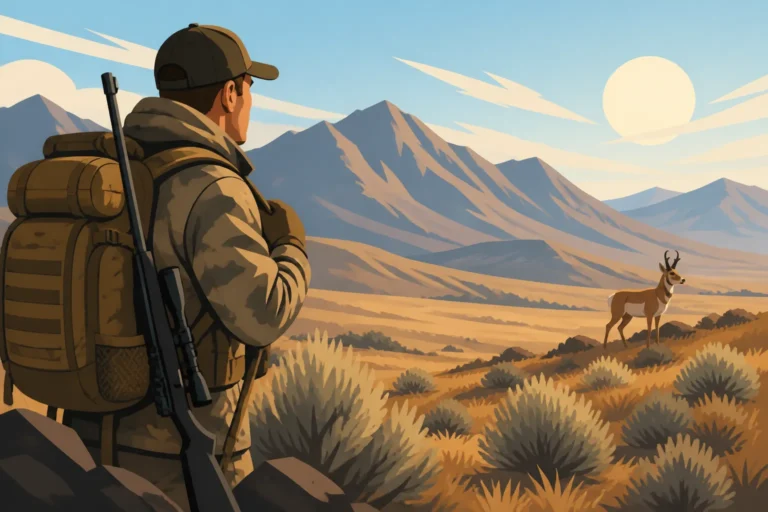
Trying to close the distance on a Nevada pronghorn across those wide-open flats can feel like an impossible task. One minute you're creeping along, thinking you've got the perfect angle, and the next, those keen eyes have spotted you from a mile away, and they're gone in a blur of tan and white. It's incredibly frustrating, and it's a common story for anyone who's hunted these speed demons. This guide will walk you through how to use a decoy effectively on Nevada pronghorn, turning what often feels like a cat-and-mouse game into a strategic encounter.
The Allure and Limitations of Pronghorn Decoys in Nevada
Pronghorn are an incredibly unique big game animal, perfectly evolved for their wide-open, high-desert habitat. Their eyesight is legendary, often compared to that of an 8x binocular, and they use it to scan vast distances for potential threats. This is precisely why a traditional spot-and-stalk approach is so challenging on these animals – you almost always get busted long before you're in range. This is where the concept of a decoy comes into play, aiming to exploit their territorial and curious nature, especially during the rut.
The allure of a decoy lies in its ability to present a non-threatening, or even challenging, image to a pronghorn buck. During the late summer and early fall, bucks are highly territorial and will actively defend their harems and preferred breeding grounds from rivals. A buck decoy, particularly, can trigger an aggressive response, drawing the dominant buck in to investigate or confront the perceived intruder. Even a doe decoy can pique their curiosity, sometimes bringing them closer for a better look.
However, it's crucial to understand that decoys aren't magic. Nevada's pronghorn are still incredibly wary, and there are specific conditions under which a decoy is most likely to succeed, and times when it might actually hinder your efforts. For instance, high winds can make controlling a handheld decoy difficult and unnatural, while flat, featureless terrain offers no cover for your approach, making you a two-headed monster even with a well-placed decoy. It's also important to remember that not every buck will react the same way. Some will charge in, others will skirt around, and some will simply watch from a safe distance before losing interest. Understanding this variability is key to managing expectations and adapting your strategy.
Choosing and Rigging the Right Pronghorn Decoy
Selecting the right decoy and preparing it for the field is more than just grabbing the first plastic cutout you see. Pronghorn, with their incredible vision, will notice unnatural shapes, movements, or colors. You need something that looks convincing and is easy to deploy and manage in the field.
Types of Decoys and Their Best Use Cases
There are generally two main categories of pronghorn decoys: the 2D silhouette and the 3D full-body decoy. Within these, you'll find variations like buck, doe, and even fawn decoys, each with its own advantages.
- 2D Silhouettes: These are typically flat, lightweight cutouts that depict a pronghorn. They are incredibly portable, often folding up for easy carry in a backpack. Their main advantage is their ease of deployment and minimal weight. They're excellent for run-and-gun situations or when you need to cover significant ground. The best 2D decoys are printed with realistic colors and details, mimicking the striking black, white, and tan patterns of a real pronghorn. Some even incorporate mesh windows for the hunter to see through or shoot over. Brands like Ultimate Predator Gear's Stalker series are popular for their mobility.
- 3D Full-Body Decoys: These offer a much more realistic presentation, often made from flexible foam or inflatable materials that create a lifelike shape. Their realism can be a significant draw, especially for more wary or pressured animals. However, they are bulkier and heavier, making them less ideal for long stalks or covering vast distances. They're often better suited for setting up in a fixed position, like near a water source or a known travel corridor, and waiting for the animals to come to you.
- Buck vs. Doe Decoys: A buck decoy is generally used to challenge a dominant buck, especially during the rut. The idea is to make him believe a rival is encroaching on his territory, spurring him to investigate. A doe decoy, on the other hand, relies more on curiosity or can be used to draw in a lone buck looking for a mate. Some hunters even combine a buck and doe decoy to create a more compelling, natural scene. Fawn decoys are rarely used in pronghorn hunting.
Essential Rigging and Setup Considerations
Beyond the decoy itself, how you rig and carry it is paramount to success. Most handheld decoys are designed to attach to your bow or rifle, allowing you to peek around it and shoot from behind its cover.
- Attachment Systems: Look for decoys with robust, quick-attach systems. Magnetic or bungee attachments are common, allowing you to quickly deploy or retract the decoy as needed. You want something secure enough that it won't flap in the wind but easily detachable if you need to ditch it for a quick shot.
- Mobility: The beauty of a handheld decoy is its mobility. You're not just setting it up and waiting; you're moving with it. This means the decoy needs to be lightweight and relatively compact when folded or carried. Think about how it integrates with your pack and weapon. Can you quickly transition from carrying to deployment?
- Wind Management: Nevada is synonymous with wind. A floppy decoy that spins uncontrollably in the breeze will look unnatural and quickly spook educated pronghorn. Some decoys incorporate internal stiffeners or external stakes to help maintain their shape. Practice handling your decoy in varying wind conditions to understand its limitations.
- Hunter Integration: Many decoys have integrated mesh viewing windows or shooting ports. This is critical. You need to be able to see the approaching pronghorn clearly and set up your shot without exposing yourself. Practice shooting from behind your decoy at various angles and distances to ensure you're comfortable and accurate.
| Decoy Type | Advantages | Disadvantages | Best Use Cases |
|---|---|---|---|
| 2D Silhouette | Lightweight, portable, quick deployment | Less realistic, can fold in strong winds | Active stalking, run-and-gun, bowhunting close-ups |
| 3D Full-Body | Highly realistic, strong visual appeal | Bulky, heavier, slower to deploy | Ambush hunting (waterholes), fixed setups |
| Buck Decoy | Triggers aggressive response in dominant bucks | Can be ignored by lone bucks or does | During the rut, challenging territorial bucks |
| Doe Decoy | Appeals to curiosity, less aggressive | May not draw in dominant bucks as strongly | General curiosity, drawing in lone bucks |
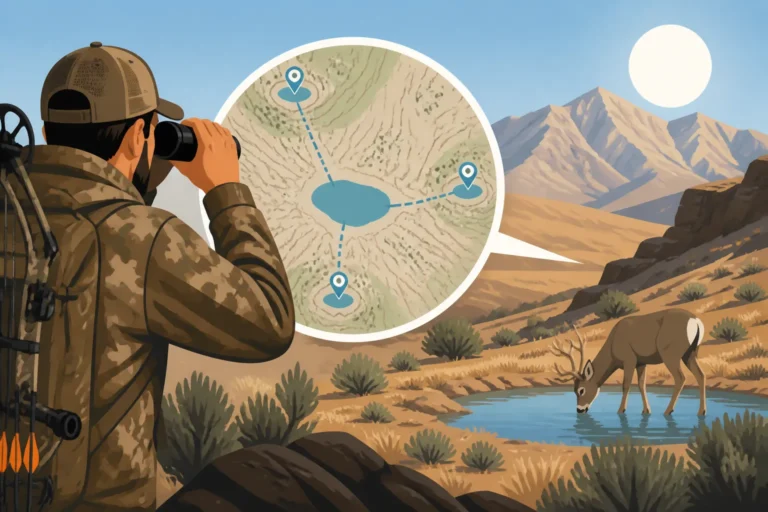
When planning your hunt, consider using a mapping tool like GoHunt to scout potential areas where pronghorn concentrate. Look for open valleys with good visibility, but also subtle terrain features like draws or low ridges that could provide some cover for your initial approach before you deploy the decoy. This dual strategy of e-scouting and decoy choice maximizes your chances.
Mastering the Decoy Approach and Stalk
The art of using a pronghorn decoy isn't just about having the right gear; it's about the execution. The approach, the reading of the animal, and the moment you commit to the shot are all critical. This is where your fieldcraft truly shines, or unfortunately, where things can fall apart.
The Initial Spot and Strategy
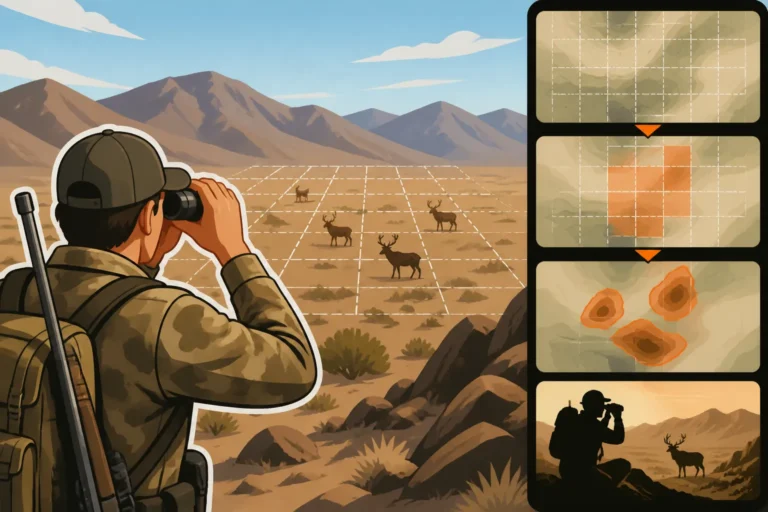
Before you even think about deploying a decoy, you need to find your target. Nevada's vast expanses mean you'll be doing a lot of glassing. Use your optics to Spotting Scope Power for Open Country to locate a buck you're interested in, paying close attention to his behavior and the general direction he's moving or holding. Once spotted, take a moment to assess the terrain, wind direction, and any potential cover for your approach.
Your goal with a decoy is not to eliminate the stalk entirely, but to shorten the critical "danger zone" where you're most likely to be busted. Plan your initial approach using natural terrain features, even if they're subtle, to get as close as possible without being seen. This might mean crawling through shallow depressions or using the slight rise of a knoll. Remember, Terrain That Hides an Approach in Open Country is your best friend. Get to within 300-600 yards if possible before even thinking about the decoy.
Deploying the Decoy and Initiating the Call
Once you've closed the distance as much as possible with traditional stalking methods, it's time for the decoy. This is a critical moment. You want to deploy the decoy smoothly and deliberately, without any sudden movements that could catch the pronghorn's eye.
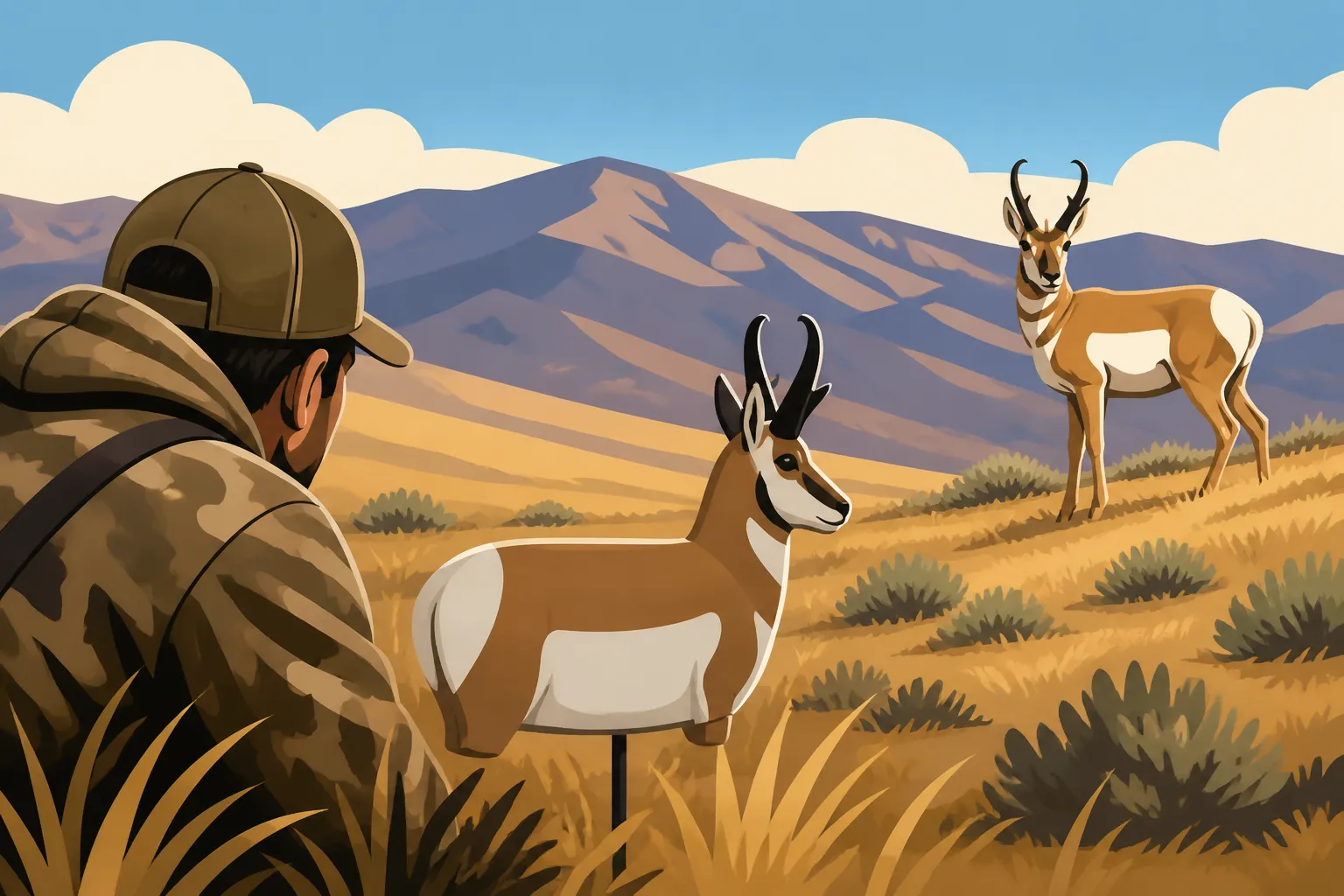
- Positioning: If using a handheld decoy, position it so it effectively breaks up your human outline. You should be behind it, peering over or through a viewing port. If you have a partner, one person can hold the decoy while the other prepares for the shot, or one person can stalk with the decoy while the other provides cover and calls the shot.
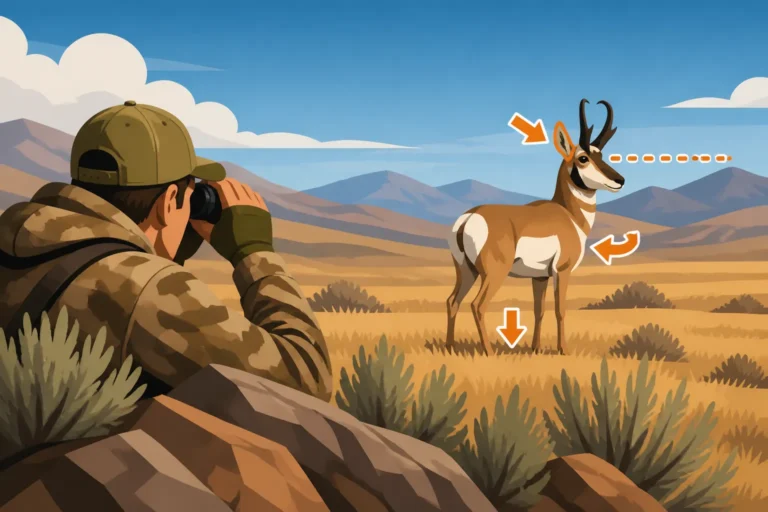
- Reading the Reaction: As you slowly advance, watch the pronghorn's body language. A buck that is interested will often stop feeding, stare intently at the decoy, and may even start to walk stiff-legged toward it, trying to assert dominance. He might flare his white rump patch as a warning or challenge. Pay close attention to Reading Antelope Body Language on a Stalk – this will tell you if your plan is working.
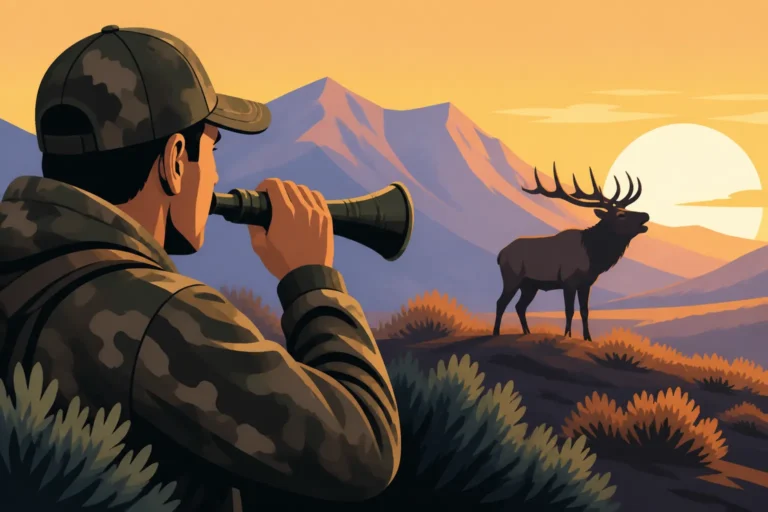
- Sound and Movement: Sometimes, a subtle wave or shimmer of the decoy can draw attention. A few soft grunts or bleats with a call can also add realism, especially if using a buck decoy to challenge a territorial animal. However, use calls sparingly and subtly; too much noise can spook them.
- Wind is Your Master: Always keep the wind in your favor. Pronghorn have a decent sense of smell, and while their eyesight is primary, a waft of human scent will send them scattering. You need to be downwind or crosswind of your target, always. Understanding Reading Wind on a Long Sage Stalk is non-negotiable for success.
Closing the Distance and Taking the Shot
As the pronghorn approaches, your heart will be pounding, and this is where many hunts get messed up. Maintain slow, deliberate movements. If the buck stops or looks like he's losing interest, you can try a very slow, subtle advance or another soft call.
- Patience is Key: Don't rush the shot. Wait for the pronghorn to come into your comfortable range. For bowhunters, this means waiting for him to commit to within How Close a Bowhunter Needs to Get on Mule Deer (often 40-60 yards for pronghorn, if you're good). For rifle hunters, use the decoy to get well within your ethical shooting range, perhaps 100-200 yards, rather than taking a long-range poke.
- Managing the Stalk: If the buck is circling, try to pivot with the decoy, always keeping it between you and the animal. If he comes in hard, be ready. There will often be a moment when he commits, either to investigate or to run, and that's your window.
- Shot Opportunity: Once he's in range and offers a clean, ethical shot, take it. The decoy's job is done. Quickly transition from holding the decoy to aiming your weapon. This is why practice with your specific setup is vital.
- Persistence: Sometimes, a buck will hang up just out of range, or simply turn and trot away. Don't get discouraged. This is part of hunting pronghorn. Re-evaluate your approach, try to reposition, or move on to find another animal. The plains of Nevada are vast, and there are often more opportunities. Consider Hunting the Post-Rut Migration for Big Bucks if you're hunting later in the season, as buck behavior can change.
Practical Considerations and Ethical Hunting
Using a decoy adds an exciting dimension to pronghorn hunting, but it also comes with a responsibility to hunt safely and ethically. Nevada's open landscapes mean you're often not alone, and visibility can stretch for miles.
Safety First: Identifying Your Target and Surroundings
The most critical safety concern when using a decoy, especially a realistic one, is other hunters. In open country, it's possible for another hunter to see your decoy from a great distance and mistake it for a live animal, or even mistake you for a game animal if you're not careful.
- Visibility: Always wear plenty of blaze orange when you are not actively stalking with the decoy deployed. When you are moving with the decoy, you are essentially camouflaged, which means other hunters might not see you. It's a calculated risk you take. Some hunters will wear blaze orange on their backs or only deploy the decoy when they are certain they are the only hunters in the immediate vicinity.
- Target Identification: Before you ever draw an arrow or raise a rifle, positively identify your target. Ensure it's a legal buck (if that's what your tag allows) and that there are no fences, roads, or other hunters behind it. You need to know what's beyond your target.
- Communication: If hunting with a partner, establish clear communication signals. Who holds the decoy? Who shoots? What's the plan if another hunter appears? Two-way radios are legal and invaluable for safety and strategy when hunting with a partner in Nevada.
Legalities and Regulations
Always consult the latest Nevada Department of Wildlife (NDOW) regulations before your hunt. While decoys are generally legal for pronghorn in Nevada, there might be specific restrictions or areas where they are prohibited. It's your responsibility to know the rules. Pay close attention to the specific unit regulations as well. The best place to check is the current Where the Current Nevada Regulations Are Posted document.
Practice Makes Perfect
Just like practicing your shooting, you need to practice with your decoy.
- Deployment Drills: Practice setting up and taking down your decoy quickly and quietly. Can you do it in the wind? Can you do it while prone or kneeling?
- Stalking Practice: Work on slow, deliberate movements while holding the decoy. Practice transitioning from a stalk to a shooting position. The more natural your movements, the more convincing the decoy will be.
- Shooting Angles: If your decoy has a shooting window or allows you to shoot over it, practice shooting from those positions to ensure your point of impact doesn't change due to a change in your form or anchor point.
Knowing When to Hang It Up
Not every situation is ideal for a decoy. If the pronghorn are heavily pressured, if the terrain is too open to offer any initial cover, or if the wind is simply too strong to manage the decoy effectively, it might be best to try a different tactic. Sometimes, just sitting near a water source, such as those found while Sitting Water on a Nevada August Hunt, or using a traditional spot and stalk approach (even if more challenging) is the better choice. Preparing Physically for Long Glassing Days is always good advice, regardless of your chosen method, as patience and perseverance are key to success in Nevada.
Using a decoy on Nevada pronghorn can be a thrilling and highly effective method, but it demands patience, practice, and a keen understanding of both the animal and your surroundings. When executed well, it can turn a difficult hunt into an unforgettable close-range encounter.
Disclaimer
The information provided in this guide is for general informational purposes only and does not constitute legal advice. Hunting regulations, seasons, and licensing requirements can change rapidly. Always consult the official Nevada Department of Wildlife (NDOW) regulations and local authorities before planning any hunting trip. Ensure you understand and comply with all applicable laws and safety guidelines.