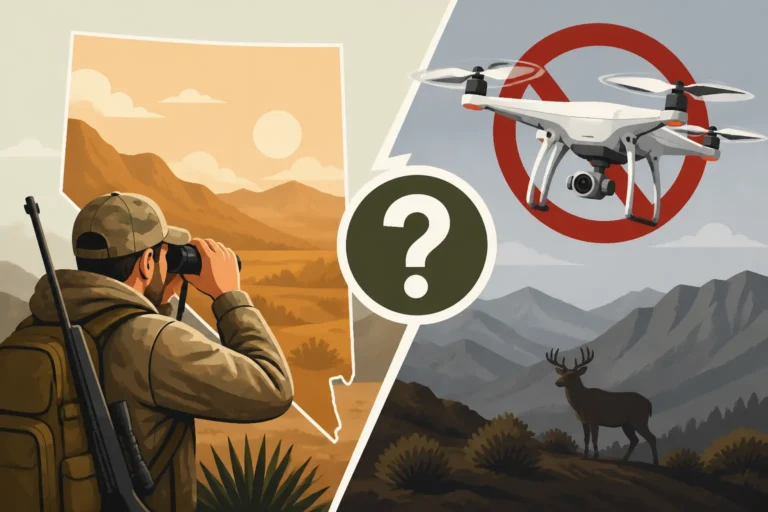
Is Blaze Orange Required for Archery Hunting?
Oh, the age-old question that gets kicked around every campfire, right? Whether you're a seasoned bowhunter or just getting into the swing of things in the Silver State, the rules around blaze orange can feel like a moving target. Many folks, especially those coming from states with stricter, across-the-board requirements, find themselves scratching their heads when it comes to Nevada's unique approach to hunter visibility. This guide is here to untangle that knot, specifically addressing whether blaze orange is required for archery hunting in Nevada, so you can focus on the hunt, not the regulations.
Understanding Nevada's Blaze Orange Mandates
Let's just get this out of the way upfront: Nevada's rules on blaze orange are not a blanket mandate. This often causes confusion, and honestly, it's a valid frustration. You want to be safe, you want to be legal, and you don't want to get a ticket or, worse, put yourself or others at risk because you misinterpreted a regulation. The general idea behind blaze orange, across almost every state, is safety—plain and simple. It's about making hunters highly visible to other hunters, reducing the chance of misidentification as game, especially in areas with dense cover or during rifle seasons where more hunters might be in the field.
The Rationale Behind Blaze Orange Regulations
Think about it: a hunter wearing earth tones or camouflage can easily blend into the landscape. That's great for getting close to game, but not so great when another hunter might mistake movement for a deer or an elk. Blaze orange, with its incredibly bright and unnatural hue, screams "human!" to anyone with eyes. This is particularly crucial during rifle seasons when shots can travel further, and the hunting pressure can be higher. The goal is to create a clear, unmistakable visual signal that prevents tragic accidents. It's a proactive measure, a visual fence to separate people from animals in the eyes of another hunter. This focus on high visibility aims to make every hunter distinct, thereby minimizing the risk of a person being mistaken for game, especially in low light or dense cover.
General Rules for Rifle and Muzzleloader Seasons
While our main focus here is archery, it's really important to understand the general rules because they provide context. For most general rifle deer and elk seasons in Nevada, you are required to wear blaze orange. The Nevada Department of Wildlife (NDOW) regulations typically state that you need to wear at least 400 square inches of solid fluorescent orange on your head, chest, and back. This usually translates to a blaze orange hat and a vest. It's not about being fashionable; it's about meeting a specific safety threshold. For instance, during the Nevada Elk Rifle Hunts Stretch From October Into December, you'll see almost everyone decked out in their brightest orange. Even some specialized seasons, like muzzleloader hunts, often have blaze orange requirements, though sometimes with slightly different specifications. The core principle remains: if you're carrying a firearm that shoots a projectile a long distance, especially when other hunters are likely to be in the area, high visibility is paramount. Always check the current regulations for Legal Shooting Hours and Blaze Orange in Nevada for the most up-to-date details.
Blaze Orange and Archery Hunting in Nevada
Now, let's get to the heart of the matter for you bowhunting enthusiasts. Does Nevada demand you wear blaze orange when you're out there with your bow? This is where Nevada diverges from many other states and where the confusion often lies. The good news for bowhunters who prioritize stealth and camouflage is that, generally speaking, the answer is no.
Nevada's Specific Exemption for Bowhunters
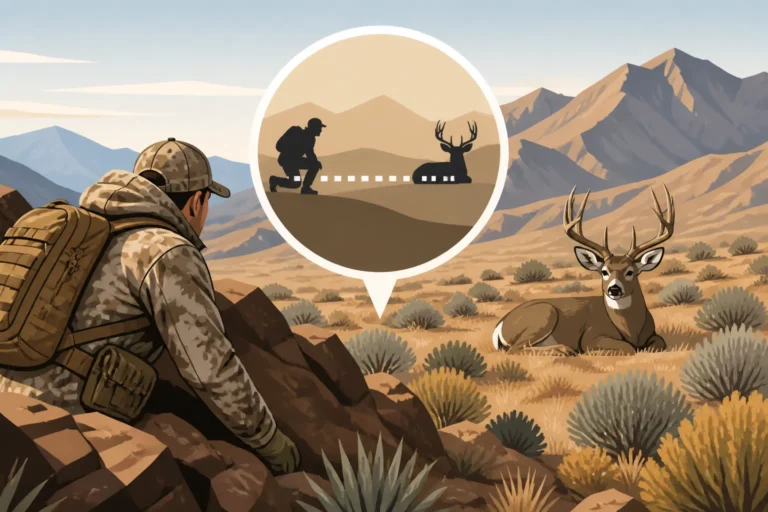
Here’s the straight dope: Nevada does not legally require you to wear blaze orange while archery hunting for big game. This exemption is explicitly laid out in the NDOW regulations. Whether you're pursuing mule deer during Nevada's August Archery Deer Season Opens the Year or chasing elk in the high country, you are generally free to wear your full camouflage. The rationale here ties into the nature of bowhunting itself. Archery hunting typically demands much closer distances to game. You're trying to blend into your surroundings, become part of the environment, and remain undetected for that crucial shot opportunity. A bright blaze orange vest would, in most cases, completely defeat that purpose. Many states understand this distinction and offer similar exemptions for bowhunters, recognizing that the tactics and effective ranges of archery equipment are vastly different from those of rifles. This applies during the primary archery-only seasons. You can confirm these details by checking the official NDOW regulations or using reliable tools like the GoHunt app, which often has up-to-date summaries of state-specific hunting laws.
When Archery Seasons Overlap with Other Weapon Types
This is where things can get a little nuanced, and it's super important to pay close attention. While blaze orange isn't required for archery hunting itself, Nevada's hunting calendar can sometimes present overlapping seasons. What if you're bowhunting for deer, but there's a muzzleloader or even a junior rifle hunt for another species happening concurrently in the same unit? Or, perhaps your archery deer season extends into a period when a general rifle deer season is also open, even if you are restricted to archery equipment?
In these specific scenarios, while the law might still exempt you as an archery hunter from wearing blaze orange, common sense and safety become your most important guides. If you know rifle hunters are in the area, or if you're Hunting the Post-Rut Migration for Big Bucks and other weapon types might be in the field, it's wise to consider increased visibility. You don't want to rely solely on another hunter's ability to identify you. While you might be focused on your deer, a rifle hunter might be focused on theirs. During periods where there's a higher density of hunters using different weapon types, especially those with longer ranges, voluntarily wearing some blaze orange when you're moving through non-hunting areas (like roads or trails) or when packing out game is a really smart, ethical choice. It's about being a responsible hunter and looking out for everyone's safety, even if the law doesn't explicitly demand it of you in that moment.
Practical Considerations and Personal Safety Beyond the Law
So, the law says you don't have to wear blaze orange as a Nevada bowhunter. Great for stealth! But, as a veteran lifestyle blogger for Nevada hunting, I can tell you that following the letter of the law is one thing; hunting smart and safely is another. There are definitely times when choosing to wear blaze orange, even when not legally required, is just plain good judgment. This isn't about regulations; it's about risk management and being a good steward of the hunting tradition.
Choosing to Wear Blaze Orange for Increased Visibility
Picture this: you've just arrowed a beautiful mule deer deep in the backcountry, and now you're facing the arduous task of getting it out. It's nearing dusk, and you're hiking back to your truck across open sage flats, maybe even crossing a dirt road. You're tired, focused on the heavy load, and not necessarily scanning for other hunters. This is precisely a scenario where throwing on a blaze orange vest over your pack, or even just a blaze orange hat, can be a game-changer.
Other scenarios include:
- Walking to or from your hunting spot in low light: Dawn and dusk are prime hunting times, but they're also when visibility is poorest.
- Moving through dense cover: If you're still-hunting through thick junipers or pinyon pines, your visibility is already compromised.
- Hunting with partners who are using different weapons: If your buddy is rifle hunting for coyotes while you're stalking deer, make sure they can see you clearly.
- During game retrieval: When you're bent over, gutting an animal, or dragging it out, you're not in a "hunting" posture. Making yourself highly visible during this process can prevent accidents.
- Inclement weather: Fog, snow, or heavy rain can drastically reduce visibility. Blaze orange cuts through these conditions much better than camo.
The benefits here are pure peace of mind. You’re not making yourself vulnerable, and you’re actively participating in the safety of the entire hunting community. It's a small inconvenience for a huge potential benefit.
Other Safety Gear for Archery Hunters
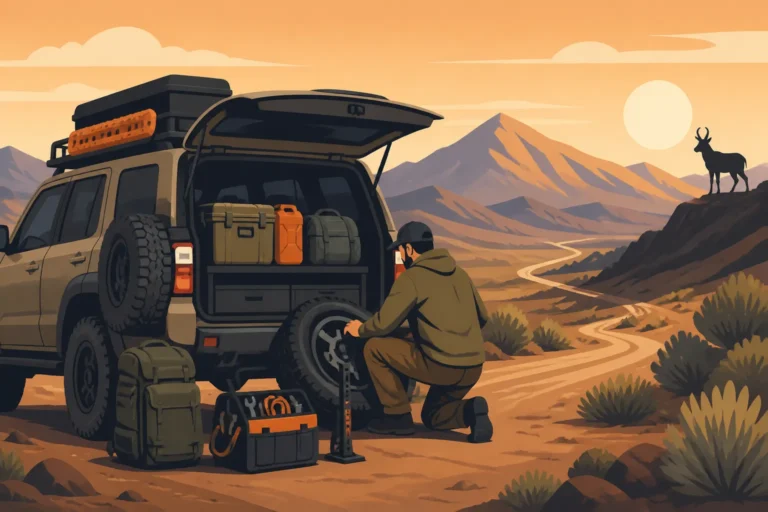
Blaze orange is just one piece of the safety puzzle. As bowhunters, we often push deeper into remote country, requiring us to be even more self-reliant. Beyond the choice of wearing blaze orange, consider these critical items and practices:
- GPS and maps: Always know exactly where you are and where you're going. Devices like the Garmin inReach or dedicated hunting apps like GoHunt with their mapping features are indispensable for E-Scouting a Nevada Unit Before the Season and real-time navigation.
- Reliable communication: Cell service is sparse in much of Nevada. A satellite messenger is a lifeline for emergencies.
- First aid kit: A well-stocked kit is non-negotiable for any backcountry hunt.
- Plenty of water and emergency food: Nevada is dry. Prepare for Preparing for Long Days in Open Terrain by carrying more water than you think you'll need.
- Animal packing supplies: If you get an animal down, you'll need game bags, a good knife, and a plan for Packing an Animal Out of Roadless Country to keep the meat cool and clean.
- Tell someone your plan: Always let a non-hunting friend or family member know exactly where you're going, when you expect to return, and what your backup plan is.
| Weapon Type | Blaze Orange Requirement (Nevada) | Primary Rationale | Typical Seasons |
|---|---|---|---|
| Archery | Not legally required | Prioritizes stealth for close shots | August-September (Deer/Elk), some late seasons |
| Muzzleloader | Often required | Enhanced safety, longer range weapon | Specific short windows (e.g., September deer) |
| Rifle | Legally required (400 sq. inches) | High visibility for long range, higher hunter density | October-December (Deer/Elk) |
Navigating Regulations and Staying Informed
Navigating hunting regulations can feel like trying to hit a moving target sometimes. Laws change, seasons shift, and it’s easy to get caught off guard if you’re not diligent. For Nevada hunters, especially those traveling from out of state or new to the sport, staying informed is not just good practice—it's essential for a safe, legal, and successful hunt.
Official NDOW Resources and Hunt Guides
The absolute best and most authoritative source for Nevada hunting regulations is, without question, the Nevada Department of Wildlife (NDOW) itself. They publish a comprehensive "Nevada Big Game Seasons and Application Guide" annually. This guide details everything from season dates and unit boundaries to specific weapon requirements and, yes, blaze orange mandates. You can usually find these guides online on the NDOW website, or pick up a physical copy at license vendors and NDOW offices.
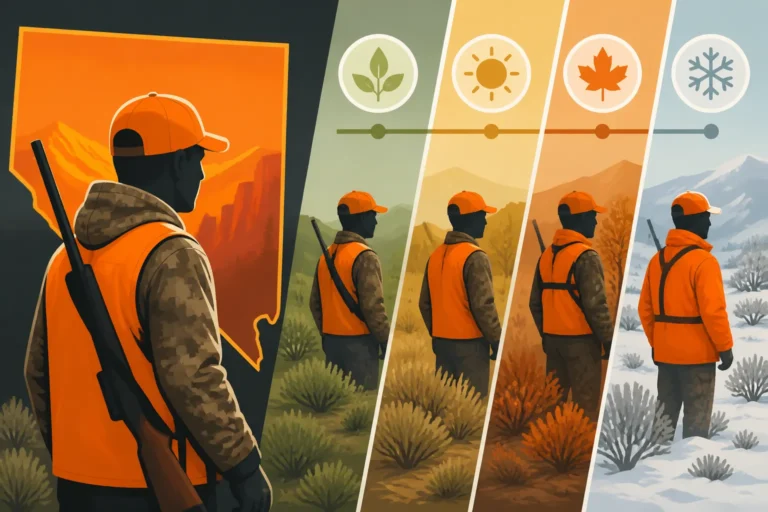
I can't stress this enough: always read the current year's regulations thoroughly. Don't rely on what you remember from last year, or what your buddy told you. Regulations are dynamic, and slight changes can have significant impacts. Pay close attention to the sections on Blaze Orange Requirements Through the Season to see if any specific hunt codes or units have unique stipulations. Understanding how to interpret what you're reading, especially when it comes to Reading a Nevada Hunt Unit Before You Apply, will save you headaches in the long run.
Leveraging Digital Tools for Regulation Updates
In today's digital age, hunters have incredible resources at their fingertips that can help supplement official NDOW documents. Apps like GoHunt have revolutionized how hunters research and plan their trips. These platforms often provide up-to-date summaries of regulations, draw odds, unit information, and even mapping tools that can help you visualize land ownership and hunt boundaries.
While these digital tools are fantastic for convenience and E-Scouting a Nevada Unit Before the Season, remember they are usually interpretations or summaries of the official laws. Always cross-reference with the primary NDOW regulations, especially for critical aspects like safety gear or weapon-specific rules. Think of GoHunt and similar apps as your powerful research assistant, helping you quickly find the information you need, but the final authority always rests with the official state publications. They are invaluable for planning, but the ultimate responsibility for compliance rests with you.
Disclaimer
Please remember that hunting regulations can change. While this guide provides comprehensive information based on current understanding, it is your responsibility to consult the most recent official Nevada Department of Wildlife (NDOW) regulations before any hunting activity. This content is for informational purposes only and should not be considered legal advice.