Blaze Orange Requirements Through the Season
It can feel like you need a law degree just to figure out what to wear on a Nevada hunt, especially when it comes to blaze orange. Between different seasons, weapon types, and species, the rules aren't always crystal clear, leading to a lot of second-guessing and a worry about staying safe and legal. This guide is here to untangle those specific blaze orange requirements, making sure you step into the field confident and compliant, no matter the season.
Understanding Nevada's General Blaze Orange Law
Let's cut right to it: Nevada's blaze orange regulations are primarily designed for safety during rifle seasons when visibility is paramount. Unlike some states with blanket requirements, Nevada's rules are quite specific, often tied directly to the method of take. This means what's legal and safe for an archery hunt might not be for a general rifle season. It's not about looking fashionable; it's about being seen, plain and simple, especially in the vast, open country of the Great Basin where a distant hunter can easily be mistaken for game.
The core of the regulation states that during any deer, elk, or antelope hunt where the use of a rifle or muzzleloader is permitted, hunters must wear specific amounts of "hunter orange" or "blaze orange." This isn't just a suggestion; it's a legal requirement that carries consequences if ignored. The intent is to clearly distinguish human hunters from wildlife, reducing the risk of accidental shootings. We're talking about wearing enough of this bright, unmistakable color to be visible from 360 degrees. Imagine standing on a ridge in the Ruby Mountains or traversing a sage flat in unit 102; that orange burst is your best friend.
Specific Requirements by Season and Weapon Type
Navigating the specifics of blaze orange can get a little tricky because it truly does depend on when and how you're hunting. Nevada's regulations are designed to adapt to the varying risks associated with different hunting methods and species. This is where many hunters, especially those new to the state or coming from areas with different rules, often get confused. It’s crucial to understand these nuances to stay safe and compliant.
Rifle and Muzzleloader Seasons
For anyone participating in a big game hunt where rifles or muzzleloaders are allowed, the rules on blaze orange are quite strict. This includes most of the popular deer, elk, and antelope seasons. You are required to wear, at a minimum, one square inch of hunter orange or blaze orange that is visible from 360 degrees. This material must be above the waist. Now, that might sound like a small amount, but it’s intended to be a constant, unmistakable signal of your presence.
What does this mean practically? It means a blaze orange vest is almost a mandatory piece of gear. You can't just tie a small strip of orange fabric to your pack and call it good. The intent is clear visibility. Think about hunters Choosing a Rifle for Basin and Range Country—they're often covering vast distances, and their visibility to others is a significant safety factor. A full vest or jacket is ideal. Sometimes, hunters will add an orange hat on top of the vest for extra assurance, especially if they anticipate being in brushy terrain where a vest might be partially obscured. It's a small price to pay for peace of mind and, more importantly, to ensure everyone goes home safely. Always consult the official Nevada Big Game Seasons Document for the precise wording and any updates, as regulations can occasionally shift.
Archery and Other Special Seasons
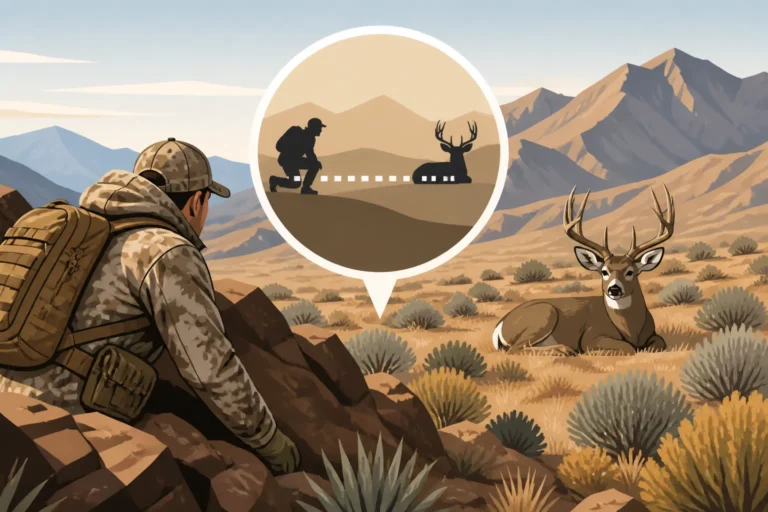
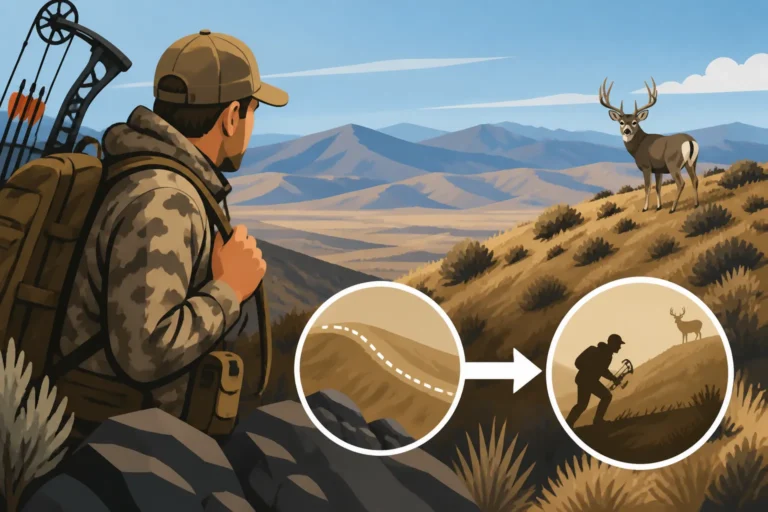
Here’s where it often gets interesting and trips up new hunters: archery seasons in Nevada typically do not require blaze orange. This is a common practice across many western states, rooted in the nature of bowhunting. Bowhunters, by definition, need to get much closer to their quarry, often relying on stealth and camouflage to close the distance. Requiring bright orange would fundamentally compromise the effectiveness of this hunting method. Imagine trying to How Close a Bowhunter Needs to Get on Mule Deer while wearing a fluorescent vest – it’s just not practical. This exception applies to dedicated archery seasons for deer, elk, and antelope.
However, there's a critical caveat: if you are archery hunting during a general season where rifles or muzzleloaders are also permitted, then the blaze orange requirements do apply to you. This scenario often arises during overlap periods or specific unit regulations. So, while Is Blaze Orange Required for Archery Hunting? usually yields a "no," the full answer is "it depends on the concurrent seasons." Always confirm the specific regulations for your unit and hunt date. Muzzleloader hunts, even with their unique challenges, generally fall under the same blaze orange requirements as rifle hunts due to the ballistic nature of the weapon. This is also true for other specialized hunts like those with special depredation tags or youth hunts, where the method of take usually dictates the blaze orange rule. When you're Reading a Nevada Hunt Unit Before You Apply, pay close attention to the season structure and allowed weapon types, as this will directly inform your gear choices.
Practical Considerations for Wearing Blaze Orange
Beyond just meeting the legal requirements, there are some really practical considerations when it comes to blaze orange. It’s not just about throwing on any old orange vest; it’s about choosing the right gear that will genuinely enhance safety without hindering your hunt, and frankly, staying comfortable through long days in the field.
Maximizing Visibility and Comfort
When it comes to blaze orange, more can sometimes be better, within reason. The legal minimum is just that—a minimum. To truly maximize your visibility, especially in Nevada's expansive and often undulating terrain, consider wearing a blaze orange vest or jacket that offers substantial coverage. A simple mesh vest is lightweight and fulfills the letter of the law, but a more robust option with solid fabric might stand out better against the varied backdrop of sagebrush, juniper, and volcanic rock. A blaze orange hat is also a fantastic addition, as it provides visibility at your highest point and is often visible even when you're crouching or in partial cover.
Comfort is key, especially when you're Preparing for Long Days in Open Terrain. A scratchy, ill-fitting vest will only distract you and make for a miserable hunt. Look for breathable materials, especially if you're hunting during early seasons when temperatures can still be warm. Many quality outdoor brands now offer technical hunting apparel in blaze orange that wicks moisture and moves with you. Remember, if it's uncomfortable, you're less likely to wear it correctly or consistently. The goal is to integrate it seamlessly into your hunting kit, not treat it as an afterthought. Also, consider layering—a vest that can go over your heaviest jacket in late season, or comfortably over a base layer in warmer temps.
The Importance of Condition and Placement
The condition of your blaze orange gear matters more than you might think. A faded, torn, or dirty vest simply won't offer the same level of visibility as a clean, vibrant one. Over time, sunlight and washing can degrade the color, making it less effective at "popping" against the landscape. Regularly inspect your gear for fading or damage. If it looks dull or worn out, it's time for a replacement. Think of it as a piece of safety equipment, like your seatbelt—it needs to be in good working order.
Proper placement is equally vital. The regulations specify that the blaze orange must be "above the waist" and "visible 360 degrees." This means a small patch on your backpack isn't enough, nor is wearing a blaze orange shirt if it's then covered by a large hunting pack or jacket. Your orange needs to be the outermost layer, unobstructed, and clearly visible from all directions. This is especially important when you're moving through terrain or setting up for a shot. Other hunters should be able to spot you easily, whether you're walking, glassing, or climbing a ridge. Utilizing scouting tools like those offered by GoHunt, where you can overlay public land maps and terrain features, can help you visualize areas where visibility might be compromised, reinforcing the need for highly visible blaze orange.
Common Misconceptions and Legal Ramifications
Even with clear rules, misconceptions about blaze orange requirements persist. It's easy to get confused, especially if you hunt in multiple states or haven't checked the regulations recently. Understanding what not to do and the potential consequences is just as important as knowing the rules themselves. After all, nobody wants a ruined hunt or, worse, a safety incident due to a misunderstanding.
Debunking Myths and Clearing Up Confusion
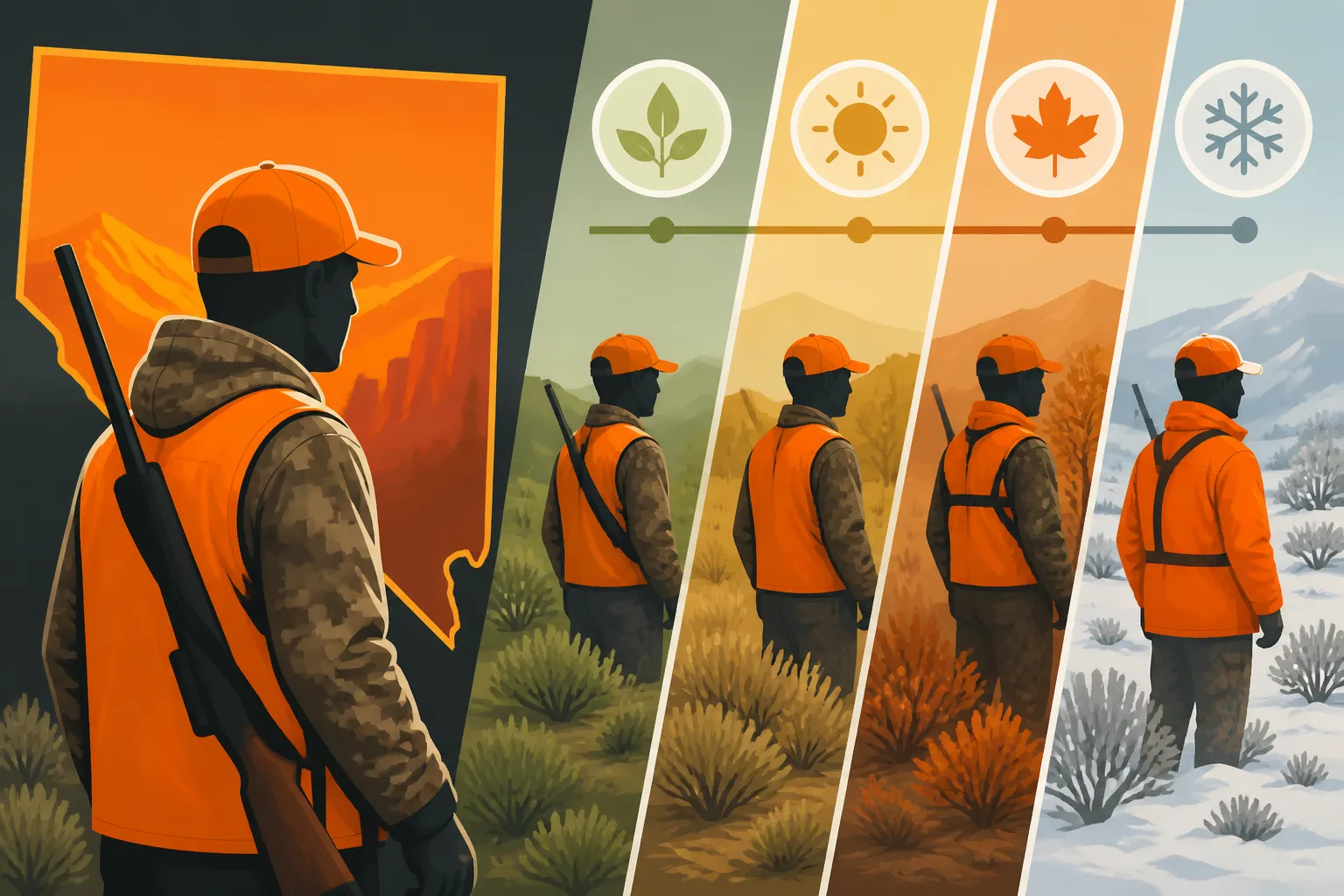
One prevalent myth is that blaze orange is only needed on opening day, or only when you expect to encounter other hunters. This is absolutely false. If your hunt requires blaze orange, it's required for the entire duration of the season, from dawn to dusk, whenever you are actively hunting. The presence of other hunters, or the lack thereof, doesn't change the legal obligation. Another misconception is that camo patterns with some orange integrated are sufficient. While some manufacturers offer "camo orange" patterns, these generally do not meet the legal requirements for solid blaze orange visibility, which often calls for a specific amount of unbroken fluorescent material. When in doubt, always err on the side of caution and choose solid blaze orange.
Furthermore, some hunters believe that if they're sitting in a ground blind or a tree stand, they don't need to wear orange. Again, if the season dictates blaze orange, you need to wear it. Even if you're stationary, the moment you get up, move, or leave your blind, you become a potential target if not properly identified. The requirement is for the hunter, not just for specific activities. Using resources like GoHunt to pull up current regulations for your specific unit can help clarify these points and ensure you're working with the most up-to-date information.
| Season Type & Weapon | Blaze Orange Requirement |
|---|---|
| General Rifle/Muzzleloader | At least 1 sq inch visible 360°, above waist |
| Dedicated Archery Season | Not required |
| Archery during Rifle/Muzzleloader Season | At least 1 sq inch visible 360°, above waist |
| Shotgun Hunts (Big Game) | At least 1 sq inch visible 360°, above waist |
| Small Game/Upland Birds | Not generally required, but highly recommended for safety |
Penalties for Non-Compliance
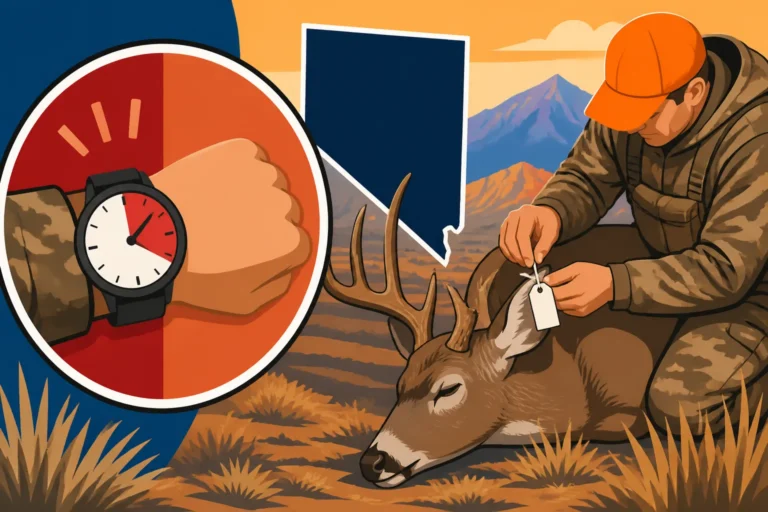
Ignoring Nevada's blaze orange requirements isn't just a slap on the wrist; it's a violation of state law and can lead to significant repercussions. Law enforcement, including game wardens from the Nevada Department of Wildlife (NDOW), take these safety regulations very seriously. A violation can result in a citation, which means a fine. These fines can vary, but they're typically in the hundreds of dollars, and nobody wants to pay that just for forgetting a vest.
Beyond the financial penalty, being cited for a safety violation can also impact your hunting privileges. Depending on the severity or if it's a repeat offense, you could face temporary suspension of your hunting license or points. It also goes on your record, which might affect future applications, especially if you're applying for tags in other states. The most severe consequence, of course, is the increased risk of a hunting accident. Blaze orange is a fundamental tool for preventing tragic mistakes in the field. Every hunter has a responsibility to themselves and to others to ensure they are clearly identified. It's part of the broader ethic of hunter safety that every participant learns through programs like Nevada hunter education.
Ultimately, the small effort it takes to ensure you meet the blaze orange requirements is a critical component of a safe and successful hunt. It’s a simple piece of gear that has a profound impact on everyone's safety in the vast and beautiful hunting grounds of Nevada. So, double-check those regulations, pack your bright orange, and enjoy the adventure knowing you're doing your part.
Disclaimer
Please remember that hunting regulations can change. While every effort has been made to provide accurate and up-to-date information, it is always your responsibility as a hunter to consult the most current Nevada Department of Wildlife (NDOW) regulations prior to any hunt. This article is for informational purposes only and does not constitute legal advice.