Evidence of Sex Requirements on a Carcass
Navigating the specific rules for keeping evidence of sex attached to your harvested animal can feel like trying to decipher a secret code sometimes, especially when you're tired and excited out in the field. It’s a common point of anxiety for many hunters, fearing an accidental violation. This guide aims to clear up all the confusion, detailing Nevada's requirements for retaining evidence of sex on a carcass, ensuring you stay legal and ethical from field to freezer.
Understanding Nevada's Evidence of Sex Requirements
When you finally pull the trigger or release an arrow on that hard-earned animal in Nevada, the work isn't over. Beyond tagging and field dressing, you have a crucial responsibility to ensure that the carcass retains "evidence of sex." This isn't just bureaucratic red tape; it's a vital component of wildlife management and conservation.
Why These Rules Exist
The primary reason for evidence of sex requirements is rooted deeply in responsible wildlife management. Nevada's Department of Wildlife (NDOW) allocates tags for specific animals – bucks, bulls, rams, or sometimes antlerless animals. Without a clear way to verify the sex of a harvested animal, it would be impossible to monitor harvest data accurately. This data is critical for understanding herd health, population trends, and ensuring that future tag quotas are set sustainably. Imagine if everyone just harvested what they wanted without clear rules; those precious populations of mule deer or elk could quickly be impacted beyond recovery. These rules help prevent illegal harvest of animals that aren't permitted by your tag, ensuring that the integrity of the draw system and species-specific management goals are maintained. It’s all about accountability and making sure that every animal taken is accounted for correctly, aligning with the specific tags issued.
The General Rule for Most Big Game
For most big game species in Nevada, the general rule is straightforward: you must leave a specific, identifiable part of the animal attached to the carcass until it reaches your home, a taxidermist, or a meat processor. This ensures that law enforcement, like a game warden during a field check, can easily verify the sex of the animal you harvested, matching it to your tag.
This applies across the board for species like mule deer, elk, and pronghorn antelope, which are the bread and butter for many hunters seeking a Nevada tag. The exact body part varies slightly by species and sex, but the underlying principle is the same: maintain a clear, biological indicator of the animal's sex. It might seem like a small detail when you're focused on getting an animal out of rugged country, but overlooking this simple requirement can lead to significant legal headaches. When you're Packing an Animal Out of Roadless Country, remember to plan how you'll keep this evidence intact.
Specific Requirements for Different Species
While the general principle holds true, the specific evidence of sex required can differ depending on the species and whether you harvested a male or female. Knowing these distinctions is crucial before you even head out on your hunt. It’s part of truly understanding Reading a Nevada Hunt Unit Before You Apply and all the regulations that come with it.
Male vs. Female Carcass Identification
For most big game species, the rules differentiate based on sex. Let's break down the common ones:
-
Mule Deer:
- Males (bucks): If you've harvested a buck, you must ensure that at least one antler is naturally attached to the skull plate, or if the antlers have been shed or are still in velvet and undeveloped, one testicle must remain naturally attached to the carcass. This allows game wardens to clearly identify it as a male. This is critical for units where only antlered deer tags are issued.
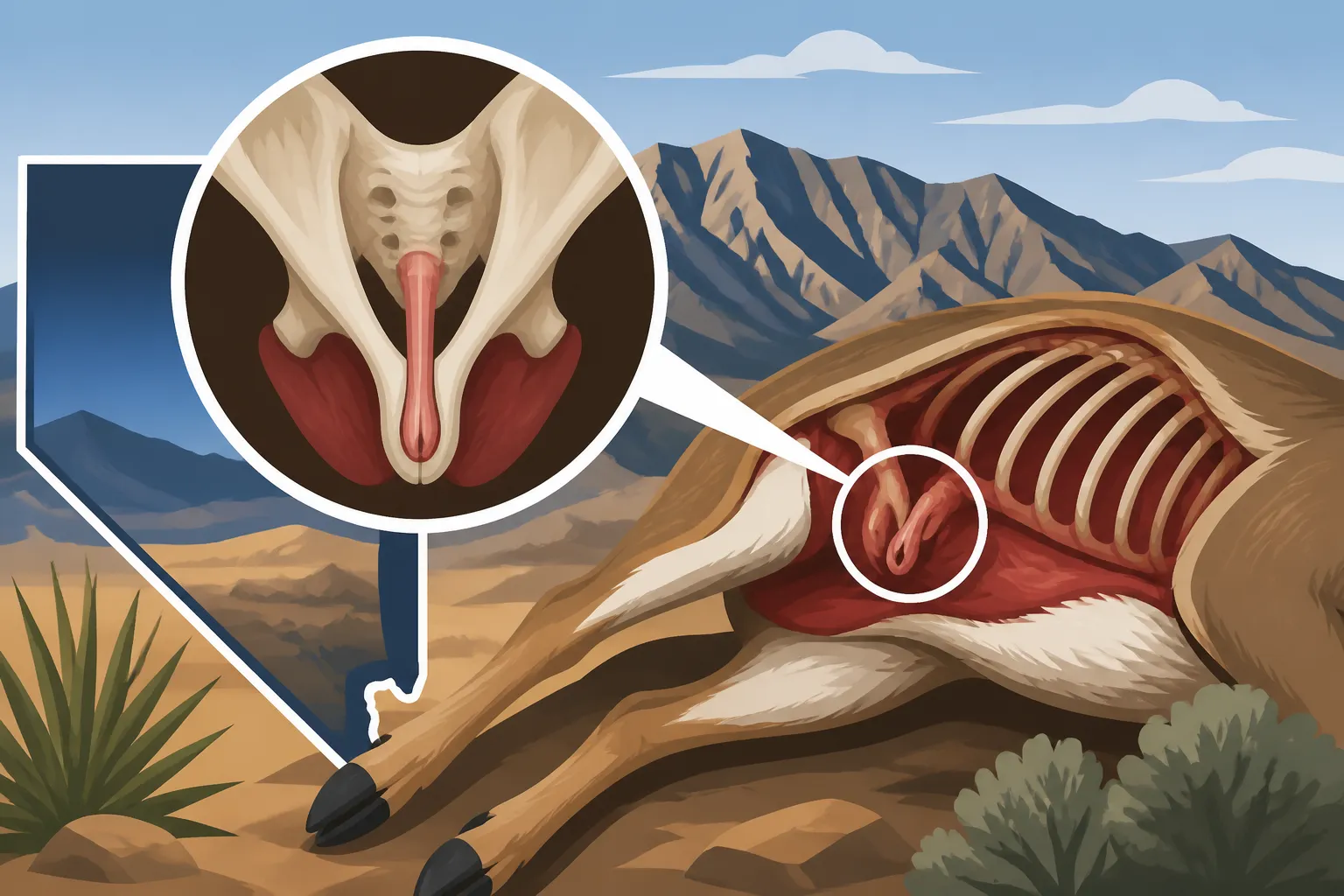
- Females (does): For a doe, the udder or the vulva must remain naturally attached to the carcass. This confirms it was a female, especially important for antlerless tags.
-
Elk:
- Males (bulls): Similar to deer, if you’ve taken a bull elk, at least one antler must remain naturally attached to the skull plate. If it’s a spike-only hunt or a very young bull, one testicle must remain naturally attached. This ensures compliance with specific bull tags.
- Females (cows): For cow elk, either the udder or the vulva must be naturally attached to the carcass. Many units have specific antlerless or cow tags, and this evidence is vital for verification.
-
Pronghorn Antelope:
- Males (bucks): A buck antelope must have at least one horn sheath naturally attached to the skull plate, or one testicle naturally attached to the carcass. Given that many antelope hunts are for "horns-only," this is a straightforward way to verify.
- Females (does): For a doe antelope, the udder or vulva must remain naturally attached to the carcass.
It's absolutely essential to be meticulous when field dressing to preserve these specific parts. A quick reference table can be your best friend in the field.
| Species & Sex | Required Evidence of Sex |
|---|---|
| Mule Deer Buck | At least one antler attached to skull plate OR one testicle attached |
| Mule Deer Doe | Udder OR vulva naturally attached to carcass |
| Elk Bull | At least one antler attached to skull plate OR one testicle attached |
| Elk Cow | Udder OR vulva naturally attached to carcass |
| Pronghorn Buck | At least one horn sheath attached to skull plate OR one testicle attached |
| Pronghorn Doe | Udder OR vulva naturally attached to carcass |
| Bighorn Ram | Horns attached to skull plate (with ram curl requirements) |
| Bighorn Ewe | Udder OR vulva naturally attached to carcass |
| Mountain Goat | Horns attached to skull plate OR one testicle/udder/vulva |
Special Cases and Exceptions
While the above covers the majority of big game, there are a few species and situations that have their own specific rules for evidence of sex or proof of harvest.
-
Bighorn Sheep: This is a once-in-a-lifetime hunt for many, and the regulations are particularly stringent. For rams, the horns must remain naturally attached to the skull plate, and you'll often have specific "ram curl requirements Nevada enforces" to meet. This isn't just for sex identification but also for age and legal harvest criteria. For ewes, it follows the udder/vulva rule. Due to the rarity and high value of these tags, wardens will scrutinize bighorn harvests closely.
-
Black Bear and Mountain Lion: These predators have unique requirements. For black bear, you'll generally need to present the entire hide, skull, and evidence of sex (either reproductive organs or external features like penis sheath/nipples) during the mandatory check-in. This is crucial for collecting biological samples and verifying the legal harvest. Mountain lion often requires the entire hide and skull, and evidence of sex may involve the external genitalia or specific body parts, also for mandatory check-in. Always review the current regulations for these species, as they can be very specific and may involve Mandatory Reporting After a Nevada Harvest within a specific timeframe.
-
Antlerless Tags: For tags specifically issued for antlerless animals (e.g., cow elk, doe deer), the requirement is generally to leave the udder or vulva attached. The absence of antlers is, in itself, often sufficient evidence for deer or elk to show it wasn't an antlered animal, but the specific female organs further confirm it wasn't a young male without visible antlers. This distinction is vital for proper herd management, ensuring the take aligns with the specific tag issued.
Practical Considerations for Field Dressing and Transport
So, you’ve made the shot, and the animal is down. Now what? The excitement can be overwhelming, but this is precisely when you need to be calm and methodical to ensure you comply with all evidence of sex requirements.
Field Dressing to Maintain Evidence
Field dressing is messy work, but with a little planning, it doesn’t have to compromise your legal obligations. The key is to be intentional with your cuts.
- Tag First: Always, always tag your animal immediately. This is non-negotiable.
- Plan Your Cuts: Before you even insert your knife, visualize where the required evidence of sex is located and plan your cuts around it. For instance, if you need to retain the vulva on a doe, you’ll want to ensure your initial abdominal cut for gutting doesn't extend too far back into that area. Similarly, when skinning around the hindquarters, be mindful of where the udder or testicles are.
- The "Hindquarter" Approach: Many hunters opt for a "gutless" method or quartering in the field, especially for larger animals or when facing a long pack out. If you're removing the hindquarters, ensure that the portion containing the required evidence (e.g., testicle attached to the quarter, or vulva/udder left on one hindquarter with enough surrounding tissue to prove attachment) remains with the meat you are transporting. It needs to be naturally attached, not just placed next to it.
- Dealing with Heat: Nevada hunts, especially early seasons like Nevada's August Archery Deer Window, can be brutally hot. This complicates field dressing. You need to work quickly to cool the meat, but rushing can lead to accidental removal of evidence. If you're in high heat, you might opt to remove as much meat as possible from the bone to cool it, but whatever piece carries the evidence of sex must be kept identifiable and intact. For more on this, check out our guide on Heat Management on an August Archery Hunt or Field Dressing in August Heat. A common strategy is to leave the pelvis intact with the spine, ensuring the vulva or udder remains attached to a portion of the carcass, or to leave a testicle attached to a hindquarter that goes directly into your game bag.
Transporting Your Harvest Legally
Once the animal is field dressed and cooled, transporting it back to your vehicle and then home requires the same attention to detail.
- Visibility is Key: When loading your animal into your vehicle, try to position the required evidence of sex so it’s visible or easily accessible. This makes things much smoother if you encounter a game warden at a check station or on a roadside stop. They're just doing their job, and making it easy for them shows respect and competence.
- Game Bags and Coolers: If you’ve quartered your animal and placed the meat in game bags, ensure the bag containing the evidence of sex is clearly marked or easily distinguishable. If you're putting meat into coolers, keep the evidence of sex piece separate or on top for quick inspection.
- Carcass Transport Rules: Be aware of general Carcass Transport Rules After a CWD Detection or similar regulations that might influence how much of the carcass you can transport across state lines or even within certain zones. While these rules typically focus on the skull and spinal column to prevent disease spread, they add another layer of complexity to your transport plan. Always prioritize keeping the evidence of sex naturally attached to a portion of the meat or skeletal structure until you're at your final destination (home, taxidermist, processor).
Common Mistakes and How to Avoid Them
Even the most experienced hunters can make mistakes when tired or excited. Understanding these pitfalls can help you avoid them.
Inadvertent Removal or Damage
It's surprisingly easy to accidentally remove or damage the required evidence of sex, especially during a hurried field dressing.
- Rushing the Skinning Process: When you're trying to get the hide off quickly, particularly from the hindquarters, it's easy to accidentally cut off or damage the udder, vulva, or testicles. Take your time, especially around these critical areas.
- Aggressive Quartering: If you're breaking down an animal into quarters in the field, you might inadvertently detach the specific part that proves sex. For instance, when separating hindquarters, if the vulva/udder is on a piece that gets left behind, or a testicle is accidentally cut away from the leg, you've got a problem. Always consciously leave that specific part attached to one of the main portions you're taking with you.
- Improper Gutting Technique: For smaller animals, or if you're gutting an animal whole, an overly aggressive or misplaced incision can remove the necessary evidence. Know exactly where you need to make your cuts and which anatomical features you need to preserve.
To avoid these, slow down. Take a deep breath. Double-check your tag requirements. It's better to take an extra 10 minutes in the field than to face a citation later. Remember that part of Preparing Physically for Long Glassing Days is also preparing mentally for the tasks after the shot.
What to Do If Evidence is Lost or Damaged
Mistakes happen. If, despite your best efforts, you accidentally remove or damage the required evidence of sex, don't panic, but act immediately and responsibly.
- Do NOT Conceal It: The worst thing you can do is try to hide the issue or pretend it didn't happen. This can escalate a simple mistake into a much more serious legal problem.
- Contact NDOW Immediately: The moment you realize the evidence is lost or damaged, contact NDOW or the nearest game warden. Explain the situation honestly and clearly. Provide them with your location, your tag number, and what happened. NDOW generally appreciates honesty and cooperation. They can advise you on the next steps, which might involve a field visit from a warden to verify the harvest, or specific instructions on how to proceed.
- Preserve What You Can: If there's any remaining evidence, such as a partial udder or a piece of the vulva, keep it attached to the carcass. If the entire part was detached, keep it with the carcass if possible, even if it's no longer "naturally attached." Take photos to document the situation if you have cell service.
- Learn from the Mistake: Use it as a learning experience. Review your field dressing techniques, and plan more carefully for future hunts. Understanding How Nevada Sets Its Season Framework and why these rules exist is key to internalizing their importance.
The Role of Regulations and Hunter Education
Compliance with evidence of sex requirements isn't just about avoiding a ticket; it's about being a responsible, ethical hunter. It’s part of the broader framework that ensures hunting continues to be a respected and sustainable activity in Nevada.
Staying Current with Nevada's Regulations
Wildlife regulations are dynamic. They can, and do, change from year to year based on herd conditions, biological data, and management goals. What was required last season might have a subtle but significant tweak this season.
- Read the Proclamation: Before every hunt, even if you’re a seasoned veteran, thoroughly read the current Nevada Big Game Hunting Regulations. This is your bible for the season. You can find this document on the NDOW website or pick up a hard copy wherever licenses are sold. This is literally Where the Current Nevada Regulations Are Posted.
- Online Resources: Websites and apps like GoHunt are invaluable tools. They often provide detailed breakdowns of regulations, unit information, and can help you stay current on any changes or clarifications that might impact your hunt, including species-specific evidence of sex requirements. These platforms are designed to aggregate this information, saving you time and ensuring accuracy.
- Don't Rely on Old Habits: Just because "that's how we always did it" doesn't mean it's still the rule. Always verify. The few minutes you spend reviewing the regulations can save you immense trouble later.
Hunter Education and Ethical Hunting
Understanding and adhering to rules like the evidence of sex requirements are fundamental lessons taught in hunter education. These courses, mandatory for Anyone Born After 1959 Needs Nevada Hunter Education, instill the ethical principles that govern responsible hunting.
Ethical hunting isn't just about fair chase or clean kills; it also encompasses following all game laws, respecting wildlife, and contributing to conservation efforts. By meticulously complying with evidence of sex rules, you're doing your part to:
- Support Wildlife Management: You're directly contributing to accurate data collection, which NDOW uses to manage healthy and sustainable wildlife populations.
- Uphold the Reputation of Hunters: Every hunter's actions reflect on the entire hunting community. Compliance demonstrates respect for the law and for the animals we pursue.
- Ensure Future Hunting Opportunities: When regulations are followed, it strengthens the case for continued hunting opportunities, which are constantly under scrutiny.
Ultimately, these regulations are put in place for the long-term health of Nevada’s wildlife and the tradition of hunting itself. They might seem like minor details, but they are crucial for accountability, sustainable management, and maintaining the integrity of every hunt. So, next time you’re in the field, remember that proper evidence of sex retention is just as important as a clean shot and a swift pack-out.
Disclaimer
The information provided in this guide is for informational purposes only and is based on general Nevada hunting regulations. Hunting regulations can change annually or even mid-season. It is the hunter's sole responsibility to consult the most current Nevada Department of Wildlife (NDOW) Big Game Hunting Regulations and any applicable unit-specific regulations before participating in any hunting activity. Failure to do so could result in penalties. Always prioritize safety and ethical hunting practices.