Do Nonresidents Need Nevada Hunter Education?
Trying to figure out all the nuances of hunting regulations, especially when you're planning a trip out of state, can feel like a labyrinth. One common question that pops up for folks looking to experience Nevada's incredible hunting opportunities, from chasing mule deer in the high desert to bugling elk in the mountains, is whether they need to take a hunter education course specific to the Silver State. This guide is here to untangle that question, clarify Nevada's requirements for nonresidents, and ensure you're squared away before you even think about applying for a tag.
Understanding Nevada's Hunter Education Mandate
Nevada, like many states, has a hunter education requirement designed to promote safety, ethics, and conservation among its hunting population. It's a critical program that ensures everyone heading afield understands their responsibilities. However, the exact rules can sometimes seem a little opaque, especially if you're coming from another state with its own set of regulations.
The General Rule for All Hunters
At its core, Nevada's hunter education requirement is pretty straightforward: anyone born after December 31, 1959, must possess a valid hunter education certificate to hunt big game in Nevada. This rule applies uniformly across the board, whether you're a long-time Nevada resident who just never got around to it or an excited nonresident hoping to draw a coveted elk tag. The intent is to ensure a baseline of knowledge and safety for all participants in big game seasons. If you were born before this date, you're generally exempt from the requirement. It’s a clean cutoff that helps establish who needs to take the course and who doesn't. Many people come into hunting later in life, and while they might have extensive firearms experience, the hunter education course covers much more than just shooting, delving into game identification, conservation principles, and landowner relations.
Why Nonresidents Often Face Confusion
For nonresidents, the confusion often stems from two main points: reciprocity and what constitutes "proof." You've likely already taken a hunter education course in your home state, and it feels redundant to take another one. Many states have reciprocal agreements, recognizing each other's hunter education programs, which is a huge relief for traveling hunters. The thought of having to spend another weekend in a classroom or hours online just to hunt in a different state can be a real headache, especially when you're already juggling application deadlines, scouting trips, and booking time off work. It’s a valid frustration, and thankfully, Nevada understands this common scenario for its out-of-state visitors. You're already investing a lot of time and money into a Nevada hunt, so understanding this particular hurdle, or lack thereof, is key.
How Nevada Verifies Out-of-State Certification
The good news for many nonresidents is that Nevada is quite accommodating when it comes to recognizing hunter education completed in other jurisdictions. They're not trying to make you jump through unnecessary hoops, but they do want to ensure you meet the basic safety standards.
Reciprocity Across State Lines
Nevada does indeed honor hunter education certificates issued by other states, provinces, or countries, as long as that program is approved by the International Hunter Education Association (IHEA-USA). This means that if you took your hunter education course in, say, California, Idaho, or even Canada, and that course was IHEA-USA certified, Nevada will accept it. This reciprocity is incredibly helpful, saving countless hours and ensuring that a hunter's foundational training isn't discounted just because they've crossed state lines. It simplifies the process immensely, allowing you to focus on more exciting things, like studying potential hunt units on GoHunt or planning your gear list. This is why when you check out the requirements for Nevada Accepts Hunter Education From Any State you’ll find that the system is designed to be as streamlined as possible for responsible hunters.
Proving Your Certification
While Nevada accepts your out-of-state certificate, the onus is on you to prove it. This means you need to have physical or digital proof readily available. When you apply for a Nevada hunting license or tag, you'll typically be asked to provide your hunter education certificate number or upload a copy of the certificate. This is usually done through your Nevada Department of Wildlife (NDOW) online account. Think of it like your driver's license; you need it to legally operate a vehicle, and you need to be able to present it if asked. The same goes for your hunter education card in the field. A common mistake is to assume that once you've entered the number online, you're done. No, you need to carry proof with you while hunting. This could be your physical hunter education card, a clear photograph of it on your phone, or a printout of the certificate. Game wardens can and do ask for this documentation, and not having it can lead to citations, even if you did take the course. Making sure you're compliant with Proving Your Certification Out in the Field is just as important as the initial course itself.
Options for Nonresidents Without Certification
What if you're a nonresident born after 1959 and you've never actually taken a hunter education course anywhere? Don't despair! Nevada offers accessible pathways to get certified so you can participate in their hunting seasons.
Taking an Approved Online Course
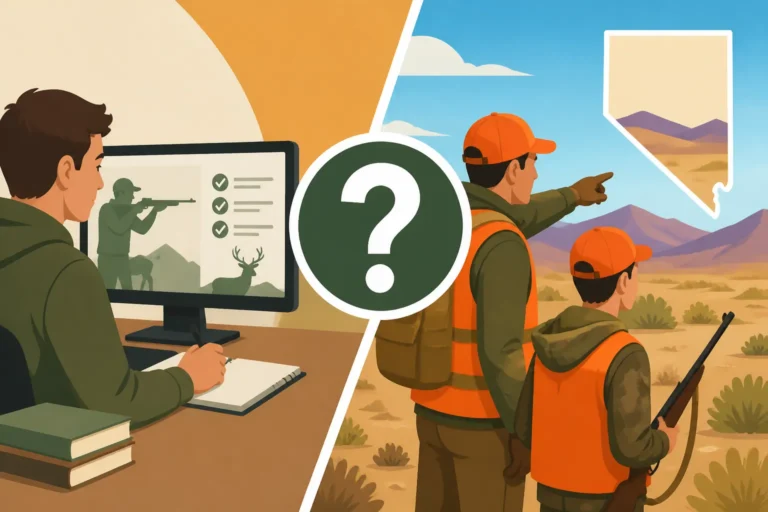
For many nonresidents, the most convenient option is to take an IHEA-USA approved online hunter education course. These courses are typically self-paced, allowing you to complete them from the comfort of your home, fitting them around your schedule. Many providers offer these courses, covering all the same vital information you'd get in a traditional classroom setting, from firearm safety and wildlife identification to ethical hunting practices. Once you complete the online portion and pass the associated exam, you'll receive your certification. It’s a flexible solution that acknowledges the busy lives of modern hunters. Just make sure the course you choose is indeed IHEA-USA accredited, which most reputable online providers proudly display. Some online courses might require a follow-up field day, which can complicate things for non-residents. Make sure you understand the full requirements of the online course you select. Understanding How Long the Online Hunter Education Course Takes can help you plan your time efficiently before the season kicks off.
Finding a Classroom Course If Available/Practical
While less common for nonresidents, especially given the distance, there are traditional classroom courses available in Nevada. These usually involve multiple sessions led by certified instructors, culminating in a written exam and often a practical shooting or field exercise. For a nonresident, traveling to Nevada specifically for a classroom course might not be practical, but if you happen to be in the state for an extended period before your hunt, it could be an option. These courses offer the benefit of hands-on instruction and direct interaction with experienced hunters and game officials, which some people prefer over purely online learning. You can often find schedules for these courses on the NDOW website.
Apprentice Hunter Program Considerations
Nevada also offers an Apprentice Hunter Program, which can be an alternative for some individuals who haven't completed hunter education. This program allows an uncertified individual (who is at least 12 years old) to hunt for one year under the direct supervision of a licensed, experienced adult hunter who is at least 18 years old. The supervising hunter must carry their own valid hunting license and hunter education certificate (if born after 1959) and must be within arm's reach and direct voice contact of the apprentice at all times.
This is not a long-term solution, as it's typically a one-year program designed to introduce new hunters to the sport before they commit to full certification. It's a great way to "try before you buy" the hunter education commitment, especially for younger hunters or those new to the sport who aren't yet sure if they want to pursue it. For nonresidents, it could potentially allow you to hunt while you plan to take an online course later, but it requires finding a willing and qualified mentor. It's definitely something to look into if you're in a pinch, but for most dedicated nonresident hunters, getting the actual hunter education certificate is the more straightforward path for long-term hunting plans in Nevada and beyond. This program often works well for Youth Hunting Requirements in Nevada, giving them a chance to learn the ropes.
Here's a quick overview of the hunter education requirements:
| Category | Born On or Before Dec. 31, 1959 | Born After Dec. 31, 1959 |
|---|---|---|
| Nevada Residents | Exempt | Required (Nevada or IHEA-USA approved course) |
| Nonresidents | Exempt | Required (Nevada or IHEA-USA approved course from any state/country) |
| Apprentice Hunter Program | N/A | Eligible (hunt under direct supervision for one year) |
| Proof Required in Field | No | Yes (physical card, photo, or printout) |
Key Takeaways for Your Nevada Hunt
Navigating hunting regulations for a nonresident can feel like a game of chess, but with a little foresight, you can ensure a smooth process from application to harvest.
Planning Ahead is Crucial
The biggest piece of advice I can offer, whether you're looking at Nevada's August Archery Deer Window or a late-season rifle hunt, is to plan well in advance. Don't wait until the last minute before the draw deadline to check your hunter education status. If you realize you need a course, taking it online can still take a few hours, and you want to ensure you have time to receive your certificate and update your NDOW profile. Many people use resources like GoHunt to plan their applications, and part of that planning should absolutely include confirming your eligibility requirements. Verify your certification, ensure it’s uploaded to your online profile, and make sure you have physical proof. This proactive approach saves a lot of stress down the line. It's much better to confirm everything months before the hunt, rather than realizing you're missing a critical piece of paperwork the week before you leave.
Always Carry Proof
Once you've got that certificate, whether it's from your home state or a Nevada-approved course, remember to carry proof of it when you're hunting. A physical card fits neatly in your wallet, or a clear photo saved on your phone is usually sufficient. A game warden isn't going to have time to call your home state's fish and wildlife department to verify your claim. Having the proof on hand demonstrates your compliance and prevents any unnecessary delays or complications during your hunt. Think of it as part of your essential gear, right alongside your license, tags, and blaze orange. Just like you wouldn't head out without your rifle or bow, you shouldn't head out without proof of your hunter education. It’s a simple step that shows respect for the law and the efforts of those who manage Nevada's incredible wildlife.
Disclaimer
Please note: Regulations can change. Always consult the most current Nevada Department of Wildlife (NDOW) hunting regulations and official website for the most up-to-date and accurate information before planning your hunt.