Why a Nevada Nonresident Elk Tag Costs So Much
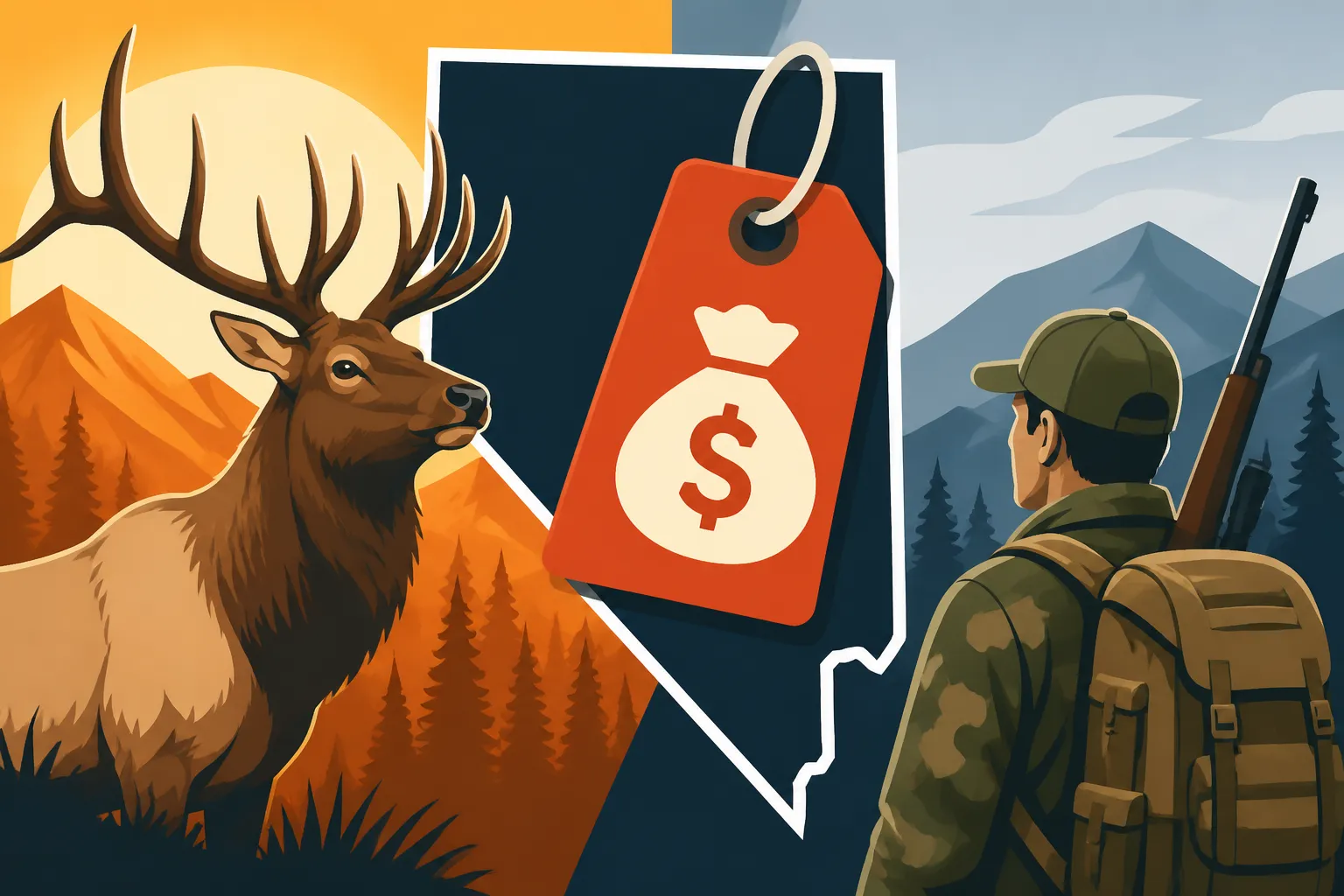
Anyone who has looked into hunting elk in Nevada as a nonresident has probably experienced that moment of sticker shock when they see the price of a tag. It's enough to make you double-check the digits, wondering if there's an extra zero in there by mistake. This guide aims to pull back the curtain on why a Nevada nonresident elk tag carries such a hefty price tag, exploring the underlying factors from conservation funding to hunt quality that contribute to this significant investment.
The Financial Backbone of Nevada's Wildlife Management
Let's be real, managing wildlife across a vast, diverse, and often arid landscape like Nevada is incredibly expensive. From habitat restoration to law enforcement, scientific research, and population monitoring, every single aspect requires substantial funding. For state wildlife agencies like the Nevada Department of Wildlife (NDOW), hunting and fishing license sales are the primary drivers of this revenue. Unlike some federal agencies, state wildlife departments largely operate on a "user-pays, public-benefits" model, meaning hunters and anglers directly fund the conservation efforts that benefit all wildlife, whether hunted or not.
How License Fees Fund Conservation
When you purchase a hunting license or apply for a big game tag, a significant portion of that money goes directly into a dedicated wildlife fund. This isn't just a pot of money that disappears; it's meticulously managed to support the very ecosystems and species that draw us to the field. Think about all the things NDOW does: they pay biologists to study elk migration patterns, fund game wardens who patrol vast units to ensure fair chase and prevent poaching, and coordinate projects that improve critical winter range or install guzzlers to provide water in parched areas. All of these essential functions are reliant on the revenue generated from hunters.
For a nonresident, your financial contribution is often viewed as a premium investment in this system, reflecting both the privilege of hunting in a state you don't contribute to through property or income taxes, and the incredible quality of the hunting experience offered. The higher fees help to ensure that NDOW can maintain its programs and, ideally, enhance the resources for both residents and visitors alike. It's a way of saying, "If you want to play in our sandbox, you need to help pay for the upkeep."
The "Combination License" Requirement
Before you can even think about applying for an elk tag, nonresidents are required to purchase a Nevada Combination License. This license acts as your base entry into the Nevada hunting system, covering small game and fishing as well, and it's a prerequisite for applying for any big game draw, including elk. The cost of this upfront license adds to the overall expense, but it's another piece of the financial puzzle that contributes to statewide conservation efforts. It's not just about one species; it's about supporting the whole picture. For many, it's a frustrating but necessary hurdle, especially when you're just focused on that once-in-a-lifetime elk hunt. This combination license helps cover administrative costs and provides a broader funding base for all of Nevada's diverse wildlife populations, from the smallest quail to the largest bighorn sheep.
The Economics of Supply, Demand, and Trophy Quality
Nevada is not Colorado or Montana; it doesn't have hundreds of thousands of elk roaming its mountains. The state's elk herds, while a remarkable conservation success story, are relatively small compared to some other Western states. This limited supply, coupled with extremely high demand, drives the price of a nonresident elk tag sky-high.
Limited Tags and High Demand
Nevada carefully manages its elk populations to ensure sustainability and trophy quality. This means issuing a very limited number of tags each year. The draw system is designed to allocate these coveted tags, and because the odds are often long, many hunters accumulate bonus points over years, patiently waiting for their chance. This creates immense demand. Everyone wants a chance at a Nevada bull, and that intense competition is reflected in the tag price.
Imagine a scenario: you've been putting in for Nevada Elk Rifle Hunts Stretch From October Into December for years, pouring over draw odds, scouting units with tools like GoHunt, and dreaming of that elusive tag. When you finally draw, the cost almost becomes secondary to the opportunity itself. The price isn't just what the state charges; it's also a reflection of what hunters are willing to pay for such a rare and high-quality opportunity. It's the classic economic principle of supply and demand playing out in the world of big game hunting. The number of tags available for nonresidents is particularly low, ensuring that residents retain the majority of the opportunities, which further escalates the price for those few nonresident slots.
The Draw System and Bonus Points
Nevada employs a bonus point system that squares your points, significantly increasing your chances as you accumulate more. This system rewards patience, but it also creates a backlog of hunters eager to draw. The higher the number of points accumulated by applicants, the harder it becomes to draw, and the more valuable that tag becomes to those who are successful. This leads to what feels like a secondary market value, even though tags can't actually be resold. The perceived value of finally drawing after years of applying makes hunters more accepting of the high price. You can dive deeper into how this system works by looking at topics like How Nevada Squares Your Bonus Points Into Draw Chances.
When you're submitting your application, especially for an expensive tag like a nonresident elk tag, it’s crucial to research and understand how the draw odds are calculated. Using resources like GoHunt can give you insights into historical draw statistics, helping you make informed decisions on which units to apply for based on your point totals and desired hunt type. This research helps validate the investment, showing you just how rare and sought-after these tags truly are.
Reputation for Trophy Animals
Nevada has an undeniable reputation for producing exceptional trophy elk. While numbers might be lower than in other states, the quality of the bulls is often outstanding. This is a direct result of careful management, limited harvest, and expansive, wild habitat. Hunters from all over the country are willing to pay a premium for the chance to pursue a bull that might be the biggest of their lifetime. The potential for a record-book animal adds an intangible value to the tag, making the high cost seem more justifiable for many.
It's not uncommon to see images of monstrous Nevada bulls circulating online, fueling the aspirations of thousands of hunters. This allure contributes significantly to the demand and, by extension, the price. It's a testament to the effectiveness of NDOW's management strategies and the quality of the habitat that allows these animals to reach their full potential.
Comparing Nevada Elk Tag Costs to Other Western States
While Nevada's nonresident elk tag might seem astronomically high, it's useful to put it into context by comparing it to other Western states known for their elk hunting. You'll find a range of prices, but Nevada consistently sits at the higher end, often due to the unique combination of low tag numbers, trophy potential, and a draw system that builds significant anticipation.
Here's a quick look at how Nevada stacks up against some neighbors:
| State | Nonresident Elk Tag Cost (Approx.) | Key Factors Contributing to Cost |
|---|---|---|
| Nevada | $1,200 – $1,500+ (plus license) | Very limited tags, high trophy potential, bonus point system, low elk population overall. |
| Arizona | $650 – $700+ (plus license) | Limited tags, high trophy potential, extensive draw system, similar demand for quality. |
| Colorado | $700 – $800+ (plus license) | OTC options available, large elk population, draw for specific units, generally more accessible. |
| Montana | $1,200 – $1,300+ (combo license) | Combo license for deer/elk, strong general season opportunities, draw for limited entry. |
| Utah | $800 – $900+ (plus license) | Limited tags, trophy potential, conservation tags, strong draw system. |
| Wyoming | $700 – $800+ (plus license) | Draw system, good opportunities, limited OTC, strong reputation for quality. |
Note: These prices are estimates and can change annually. Always check the current regulations for exact figures and additional fees.
As you can see, Nevada's pricing is competitive with other states that offer highly sought-after, limited-entry hunts. It's not an outlier just for the sake of it; it's a reflection of its specific hunting model. When you consider that a Nonresident Nevada Elk Tag Runs $1,200 (and often more once you factor in the combination license and application fees), you realize it's a serious commitment. Many hunters consider these costs a worthwhile investment for the unique experience and potential trophy quality that Nevada offers.
The Value Proposition: Why Hunters Still Apply
Despite the high cost, thousands of nonresidents still apply for Nevada elk tags every year. This isn't just blind optimism; it's a calculated decision based on a compelling value proposition that goes beyond just the dollar amount.
The Allure of the Nevada Backcountry
Nevada offers an incredible, raw backcountry experience that's hard to replicate elsewhere. We're talking vast, open landscapes, challenging terrain, and true solitude. Hunting in Nevada means immersing yourself in the Great Basin's unique beauty, away from crowded trailheads and constant pressure. This remoteness, while demanding, is a huge draw for hunters seeking an authentic wilderness challenge. The high cost of the tag helps to manage pressure, ensuring that those who do draw get to experience this pristine environment with minimal interference.
This pursuit often involves intense glassing sessions across wide basins, long stalks through sagebrush, and the physical challenge of navigating steep, rocky slopes. It's an adventure that tests your resolve and rewards your effort. For many, that unparalleled sense of wildness and challenge is worth every penny. You'll spend days glassing open country, reading the wind, and planning your approach, all of which contribute to an unforgettable hunt. Learning to effectively glass the open country is a skill that directly translates to success here, as highlighted in guides like Why Nevada Deer Hunting Is a Glassing Game.
A Chance at a True Trophy
As mentioned, Nevada's reputation for trophy elk is a significant draw. For many, the high price is simply the entry fee for a chance to pursue an animal of a lifetime. The odds might be tough, and the price might be steep, but the possibility of harvesting a truly massive bull keeps hunters coming back year after year. This isn't just about meat in the freezer; it's about the pursuit of an exceptional animal and the story that comes with it.
The quality over quantity approach means that when you do draw, you're entering a unit where the potential for a mature, impressive bull is genuinely high. This quality is often a result of strong genetics, excellent habitat, and conservative management practices that allow bulls to age. For hunters who prioritize antler size and a challenging hunt, Nevada remains a top-tier destination.
The Long-Term Investment in the Draw
Many nonresidents view the annual application and point accumulation as a long-term investment. They understand that drawing an elk tag in Nevada is often a multi-year endeavor. Each year, they weigh the cost of applying and purchasing a point against the potential future reward. When you consider that the draw results usually land around Nevada Draw Results Land at the End of May, it gives you time to plan if you're successful. This patient approach is integral to the Nevada hunting experience.
For these dedicated hunters, the high tag price is just part of the journey. They might spend years researching units, scouting virtually with GoHunt's mapping tools, and honing their skills, knowing that when their number finally comes up, they'll be ready for an incredible hunt. It's about playing the long game for a truly special opportunity. For those looking to optimize their application strategy, understanding how to Reading a Nevada Hunt Unit Before You Apply is paramount, helping ensure those hard-earned points are put to the best possible use.
Preparing for the Rigors of a Nevada Elk Hunt
Finally, the cost of the tag is just one piece of the financial and physical puzzle. A successful Nevada elk hunt often requires significant investment in gear, physical conditioning, and travel. Hunters who commit to such an expensive tag are typically prepared to invest in all aspects of the hunt, from high-quality optics and reliable firearms to durable camping gear and a vehicle capable of navigating remote roads. The tag price sets a certain expectation for the overall commitment.
This isn't a hunt you just show up for. It demands preparation, resilience, and a willingness to embrace the challenges of the Nevada wilderness. Whether it's the physical demands of Preparing Physically for Long Glassing Days or simply understanding the logistical challenges of Packing an Animal Out of Roadless Country, every aspect of a Nevada elk hunt underscores the significant investment in time, effort, and money.
Disclaimer
Please remember that hunting regulations, license fees, and draw odds can change. Always consult the official Nevada Department of Wildlife (NDOW) website for the most current and accurate information before planning any hunt or submitting an application.