Nevada Bighorn Sheep Tag Pricing
Drawing a coveted bighorn sheep tag in Nevada is often considered the pinnacle of Western hunting, a true once-in-a-lifetime opportunity for many. However, the excitement of even applying for such an experience can quickly give way to sticker shock when hunters begin to research the financial commitment involved. It's not just the tag price itself, but a cascade of associated fees, licenses, and potential expenses that can make even the most seasoned hunter's head spin. This guide aims to demystify the complex pricing structure for Nevada bighorn sheep tags, breaking down every cost so you can plan your application with confidence and clarity.
Understanding the Actual Cost of a Nevada Bighorn Sheep Tag
When you dream of pursuing bighorn sheep across Nevada's rugged mountains, it's easy to focus solely on the "tag fee." But in reality, the price of a bighorn sheep tag is just one piece of a much larger financial puzzle. The total cost encompasses several mandatory state fees, and then, depending on your residency, the actual tag itself. It’s crucial to understand each component to avoid any unwelcome surprises down the road.
Mandatory Licenses and Application Fees
Before you can even throw your name into the hat for a bighorn sheep tag, Nevada requires a few foundational purchases. First and foremost, every hunter needs to acquire a Nevada Combination License. This isn't just a formality; it's your basic entry ticket into the state's hunting system, covering both hunting and fishing privileges for the license year. For non-residents, this license alone represents a significant upfront cost compared to residents.
Once you have your combination license in hand, you'll then pay a species-specific application fee for bighorn sheep. This fee is non-refundable, regardless of whether you draw a tag or not. Think of it as the administrative cost for Nevada Department of Wildlife (NDOW) to process your application and manage the highly sought-after bighorn draw. Additionally, all big game hunters in Nevada must purchase a Habitat Stamp, a small but mandatory fee that goes directly towards wildlife habitat improvement projects across the state. These foundational costs are universal, affecting both resident and non-resident applicants.
The Bighorn Sheep Tag Fee Itself
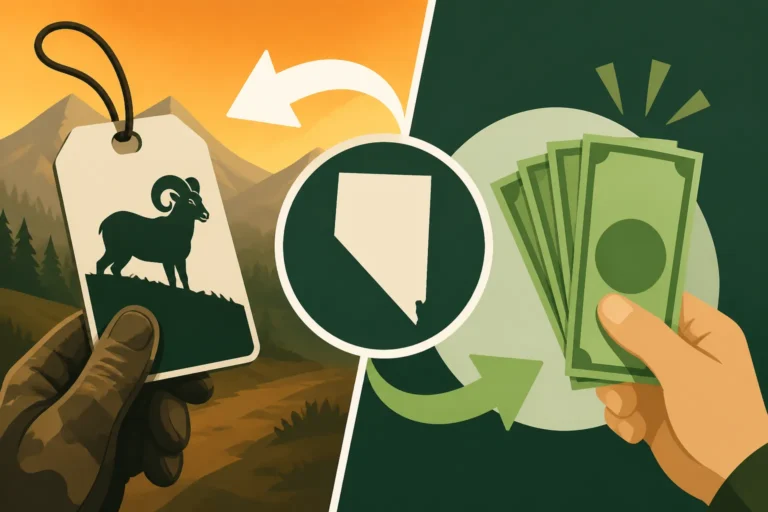
Now, let's talk about the big one: the bighorn sheep tag fee. This is the amount you're charged only if you are successful in the draw. Nevada issues tags for three distinct bighorn subspecies – Desert, California, and Rocky Mountain – each offering a unique hunting experience in specific ranges. The cost of this tag is identical across all three subspecies, but it varies drastically based on your residency status. For a Nevada resident, the bighorn sheep tag is a relative bargain, making these highly coveted tags more accessible for those who call the Silver State home. For non-residents, however, the price jumps significantly, reflecting the premium placed on these limited opportunities for out-of-state hunters. This disparity in pricing is common across many Western states and underscores the value of residency when pursuing trophy animals.
Non-Resident vs. Resident Tag Pricing
The cost difference between a resident and non-resident Nevada bighorn sheep tag is perhaps the most striking aspect of its pricing structure. This distinction is designed to prioritize residents while still allowing non-residents a chance at these unique hunts, albeit at a much higher price point. Understanding this differential is key for anyone planning to apply.
Breaking Down the Financial Disparity
For non-residents, the journey to a Nevada bighorn tag is a substantially more expensive venture right from the start. The non-resident combination license alone can cost several times more than its resident counterpart. Then, if successful in the draw, the non-resident bighorn sheep tag itself is priced at a premium that can easily be ten times what a resident pays. This is a common practice in Western states, reflecting the idea that residents contribute to the state's wildlife management through taxes and other means, thus earning a reduced rate for tags. It's a system that can be frustrating for eager out-of-state hunters, but it's the reality of limited tags and high demand.
To illustrate, consider the rough breakdown in the table below. These figures represent the approximate costs for the core necessities, assuming a successful draw. Keep in mind that these are just the state-mandated fees and don't include any additional hunt expenses like travel, gear, or potential guide services. This initial investment alone shows why non-residents need to have a solid financial plan in place before applying for a bighorn tag.
| Item | Resident Cost (approx.) | Non-Resident Cost (approx.) | Notes |
|---|---|---|---|
| Combination License | $38 | $155 | Annual license, mandatory |
| Application Fee (Bighorn) | $15 | $15 | Non-refundable, per species |
| Bighorn Sheep Tag Fee | $120 | $1,200 | Only charged if successful in the draw |
| Habitat Stamp | $10 | $10 | Mandatory for big game hunters |
| Total (if successful) | ~$183 | ~$1,380 | Excludes bonus points, hunt preparation, travel etc. |
The Role of Bonus Points in the Investment
Nevada employs a squared bonus point system, which significantly influences draw odds, especially for highly desirable tags like bighorn sheep. While not a direct fee every year, purchasing a bonus point without applying for a tag is a strategic investment for many hunters hoping to increase their chances in future draws. Each year you apply and are unsuccessful, you accrue a bonus point, and these points are squared to multiply your chances. For instance, four bonus points in Nevada buy seventeen chances in the draw.
Many applicants, especially non-residents, spend years building up points for sheep, making a continuous, albeit smaller, annual financial commitment to the application process. Platforms like GoHunt are invaluable for understanding how these bonus points affect Nevada Bighorn Sheep Draw Odds and to help formulate a long-term application strategy. This long game means the true "cost" of a bighorn tag isn't just the year you draw, but potentially many years of accumulated application fees and point purchases. How Nevada's Squared Bonus Point System Works is a complex but vital concept for any serious applicant to grasp.
Navigating the Application Process and Financial Commitments
Applying for a bighorn sheep tag in Nevada is more than just submitting a form; it's a strategic process that demands attention to detail, adherence to deadlines, and a clear understanding of the financial implications. The application window is relatively short, and missing a deadline can set you back an entire year on your point accumulation.
Key Application Deadlines and Fees
Nevada's big game applications typically open in March and close in May. It's a critical window, and you need to be ready. The application fee for bighorn sheep, as mentioned, is a small but non-refundable charge that is processed at the time of application. When applying, you'll need to decide which specific units and seasons you're interested in. Researching Nevada Bighorn Sheep Season Dates and the specific units is paramount to making informed choices. NDOW offers tags for different periods within the overall season framework, which might impact your planning.
Many hunters use tools like those offered by GoHunt to research potential units, review harvest statistics, and analyze draw odds before submitting their application. This meticulous pre-application work is essential, especially given the rarity of bighorn tags. You'll also need to ensure you've purchased your Nevada's Combination License Comes Before Any Tag before the application process can even begin, so don't leave that to the last minute.
Beyond the Tag: Other Hunt Costs to Consider
Drawing a bighorn sheep tag is an incredible achievement, but it's just the beginning of the financial journey. The actual hunt itself often incurs significant additional expenses that can dwarf the tag price, particularly for non-residents. These costs vary wildly based on how you plan to hunt and your personal preferences.
For many, a bighorn hunt means significant travel expenses, specialized gear for remote, rugged terrain, and potentially the cost of an outfitter. Nevada's bighorn country is often steep, remote, and challenging, requiring top-tier optics, durable boots, and robust camping gear. Some hunters opt to hire a guide, which can add tens of thousands of dollars to the total bill, but offers invaluable experience and increased chances of success. Even a do-it-yourself hunt requires careful budgeting for fuel, food, and emergency preparedness. Compared to, for instance, The All-In Cost of a Nevada Mule Deer Hunt, a bighorn hunt is in a completely different league financially. These are not trivial costs, and they need to be factored into your overall budget long before you ever apply for the tag. It's a comprehensive financial commitment that only truly passionate and well-prepared hunters are ready to undertake.
Disclaimer
Please remember that hunting regulations, license fees, and tag pricing can change. Always consult the official Nevada Department of Wildlife (NDOW) website and the current year's hunting regulations booklet for the most accurate and up-to-date information before making any plans or financial commitments.