Nevada Bighorn Sheep Season Dates
Trying to pin down the exact season dates for Nevada bighorn sheep can feel like navigating a maze, especially when you consider the draw system and the different subspecies involved. Many hopeful hunters find themselves sifting through endless regulations, trying to understand when they might actually get a chance at a tag of a lifetime. This guide is here to untangle all that, providing a clear, realistic look at Nevada's bighorn sheep season dates and what you need to know to prepare for one of the most coveted hunts in the West.
Understanding Nevada Bighorn Sheep Season Framework
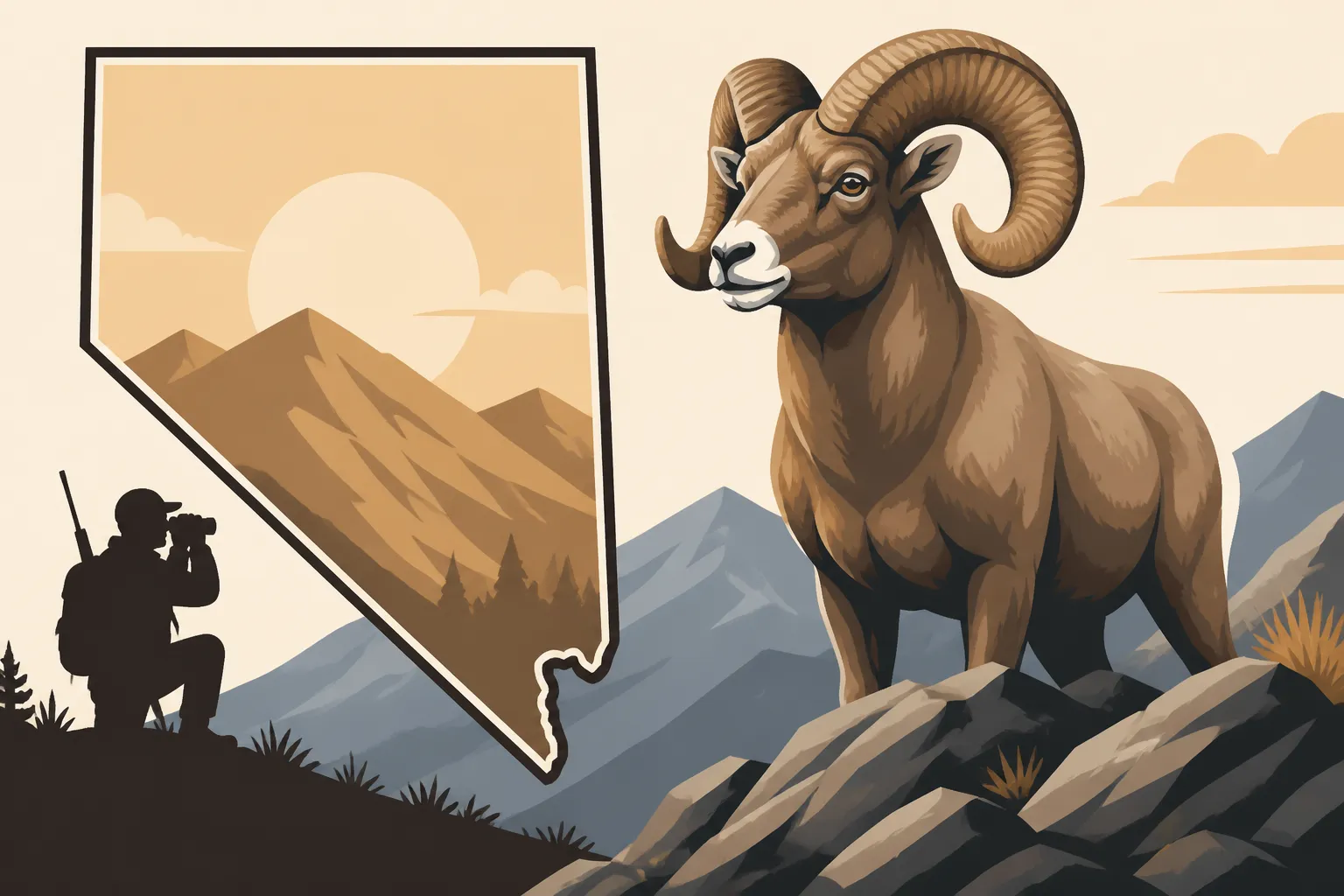
Nevada is truly a special place, holding all three bighorn subspecies within its borders: Desert Bighorn, California Bighorn, and Rocky Mountain Bighorn. This biological diversity makes the state a dream for sheep hunters, but it also adds a layer of complexity to understanding the seasons. While the general window for bighorn sheep hunting in Nevada usually stretches from August into December, the precise dates, units, and even the start and end times can vary considerably by subspecies and by the specific hunt unit you might draw. It's never a one-size-fits-all scenario, and getting a handle on these nuances is crucial.
General Season Timing by Subspecies
For the most part, Nevada's bighorn sheep seasons kick off in early to mid-August, offering some incredible, albeit often brutally hot, early archery opportunities. These early hunts are usually focused on specific units known for their bighorn populations. As the calendar progresses into fall, the rifle seasons generally open, often running through September, October, and even into early December for some units.
The Desert Bighorn, typically found in the rugged, arid mountain ranges of southern Nevada, often have hunts that start in August and can extend into late fall. The heat management on an August archery hunt can be a real challenge, demanding serious preparation for both hunter and harvested animal. California Bighorn, predominantly in the northwestern reaches of the state, often see their seasons align similarly, with early archery and then later rifle seasons. The coveted Rocky Mountain Bighorn, found in the northeastern ranges like the Ruby Mountains, often have seasons that run a bit later into the fall and early winter, sometimes offering hunts right up until the end of December. These later hunts can mean encountering colder temperatures and potentially snow, which brings its own set of challenges but also incredible beauty.
The Critical Role of the Draw System
It's impossible to talk about Nevada bighorn sheep season dates without talking about the draw system. Unlike over-the-counter tags for some species in other states, a bighorn sheep tag in Nevada is acquired solely through a highly competitive draw. This means you can't just decide you want to hunt bighorn next year and buy a tag; you have to apply and be lucky enough to draw one. The application period for Nevada big game hunts generally runs from March 23 to May 13 each year. During this window, you submit your application, making your unit and weapon choices.
Once the application period closes, the wait begins. Nevada draw results land at the end of May, and that's when you find out if your dream of a bighorn hunt will become a reality. If you're successful, then you'll know exactly which unit you drew and the specific season dates assigned to that hunt number. Until you draw that tag, the "season dates" are really just a framework for planning, not a guarantee. This makes careful research into Nevada bighorn sheep draw odds a vital first step for any aspiring sheep hunter.
Hunt Unit Specifics and Weapon Choices
Each hunt unit in Nevada that holds bighorn sheep will have its own unique hunt numbers, which directly correspond to specific season dates and often weapon types. For instance, you might see separate hunt numbers for archery-only seasons versus any legal weapon (rifle) seasons within the same unit. Some units might even have different dates for rams (fully curled or half curl as per Ram Curl Requirements Nevada Enforces) versus ewes, though ewe tags are much rarer and typically used for herd management.
The Nevada Department of Wildlife (NDOW) publishes an annual big game season regulation booklet that details all these hunt numbers, units, and their associated dates. It’s absolutely critical to consult the most current version of this document. An example might be "Hunt Unit 151 Bighorn Ram" with dates from August 10 – August 24 for archery, and then "Hunt Unit 151 Bighorn Ram" with dates from September 1 – December 15 for any legal weapon. The specific unit you draw will dictate your exact hunting window, making your application choices paramount.
Annual Regulation Changes and Finding Current Dates
The hunting world isn't static, and neither are Nevada's regulations. Season dates, quotas, and even unit boundaries can see adjustments from year to year. Relying on outdated information is a surefire way to run into problems or miss opportunities. Staying on top of the most current regulations is an essential part of responsible and successful hunting.
Why Season Dates Can Shift
Several factors influence why Nevada's bighorn sheep season dates might shift annually. Wildlife management is a dynamic science, and NDOW biologists are constantly monitoring herd health, population trends, and habitat conditions. If a particular herd is struggling due to factors like disease die-offs, harsh winters, or even changes in water availability (which is a huge factor in the desert), tags might be reduced, or seasons adjusted to protect the population. Conversely, if a herd is thriving and biologists determine a higher harvest is sustainable, tag numbers might increase, or season lengths could be expanded.
Weather patterns, especially drought cycles, play a significant role. Prolonged drought can impact forage quality and water sources, which in turn affects bighorn survival and reproduction. NDOW uses data from sources like annual aerial surveys and herd management plans to make these informed decisions. Understanding how biologists count a desert big game herd helps you appreciate the science behind these season frameworks.
Where to Find Official Dates and Unit Information
When it comes to official, ironclad season dates, there's only one source to trust: the Nevada Department of Wildlife (NDOW). Every year, usually in late winter or early spring, NDOW releases its Big Game Seasons and Application Guide. This comprehensive document is your bible for all things related to big game seasons, dates, unit descriptions, and application rules.
You can typically find this guide on the NDOW website. It's usually available as a downloadable PDF, and it’s critical to download the current year's version. Don't rely on last year's printout you found in your hunting pack! The document will list every hunt unit, every species, and the precise season dates for each hunt code. It also includes important details like legal shooting hours and blaze orange requirements where applicable, though for bighorn, blaze orange is generally not required during archery seasons.
Leveraging Tools for Planning and Research
Beyond the official NDOW regulations, there are excellent tools available that can help you visualize and understand hunt units and their associated dates more easily. Platforms like GoHunt, for example, compile and present this information in user-friendly formats, often with maps overlaying unit boundaries and historical draw odds. While GoHunt is a fantastic resource for planning and research, always cross-reference its information with the official NDOW regulations before submitting your application. Think of GoHunt as a powerful lens through which to view the data, but NDOW is the source of truth.
Using such tools allows you to E-Scouting a Nevada Unit Before the Season, giving you a comprehensive overview of potential hunting areas, terrain, and even historical success rates, which can be invaluable when deciding on your unit choices during the application period. You can see how specific season dates might align with known bighorn behaviors or migration patterns within a unit, helping you plan for a better hunt experience.
Here’s a general overview of typical bighorn season timing in Nevada:
| Bighorn Subspecies | Typical Season Start | Typical Season End | Primary Weapon Type | Typical Hunt Units |
|---|---|---|---|---|
| Desert Bighorn | Early August (Archery) | Mid-December | Archery/Rifle | Southern NV, e.g., 268 |
| California Bighorn | Mid-August (Archery) | Late November | Archery/Rifle | Northwestern NV, e.g., 032 |
| Rocky Mountain Bighorn | Early September (Archery) | Late December | Archery/Rifle | Northeastern NV, e.g., 071 |
Note: These are typical ranges. Always consult the current year's NDOW Big Game Seasons and Application Guide for precise dates and unit-specific details.
Planning Your Bighorn Application Strategy Around Season Dates
Drawing a Nevada bighorn tag is a monumental achievement, a true "tag of a lifetime" for many hunters. Because of the rarity of these tags, your application strategy needs to be meticulously planned, with season dates playing a significant role in your unit choices and overall preparation. It's not just about drawing a tag; it's about drawing the right tag for you and your hunting style.
Aligning Hunt Choices with Preferred Conditions
When you're submitting your application, you'll have to choose specific hunt units and weapon types. This is where you need to consider what kind of hunt experience you're hoping for. Do you dream of an early season archery hunt, challenging yourself against the extreme heat and potentially unpressured animals? Then you'll be looking at August start dates. Are you hoping for a classic fall rifle hunt, where cooler temperatures might mean more active animals and slightly less strenuous conditions? Then you'd focus on September and October dates. Or perhaps a late-season hunt, where snow can push sheep to lower elevations and create dramatic tracking opportunities, appealing to you, even with the added cold weather demands.
Consider your physical condition. An August Desert Bighorn hunt in the blistering sun will test your endurance in ways a late November Rocky Mountain Bighorn hunt in the snow will. Both are incredibly challenging, but in different ways. Reading a Nevada Hunt Unit Before You Apply will give you insights into the terrain and potential conditions you'd face during various season dates. Knowing the typical weather patterns for an area during certain months is just as important as knowing the exact season start and end dates.
Logistics and Physical Preparation
Once you've drawn a tag, the season dates become the hard deadline for all your preparation. If you've drawn an early August archery tag, your physical conditioning for long glassing days in hot, dry conditions needs to be dialed in. You'll need to think about how you'll keep meat cool and fresh in the intense summer heat, and what specific gear you'll need for those conditions. For a late-season rifle hunt, your focus shifts to cold weather gear, layering systems for basin and range temperature swings, and potentially planning for snow and ice on the roads and trails.
The specific season dates will also dictate your travel logistics. Will you be able to take time off work? Does it conflict with other family commitments? For many, drawing a bighorn tag means re-arranging their entire fall schedule. This is also when you might start looking into options like a Nevada Bighorn Sheep Guided Hunts, especially if the terrain or logistics of a particular season date are beyond your solo capabilities. A guide can offer invaluable assistance with everything from scouting to game retrieval, particularly in remote and rugged bighorn country. The logistics of a horseback drop camp might become a serious consideration for those deeply committed to reaching remote areas during late-season hunts.
A Once-in-a-Lifetime Opportunity
For most hunters, a Nevada bighorn sheep tag is truly a once-in-a-lifetime draw. The tags are so rare that drawing one means you likely won't draw another in the state for that species. This rarity underscores the importance of being fully prepared for whatever season dates you draw. It means dedicating yourself to preseason scouting, understanding the animal's behavior during your specific hunt window, and being in peak physical condition.
Don't let the excitement of drawing a tag overshadow the practicalities. The season dates are not just numbers on a calendar; they dictate the entire character of your hunt. From the weather you'll face to the vegetation the sheep will be feeding on, and even the rutting activity, everything is tied to those dates. Approach your application and subsequent hunt planning with the seriousness and respect that a Nevada bighorn hunt deserves, and you'll maximize your chances for success and create an unforgettable experience.
Disclaimer
Please note that hunting regulations, seasons, and dates are subject to change. Always consult the official Nevada Department of Wildlife (NDOW) website and the current year's Big Game Seasons and Application Guide for the most accurate and up-to-date information before planning or participating in any hunting activity. This guide is for informational purposes only and does not constitute legal advice or official regulation interpretation.