Nevada Silver State Tag Explained
It’s a feeling every hunter who applies in Nevada knows: the gnawing anticipation of draw results, often followed by the familiar disappointment of another unsuccessful year. We stack up those bonus points, dream about the big bucks and bulls in the Silver State, and patiently wait. But what if there was a way to bypass some of that uncertainty, to secure a tag that offers unparalleled flexibility and access to some of Nevada’s best hunting opportunities? That's precisely what the Nevada Silver State Tag aims to provide, and understanding its nuances is key to knowing if this unique offering fits your hunting aspirations.
What Exactly is the Nevada Silver State Tag?
The Nevada Silver State Tag isn't just another hunting tag; it's a special, high-value permit designed to offer an extraordinary hunting experience. Unlike the general draw where thousands compete for a limited number of tags each year, the Silver State Tags are a select few, specifically allocated for auction or raffle. These tags are highly sought after because they often come with extended season dates and the flexibility to hunt across a broader range of units than a standard draw tag might allow. It’s a completely different animal compared to your typical limited-entry tag.
The Philosophy Behind the Program
The core philosophy behind the Silver State Tag program is two-fold: to raise significant funds for wildlife conservation and management within Nevada, and to offer a unique, premium hunting experience to those who acquire them. The funds generated from the sale of these tags—which often fetch tens or even hundreds of thousands of dollars at auction—go directly back into projects that benefit the very wildlife species being hunted. This includes habitat improvement, research, transplant efforts, and law enforcement, all vital to sustaining Nevada’s magnificent big game populations. So, while it's a premium opportunity for the hunter, it's also a crucial funding mechanism for the health of the state's wildlife.
For many hunters, contributing to conservation is a deeply held value, and the Silver State Tag provides a direct, impactful way to do so. It’s a program where the pursuit of a trophy animal directly translates into tangible benefits for the entire ecosystem. This isn't just about bagging a big animal; it's about investing in the future of hunting in Nevada. It’s a powerful testament to the idea that responsible hunting can be a driving force for conservation.
How It Differs from Standard Tags
The differences between a Silver State Tag and a standard general draw tag are substantial, impacting everything from application strategy to the actual hunt itself. For most hunters, applying for big game in Nevada means navigating a complex bonus point system where "Nevada Squares Your Bonus Points Into Draw Chances" to increase your odds, but even then, drawing a top-tier unit is a long shot. The Silver State Tag bypasses this entire system; there’s no point accumulation for these specific tags.
Furthermore, a typical tag comes with strict unit boundaries and predefined season dates, often for just a week or two. For example, if you draw a standard rifle elk tag, you're locked into a specific unit and a relatively short season. In contrast, a Silver State Tag usually grants access to hunt multiple units within a broader region, or even statewide for certain species, for an extended period, sometimes several months long. This incredible flexibility allows hunters to scout more thoroughly, adapt to changing conditions, and wait for optimal opportunities, significantly increasing their chances of success and the quality of their hunt. It's truly a game-changer for those who value time and options in the field.
This extended season and unit flexibility also means less pressure. With a standard tag, you might feel rushed, trying to make the most of a limited window. A Silver State Tag, however, allows you to meticulously plan your hunt, perhaps waiting for the ideal weather conditions, the peak of the rut, or even a specific animal you've been monitoring. This eliminates much of the stress and urgency that often accompanies a regular draw hunt, transforming it into a much more relaxed and strategic endeavor. You can really dive deep into "E-Scouting a Nevada Unit Before the Season" and then leverage your extended season to explore those possibilities.
Species Available Under the Silver State Program
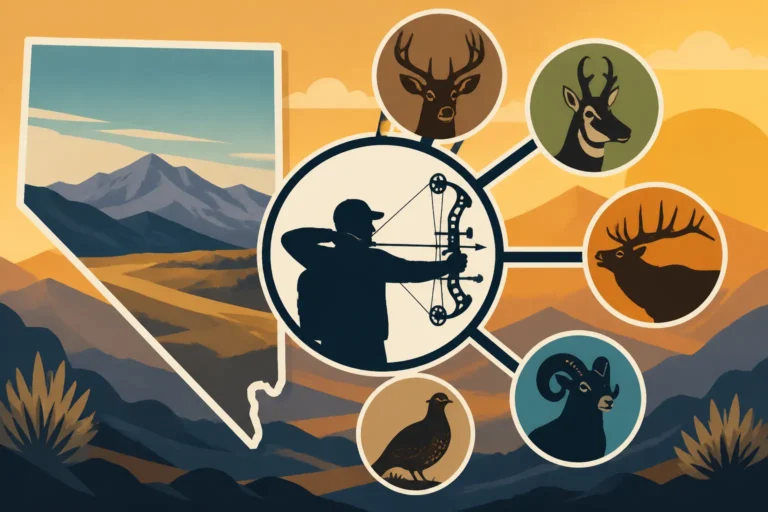
The Silver State Tag program typically focuses on Nevada’s most iconic and sought-after big game species. While the exact allocation can vary slightly year to year based on wildlife population dynamics and management goals, you'll most commonly find these tags offered for mule deer, elk, bighorn sheep (Desert, California, and sometimes Rocky Mountain varieties), and pronghorn antelope. These are the species that hunters dream about pursuing in the vast, wild landscapes of Nevada.
Each species' Silver State Tag is highly coveted, but perhaps none more so than the bighorn sheep tags. Drawing a bighorn sheep tag through the regular system is an incredibly rare feat, often taking decades of applying and building points. The Silver State sheep tag offers a direct path to pursuing one of North America's most challenging and majestic animals. Similarly, the elk and mule deer tags under this program allow for the pursuit of truly massive animals across vast territories, often during prime times of the year, like the rut, giving hunters an incredible edge.
It’s important to note that these are usually for trophy class animals. While any legal animal can be harvested, the nature of the tag—its cost and the flexibility it provides—means that hunters typically hold out for truly exceptional specimens. This contributes to the tags' allure and their ability to generate significant conservation funds. The chance to target a specific, mature animal over an extended period is a luxury that few hunters ever experience.
Eligibility and Application Process
Unlike the typical application process for general tags, where you meticulously track "Nevada Applications Run March 23 to May 13" and worry about bonus points, the Silver State Tag system operates differently. There's no standard application form you fill out to enter a lottery for these specific tags. Instead, these tags are typically awarded through two primary methods: public auction and raffle.
Who Can Apply for a Silver State Tag?
The primary method for obtaining a Silver State Tag is through a competitive auction, often hosted by a major conservation organization. These auctions are open to anyone with the financial means to bid. This means they attract serious collectors, high-net-worth individuals, and dedicated conservationists from across the nation, and even internationally, all vying for these exclusive permits. The prices can be staggering, reflecting the rarity and value of the opportunity.
The other avenue is a public raffle. Nevada's Dream Tag raffle, for instance, allows any hunter, resident or nonresident, to purchase raffle tickets for a chance to win one of these coveted tags. This makes the opportunity more accessible to the average hunter who might not have hundreds of thousands of dollars to spend at auction. While the odds of winning a raffle are still incredibly slim, the relatively low cost of a ticket makes it an exciting dream for many. You essentially get a chance at a hunt of a lifetime without the decade-long point accumulation.
It's crucial to understand that even if you acquire a Silver State Tag, you still need to meet all standard Nevada hunting license requirements, including having a valid "Nevada's Combination License Comes Before Any Tag" and any required hunter education certifications. While the tag itself is special, the foundational requirements for legal hunting remain the same. This ensures that all Silver State Tag holders are still responsible, educated hunters adhering to the state's regulations.
The Application Window and Requirements
For the auction tags, there isn't a traditional "application window" like with the general draw. Instead, these tags are auctioned off at various conservation conventions throughout the year, often in late winter or early spring. Organizations like the Wild Sheep Foundation, Rocky Mountain Elk Foundation, and Mule Deer Foundation frequently host these events. Prospective bidders need to track these events, register, and be prepared to participate in a live or online auction. It’s a very different process than simply filling out an online form by the "Nevada Application Deadline Date."
For the raffle tags, such as the Nevada Dream Tag, there is indeed a specific entry period. Hunters can usually purchase raffle tickets online through the Nevada Department of Wildlife (NDOW) website or authorized vendors for several months leading up to the draw, which often coincides with the general draw results, when "Nevada Draw Results Land at the End of May." The requirements for raffle entry are minimal: typically, you just need to be a legal age to purchase a ticket and, if you win, to legally hunt.
Regardless of how you acquire the tag, once awarded, you'll need to promptly fulfill any licensing and reporting requirements. This includes officially accepting the tag, paying any final fees (if applicable), and ensuring all your hunter education and license prerequisites are met. Unlike regular tags where "How Nevada Notifies Successful Applicants" via email, for auction tags, the notification is immediate. For raffle tags, it's typically an official announcement.
Understanding the Odds and Strategy
Let's be real: the "odds" for a Silver State Tag are either astronomically low (for a raffle) or require an astronomical budget (for an auction). For raffle tickets, the odds are akin to winning a lottery – you're competing against thousands, sometimes tens of thousands, of other hunters for a single tag. There's no real "strategy" other than buying as many tickets as you can afford, understanding that it's still largely a game of chance. You're buying a dream, a chance at a truly special hunt.
For the auction tags, the strategy shifts from chance to financial readiness and tactical bidding. Potential bidders often have pre-determined budgets and may even team up with others to pool resources for a collective bid. Researching past auction prices for similar tags can give you an idea of what to expect, but ultimately, it comes down to who wants it most on the day of the auction. This isn't just about money; it's about deeply desiring the unique hunting experience these tags offer and being willing to pay a premium for it, knowing that your funds go to a good cause.
Many hunters, like those who diligently follow "GoHunt" and other Western hunting resources, use data and analysis to inform their general draw strategies. However, for Silver State Tags, that analytical approach is largely supplanted by either pure luck or sheer financial commitment. It's a different game entirely, a separate tier of opportunity that operates outside the usual draw mechanics. The key is to decide which avenue aligns with your personal hunting goals and resources.
The Benefits and Considerations
Securing a Nevada Silver State Tag is a unique opportunity, but it comes with distinct advantages and significant considerations that set it apart from typical draw hunts. It's not just a tag; it's an investment in an experience, and understanding both the upsides and the practical realities is crucial.
Unparalleled Flexibility and Extended Seasons
One of the absolute biggest draws of a Silver State Tag is the incredible flexibility it provides. Imagine having the freedom to hunt a sought-after species, not for a mere week or two, but for an extended season that can span several months, from early archery through late rifle seasons. This allows you to pick and choose your hunting dates, adapting to weather patterns, animal movements, and even personal schedules. If an early storm rolls through and pushes deer down, you can be there. If the elk rut is later than usual, you can adjust. This is particularly appealing for species like mule deer, where hunters often seek to understand "Why Late Seasons Produce Bigger Bucks" as the rut kicks in, and the Silver State Tag ensures you're there for it.
Beyond extended seasons, many Silver State Tags offer expanded unit access, often allowing the hunter to pursue their animal across multiple units or even statewide for a particular species. This is a monumental advantage in a state like Nevada, characterized by vast, open landscapes and dispersed animal populations. Instead of being confined to a single unit where conditions might not be ideal, you can literally follow the animals, adapting your strategy to where they are, not where the map says they should be. This drastically increases the probability of encountering the caliber of animal you're hoping for and makes for a truly personalized hunt.
This level of flexibility also enables truly unique hunting strategies. A hunter with a Silver State Tag might opt for multiple trips throughout the season, perhaps starting with an early archery attempt, then returning for a muzzleloader hunt, and finally pursuing the animal with a rifle in the late season. This kind of multi-season, multi-unit approach is simply impossible with a standard draw tag. It's the ultimate freedom for a hunter to craft their ideal experience, unbound by the usual constraints of time and geography. You could spend weeks "Glassing Nevada's Basin and Range for Mule Deer" to pinpoint the perfect animal before making your move.
Cost Implications and Financial Planning
Let's not sugarcoat it: the cost of a Silver State Tag, particularly through auction, is substantial. These tags can regularly fetch five or even six-figure sums, making them accessible only to a very small segment of the hunting community. For instance, while "A Nonresident Nevada Elk Tag Runs $1,200" for a standard draw, a Silver State elk tag could easily command prices in the tens of thousands. This financial barrier is the primary reason why most hunters will never hold one of these tags.
For those considering an auction tag, careful financial planning is absolutely essential. This isn't a spontaneous purchase; it's a significant investment. Beyond the tag itself, hunters must factor in the additional costs of an extended hunt: travel, lodging, guides, specialized gear, and potentially multiple trips. Often, hunters who acquire these tags also hire professional guides and outfitters to maximize their chances of success, which adds another layer of substantial expense. This is a full-package, top-tier hunting experience, and it's priced accordingly.
The raffle tags, while still offering slim odds, present a much more affordable entry point. With ticket prices typically ranging from $5 to $20, the cost is within reach for most hunters. For many, purchasing a few raffle tickets is an annual tradition, a way to dream big and contribute to conservation without breaking the bank. It's important to be realistic about the odds, but for a minimal investment, it provides a chance at that unparalleled hunting opportunity.
Ethical Considerations and Community Impact
While the Silver State Tag offers incredible personal hunting opportunities, it also raises important ethical considerations and has a significant impact on the broader hunting community and conservation efforts. The immense funds generated are a crucial lifeline for NDOW and various conservation organizations, directly supporting critical research, habitat restoration, and wildlife population management. This direct funding ensures that future generations will also have opportunities to pursue these magnificent animals.
However, the high cost of auction tags can also lead to discussions about equity and access. Some argue that such expensive tags disproportionately favor the wealthy, creating an exclusive tier of hunting that is out of reach for the average person. While this is a valid point, it’s also important to remember that these tags represent an additional opportunity, not a replacement for the general draw. The revenue generated from these high-value tags often benefits all hunters by improving the overall health and management of the resource, including the animals pursued by general draw tag holders.
Ultimately, the Silver State Tag program walks a fine line between providing exclusive experiences and generating essential conservation funding. For hunters who choose to pursue these tags, there's a unique responsibility to conduct their hunt ethically, respect the resource, and truly appreciate the profound contribution their investment makes to wildlife conservation in Nevada. It's a testament to the fact that hunting can be a powerful force for good, even if the pathway to participation differs.
Practical Advice for Silver State Applicants
If you're considering the Nevada Silver State Tag, whether through a high-stakes auction or the more accessible raffle, there are some practical steps you can take to maximize your chances and prepare for what truly could be the hunt of a lifetime. This isn't just about money; it's about strategy and readiness.
Researching Units and Species
Even with the expansive freedom a Silver State Tag offers, careful research into specific units and the behavior of your chosen species is paramount. Many hunters dream of a particular trophy, and the Silver State Tag gives them the best possible chance to realize that dream. Start by deeply understanding the target species. For mule deer, for instance, knowing the peak of the rut, migration patterns, and preferred habitats in different parts of the state is critical. The ability to hunt an extended season means you can truly pinpoint when and where to focus your efforts.
Next, dive into the various units within Nevada that are known for producing trophy animals of your chosen species. Resources like GoHunt, and the NDOW's own harvest statistics, provide invaluable data on success rates, trophy quality, and population trends. While a Silver State Tag often allows for multi-unit or statewide access, having a refined list of top-tier units to concentrate your initial efforts can save immense time and effort. "Reading a Nevada Hunt Unit Before You Apply" is still incredibly important, even if you’re not restricted to just one.
Consider the terrain and logistical challenges of your preferred units. Nevada is a vast state of mountains and basins, and even with a flexible tag, you'll need to be physically prepared and have the right equipment for the specific environment you choose. Some areas are incredibly remote, requiring significant planning for vehicle access, water, and emergency preparedness. The more informed you are about the specific areas you might hunt, the better equipped you'll be to leverage the tag's flexibility to your advantage.
Utilizing Data and Resources
In today's digital age, there's a wealth of data and resources available to help you plan an extraordinary hunt, even if you're not going through the traditional draw system. Websites like GoHunt provide detailed draw odds, harvest statistics, and unit profiles that can help inform your decision-making, even for a Silver State Tag. While you're not worried about your personal "Nevada Draw Odds by Unit" for the Silver State Tag itself, looking at those same statistics can give you an idea of which units consistently produce high-quality animals.
Beyond statistical data, leverage mapping software and satellite imagery for intensive e-scouting. With an extended season and broad unit access, you have the luxury of identifying potential bedding areas, feeding grounds, water sources, and travel corridors well in advance. Tools like onX Hunt can be indispensable for this, allowing you to mark waypoints, assess terrain, and plan potential access routes from the comfort of your home. This pre-season intelligence gathering is crucial for maximizing your time in the field, especially when you have such a valuable tag in hand.
Networking with other experienced Nevada hunters, or even consulting with a reputable guide who specializes in Silver State hunts, can also provide invaluable insights. These individuals often have intimate knowledge of specific areas, animal behavior, and seasonal nuances that can't be found in data tables. Their real-world experience, combined with your research, will create a formidable hunting plan.
Preparing for a Once-in-a-Lifetime Hunt
Holding a Nevada Silver State Tag isn't just about the financial investment; it's about committing to a hunt that most people only dream about. This means preparing physically, mentally, and logistically for an experience that could span weeks or months. Physical conditioning is paramount, especially in Nevada's rugged terrain. Whether you're chasing bighorns in steep mountains or glassing for mule deer across vast basins, you need to be in peak shape.
Logistically, consider the long game. You'll likely make multiple trips to the field, so plan for reliable vehicle transport, spare tires, extra fuel, and robust camping gear. Think about how you'll handle meat care in varying temperatures across an extended season. If you're fortunate enough to harvest early in a warm archery window, proper cooling will be essential. This foresight prevents potential setbacks and ensures the quality of your harvest.
Finally, embrace the experience. A Silver State Tag is more than just a hunt; it's a journey, a unique opportunity to immerse yourself in Nevada's wild landscapes and pursue an iconic animal under exceptional circumstances. Be prepared to spend significant time in the field, learn from every outing, and savor every moment of what truly is a once-in-a-lifetime adventure. It's the culmination of a dream, supported by a program that gives back directly to the wildlife you cherish.
| Feature | Nevada Silver State Tag | Standard General Draw Tag |
|---|---|---|
| Acquisition | Auction (high bid) or Raffle (lottery) | Bonus Point System & Random Draw |
| Season Length | Extended; often several months (e.g., Aug-Nov) | Limited; typically 1-2 weeks |
| Unit Access | Broad; often multiple units or statewide for species | Restricted to specific unit(s) |
| Cost (Typical) | Very High (tens to hundreds of thousands USD for auction) | Moderate (hundreds to low thousands USD) |
| Conservation Impact | Direct, substantial funding for wildlife projects | Indirect, through license and application fees |
| Flexibility | Maximum; choose dates, adapt to conditions | Minimal; fixed dates, limited flexibility |
| Bonus Points | Not applicable for acquisition | Crucial for improving draw odds |
| Target Audience | High-net-worth hunters, dedicated conservationists, raffle hopefuls | All eligible hunters, residents & nonresidents |
Disclaimer
The information provided in this guide is for general informational purposes only and is subject to change. Hunting regulations, tag availability, and program specifics for the Nevada Silver State Tag, as well as general big game hunting, are determined by the Nevada Department of Wildlife (NDOW) and may be updated annually. Always consult the most current NDOW regulations and official sources before making any hunting plans or financial commitments.