Nevada Elk Muzzleloader Dates by Unit
Trying to figure out exactly when and where you can hunt elk with a muzzleloader in Nevada can feel like deciphering a secret code. It’s not a one-size-fits-all situation here; the Silver State's elk muzzleloader dates vary significantly from unit to unit, leaving many hunters scratching their heads and worried about missing an opportunity. This guide is here to untangle that complexity, giving you a clear picture of how these seasons are structured and what you need to know to plan your elk hunt.
The Nuance of Nevada Elk Muzzleloader Seasons
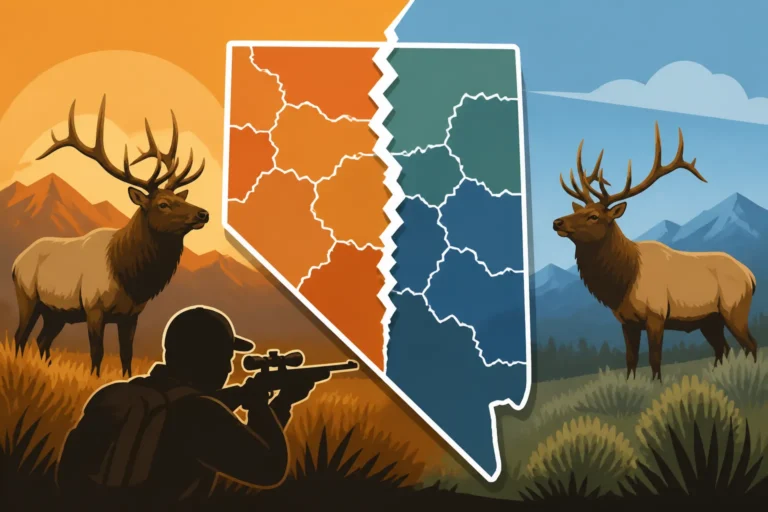
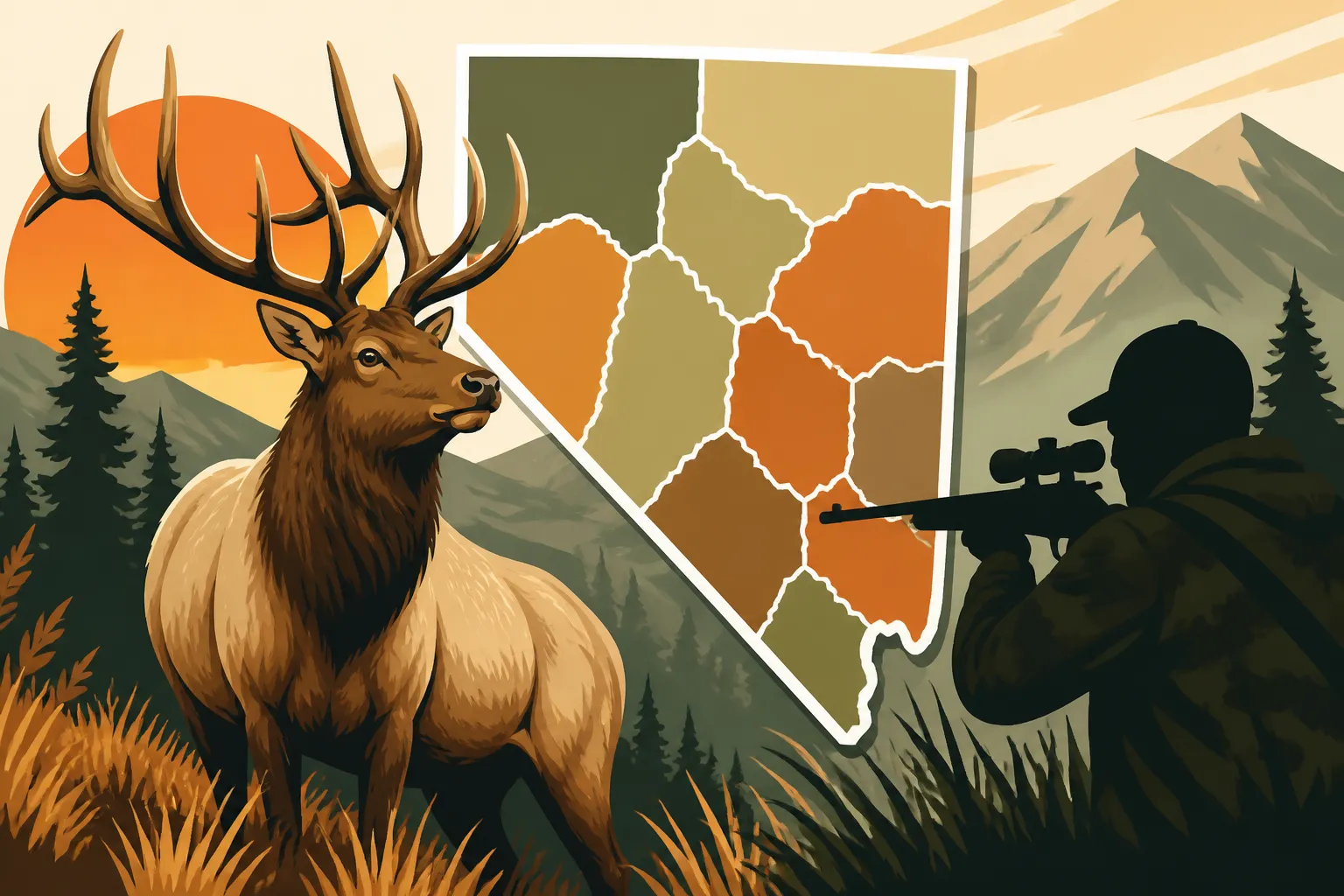
Nevada is a draw state, and getting an elk tag, especially a muzzleloader tag, is a dream for many. But unlike some other states where muzzleloader seasons might be more standardized, Nevada operates on a unit-by-unit basis for most big game. This means the dates for hunting elk with a muzzleloader aren't set statewide; they're meticulously carved out for specific management units, often reflecting herd objectives, public pressure, and habitat conditions in that particular area.
The Nevada Department of Wildlife (NDOW) designs these seasons with precision, aiming to balance hunter opportunity with sustainable wildlife management. For a muzzleloader hunter, this often translates into unique windows that might fall anywhere from late September into early October, sometimes even extending into November depending on the unit. These dates are crucial because they dictate not only when you can hunt but also what conditions you might encounter – think pre-rut activity, the full-blown rut, or even post-rut dispersal, all impacting your strategy. It’s a lot to keep track of, and that’s precisely why understanding the pattern and knowing where to look is half the battle.
Why Unit-Specific Dates Matter for Hunters
The variability of muzzleloader dates across Nevada's expansive landscape isn't just a bureaucratic detail; it fundamentally shapes your hunting experience. Imagine drawing a coveted Unit 111 muzzleloader tag that opens in late September, hoping to catch the tail end of bugling activity, only to find out the season in Unit 071, which you were also considering, runs well into October. These differences mean everything when you're trying to align your vacation time, scout your unit, and strategize for animal behavior.
Successful hunters in Nevada know that meticulous planning starts with understanding these season dates. It influences everything from deciding which specific Nevada Elk Muzzleloader Timing by Unit to apply for, to your e-scouting efforts, and even your physical conditioning for what could be a cold, late-season hunt. Ignoring these unit-specific nuances can lead to applying for a hunt that doesn't fit your schedule or your hunting style, which is a mistake no one wants to make after accumulating points for years.
Understanding the NDOW Regulations Booklet
Your absolute go-to resource for current Nevada big game season dates, including those for elk muzzleloader hunts, will always be the official NDOW Big Game Seasons and Regulations booklet. This document is released annually, typically in the spring, well before the application period closes. It’s where all the legalities, dates, and unit boundaries are laid out in black and white. Don't rely on old information or forum discussions alone; always cross-reference with the official source.
The booklet will list each hunt number, which is a unique identifier that encodes the species, weapon type, and season dates. For instance, a hunt number like "2012" might signify an elk muzzleloader hunt in a specific unit during a defined period. Learning how to Read a Nevada Hunt Unit Number is incredibly valuable for decoding these regulations quickly and accurately. Pay close attention to the specific weapon type listed for each hunt; a muzzleloader hunt won't be mixed with a general rifle or archery hunt, and the regulations are very strict on legal equipment for each.
Breaking Down Key Muzzleloader Units and Their Dates
While specific dates shift slightly year to year based on wildlife board decisions, the general framework and timing for muzzleloader elk hunts in particular units tend to follow patterns. Many units offer a muzzleloader season, usually a shorter window compared to rifle seasons, emphasizing the challenge and unique nature of hunting with a traditional muzzleloader.
Let's look at some typical scenarios and common unit groupings that might have muzzleloader elk seasons. Keep in mind this is illustrative, and verifying the current year's regulations is paramount.
| Unit Group (Example) | Typical Muzzleloader Elk Season | Notes |
|---|---|---|
| Northeastern Units (e.g., 031, 032, 034) | Late September – Early October | Often coincides with late rut activity. Higher elevations, potentially colder weather. |
| Central Units (e.g., 111, 115, 121) | Mid-October – Late October | Post-rut or transitional periods. Focus on water sources and bedding. |
| East-Central Units (e.g., 141, 142, 145) | Late September – Mid-October | Can offer good bugling opportunities, but also early snow. |
| Southern Units (e.g., 221, 231) | Early October – Early November | Typically warmer, less snow, but elk can be harder to locate. Longer season window possible. |
This table provides a generalized idea, but the exact dates and unit combinations can change. For example, some units might see their Nevada Elk Muzzleloader Timing by Unit fall exclusively in September, while others extend into November. This is why thorough research is non-negotiable. Using tools like GoHunt can be incredibly helpful here, as they often aggregate this information in a user-friendly format, cross-referencing it with draw odds and harvest success.
Which Units Typically Open Elk Muzzleloader in September
Many hunters dream of a September elk hunt, drawn by the allure of bugling bulls and crisp autumn air. While Nevada's archery elk seasons definitely cater to this, there are indeed specific units that open their muzzleloader seasons in September, often running into early October. These hunts are highly coveted because they often align with the peak of the rut, providing an exhilarating challenge for muzzleloader enthusiasts.
Units located in the northern and eastern parts of the state, particularly those with higher elevations and established elk populations, are the most likely candidates for early muzzleloader openers. Think of areas within the Humboldt-Toiyabe National Forest or the Ruby Mountains. These early seasons demand excellent physical conditioning and preparedness for changing weather, but the reward of calling in a bull with a muzzleloader during the rut is unparalleled. When you're looking at the regulations, keep an eye out for hunt codes assigned to these more mountainous, timbered units. These early season hunts can also mean dealing with more vegetation, making those long-distance shots typical of Nevada's open country less common, and requiring a different approach.
Muzzleloader Season Extenders: How Late the Hunts Run
On the other end of the spectrum, some Nevada units offer muzzleloader elk hunts that extend well into October, and in some rare cases, even into November. These later seasons present a completely different set of challenges and opportunities. By mid to late October, the rut is generally winding down, and elk are shifting from breeding patterns to feeding and preparing for winter. Snow can be a significant factor, especially at higher elevations, which can either push elk down or concentrate them in specific areas, making them more predictable.
These late-season muzzleloader hunts often appeal to hunters who prefer tracking or still-hunting, as opposed to solely relying on calling. The colder temperatures mean meat care is easier, but the shorter days and potential for harsh weather mean you need to be exceptionally prepared for primitive camping conditions and difficult travel. Units in the central and eastern portions of Nevada that feature significant public land, such as those that encompass portions of the Schell Creek and Snake Ranges, might offer these extended opportunities. Always check the official Nevada Elk Muzzleloader Dates by Unit for the current year.
Strategies for Planning Around Muzzleloader Seasons
Once you've zeroed in on the units and dates that align with your hunting aspirations, the real planning begins. Navigating the application process, understanding equipment regulations, and preparing for the unique challenges of muzzleloader hunting in Nevada requires a strategic mindset.
Applying for the Right Muzzleloader Tag
The Nevada draw system is complex, but understanding it is key to securing one of these sought-after tags. You'll first need to purchase a Nevada's Combination License Comes Before Any Tag before you can even apply for a big game tag. The application period typically runs from March 23rd to May 13th each year. During this window, you'll select your hunt choices, including the specific unit and muzzleloader season dates.
Researching draw odds is critical. Resources like GoHunt provide invaluable data on historical draw success rates for specific hunt codes, allowing you to make informed decisions about where to apply. Some units will have significantly better odds than others, often correlating with population density, terrain, and trophy potential. It’s a balancing act between applying for a dream unit with long odds and a more attainable unit. Many hunters choose to prioritize building bonus points by selecting "point only" as their first choice in some years to increase their chances in future draws.
Muzzleloader Specifics: Equipment and Rules
Nevada has specific regulations regarding muzzleloaders for big game. This isn't just about the dates; it's about what you can legally shoot with. For elk, there are minimum caliber requirements. Generally, a muzzleloader must be .50 caliber or larger. It's also important to know if Can You Use a Scope on a Muzzleloader? in Nevada for big game hunts, and the answer is typically yes, but always confirm the latest regulations as they can change.
Another hot topic is the use of sabot bullets. While some states restrict them, Nevada generally allows Sabot Bullets in a Muzzleloader, which can significantly improve accuracy and range over traditional patched round balls. However, ensure your chosen bullet meets minimum weight and construction requirements for elk. The key is to be proficient with your chosen setup well before the season. Practice shooting at various distances and in different field positions, especially if you're planning on long shots that are common in Nevada's open country.
E-Scouting and Physical Preparation
Once you have a tag in hand for a specific unit and muzzleloader season, the next step is intensive e-scouting. Using mapping software like onX Hunt or GoHunt maps is essential. You'll want to identify potential water sources, bedding areas, travel corridors, and escape routes within your chosen unit. Since many Nevada muzzleloader seasons fall outside the peak heat of summer, Hunting Water in Nevada's Driest Country might still be a key strategy, but cold weather sources become more important.
Physical preparation cannot be overstated. Nevada's terrain is rugged and vast, even for muzzleloader hunters. Whether you're chasing elk in the high country or glassing wide open basins, you'll be covering significant ground, often at elevation. Long days of hiking, potentially through snow or steep grades, demand excellent cardiovascular fitness and strong legs. Don't underestimate the physical toll, especially if you're packing out an animal far from a road. Start training months in advance to ensure you're ready for the challenge.
Key Considerations for Your Nevada Muzzleloader Hunt
A muzzleloader elk hunt in Nevada is a truly unique experience, blending traditional hunting methods with the challenges of vast Western landscapes. Beyond the dates and the draw, there are several practical considerations that can make or break your hunt.
Weather and Terrain Challenges
Nevada's weather can be notoriously unpredictable, especially during the fall muzzleloader seasons. A hunt starting in late September might offer mild days, but a sudden cold front can bring snow and freezing temperatures overnight. Similarly, a late October hunt could be clear and cold or see you trudging through several inches of powder. This makes layering crucial for your clothing system. You need to be prepared for everything from chilly mornings to warm afternoons, and potentially harsh winter conditions.
The terrain itself is another factor. The "Basin and Range" topography means you'll encounter everything from sagebrush flats to steep, rocky mountain slopes. Your footwear needs to be up to the task – waterproof, supportive, and comfortable for covering many miles. Understanding the specific characteristics of your unit, perhaps by consulting resources that detail Glassing Nevada's Basin and Range for Mule Deer (which shares similar terrain challenges for elk), can give you a significant advantage. This varied terrain also impacts your choice of optics, as you'll often be glassing vast distances.
Packing Out Your Harvest
One of the most significant challenges, and often overlooked aspects, of a successful Nevada elk hunt is the pack out. Elk are massive animals, and getting a downed bull out of rough, roadless country is a monumental task. This is particularly relevant for muzzleloader hunters who might be deep in backcountry areas during their season. You'll need to consider how you'll quarter the animal, the gear you'll need (game bags, sharp knives, a bone saw), and how you'll physically transport the meat back to your vehicle.
Having a strong, internal-frame pack is essential. Many hunters choose to hunt with a partner specifically for this reason, as it significantly lightens the load. If you're hunting solo, you might need to make multiple trips or utilize a game cart if the terrain allows. Proper field dressing and cooling of the meat are also critical, especially if your muzzleloader hunt falls during warmer early seasons. Knowing the Packing an Animal Out of Roadless Country techniques before you head into the field will save you a lot of heartache and potential meat spoilage.
Embracing the Muzzleloader Experience
Ultimately, a Nevada elk muzzleloader hunt is about embracing the challenge and satisfaction of hunting with a more traditional weapon. It forces you to get closer to the animals, to be more patient, and to hone your woodsmanship skills. The shorter range and single-shot nature of a muzzleloader mean shot placement is even more critical, and you'll often need to pass on shots that a rifle hunter might take.
This unique challenge makes success even sweeter. The thunderous roar of a muzzleloader, followed by the silent knowledge of a well-placed shot on a Nevada elk, is an experience that resonates deeply. Take the time to master your weapon, understand the unit-specific dates, and prepare physically and mentally for what will undoubtedly be a memorable adventure in the Silver State.
Disclaimer
The information provided in this guide is for general informational purposes only and is subject to change. Hunting regulations, season dates, and unit boundaries are determined annually by the Nevada Department of Wildlife (NDOW) and can be modified. Always consult the most current official NDOW Big Game Seasons and Regulations booklet for accurate and up-to-date information before planning any hunting activity in Nevada. It is the hunter's responsibility to know and adhere to all applicable laws and regulations.