Why Nevada Draw Odds Vary So Much by Unit
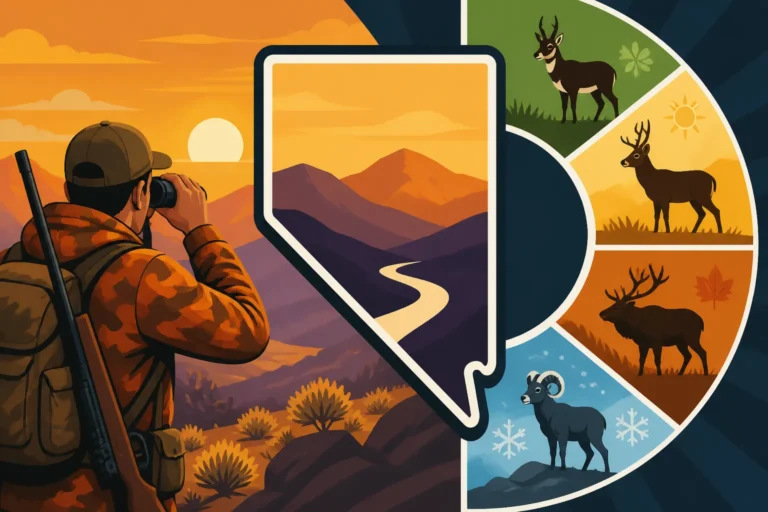
It's incredibly frustrating when you dedicate time, energy, and hard-earned money to apply for a Nevada big game tag, only to see wildly different draw odds depending on the unit you choose. One unit might feel like a sure thing for points, while another looks like hitting the lottery. This guide aims to pull back the curtain on why Nevada's draw odds for big game vary so dramatically from one unit to the next, helping you understand the complex factors at play.
Understanding Nevada's Draw System and Unit Variability
The Nevada draw system is unique, and it’s a huge driver behind why some units feel impossible to draw, while others offer a glimmer of hope. It’s not just about how many people apply; it’s about the intricate dance between hunter demand, available tags, and the state's management goals for each specific area.
The Squared Bonus Point System
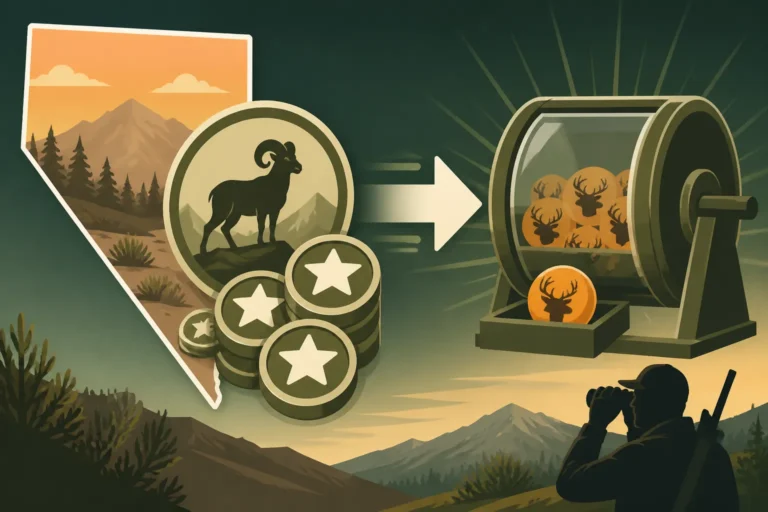
If you've spent any time researching Nevada draws, you've undoubtedly heard about the squared bonus point system. This isn't just a fancy phrase; it fundamentally reshapes your chances. Unlike some states where a point simply gives you an extra entry, Nevada squares your accumulated points. This means if you have 4 points, you don't get 4 entries; you get 4 * 4 = 16 entries, plus one for the current year's application. A hunter with 10 points gets 100 entries, plus one. This exponential increase heavily favors those who have been consistently applying and accumulating points.
This system is designed to reward loyalty and persistence, but it also creates a substantial hurdle for new applicants or those with fewer points. When a unit is highly sought after, those hunters with a massive pile of squared points dominate the draw, making the odds astronomical for anyone without a significant bonus point advantage. Understanding this math is crucial to comprehending How Nevada's Squared Bonus Points Work and why some units just seem out of reach.
How Hunt Unit Characteristics Influence Demand
Beyond the raw numbers of the draw system, the inherent characteristics of a particular hunt unit play an enormous role in its popularity and, consequently, its draw odds. Think about it: every hunter has an ideal hunt in mind. Some are after a record-book animal, while others prioritize a more accessible, family-friendly experience. These preferences translate directly into demand for certain units.
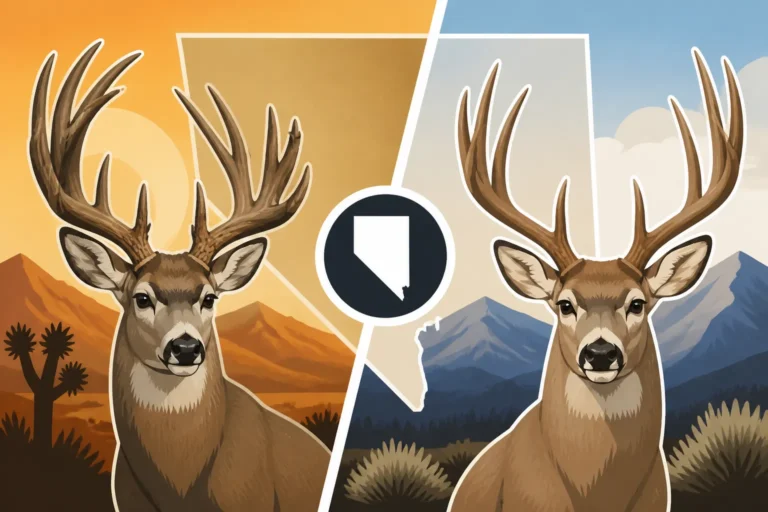
A unit known for producing large trophy mule deer or monster bull elk will naturally attract thousands of applications, driving the draw odds through the floor. Conversely, units with tougher access, lower game densities, or less historical trophy production might have significantly better odds, simply because fewer people are willing to put in the effort or accept the lower success rates. Hunters are constantly Reading a Nevada Hunt Unit Before You Apply, assessing its potential against its perceived difficulty.
Tag Quotas and Management Objectives
The Nevada Department of Wildlife (NDOW) is responsible for setting the number of tags issued for each species in each unit every year. These "tag quotas" are not arbitrary; they are the result of extensive biological data, herd health assessments, and long-term management objectives. NDOW wants to ensure healthy, sustainable populations while providing hunting opportunities.
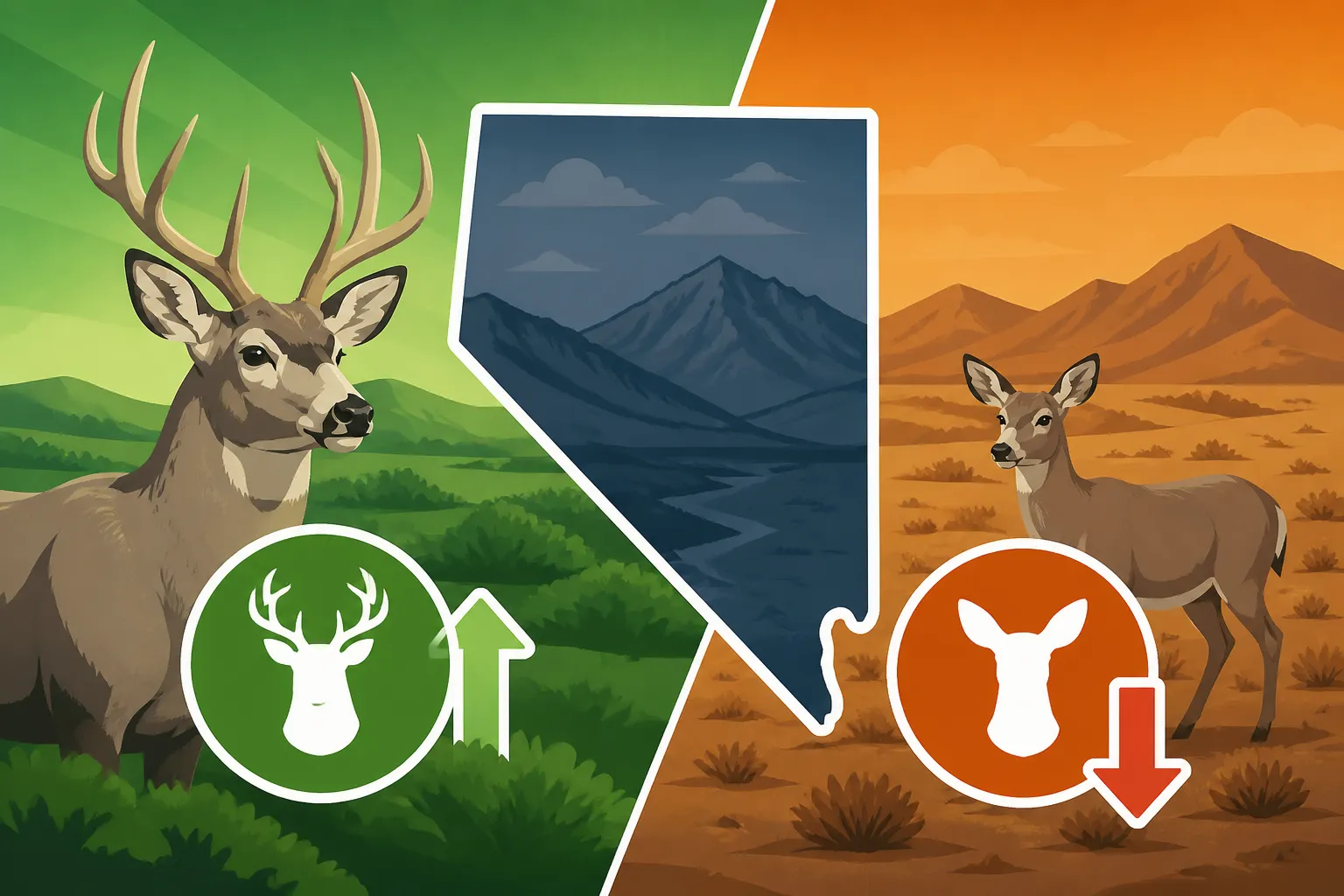
If a particular unit's deer or elk population is thriving, growing, and has a good buck-to-doe or bull-to-cow ratio, NDOW might issue more tags. This increases the draw odds, at least for that season. However, if a herd has faced a tough winter, drought conditions, or disease outbreaks, NDOW might drastically reduce tags to protect the population. This immediately makes those tags harder to draw. So, the number of tags issued for any given unit can fluctuate year to year based on these biological realities. You can often find information about How Many Tags Nevada Issues Each Year directly from NDOW's reports.
Key Factors Driving Odds Differences Across Units
It’s easy to look at a list of draw odds and feel overwhelmed, but once you start to unpack the underlying reasons, the patterns become much clearer. Several critical factors consistently contribute to the disparity in draw success across Nevada's diverse units.
Trophy Quality and Hunter Reputation
This is probably the single biggest factor pushing draw odds down for many units. Hunters, especially those accumulating points for years, dream of a once-in-a-lifetime animal. Nevada has earned a reputation for producing some truly exceptional mule deer and elk. Units that consistently produce Boone & Crockett or Pope & Young class animals become mythical, driving demand through the roof.
Units like those known for their Best Nevada Units for a Mature Mule Deer or where Nevada Elk Herds Grew From Nothing Into a Trophy Draw become hotspots. Everyone wants a chance at those big antlers. This reputation isn't just hearsay; it's built on years of harvest data, outfitter reports, and word-of-mouth among serious hunters. Even if a unit only produces a few giants a year, the potential of drawing that tag is enough to attract thousands of applicants. This intense competition means you need a serious pile of bonus points to even be in the conversation.
Accessibility and Terrain
Nevada is vast and, in many places, rugged. The ease or difficulty of accessing and hunting a unit also plays a significant role in its draw odds. Units with extensive road systems, relatively gentle terrain, or proximity to towns tend to be more popular and, therefore, harder to draw. They appeal to a broader range of hunters, including those with physical limitations, families, or simply less tolerance for extreme backcountry conditions.
Conversely, remote units with limited road access, steep mountains, dense timber, or vast, unforgiving sagebrush flats often have better draw odds. These are the units that demand more physical fitness, more specialized gear, and a greater commitment to Preparing Physically for Long Glassing Days and packing out game. While these units might hold excellent animals, the sheer effort required to hunt them acts as a natural filter, reducing the applicant pool and improving draw chances for those willing to put in the work. Understanding Why Nevada Deer Hunting Is a Glassing Game also highlights the kind of terrain you'll encounter.
Species-Specific Quotas and Populations
The draw odds are also heavily influenced by the specific game species and its population health within a given unit. Nevada offers hunts for mule deer, elk, pronghorn, bighorn sheep, and even a limited number of mountain goat and bear tags. Each species has its own management plan, population estimates, and, crucially, a different number of tags allocated.
For example, mule deer are the most numerous big game species, and while demand is high, more tags are generally available compared to species like bighorn sheep or mountain goat, which have extremely limited quotas. Within mule deer, different units might have varying populations and buck-to-doe ratios, leading to higher or lower tag numbers. The health and distribution of specific herds, such as Where Nevada Mule Deer Concentrate, directly influence how many tags NDOW can issue while maintaining a healthy population. A unit with a booming elk population might see a slight increase in tags, boosting odds, while a unit recovering from a harsh winter might have tags drastically cut.
Navigating the Draw: Strategy and Resources
With all these variables, trying to predict draw odds can feel like guesswork. However, with the right approach and resources, you can develop a more informed strategy to maximize your chances in the Nevada draw. It’s about leveraging data and understanding the trends.
Researching Unit Statistics
The first step in any successful draw strategy is thorough research. NDOW provides a wealth of information, including past harvest statistics, draw odds, and population data. This data is your best friend. Look for trends in tag allocations: have tags been increasing or decreasing over the last few years? How many applicants did it take to draw a specific hunt with X number of points?
Pay close attention to success rates within units, not just draw odds. A unit might have great draw odds, but if the success rate is 5%, it might not be the best use of your valuable tag. Conversely, a unit with tough draw odds but a 90% success rate tells you that if you do draw, your chances of harvesting are very high. This deep dive into Reading Nevada Hunt Draw Statistics is invaluable for setting realistic expectations.
The Role of Preference Points in Unit Selection
Nevada's squared bonus point system makes points paramount. For highly coveted units, you simply won't draw without a significant number of points. This often means making a strategic decision: do you apply for a "long shot" unit year after year, hoping to hit the jackpot, or do you apply for units with slightly better odds, even if they don't have the same trophy potential, to ensure you get a tag more frequently?
Some hunters opt to apply for points only in certain years, especially if they know their point total isn't competitive for the units they truly desire. This ensures they continue accumulating points for future, higher-odds draws. Understanding What a Single Nevada Bonus Point Is Worth and how it compounds is crucial. Ultimately, your point strategy should align with your hunting goals.
Tools and Platforms for Odds Analysis
While NDOW provides raw data, sifting through it can be time-consuming. Fortunately, several platforms have emerged to simplify this process, compiling and analyzing draw statistics to give you a clearer picture of your chances. Websites like GoHunt are incredibly popular for a reason. They offer tools specifically designed to help hunters navigate complex draw systems like Nevada's.
GoHunt allows you to input your specific point totals, filter by species, season, and unit, and then see estimated draw odds based on historical data. They can provide insights into applicant trends, tag allocation changes, and even unit-specific harvest statistics, making it much easier to make informed decisions. Using such resources is a form of E-Scouting a Nevada Unit Before the Season, giving you an edge in understanding your chances and planning your application. Whether you're looking for Where to Check Nevada Draw Odds by Unit or just trying to understand the landscape, these tools are indispensable.
Here's a simplified look at how different factors contribute to varied draw odds:
| Factor | High Draw Odds Unit Characteristics | Low Draw Odds Unit Characteristics | Impact on Hunter Demand & Odds |
|---|---|---|---|
| Trophy Quality | Consistent production of large, mature animals (e.g., 190+" deer, 350+" elk). | Average or lower trophy potential. | High demand for trophy potential = low draw odds. |
| Game Population | Robust, growing, and healthy population with good buck/bull ratios. | Declining, stable but small, or struggling populations. | Healthy populations allow more tags = better odds (if not offset by trophy reputation). |
| Access & Terrain | Easy road access, gentle topography, close to amenities. | Remote, rugged, few roads, wilderness areas, difficult packing terrain. | Easy access appeals to more hunters = low draw odds. Tough access filters applicants. |
| Tag Quotas | Very limited tags (e.g., bighorn sheep, mountain goat) or highly restricted. | Higher number of tags allocated. | Fewer tags = dramatically lower draw odds. More tags = better odds. |
| Season Timing | Early archery or late rifle seasons during the rut. | Mid-season hunts, less favorable weather windows. | Rut hunts are highly desirable = low draw odds. |
In the end, the variation in Nevada draw odds by unit is a complex interplay of biology, geography, hunter preferences, and the unique mechanics of the state's bonus point system. By understanding these components, you can approach the draw with a clearer head and a more strategic plan. Don't let the daunting numbers discourage you; instead, use them to inform your choices and increase your chances of drawing that coveted Nevada tag.
Disclaimer
Please remember that hunting regulations, seasons, and draw odds can change. Always consult the official Nevada Department of Wildlife (NDOW) regulations and current year’s proclamations before making any hunting plans or applications. This guide is for informational purposes only and does not supersede official state regulations.