How Nevada Elk Herds Were Established
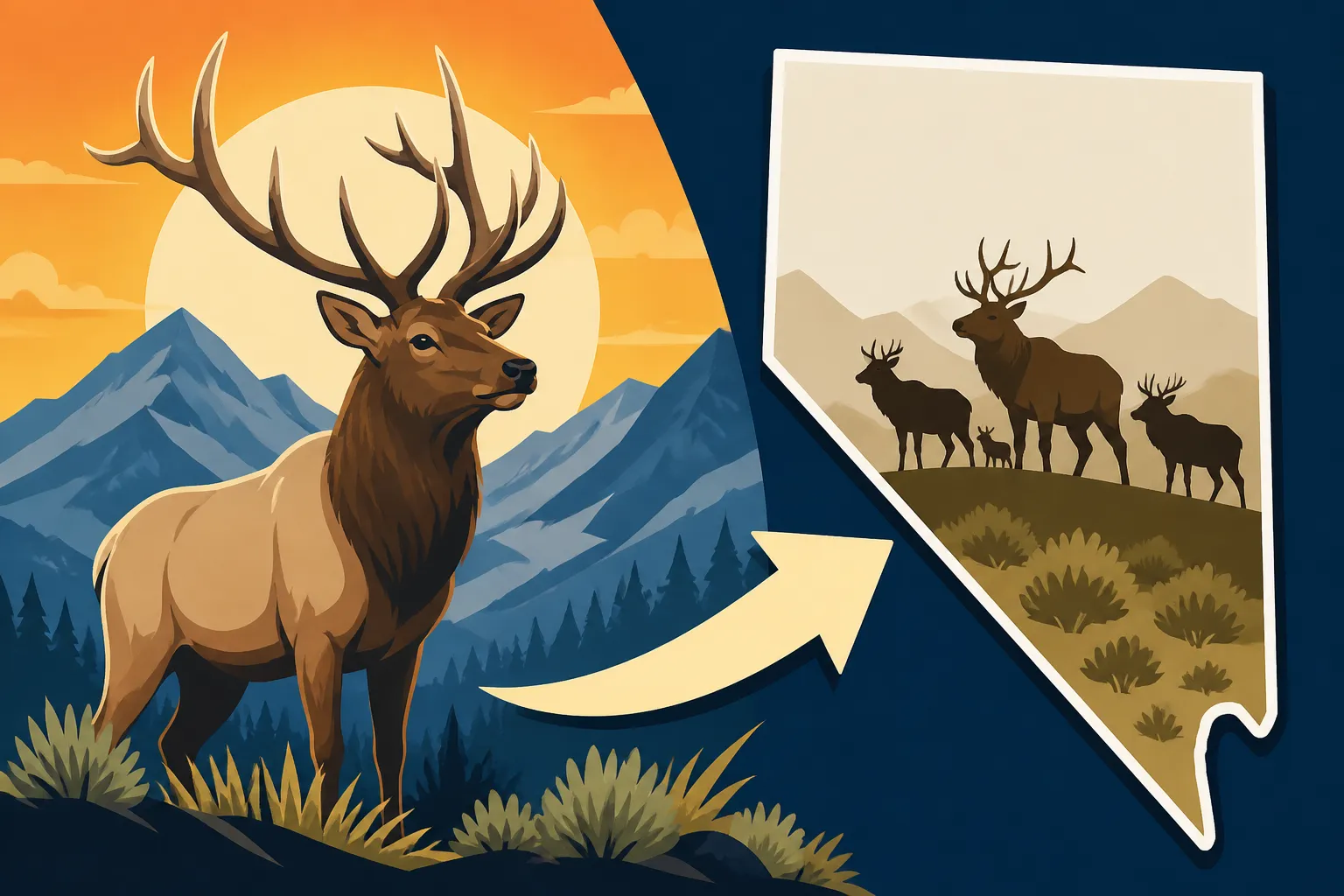
For anyone who’s spent time traversing the vast, sage-covered expanses and rugged mountain ranges of Nevada, the sight of a magnificent elk herd, bugling against a crisp autumn sky, feels almost miraculous. It’s hard to imagine that these animals, now an integral part of our state's rich hunting heritage, weren't always here. This guide will walk you through the incredible journey of how Nevada’s elk herds were established, tracing their path from absence to abundance.
The Historical Absence of Elk in Nevada
It might seem strange to talk about how elk returned to Nevada when many folks assume they were always here, given the sheer amount of public land and wild country we have. But the truth is, for a very long time, elk were either incredibly rare or completely absent from most of the Great Basin. Understanding this historical backdrop helps us appreciate the monumental efforts it took to bring them back.
Pre-Settlement Ecology and Native Wildlife
Back before the first trappers and pioneers pushed westward, Nevada's high desert and mountain ecosystems supported a unique array of wildlife, perfectly adapted to the arid conditions. Our state was, and still is, prime habitat for magnificent Mule Deer Are the Reason Most Hunters Apply in Nevada, with their large ears and incredible ability to navigate rough terrain. We had vast herds of Pronghorn Across Nevada's Open Valleys, built for speed across the open flats. And, of course, the various bighorn subspecies, like the Desert Bighorn Across Southern Nevada, were carved into the rugged canyonlands. These animals were perfectly suited to the sparse water sources, the mix of sagebrush, bitterbrush, and mountain mahogany, and the often-harsh winters and scorching summers.
Elk, with their larger size and typically more demanding forage and water requirements, simply weren't a dominant species here. While there might have been a few scattered, transient elk moving through border regions from neighboring states like California or Idaho, they certainly weren't establishing sustainable populations. The Great Basin's unique geology and climate, characterized by isolated mountain ranges separated by expansive, dry valleys, created natural barriers that limited widespread elk colonization. It's not that the habitat was bad; it was just different from the dense forests and lush meadows that supported massive elk herds further north and east.
The Impact of Early American Expansion
The arrival of European settlers in the mid-19th century brought dramatic changes to the Nevada landscape, and to its wildlife. The boom-and-bust cycles of mining, the relentless push of ranching, and unchecked market hunting all took a tremendous toll on native game populations. We’re talking about a time when commercial hunting supplied burgeoning towns, and enforcement of wildlife laws was virtually nonexistent. It was a free-for-all, driven by necessity and opportunity.
Imagine the pressures: vast herds of cattle and sheep competing directly with native ungulates for precious forage and water in a land already defined by scarcity. Miners cleared timber, built towns, and polluted waterways. And hunters, often driven by hunger or profit, harvested animals without regard for future populations. Even if there had been more significant elk numbers in Nevada prior to this era, they would have likely been among the first species to disappear under such intense, widespread pressure. This period marked a low point for much of North America's wildlife, and Nevada was no exception. It painted a stark picture of what could happen when resources were perceived as endless.
Early Attempts and Transplants
The idea of bringing elk back to Nevada wasn't just some whimsical dream; it was a deeply held desire by many who saw the state's potential to host these magnificent creatures once again. However, the path to establishing viable elk herds was anything but straightforward, marked by early struggles and a steep learning curve.
Sporadic Sightings and Unsuccessful Introductions
In the late 1800s and early 1900s, there were sporadic reports of elk in various parts of Nevada, often near the borders with states where populations still clung on. These were likely small, isolated groups that wandered in, or perhaps even remnants of a very small, native population that barely survived. But these sightings never translated into established, growing herds. The conditions just weren't right yet, or the numbers were too small to sustain themselves against hunting pressure, harsh winters, or simply failing to find enough suitable habitat to reproduce and thrive.
There were also some very early, almost experimental, attempts at introduction. These were often small-scale, maybe a handful of animals released without the benefit of extensive habitat analysis or long-term management plans. You can imagine the challenges: capturing and transporting large, wild animals was incredibly difficult with the technology of the day. The animals were released into unknown territories, susceptible to stress, disease, and the immediate dangers of a new environment. Many of these initial efforts, while well-intentioned, ultimately failed to establish self-sustaining populations, serving more as lessons learned than as true success stories. It was a tough reality check for those who hoped for a quick return of elk.
The Pioneering Efforts of the 1930s-1950s
As conservation efforts gained momentum across the United States in the early to mid-20th century, the Nevada Department of Wildlife (NDOW), then known as the Nevada Fish and Game Commission, began to seriously consider more organized elk reintroductions. The idea was simple: bring healthy elk from thriving populations in other states to suitable habitats in Nevada. This period saw the first truly coordinated efforts, often with animals sourced from places like Yellowstone National Park or other robust herds in Wyoming and Colorado.
These pioneering transplants were monumental undertakings. Imagine the logistics: capturing wild elk, often in rugged terrain, safely transporting them hundreds of miles by truck and sometimes even by train, and then releasing them into remote corners of Nevada's mountains. It wasn't just about dropping them off; careful consideration was given to potential release sites, looking for areas with adequate forage, water, and shelter. Even with better planning, challenges abounded. Public perception could be mixed, with some landowners concerned about competition with livestock, while others championed the return of elk. The scientific understanding of herd dynamics and habitat needs was still evolving, but these dedicated individuals laid the groundwork for the thriving herds we know today, proving that with perseverance, the dream could indeed become a reality.
The Mid-20th Century: Strategic Introductions and Growth
The scattered, hopeful attempts of earlier decades began to give way to more scientific, strategic approaches in the mid-20th century. This was the era when the real foundation for Nevada's modern elk herds was meticulously laid, brick by ecological brick. It involved careful planning, significant resources, and an unwavering commitment from state agencies and conservation groups alike.
Key Transplant Programs and Source Herds
The most impactful phase of elk reintroduction in Nevada really kicked into gear with a series of well-executed transplant operations, primarily between the 1930s and 1980s. These weren't just a few elk here and there; these were often significant numbers of animals, meticulously selected from healthy, disease-free populations in states renowned for their robust elk herds, such as Colorado, Wyoming, Utah, and even New Mexico. The goal was to bring in a diverse genetic pool to ensure the long-term health and adaptability of the new Nevada herds.
Imagine the excitement, but also the immense workload, involved in these operations. Teams would capture elk using net guns from helicopters or specialized traps, then transport them in custom-built trailers across state lines. The destination? Carefully chosen mountain ranges across Nevada, identified through extensive habitat assessments. The Schell Creek Range in eastern Nevada, the Ruby Mountains in the northeast, and other parts of the expansive Humboldt-Toiyabe National Forest were prime candidates. These areas offered the critical mix of high-elevation summer range, lower-elevation winter range, and crucial water sources. Every detail, from the health of the individual elk to the specific release point, was scrutinized to maximize success. It’s truly a testament to collaboration that these animals, many miles from their original homes, were given a new lease on life in Nevada's rugged wilderness. These strategic efforts were the backbone of Nevada Elk Herd Growth Over Time.
Early Challenges and Adaptations
Bringing elk to a new landscape, especially one as unique and often harsh as Nevada's, wasn't without its hurdles. Once released, these elk faced the immediate challenge of adapting to unfamiliar terrain, finding new migration routes, and identifying reliable food and water sources. Some herds struggled more than others, especially in the face of particularly severe winters or unexpected competition with existing wildlife. There were certainly setbacks, including some early populations that didn't thrive as expected, requiring further introductions.
Beyond the natural elements, human factors also played a role. Poaching, unfortunately, was a concern in some areas, as new populations were vulnerable and regulations were still solidifying. However, the dedicated efforts of NDOW game wardens and an increasingly conservation-minded public helped to mitigate this. Over time, the transplanted elk proved to be remarkably resilient. They learned to navigate the basin and range topography, finding pockets of lush forage in high country meadows during the summer and seeking shelter and browse in lower elevations when snow arrived. Their success laid the groundwork for developing robust hunting opportunities, leading to units known for producing impressive animals, like the legendary Unit 162 and Its Record Book Bulls. The Department of Wildlife closely monitored these burgeoning populations, gathering data on herd health, reproduction rates, and survival, continuously refining their management strategies to ensure the long-term viability of Nevada's newest big game residents.
The Role of Habitat Management and Conservation
The reintroduction of elk was a massive undertaking, but simply releasing animals into the wild isn't enough. For these herds to not just survive but truly thrive, continuous, active habitat management and dedicated conservation efforts have been absolutely critical. This ongoing commitment is what truly transformed early introductions into sustainable, huntable populations.
Public Land Management and Habitat Improvement
Nevada is a state dominated by public lands, with vast stretches managed by the Bureau of Land Management (BLM) and the U.S. Forest Service. These agencies play an enormous role in ensuring that elk, along with other wildlife, have the healthy, functioning habitat they need. Their work isn't always glamorous, but it's foundational: everything from range improvements to controlled burns, and critical water development projects. In a state where Water Is the Access Problem in Southern Nevada, ensuring reliable water sources is paramount.
For elk, this means maintaining healthy forest and sagebrush ecosystems that provide both forage and cover. Efforts include managing grazing by domestic livestock to prevent overgrazing of critical elk forage, restoring degraded riparian areas along streams and springs, and implementing prescribed fires to rejuvenate old growth and create new, nutritious browse. Perhaps most vital, especially in our arid climate, are the ongoing Water Development Projects Built for Wildlife. These can range from maintaining natural springs to constructing guzzlers – artificial watering devices designed to catch and store rainwater. These crucial water points, often strategically placed in remote areas, act as lifelines for elk, deer, and many other species, effectively expanding their accessible range and increasing their survival rates, as discussed in detail in guides like How Guzzlers Support Desert Wildlife. Without these consistent investments in habitat, the success of elk reintroduction would have been far more limited.
Funding and Partnerships for Elk Restoration
It takes a significant amount of money and manpower to fund large-scale wildlife conservation, and Nevada's elk restoration story is a prime example of how crucial collaboration is. Hunters themselves are the unsung heroes of wildlife funding in America. Every time a hunter buys a license, a stamp, or pays an excise tax on firearms and ammunition through the Pittman-Robertson Act, a portion of that money goes directly back into conservation. These funds are distributed to state wildlife agencies, including NDOW, to manage wildlife populations, conduct research, and improve habitat.
Beyond government agencies and hunter dollars, the involvement of dedicated non-profit conservation groups has been absolutely instrumental. Organizations like the Rocky Mountain Elk Foundation (RMEF) have been pivotal in Nevada. RMEF, for instance, has invested millions of dollars and countless volunteer hours into habitat acquisition, enhancement projects, and scientific research specifically for elk. They often work in partnership with NDOW, the BLM, and the Forest Service, leveraging resources and expertise to achieve shared conservation goals. Other groups, like the Wild Sheep Foundation (WSF) and local sportsmen's clubs, also contribute significantly, often focusing on broader habitat improvements that benefit multiple species, including elk. These partnerships demonstrate a powerful synergy: hunters, conservationists, and government agencies all working together, united by a common passion for wildlife and wild places.
The Thriving Herds of Today
The story of Nevada's elk is a profound testament to the power of dedicated conservation. What began as a series of challenging reintroductions has blossomed into a remarkable success, with elk herds now gracing some of the most remote and picturesque landscapes our state has to offer.
Population Growth and Expansion
Today, Nevada is home to a robust and growing elk population, a far cry from the sparse numbers of a century ago. These magnificent animals now roam across numerous mountain ranges, primarily in the central, eastern, and northeastern parts of the state. Areas like the Ruby Mountains, East Humboldt Range, Jarbidge Wilderness, and the Schell Creek Range are now renowned for their healthy elk herds, some even producing trophy-class bulls that draw hunters from across the nation.
The initial transplant efforts, coupled with diligent habitat management, have allowed these herds to expand their territories and increase their numbers steadily. While mule deer remain the most widespread big game animal, elk have firmly established themselves, proving their adaptability to Nevada's diverse ecosystems. This success has directly translated into coveted hunting opportunities, with Nevada Elk Rifle Hunts Stretch From October Into December becoming a highly anticipated season for many. Hunters now have the chance to pursue these animals in a variety of settings, from the quaking aspens of higher elevations to the vast sagebrush flats of lower ranges. If you're wondering Which Nevada Units Grow the Biggest Bulls, the long-term data from harvest reports clearly shows the fruit of these reintroduction efforts.
The Future of Elk Management and Hunting
While the story of Nevada's elk herds is largely one of triumph, the work of wildlife management is never truly finished. NDOW continues to face ongoing challenges, including managing herd health, mitigating human-wildlife conflicts (especially as elk expand into new areas), and adapting to environmental changes like drought and wildfire. Predator management, particularly involving mountain lions, also remains a continuous consideration to ensure balanced ecosystems.
For hunters, the future of elk hunting in Nevada continues to be defined by careful management and limited opportunity. Drawing an elk tag here is a highly competitive endeavor, a reflection of the quality of the hunting experience. This is where resources like GoHunt become invaluable. Tools like theirs provide detailed insights into draw odds, unit information, and historical harvest data, empowering hunters to make informed decisions before applying. Understanding Reading a Nevada Hunt Unit Before You Apply and crunching the numbers is a crucial step for anyone hoping to pursue elk here. NDOW biologists continue to monitor populations closely, often using aerial surveys to How Biologists Count a Desert Big Game Herd and track herd health. This data is then openly shared, allowing hunters to see Where Nevada Publishes Harvest Data and understand the science behind current regulations. The goal remains a sustainable balance: healthy elk populations that provide unforgettable hunting experiences for generations to come, supported by a well-informed and conservation-minded hunting community.
Here's a quick look at some of the key transplant programs and their impacts:
| Source State | Major Nevada Release Areas | Approximate Timeframe | Primary Elk Subspecies | Key Impact on Nevada |
|---|---|---|---|---|
| Wyoming | Ruby Mountains, Schell Creek | 1930s-1950s | Rocky Mountain Elk | First successful, sustained populations |
| Colorado | East Humboldt, Jarbidge | 1960s-1970s | Rocky Mountain Elk | Expanded range, increased genetic diversity |
| Utah | White Pine County units | 1980s-1990s | Rocky Mountain Elk | Bolstered eastern Nevada herds, new areas |
| New Mexico | Various, smaller releases | 1990s-early 2000s | Rocky Mountain Elk | Further strengthened existing herds |
Disclaimer
The information provided in this article is for general guidance and informational purposes only. While we strive to provide accurate and up-to-date content, hunting regulations, season dates, and wildlife management practices are subject to change. Always consult the official Nevada Department of Wildlife (NDOW) regulations and current proclamations before planning any hunting trip or making decisions based on this information.