Desert Bighorn Across Southern Nevada
Hunting desert bighorn sheep in Southern Nevada is often described as the pinnacle of Western hunting, a true bucket-list tag. But for those of us who've spent countless years in the draw, the reality can feel like an endless waiting game, filled with frustration and diminishing hope. This comprehensive guide aims to peel back the layers of what makes these incredible animals and their rugged, unforgiving habitat so unique, helping you better understand their world and, hopefully, improve your long-term strategy for securing one of these coveted tags in Nevada.
The Allure of Desert Bighorn in Southern Nevada
There's something profoundly captivating about the desert bighorn ram. Their very existence in such harsh, arid landscapes is a testament to resilience and adaptation, making them one of North America's most revered big game animals. For many, drawing a Nevada bighorn tag isn't just about the hunt; it's about the challenge, the incredible scenery, and the opportunity to pursue an animal that truly embodies the wild spirit of the Mojave Desert. The sheer difficulty in even obtaining a tag only amplifies its value, turning a successful draw into a lifelong memory.
A Legacy of Toughness in Arid Lands
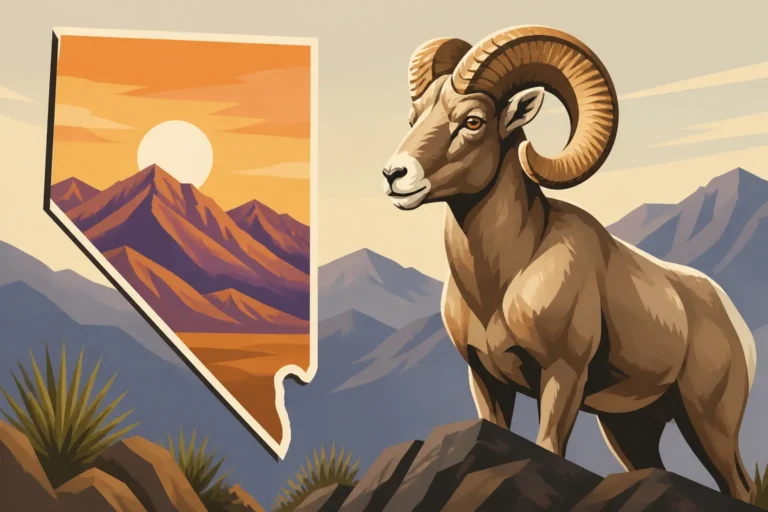
Imagine surviving scorching summers where temperatures regularly soar past 110 degrees Fahrenheit, or navigating treacherous, rocky slopes where every step is a test of agility. This is the daily reality for desert bighorn sheep. They are perfectly evolved for this environment, boasting incredible stamina, keen eyesight, and an uncanny ability to find sustenance and water where other species would perish. Their thick, corkscrew horns are not just impressive trophies; they are tools for dominance, defense, and a record of the ram's life history. Pursuing them requires a hunter to embody a similar spirit of endurance and determination. You're not just hunting a magnificent animal; you're immersing yourself in an ancient landscape that demands respect and preparedness.
Southern Nevada's Iconic Bighorn Ranges
Southern Nevada is truly the heart of desert bighorn country in the state, offering some of the most classic bighorn habitat you can imagine. From the Spring Mountains towering above Las Vegas to the more remote ranges dotting the vast expanse of the Mojave, these mountains are synonymous with bighorn. These aren't gentle, rolling hills; they're jagged, volcanic, and limestone fortresses, often rising abruptly from flat desert basins. Each range presents its own unique challenges and holds its own populations of these elusive sheep, drawing hunters from around the world who dream of earning a tag in places like the Sheep Range, the River Mountains, or the Muddy Mountains. The sheer scale and remoteness of these areas mean that even when you have a tag, the work has only just begun.
Prime Desert Bighorn Habitat and Units
Understanding where desert bighorn live is the first critical step for any hunter hoping to pursue them. In Southern Nevada, these sheep are inextricably linked to specific mountain ranges that provide the steep, rocky escape terrain they need, coupled with access to sparse forage and precious water sources. These units are often characterized by their dramatic elevation changes, from low desert washes to high, exposed ridges, all within the same hunt unit boundary.
Rugged Mountain Strongholds
Desert bighorn sheep thrive in some of the most rugged and inaccessible landscapes imaginable. We're talking about incredibly steep, broken country characterized by crags, cliffs, and deep canyons that offer both protection from predators and thermal regulation. These animals prefer areas with excellent visibility, allowing them to spot threats from a distance. You'll often find them on south-facing slopes in winter, soaking up the sun's warmth, and moving to north-facing slopes or higher elevations during the blistering summer months to find cooler temperatures and shadier spots. The substrate is typically rocky, from volcanic basalt to fractured limestone, providing stable footing for their specialized hooves. If you're planning on a bighorn hunt, prepare for an intense physical challenge; these rams certainly do not live in easy country.
Key Southern Nevada Units for Bighorn
Southern Nevada is home to several units renowned for their desert bighorn populations, each with its own character and level of difficulty. The Sheep Range (Units 251, 252), part of the Desert National Wildlife Refuge, is arguably one of the most iconic and has produced some truly exceptional rams. Access here can be restricted, adding to the challenge. The River Mountains (Unit 261), close to Lake Mead and Boulder City, offer more accessible terrain but can also see higher human presence. The Muddy Mountains (Unit 220) to the northeast of Las Vegas, are another strong contender, known for their sprawling, complex terrain. Other notable units include the Eldorado Mountains (Unit 262) and the Spring Mountains (Units 204, 206, 208, 209), which rise dramatically from the valley floor and offer diverse habitat. When you're Reading a Nevada Hunt Unit Before You Apply, pay close attention to the terrain type and the historical harvest data to get a realistic picture of what each unit truly offers. Remember, draw odds for these units are incredibly slim, often requiring years of accumulated points.
Water Sources: The Lifeline of the Desert Ram
In the arid environment of Southern Nevada, water is not just important; it is the absolute lifeline for desert bighorn. While they are masters at conserving water and can go for extended periods without drinking, they still rely on reliable sources, especially during the hottest months and lactation periods. These water sources can include natural springs, seepages, and man-made guzzlers. Guzzlers, in particular, are strategically placed water developments that capture rainwater and make it available to wildlife, and they are incredibly important in concentrating game. Learning How Guzzlers Support Desert Wildlife is crucial for any hunter scouting or planning a bighorn hunt. Rams will often establish territories around these water sources, making them key areas to observe during early season hunts. However, their movements away from water can be extensive, covering vast distances across steep terrain between drinks. Locating and understanding the reliability of these water points is paramount for success, as a dry year can significantly alter bighorn distribution.
Understanding Desert Bighorn Ecology and Behavior
To successfully hunt desert bighorn, you need to think like a bighorn. This means gaining a deep understanding of their daily routines, dietary preferences, and seasonal movements. They are incredibly wary animals, constantly alert to their surroundings, and their survival depends on their ability to outsmart predators, including human hunters. Their behavior is largely dictated by the twin forces of survival: finding food and water, and avoiding danger.
Diet and Foraging Habits
Desert bighorn are primarily grazers and browsers, with their diet adapting to the available vegetation. They consume a variety of grasses, forbs, and shrubs found in their arid mountain habitats. In Southern Nevada, this might include plants like desert needlegrass, galleta grass, brittlebush, and various types of sagebrush. They are opportunistic feeders, taking advantage of whatever green-up occurs after sparse rainfall. Their ability to extract moisture from tough desert plants is remarkable, further aiding their survival in a dry climate. During drought years, their diet might become even more specialized, focusing on plants that retain moisture longer. Knowing what they're eating can help you pinpoint areas where they might be feeding, especially during times of the year when vegetation is scarce. They often move between feeding areas and bedding areas, typically higher up on steep slopes or cliff faces for security.
Seasonal Movements and Rut
While desert bighorn generally stay within their home ranges, their specific locations and activity patterns can shift with the seasons. During the scorching summer, they often retreat to higher, shadier elevations or concentrate around perennial water sources. As fall approaches and temperatures cool, their movements become more spread out. The bighorn rut typically occurs from late summer into early fall, usually peaking in October or November in Southern Nevada, though it can vary. During this time, rams will actively seek out ewe groups, leading to impressive displays of head-butting clashes that echo through the canyons. This period can make rams more visible, but also highly focused on breeding activities, potentially making them less predictable. Post-rut, rams may form bachelor groups and return to their security areas, often in more remote or less accessible terrain. Understanding When the Elk Rut Peaks in Nevada might give you an idea of general rut timing in the state, but bighorn have their own schedule.
Ram Curl Requirements Nevada Enforces
Nevada is very specific about the type of ram you can harvest, and these regulations are designed to protect younger rams and ensure sustainable populations. Generally, hunters must harvest a ram that is "full curl" or older. A full curl ram means that the tip of its horn has grown through a plane established by the front base of the horn, or is at least eight years old, or has broken off to meet the full curl definition. These are legal requirements that must be understood implicitly before you ever pull the trigger. Field judging a ram for full curl can be incredibly challenging, especially at long distances or in poor light. It requires practice with optics and a very keen eye. Many outfitters will carry a "curl stick" or similar tool to demonstrate the legal requirement. Misidentifying a ram could lead to serious legal repercussions, so when in doubt, it’s always best to let the ram walk. Nevada also implements strict Ram Curl Requirements Nevada Enforces which are crucial for every hunter to review prior to hunting.
The Nevada Bighorn Draw: Odds and Strategy
Securing a desert bighorn tag in Nevada is a monumental achievement, a testament to patience, persistence, and often, a good deal of luck. Unlike some states with preference point systems that guarantee a tag eventually, Nevada's draw is more complex, making the odds incredibly steep. This reality can be frustrating, especially after years of applying, but understanding the system is your best shot at navigating it successfully.
The Steep Odds of a Bighorn Tag
Let's not sugarcoat it: drawing a desert bighorn tag in Nevada is one of the toughest draws in the West. With only a limited number of tags available each year, and thousands of hopeful applicants, the odds are often measured in fractions of a percent. For non-residents, the chances are even slimmer, as a percentage of tags are reserved for residents. This means you could apply for decades and never draw. This reality makes every application cycle a game of chance, but it also means that when your name does get pulled, it truly is the tag of a lifetime, a testament to perseverance. Don't let the low odds discourage you, but rather, inform your expectations and strategy.
Navigating the Application Process
The Nevada big game application period runs annually, typically from late March to mid-May. You'll need to purchase a Nevada Combination License first, which is a prerequisite for applying for any big game tag. Then, you can apply for desert bighorn sheep. Nevada uses a bonus point system, but it's not a preference point system where more points guarantee a tag. Instead, your accumulated bonus points are "squared" and then added to your random draw number. This system, explained in detail in Nevada Squares Your Bonus Points Into Draw Chances, gives you more "chances" in the draw, but doesn't guarantee success. You're allowed to apply for up to five choices, but for premier tags like bighorn, most experienced applicants will only list their top unit choice, as drawing a second or third choice is exceedingly rare. Remember, application fees for bighorn are typically higher than for other species, reflecting the high demand and prestige of the tag.
Leveraging Bonus Points with GoHunt Data
Given the difficulty of the draw, understanding how to maximize your bonus points is key. Every year you apply and are unsuccessful, you accrue another bonus point for that species. These points are squared, meaning the more points you have, the exponentially greater your chances become. For instance, four points don't just give you four chances; they give you sixteen. This is why many hunters, even if they don't plan to hunt that year, will buy a What a Nevada Point-Only Application Costs simply to continue building points.
When it comes to strategy, tools like GoHunt can be invaluable. Their "Insider" service provides detailed draw odds, application statistics, and unit profiles that can help you make informed decisions. By analyzing historical draw data, success rates, and the number of applicants for specific units, you can refine your application choices. While there’s no magic bullet for a bighorn tag, using GoHunt data allows you to understand the nuanced differences in odds between units, or even to gauge the impact of applying with a specific number of points. They also offer resources on Nevada Bighorn Sheep Draw Odds, which can be particularly insightful. For example, some units might consistently have slightly better odds for non-residents, or perhaps a unit had a significant harvest the previous year, potentially impacting tag allocations for the upcoming season. While luck is a huge factor, intelligent application based on robust data can tilt the scales ever so slightly in your favor.
Scouting and Hunting Desert Bighorn Tactics
Once you've beaten the odds and drawn that coveted bighorn tag, the real work begins. Hunting desert bighorn is an incredibly demanding endeavor, both physically and mentally. It requires meticulous preparation, a keen eye, and the willingness to push yourself in some of the most unforgiving terrain in North America. Forget about "road hunting"; this is a true backcountry pursuit.
The Art of Glassing Bighorn Terrain
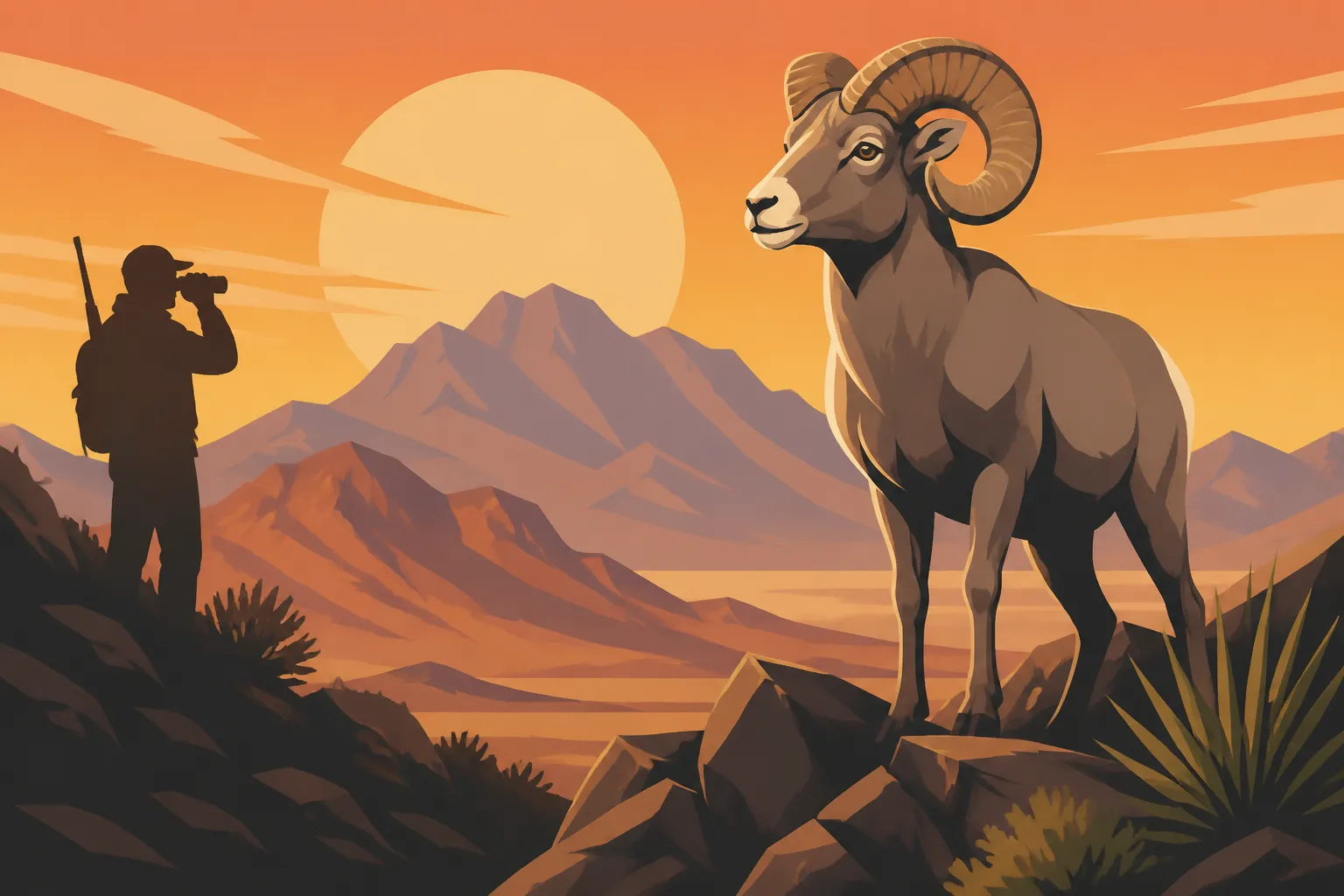
In the vast, open landscapes of Southern Nevada, glassing is not just a tactic; it's the tactic. You simply cannot effectively hunt bighorn by walking around hoping to stumble upon them. Their excellent eyesight and preference for open, steep terrain mean they will spot you long before you see them if you're not utilizing high-quality optics from a vantage point. A good pair of 10x binoculars, a powerful spotting scope (20-60x or even 25-75x), and a sturdy tripod are indispensable. You'll spend hours, even days, behind the glass, systematically picking apart mountain faces, ridges, and canyons.
Start by finding a commanding viewpoint that allows you to scan a vast area. Then, use The Grid Glassing Method, Step by Step, methodically moving your optics in small, overlapping sections, looking for anything that seems out of place – a patch of white rump, the curve of a horn, or even just a subtle movement. Pay extra attention to transitions between different types of terrain, shaded areas, and around known water sources. Many times, you won't immediately recognize a bighorn; rather, you'll spot a rock that suddenly moves, or a shape that resolves into an animal. It takes patience, discipline, and a lot of practice to become proficient at glassing for these masters of camouflage.
Pre-Season Scouting and E-Scouting
Given the demanding nature of a bighorn hunt, pre-season scouting is paramount. If you're lucky enough to draw a tag, you need to dedicate significant time before the season opens to understand your unit. This involves both "e-scouting" from home and boots-on-the-ground reconnaissance. E-scouting, using tools like satellite imagery (Google Earth, onX Hunt) allows you to identify potential travel corridors, bedding areas, water sources, and access points. You can mark prominent landmarks, plan glassing points, and even map out potential stalk routes.
Once you've done your homework online, nothing beats physically being in the unit. Drive the roads, hike into potential glassing spots, and confirm water sources. Look for fresh sign: tracks, droppings, and rubbed horns on rocks. This also gives you a critical understanding of the terrain's difficulty and the time it takes to navigate it. Remember, in Southern Nevada, even short distances can take hours to traverse due to the unforgiving landscape. If you're serious about your tag, plan multiple scouting trips well in advance of opening day.
Physical Demands of a Sheep Hunt
Let's be blunt: a desert bighorn hunt is not for the faint of heart or the out of shape. These animals live in some of the most physically punishing environments, and to hunt them successfully, you need to be in peak physical condition. You'll be climbing steep, rocky slopes at high altitudes, often carrying heavy packs with water, optics, and survival gear. The heat can be intense, especially during early season hunts.
Training for a sheep hunt should start months, if not a year, in advance. Focus on endurance, strength, and agility. Hiking with a weighted pack on steep inclines, stair climbing, and general cardio are all crucial. Don't forget to train for mental toughness as well; long hours of glassing, failed stalks, and the sheer effort involved can be mentally draining. Many hunters underestimate the toll the elevation and terrain will take on their bodies. Investing in quality hiking boots, trekking poles, and a robust hydration system is essential. Read up on Preparing Physically for Long Glassing Days to get a head start on what's required to truly endure this kind of hunt.
Conservation Efforts and the Future of Nevada Bighorn
Nevada's desert bighorn sheep populations are a testament to dedicated conservation efforts over many decades. From near extirpation in the early 20th century, these iconic animals have made a remarkable comeback, largely due to active management by the Nevada Department of Wildlife (NDOW) and various conservation partners. However, their future, like all wildlife, faces ongoing challenges that require continued vigilance and support.
Rebuilding Herds Through Transplants
One of the most successful strategies in bighorn conservation has been translocation, or the reintroduction of sheep into suitable historical habitats where populations had been lost or severely reduced. Why Nevada Transplants Sheep Between Ranges is rooted in the understanding that establishing multiple, healthy populations across different ranges helps to buffer against localized disease outbreaks or habitat loss. Over the years, NDOW has worked tirelessly to capture bighorn from robust herds and move them to new areas, meticulously selecting sites with appropriate forage, water, and escape terrain. These transplant programs have been instrumental in restoring bighorn to many Southern Nevada ranges where they were once absent, creating the hunting opportunities we have today.
Challenges Facing Bighorn Populations
Despite their comeback, desert bighorn face an array of challenges. Habitat degradation and fragmentation due to human development, mining, and invasive species like cheatgrass continue to be significant concerns. Competition with feral horses and burros for limited forage and water resources also poses a threat in some areas. However, perhaps the most insidious threat is disease, particularly respiratory diseases often transmitted from domestic sheep. These diseases, described in more detail in Bighorn Disease Die-Offs Explained, can decimate bighorn herds, sometimes wiping out entire populations in a short period. Drought, a perennial concern in the arid West, also impacts bighorn by reducing forage quality and the availability of critical water sources, leading to reduced lamb survival and overall herd health. NDOW continuously monitors herd health, conducts surveys, and works to mitigate these threats, publishing vital information in reports like Where Nevada Publishes Harvest Data and in their Reading a Herd Management Plan. Supporting organizations that fund these conservation efforts is crucial for the long-term health of Nevada's incredible desert bighorn.
| Southern Nevada Bighorn Unit | Primary Mountain Range | General Terrain Description | Access Notes | Key Features |
|---|---|---|---|---|
| 251/252 (Sheep Range) | Sheep Range | Extremely rugged, steep limestone peaks, deep canyons | Access can be restricted in parts of Desert National Wildlife Refuge | Home to record-book rams, very remote |
| 261 (River Mountains) | River Mountains | Volcanic, rocky hills, moderate to steep slopes | Relatively accessible, near Lake Mead & Boulder City | Good population, can have more human presence |
| 220 (Muddy Mountains) | Muddy Mountains | Complex, sprawling, highly broken terrain, sandstone cliffs | Various dirt roads, requires high-clearance vehicle | Good numbers, vast area to cover |
| 204/206/208/209 (Spring Mountains) | Spring Mountains | High elevation, Ponderosa pine transitioning to desert scrub | Multiple trailheads, some wilderness areas | Diverse habitat, close to Las Vegas |
| 262 (Eldorado Mountains) | Eldorado Mountains | Jagged, volcanic hills, extremely hot climate | Limited road access, very remote southern sections | Challenging conditions, strong populations |
Disclaimer
Hunting regulations and season dates can change. Always consult the official Nevada Department of Wildlife (NDOW) regulations handbook before planning or embarking on any hunt. This guide is for informational purposes only and does not constitute legal advice.