Sage Grouse Leks and Nevada Habitat
For anyone with a deep appreciation for Nevada's wild landscapes, the elusive sage grouse represents a true treasure. These magnificent birds are utterly dependent on the health of the vast sagebrush sea, and understanding their habitat and especially their unique lekking behavior is crucial for anyone hoping to even catch a glimpse, let alone pursue them ethically. It's a challenging endeavor that demands respect for the land and the species, and this guide will peel back the layers of their fascinating world.
The Unique World of Sage Grouse in Nevada
Nevada's landscape is defined by its seemingly endless sagebrush, a feature that might appear monotonous to the untrained eye but is, in fact, a complex ecosystem vital to countless species, none more so than the sage grouse. These birds are specialists, intricately linked to their environment, and their existence paints a vivid picture of the health of the Great Basin. Their survival hinges on the subtle nuances of the sagebrush sea, a habitat under increasing pressure from various fronts.
Sagebrush Sea: The Indispensable Habitat
The sagebrush isn't just a plant to a sage grouse; it is home, food, shelter, and nursery all rolled into one. Big sagebrush, in particular, offers the crucial cover needed to protect them from predators throughout the year. Its leaves are a primary food source, especially during the harsh winter months when other vegetation is scarce or inaccessible under snow. The structure of mature sagebrush plants also provides ideal nesting sites for hens, hiding their clutches from the keen eyes of coyotes, raptors, and badgers. Without healthy, interconnected tracts of sagebrush, these birds simply cannot thrive.
Sadly, this indispensable habitat is facing significant threats. The encroachment of invasive annual grasses like cheatgrass, often fueled by human activity and altered fire regimes, dramatically changes the landscape. Cheatgrass, with its rapid growth and dry, fine fuel, creates conditions for more frequent and intense wildfires, which sagebrush is not adapted to withstand. Once a sagebrush stand burns, cheatgrass often colonizes the area aggressively, preventing the native sage from regenerating. This cycle of fire and cheatgrass invasion permanently degrades habitat, directly impacting sage grouse populations. Hunters often worry about this when considering How Wildfire Changes Sagebrush Habitat.
A Life Tied to the Land: Diet and Foraging
The sage grouse's diet is almost entirely dependent on sagebrush, especially big sagebrush, which makes up a substantial portion of their intake year-round. While other game birds might forage on a wider variety of seeds and insects, sage grouse are true herbivores, with their digestive systems uniquely adapted to process the tough, aromatic leaves of the sagebrush. This specialized diet is another reason why a healthy sagebrush ecosystem is non-negotiable for their survival.
Beyond sagebrush, they do supplement their diet with forbs (broad-leafed plants) and insects, particularly during the spring and summer. Chicks, in their critical early weeks, rely heavily on protein-rich insects to fuel their rapid growth. This need for diverse forage within the sagebrush matrix highlights the importance of an intact, biodiverse ecosystem, not just pure sagebrush monocultures. Access to certain water sources that concentrate Nevada game can also be a key factor in their survival during drier periods, even if they can get much of their moisture from their diet.
Understanding Sage Grouse Leks: The Center of Life
If the sagebrush sea is their home, the lek is the sage grouse's cathedral – a sacred ground where the ancient rituals of courtship and survival play out each spring. For anyone interested in these magnificent birds, understanding the lek is paramount, as it represents the very heart of their breeding cycle and is a primary driver of their population dynamics. It's a truly spectacular natural phenomenon that every Nevada hunter should endeavor to witness, even if only from a distance.
What Exactly is a Lek?
A lek is a traditional communal display ground where male sage grouse gather to perform elaborate courtship rituals to attract females. These sites are typically open, relatively flat areas within or adjacent to dense sagebrush, often on slight ridges or gentle slopes that offer good visibility and acoustics. Think of a natural amphitheater, perfectly situated for showing off. The same leks are often used year after year, sometimes for decades or even centuries, passed down through generations of birds.
The existence and health of leks are absolutely critical for the species' survival. They are the hub of genetic exchange and a barometer for the overall health of a local population. Without secure, undisturbed lek sites, successful breeding becomes a significant challenge. Hunters considering Sage Grouse and Nevada's Sagebrush Sea will learn that a strong understanding of lek location and activity is essential for truly appreciating these unique birds and their ecosystem.
The Spring Spectacle: Courtship and Breeding
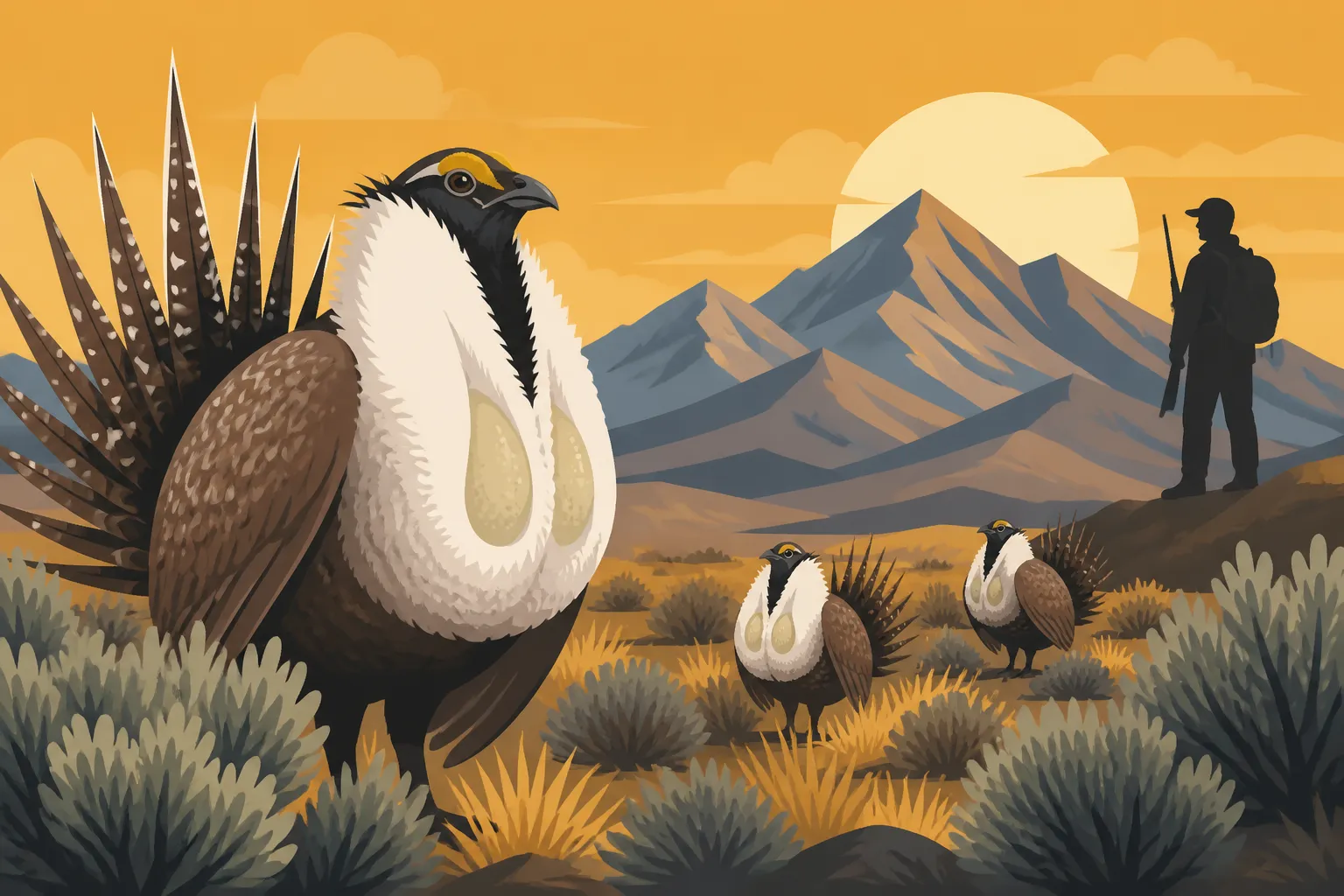
The timing of lekking is largely dependent on weather and day length, typically beginning in late February and peaking in March and April. Long before the sun cracks the horizon, male sage grouse arrive at the lek, ready to commence their elaborate displays. As dawn approaches, the males engage in a mesmerizing performance: strutting, fanning their spiky tail feathers, inflating large, yellowish air sacs on their chests with a distinctive popping sound, and vocalizing with a series of gurgles and hoots. This cacophony fills the cold morning air, a primal call to potential mates.
Females visit the lek, observing the males' displays before ultimately choosing a mate. Often, only a few dominant males on the lek will achieve the majority of breeding success, a pattern known as "lek polygyny." This highly specialized breeding strategy makes them particularly vulnerable to disturbance during this critical time. Any activity that disrupts lekking, whether it's human presence, vehicles, or even livestock, can impact breeding success and, consequently, the long-term health of the population. Understanding these behavioral patterns is key to respecting these birds and their habitat.
Nevada's Sage Grouse Populations and Management
The story of the sage grouse in Nevada, much like across the West, is one of fluctuating fortunes. Once abundant, these iconic birds have faced numerous challenges that have led to significant population declines in many areas. Understanding these trends and the efforts underway to manage them is crucial for hunters and conservationists alike.
Population Trends and Conservation Challenges
Historically, vast flocks of sage grouse roamed the sagebrush steppe. However, over the last century, their numbers have seen substantial declines due to a multitude of factors. Habitat loss and fragmentation, primarily from development, agriculture, and invasive species like cheatgrass, are the most significant threats. When sagebrush is lost, it often means permanent loss for these specialized birds. Climate change also plays a role, altering precipitation patterns and increasing the frequency of intense wildfires, further compounding habitat degradation. Disease outbreaks can also have localized impacts, though habitat remains the overarching concern.
In response to these challenges, the Nevada Department of Wildlife (NDOW) and various conservation partners have implemented numerous strategies. These include habitat restoration projects focused on removing invasive species, re-establishing native plants, and managing grazing to benefit sagebrush health. NDOW also conducts regular lek counts and population surveys to monitor trends and inform management decisions. These efforts are vital to ensuring the long-term survival of the species, and hunters often contribute to these programs through license and tag fees, supporting How Nevada Manages Sage Grouse Hunting across the state.
Hunting Regulations and Permit Requirements
Hunting for sage grouse in Nevada is carefully managed to ensure sustainable populations. Seasons are typically short, often just a few days, and specific to certain units with healthy grouse populations. Bag limits are conservative, reflecting the species' vulnerability and the need for careful stewardship. It’s not a hunt designed for high volume, but rather for a unique experience in an incredible landscape.
Crucially, hunters often need to acquire a special permit, in addition to a standard hunting license, to pursue sage grouse. This permit system allows NDOW to precisely control harvest levels and gather important data on hunter effort and success. Resources like GoHunt are invaluable for keeping up-to-date on these specific regulations, application periods, and any unit-specific rules that might apply. They often have detailed information on draw odds and unit breakdowns, which can be immensely helpful. Always double-check the current year's regulations directly with NDOW or reliable platforms that aggregate this information, such as the detailed insights available through a GoHunt membership, before planning your hunt. Understanding the Nevada Sage Grouse Permit Requirements is a non-negotiable step before heading afield.
Locating Sage Grouse: Scouting and Strategy
Finding sage grouse in Nevada's vast sagebrush can feel like searching for a needle in a haystack. These birds blend in seamlessly with their surroundings, and their movements can be subtle. Successful hunting hinges on thorough scouting and a thoughtful strategy that leverages both modern technology and traditional fieldcraft.
E-Scouting for Prime Sage Grouse Habitat
Modern e-scouting tools have revolutionized how hunters approach species like sage grouse. Before you ever step foot in the field, you can spend hours digitally exploring potential hunting areas. Look for expansive, healthy sagebrush flats, especially those with varied topography like gentle slopes, draws, and small ridges. These variations provide both cover and potential foraging areas. Tools like GoHunt's mapping features can be incredibly powerful for this, allowing you to layer satellite imagery with public land boundaries, elevation contours, and even historical burn data.
When analyzing terrain, pay attention to elevation. Sage grouse typically prefer lower to mid-elevation sagebrush country, avoiding the extreme high country where trees become more dominant. Also, consider proximity to water sources, even though sage grouse can obtain much of their moisture from their diet. Areas near springs, ephemeral drainages, or even small depressions that collect snowmelt can sometimes hold birds. Understanding how to use these tools effectively is key to E-Scouting a Nevada Unit Before the Season and can save countless miles of unproductive driving and hiking. Remember to also cross-reference these e-scouting observations with broader unit information, such as found when Reading a Nevada Hunt Unit Before You Apply, to get a complete picture.
Field Scouting and Hunter Tactics
Once you've narrowed down potential areas through e-scouting, it's time to hit the field. The best time to field scout for sage grouse is during the early morning or late evening, especially near dawn when males are most active on their leks. While you won't be hunting the leks directly, knowing their general location can give you an idea of where birds are congregating before scattering into the surrounding sagebrush. Look for subtle signs: tracks in dusty roads, droppings under sagebrush bushes, and shed feathers. These clues indicate recent grouse activity.
When the season arrives, hunting sage grouse is typically a walk-up affair. Many hunters utilize well-trained bird dogs, often pointing breeds, to help locate and flush the birds. Without a dog, it becomes a much tougher game of walking slowly and deliberately through promising sagebrush country, keeping a keen eye out for subtle movements or the distinctive shape of a grouse. Preparing Physically for Long Glassing Days is crucial, as you'll be covering a lot of ground, often at high elevations. The birds will typically hold tight, flushing with an explosive burst of wings, so be ready for a quick shot. Using good Optics Power for Nevada's Long Sightlines can also help spot birds from a distance before they see you.
Ethical Hunting and Responsible Practices
Hunting sage grouse in Nevada isn't just about pursuing a game bird; it's about being a responsible steward of a sensitive ecosystem and a unique species. Ethical behavior and a commitment to minimizing impact are paramount to ensuring these hunts remain a possibility for future generations.
Minimizing Impact and Respecting Habitat
The sagebrush environment is fragile. When driving, always stay on existing roads and two-tracks. Driving off-road can damage critical habitat, create erosion, and disturb wildlife. This is especially true in areas close to identified leks, which should be given a wide berth, especially outside of hunting season. Respect the solitude these birds require during their breeding cycle. The "pack it in, pack it out" principle applies here more than ever. Every piece of trash, every spent shell casing, needs to leave with you. Leaving no trace ensures that these wild places remain pristine for both wildlife and other users.
Shot Placement and Bird Recovery
As with any hunting, ethical shot placement is crucial. Sage grouse are robust birds, and a clean, quick kill is the goal. Use appropriate shot sizes for upland game to ensure sufficient energy for humane dispatch. After the shot, diligent recovery of the bird is absolutely essential. Sage grouse can be remarkably adept at disappearing into the sagebrush after being hit. Work quickly and thoroughly to locate downed birds, especially if hunting without a dog. A good bird dog can dramatically improve recovery rates, preventing wasted game. Field Dressing in August Heat provides good principles for game care in general, and quickly dressing your sage grouse will ensure the best possible meat quality, especially on warmer hunting days.
The Future of Nevada's Sage Grouse
The fate of the sage grouse in Nevada, and across the western United States, is an ongoing story of conservation, challenges, and dedicated effort. As hunters, we have a vital role to play in advocating for and contributing to the health of this species and its iconic sagebrush habitat. The future of these birds depends on a collective commitment to understanding, respecting, and actively protecting their unique world.
Ongoing Research and Monitoring
Scientific research and continuous monitoring are the bedrock of effective sage grouse conservation. NDOW biologists, often in collaboration with universities and federal agencies like the Bureau of Land Management (BLM), conduct extensive studies. This includes radio telemetry, where birds are fitted with transmitters to track their movements, survival rates, and habitat use. Lek count surveys are performed annually across the state to estimate breeding populations and identify trends, providing crucial data that informs season setting and management strategies. These efforts help managers understand what factors are influencing populations and how best to intervene to support recovery.
Hunter's Role in Stewardship
Hunters are, and always have been, key stakeholders in wildlife conservation. For sage grouse, our role extends beyond simply purchasing a license and tag. It involves actively supporting habitat improvement projects, adhering strictly to regulations, and reporting any observations of banded birds or unusual lek activity to NDOW. Groups like the Nevada Chukar & Wild Game Foundation often engage in habitat projects that benefit all sagebrush species, including grouse, and supporting such organizations is another way to contribute. By educating ourselves and others about the challenges facing sage grouse and acting as responsible stewards, we become powerful advocates for the sagebrush sea and all the creatures that call it home.
| Feature | Description | Importance for Sage Grouse |
|---|---|---|
| Big Sagebrush | Dominant native shrub, aromatic leaves, varying heights. | Primary food source year-round, nesting cover, escape cover. |
| Leks (Display Grounds) | Open, flat areas within or adjacent to sagebrush, often on subtle rises. | Crucial for communal courtship and successful breeding. |
| Forbs | Broad-leafed herbaceous plants (wildflowers, legumes). | Supplemental diet, especially critical for protein-rich chicks. |
| Insects | Grasshoppers, beetles, ants, etc. | Essential protein source for rapidly growing chicks. |
| Water Sources | Springs, seeps, ephemeral drainages, snowmelt. | Direct hydration, supports forb/insect growth, especially in dry years. |
| Undisturbed Areas | Remote, quiet expanses of sagebrush away from human activity. | Minimizes stress, allows for natural behaviors, reduces predation risk. |
| Cheatgrass | Invasive annual grass, grows quickly, highly flammable. | Degrades sagebrush habitat, increases wildfire risk, poor forage. |
Disclaimer
Please remember that hunting regulations, season dates, and permit requirements can change from year to year. Always consult the official Nevada Department of Wildlife (NDOW) regulations for the current hunting season before planning any trip. This article is intended for informational purposes only and does not constitute legal advice or a substitute for official documentation.