Goose Hunting Across Nevada Valleys
When you think of hunting in Nevada, your mind probably jumps straight to giant mule deer bucks ghosting through the sagebrush or impressive bull elk bugling in a high mountain range. And don't get me wrong, those hunts are legendary for a reason! But what many folks overlook, or perhaps don't even realize is an option, is the incredible opportunity for goose hunting nestled right in the heart of Nevada's agricultural valleys. It can be a completely different challenge, but one that offers fast-paced action and plenty of table fare if you know where to look and how to approach it.
Understanding Nevada's Goose Habitat
Nevada might be largely arid, but its valleys, particularly those with significant agricultural activity or major water bodies, become crucial stops on the Pacific Flyway. Geese, whether they're migrating or establishing resident populations, are always looking for two things: food and water. And many of Nevada's valleys, from the northern reaches near the Idaho border to the central agricultural hubs, provide exactly that. It's a stark contrast to what you might expect from the Silver State, which is precisely why it often surprises hunters.
Agriculture as a Magnet for Geese
Picture vast fields of alfalfa, corn, or winter wheat stretching out across a valley floor. These are prime feeding grounds for geese, offering an abundant and reliable food source, especially in the colder months. Geese are remarkably adept at finding these agricultural oases, even if they're surrounded by miles of high desert. They'll fly in from nearby reservoirs, rivers, or smaller playa lakes to feed, sometimes traveling considerable distances. It’s not always about sitting in a blind by a pond; often, the best hunting involves setting up in a field they're actively using. This requires diligent scouting and, frequently, permission from landowners, which can be its own challenge. Hunting the Lahontan Valley Wetlands is a great example of an area where agriculture and wetlands combine to create fantastic opportunities.
Water Sources Beyond the Obvious
Beyond the cultivated fields, Nevada's valleys are dotted with other water sources that geese depend on. Large reservoirs, river systems like the Truckee or Humboldt, and even smaller, more ephemeral playa lakes can hold significant numbers of birds. These provide safe roosting areas, places for them to loaf during the day, and a secure spot to drink. Understanding the relationship between these water sources and the feeding fields is critical. Geese will often roost on a large, open body of water where they feel safe from predators, then fly out to feed in the fields at dawn and dusk. By using tools like GoHunt's mapping services, you can identify these key water bodies and then scout the surrounding agricultural lands to pinpoint their flight patterns and feeding areas. This kind of e-scouting can save you hours of driving.
Key Species and Season Dynamics
When you're goose hunting in Nevada, you're primarily looking at two main species: Canada geese and snow geese. While both offer exciting hunting opportunities, their behavior and the specific tactics you'll employ can differ significantly. Understanding the nuances of their seasons and bag limits is essential before you even think about pulling out your decoys.
Canada Geese: The Staple of Nevada Goose Hunting
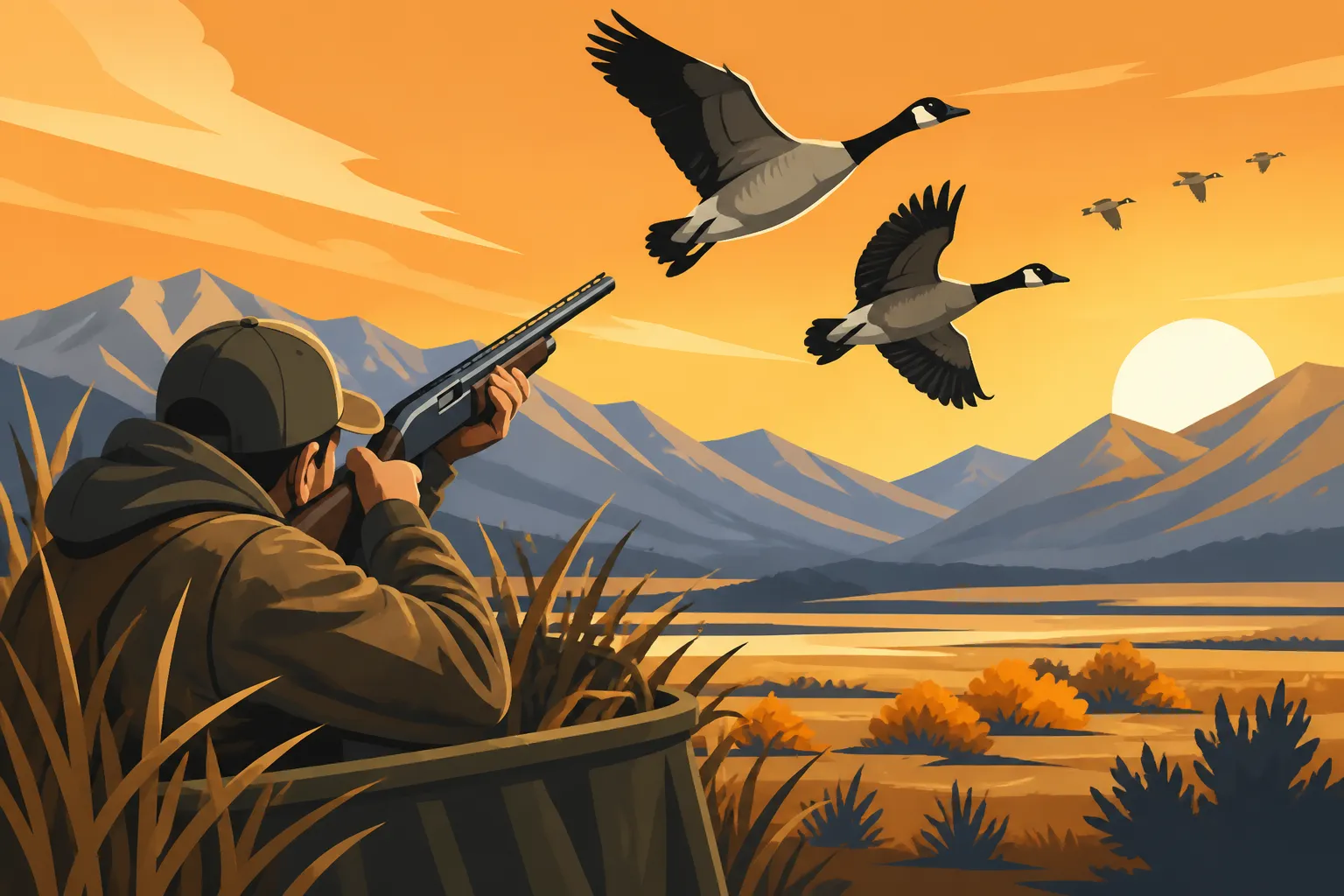
Canada geese are the bread and butter of goose hunting across much of North America, and Nevada is no exception. These are the big, familiar birds with the black neck and head, and a white chin strap. You'll find them in varying sizes, from the smaller "cacklers" to the larger "giant" Canadas, though often hunters simply refer to them all as Canadas. They are notoriously wary, with excellent eyesight, which makes hunting them a real test of skill and patience.
Nevada's Canada goose seasons typically run from the fall into the early winter, often split into different zones to account for migratory patterns and local populations. The bag limits can vary by zone and year, so it's always crucial to check the current Nevada Waterfowl Season Framework before heading afield. A successful Canada goose hunt often involves careful decoy placement, realistic calls, and impeccable concealment. These birds have seen it all, and they won't hesitate to flare if something looks off.
Snow Geese and Other Opportunities
While less common than Canadas in many areas, snow geese do pass through and sometimes winter in Nevada, offering a completely different hunting experience. Snow geese are smaller, entirely white with black wingtips (though you might occasionally see a blue phase, which is a genetic variant). They travel in massive flocks, sometimes thousands strong, and their hunting typically involves large spreads of decoys and a much more aggressive calling strategy to try and pull those huge flocks down. When they commit, it's an unforgettable sight and sound.
Other goose species, like specklebellies (greater white-fronted geese), are also found in Nevada, though usually in smaller numbers. These are considered a prize by many hunters due to their unique calls and delicious meat. Like Canada geese, they tend to be quite wary. The bag limits and seasons for these less common species are also outlined in the annual regulations. It's truly important to know your target species, as Nevada Duck Bag Limits by Species and goose limits are often distinct and can change.
| Goose Species | Typical Size (lbs) | Primary Color | Distinctive Feature(s) | Common Habitat (Nevada) |
|---|---|---|---|---|
| Canada Goose | 6-14 | Brown/Grey | Black head/neck, white chin strap | Agricultural fields, large water bodies |
| Snow Goose | 4-7 | White | Black wingtips (some blue phase) | Large open fields, shallow wetlands |
| Greater White-fronted Goose (Specklebelly) | 5-7 | Grey/Brown | White patch at base of bill, barred belly | Agricultural areas, shallow wetlands |
Strategies for Successful Valley Goose Hunting
Goose hunting in Nevada's valleys is a game of patience, stealth, and a keen understanding of bird behavior. It’s rarely a casual affair; the most successful hunters put in significant effort before and during the hunt. This means more than just throwing out a few decoys; it involves intricate planning, reading the landscape, and adapting to the birds' unpredictable nature.
Scouting and Decoy Spreads
The single most important factor for consistent goose hunting success in Nevada is thorough scouting. You simply cannot just show up and expect birds to be there. Geese are creatures of habit, but those habits can change daily based on weather, pressure, and food availability. You need to spend time watching where they feed, how they approach, and where they roost. This often means early mornings or late evenings spent glassing fields from a distance, noting flight lines and preferred landing zones. Using mapping tools, like those offered by GoHunt, can help you identify potential feeding areas and access points for your scouting. E-Scouting a Nevada Unit Before the Season is incredibly helpful here.
Once you’ve identified a spot, your decoy spread becomes crucial. For Canada geese, a spread of a dozen to two dozen full-body or shell decoys, often combined with a few motion decoys like flags or spinners, can be effective. For snow geese, you’re looking at hundreds, if not thousands, of decoys to mimic their massive flocks. The arrangement matters too: leaving a landing zone, placing sentries, and mimicking feeding patterns all play a role. Don't forget that Reading a Nevada Hunt Unit Before You Apply can give you insights into the general land use and potential agricultural areas.
Concealment and Calling Tactics
Geese have incredible eyesight. They can spot a hunter, a shine off a gun barrel, or an unnatural lump in a field from hundreds of yards away, high in the air. Therefore, concealment is paramount. Layout blinds are the standard for field hunting, allowing you to lie flat and emerge only when the birds are committed. If hunting near natural cover like cattails or a brush line, using natural materials to break up your silhouette is key. Ensure your blind blends seamlessly with the surroundings.
Calling is another art form. For Canada geese, it’s about realistic honks, clucks, and moans to draw them in and reassure them. You want to sound like a contented flock on the ground. For snow geese, it's often a much more aggressive, continuous cacophony of high-pitched kiah-kiah calls, mimicking the massive chatter of a snow goose flock. Practice is vital for both. Understanding when to call loudly to get their attention and when to back off as they get closer is a learned skill. Bugling Bulls in Nevada's Northern Mountains might seem unrelated, but the principles of using a call to attract game and reading their responses are universal across species.
Gear and Logistics for Nevada Goose Hunts
Nevada's valleys, while potentially less rugged than its mountains, still demand proper preparation and gear. You’ll be dealing with varied weather, long distances between services, and the need for specialized equipment to be successful and safe. Overlooking these logistical details can quickly turn a promising hunt into a frustrating one.
Essential Equipment Beyond the Basics
Beyond your shotgun and ammunition, several items are absolutely critical for a Nevada goose hunt. First, you'll need effective blinds – whether layout blinds for field hunting or well-camouflaged portable blinds for water setups. Decoys are a significant investment, but essential; consider full bodies for realism, shells for portability, and flags or spinners for motion. Warm, waterproof clothing is a must, as you'll often be sitting stationary in cold, potentially wet conditions. Layering is key, as Layering for Basin and Range Temperature Swings is often a reality, even in winter.
Optics are also invaluable. Binoculars are essential for scouting distant fields and identifying birds, while a spotting scope can help you determine species and gauge flock sizes from afar without disturbing them. Good waders are crucial if you plan to retrieve birds from shallow water or set up blinds in wet areas. Don't forget a comfortable seat or pad for those long waits in the blind!
Navigating Public and Private Land
While much of Nevada is public land, many of the prime agricultural goose hunting areas are on private property. This means you'll often need to secure permission from landowners well in advance of the season. This can be challenging but is often the only way to access the best feeding fields. Always be respectful, offer to help with chores if possible, and leave the property cleaner than you found it. Public land opportunities do exist, particularly around major water bodies or State Wildlife Management Areas, but these spots often receive heavier pressure. Checking with the Nevada Department of Wildlife for specific unit regulations and public access points is crucial. Using mapping apps to determine land ownership, like those offered by GoHunt, is non-negotiable for identifying BLM Ground Is Where Most Nevada Hunting Happens versus private parcels.
Remember that Motorized Travel Rules on Nevada Public Land are strict; stay on designated roads to avoid damage and potential citations. Many of these roads can be rough, so having a reliable vehicle and being prepared for minor repairs is vital. Consider carrying extra fuel and water, as services can be few and far between. Carrying Extra Fuel on a Nevada Hunt is just good practice, no matter what you're chasing.
Post-Harvest Care and Regulations
Once you’ve successfully harvested a goose, proper care is essential to ensure quality table fare. In warmer early seasons, or even in Nevada's surprisingly mild winter days, heat can spoil meat quickly. Field dress birds promptly and get them cooled down as soon as possible. A cooler full of ice is not just a luxury; it's a necessity.
Always be aware of specific regulations regarding tagging, reporting, and evidence of sex requirements, particularly if you're taking different species. You must legally possess an intact wing or head of any migratory bird until you reach your permanent residence or a meat processor, allowing for species identification. These rules are in place to help wildlife agencies monitor harvest and ensure compliance. Your annual hunting regulations booklet will outline all of these specifics, so give it a thorough read before you head out.
Disclaimer
This article is for general informational purposes only and does not constitute professional advice. Laws, prices and regulations vary by location and change over time. Consult a qualified professional for guidance on your specific situation.