Mule Deer Population Trends Across the Great Basin
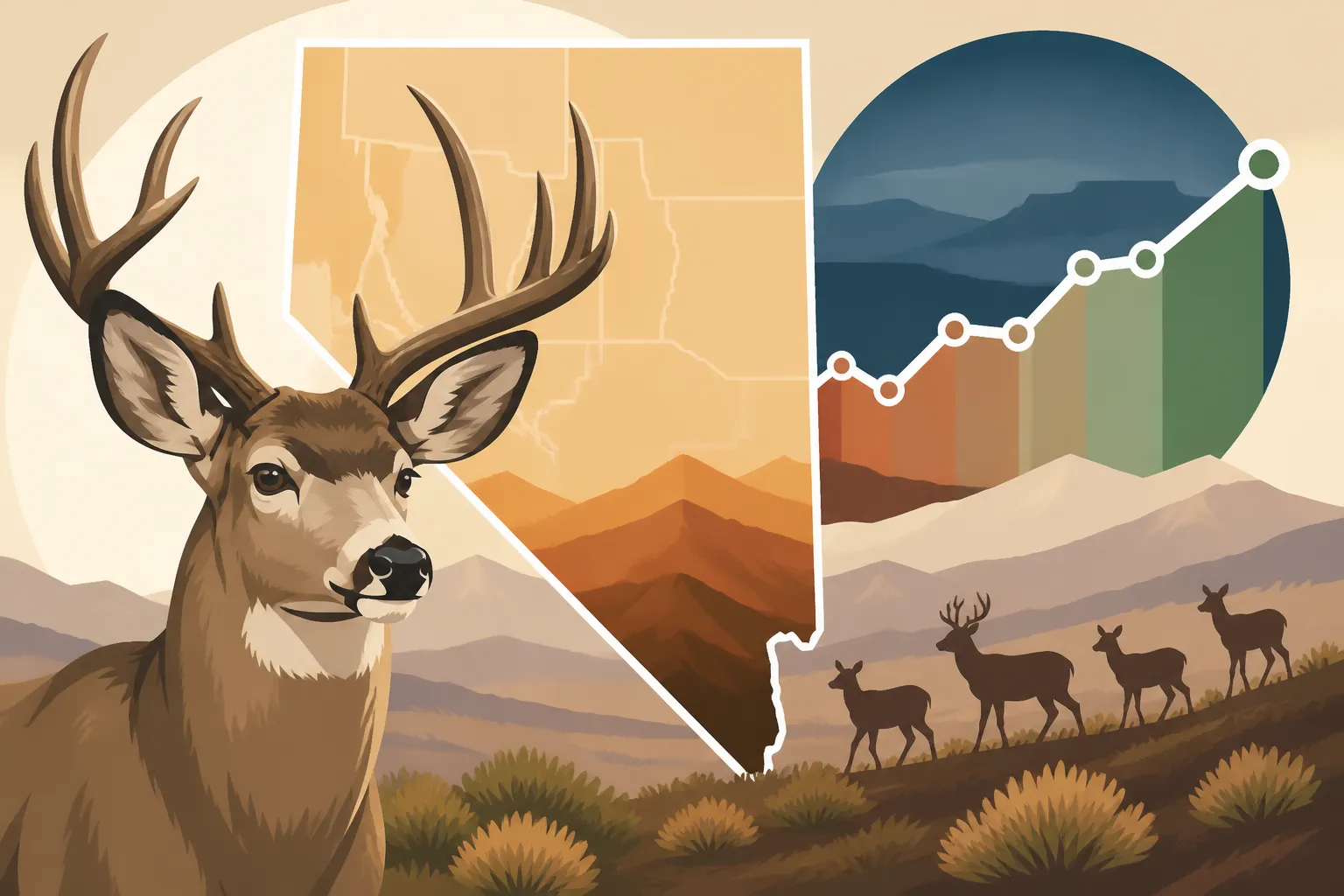
It’s a thought that crosses every deer hunter’s mind, especially out here in the vast, arid expanse of the Great Basin: "Are there as many mule deer as there used to be?" We pour over maps, scout for miles, and analyze draw odds, all while a little voice in the back of our heads wonders about the health and stability of the herds. This guide dives deep into the complex world of mule deer population trends across the Great Basin, breaking down the factors at play and how hunters can understand what's really happening on the ground.
Understanding the Great Basin's Unique Challenges for Mule Deer
The Great Basin isn't your typical mule deer habitat. It’s a land of extremes, defined by towering mountain ranges separated by vast, dry sagebrush valleys. This unique geography, coupled with a notoriously unpredictable climate, creates a demanding environment for mule deer, directly influencing their numbers and distribution. Hunters accustomed to more forested or agricultural landscapes often find themselves scratching their heads when they first try to understand mule deer here.
The Impact of Arid Climate and Drought Cycles
Perhaps the most significant overarching factor influencing mule deer in the Great Basin is water, or rather, the lack of it. The region is characterized by low annual precipitation and can experience prolonged periods of drought. This isn't just about deer needing a drink; it's about the ripple effect throughout the entire ecosystem. Drought directly impacts forage quantity and quality, which is absolutely critical for pregnant does and growing fawns. When the browse and forbs are stunted and dry, deer struggle to get the nutrients they need, leading to lower fawn survival rates and poorer overall herd health. This is why you often hear wildlife biologists talk about how a wet spring translates to better fawn crops in the fall. We've all seen those parched landscapes, wondering how anything survives, and it’s a tough reality for the deer trying to eke out a living. Understanding How Drought Affects Great Basin Deer is key to grasping the core struggles.
Beyond immediate forage, severe drought also impacts water sources like springs and guzzlers. While deer are incredibly adapted to arid environments, they still need dependable water. When these sources dry up, deer are forced to travel further, expending critical energy and often exposing themselves to predators. This extra stress compounds the nutritional deficiencies, making it a double-whammy for herd health. It's a cyclical challenge that the Great Basin's mule deer have faced for millennia, but with increasing human impact and climate variability, these cycles can become more intense and prolonged, making recovery tougher in the intervening years.
Habitat Degradation and Fragmentation
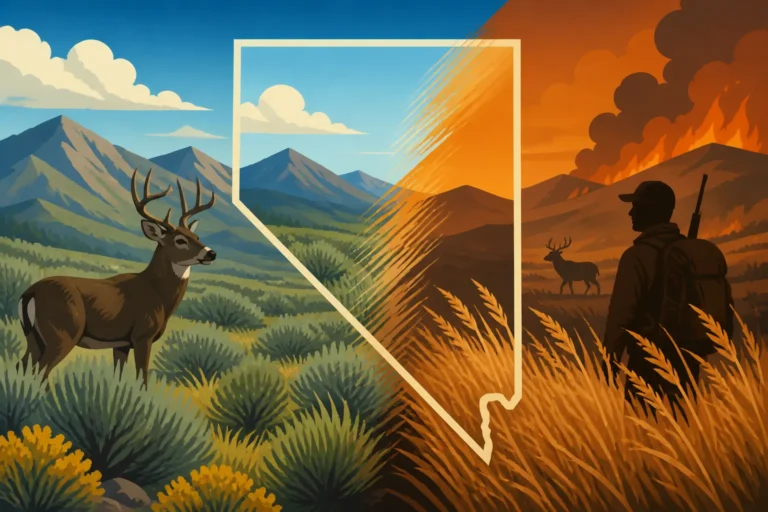
While natural cycles are a given, human activities have undeniably contributed to habitat degradation and fragmentation across the Great Basin. Ranching, mining, development, and recreational use all leave their mark. The conversion of native sagebrush steppe to agricultural land or the encroachment of urban sprawl reduces the total available habitat for deer. Even where land isn't directly converted, the introduction of invasive species like cheatgrass has drastically altered the ecosystem. Cheatgrass provides little nutritional value for deer and, perhaps more critically, fuels larger and more frequent wildfires, which further degrade critical sagebrush habitat that mule deer depend on for forage and cover, especially in winter. You can learn more about How Wildfire Changes Sagebrush Habitat and the lasting effects it has.
Roads and fences, while seemingly innocuous to us, can fragment habitat, making it harder for deer to access seasonal ranges or escape predation. A highway might cut off a crucial migration corridor, or a new housing development could eliminate a vital wintering ground. These barriers disrupt natural movements and can concentrate deer into smaller, less optimal areas, increasing competition for resources and making them more vulnerable. It’s a subtle but powerful force that often goes unnoticed until you start looking at large-scale satellite imagery or consult maps from resources like GoHunt that integrate various land use data. The fight against Cheatgrass and What It Did to Nevada Range is a constant battle for wildlife managers.
Key Factors Influencing Mule Deer Populations
Mule deer populations are dynamic, always ebbing and flowing in response to a complex interplay of environmental factors, predation, and management strategies. Understanding these primary drivers helps paint a clearer picture of why numbers might be up in one unit and down in another.
Forage Quality and Quantity
As mentioned, what mule deer eat, and how much of it they can get, is foundational to their survival and reproductive success. Forage quality is particularly critical during specific times of the year, especially in late winter and early spring for pregnant does, and in summer for growing fawns. High-quality forage, rich in protein and energy, allows does to reach peak physical condition, which directly translates to healthier fawns that have a better chance of surviving their first year. Conversely, poor forage conditions lead to lower birth rates, weaker fawns, and increased mortality for adult deer, particularly during harsh winters.
The quantity of forage is equally important, especially when deer are concentrated on winter ranges or during periods of drought. Overgrazing, whether by deer themselves, cattle, or feral horses, can deplete essential food sources, making it harder for deer to build up the fat reserves needed to survive the lean months. Biologists often look at browse utilization surveys to gauge how much food is available and being consumed. When these reports show heavy use, it's a sign that deer might be facing nutritional stress. This is often tied to Reading a Nevada Winter Range Report to anticipate how a herd might fare through the coldest months.
Predation and Disease
Predation is a natural part of any ecosystem, and coyotes, mountain lions, and even bears play a role in mule deer population dynamics. However, the impact of predation can vary significantly depending on other factors. When deer populations are healthy and habitat is good, predation typically helps cull weaker animals and maintains a strong gene pool without drastically reducing overall numbers. But when deer are already stressed by poor habitat, drought, or harsh winters, predation can become a more significant limiting factor, especially on fawns. A doe in poor condition is less likely to successfully evade a predator while protecting her fawn, and a weak fawn is an easier target. You can dive deeper into Predator Management and Nevada Deer to see how various efforts attempt to balance these natural forces.
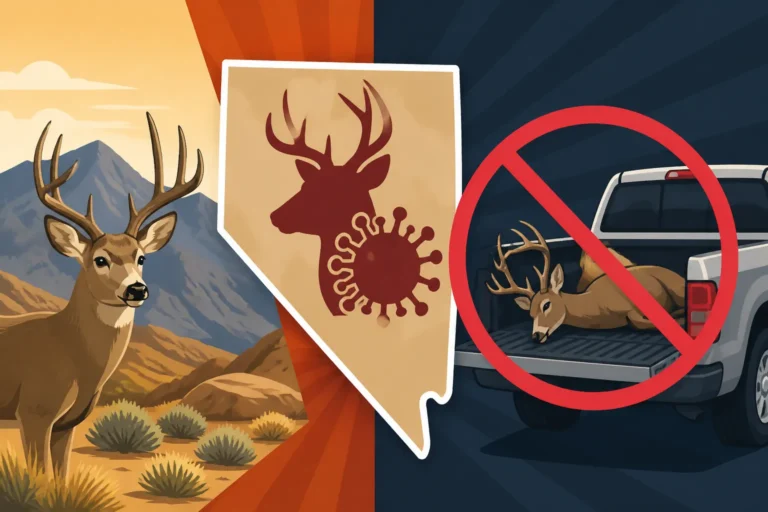
Diseases, though sometimes less visible, can also have devastating effects on localized mule deer populations. Epizootic Hemorrhagic Disease (EHD) and Chronic Wasting Disease (CWD) are two examples that can cause significant mortality. While CWD hasn't yet been detected in Nevada's wild deer herds, it remains a serious concern, and wildlife agencies actively monitor for it. When a disease outbreak occurs, it can decimate a local herd faster than any other factor, highlighting the importance of managing overall herd health and minimizing stress factors that could make deer more susceptible to illness.
Hunting Pressure and Management Strategies
While often debated, regulated hunting is generally not a primary driver of mule deer population declines in the Great Basin. State wildlife agencies meticulously set tag quotas based on population estimates, harvest data, and management objectives to ensure sustainable hunting opportunities. However, hunting pressure can influence local deer behavior and distribution, and overly aggressive antlerless harvests in areas with declining populations could certainly exacerbate issues if not carefully managed.
Modern wildlife management aims to balance population health with hunter opportunity. This involves not only setting tag numbers but also engaging in habitat improvement projects, water development (like guzzlers), and monitoring initiatives. Agencies like the Nevada Department of Wildlife (NDOW) use sophisticated models to forecast population trends and adjust management strategies accordingly. For hunters, this means your tag dollars contribute directly to these efforts. Utilizing tools like GoHunt can help you understand historical harvest success and tag numbers, giving you insights into management trends in specific units. The concept of What a Herd Objective Actually Means is central to how these agencies approach their work.
Reading the Data: How Biologists Track Deer Trends
As hunters, we often rely on anecdotal evidence or what we've seen in the field to gauge deer numbers. But wildlife biologists use a range of scientific methods to track populations, providing a more objective and comprehensive picture. Understanding how they collect and interpret this data can help you make more informed decisions about your hunting strategies.
Population Surveys and Fawn Ratios
One of the most crucial tools for assessing mule deer populations is aerial surveys. Wildlife agencies conduct these surveys, often using helicopters, to count deer in specific units or management areas. They fly systematic transects, recording the number of bucks, does, and fawns observed. This provides raw data for population estimates and, critically, allows biologists to calculate the fawn-to-doe ratio. The fawn ratio is a strong indicator of recruitment – how many new deer are entering the population each year. A low fawn ratio signals potential problems, as it means fewer deer are surviving to adulthood to replace older animals or increase the herd. This is Why Fawn Ratios Predict Next Season is such a fundamental concept in wildlife management.
In addition to aerial counts, biologists also use ground surveys, trail cameras, and even remote sensing technologies to supplement their data. These methods help refine population estimates and provide insights into habitat use and behavior. While no survey is 100% accurate, combining multiple data sources allows for more robust estimates, which then inform tag allocations and management decisions. Learning How Biologists Count a Desert Big Game Herd reveals the incredible effort involved.
Harvest Statistics and Hunter Success
Another vital piece of the puzzle comes from us, the hunters! Post-season harvest reports are mandatory in Nevada and provide invaluable data. These reports include details on where animals were harvested, the sex of the animal, and sometimes age information. By analyzing harvest success rates, the average age of harvested bucks, and the total number of animals taken, biologists can cross-reference their population models and get a sense of how the herd is responding to hunting pressure and environmental conditions. If success rates plummet across multiple units, it's often an early warning sign that something is amiss with the deer population.
Data from hunter reports also helps agencies understand hunter effort and distribution, which can be important for managing pressure. When you look at historical harvest statistics, perhaps using a platform like GoHunt, you might see trends in certain units that correlate with environmental events or management changes. This gives you a more grounded understanding than simply relying on word-of-mouth. Examining Reading a Nevada Hunt Statistics Table is a powerful way to enhance your hunt planning. It also sheds light on Why Nevada Draw Odds Vary So Much by Unit, as tag numbers are directly tied to these population estimates.
Here’s a simplified table illustrating common factors and their impact on mule deer populations:
| Factor | Impact on Population | Description |
|---|---|---|
| Drought | Decrease | Reduces water availability and quality/quantity of forage, stressing does, lowering fawn survival, and increasing susceptibility to disease. |
| Harsh Winters | Decrease | Deep snow and extreme cold increase energy demands while reducing access to forage, leading to winter kill, especially for fawns and older animals. |
| Forage Quality | Increase/Decrease | High-quality forage supports healthy does and fawns, leading to higher recruitment. Poor forage results in lower birth rates, weaker fawns, and increased vulnerability. |
| Habitat Loss | Decrease | Urbanization, agriculture, and invasive species (like cheatgrass) reduce total available habitat, fragmenting critical ranges and increasing competition. |
| Predation | Varies | Natural part of the ecosystem. Can become a limiting factor if deer are already stressed or if predator populations are disproportionately high relative to available prey and habitat conditions. |
| Disease Outbreaks | Decrease | Epizootic Hemorrhagic Disease (EHD) or Chronic Wasting Disease (CWD) can cause rapid and significant localized mortality, impacting herd stability. |
| Habitat Improvement | Increase | Water developments (guzzlers), prescribed burns, and removal of invasive species can enhance forage and cover, improving overall carrying capacity and herd health. |
| Sound Management | Stable/Increase | Science-based tag quotas, regulated hunting seasons, and active monitoring help maintain populations within ecological carrying capacity and management objectives, ensuring sustainable hunting opportunities. |
What Hunters Can Do to Support Healthy Herds
It's easy to feel helpless when discussing these large-scale trends, but as hunters, we are critical stakeholders and can play a significant role in supporting healthy mule deer populations. Our passion for these animals extends beyond the harvest; it’s about ensuring their future.
Get Involved in Conservation Efforts
One of the most impactful things you can do is to contribute to or volunteer with conservation organizations that focus on mule deer and their habitat. Groups like the Mule Deer Foundation, Rocky Mountain Elk Foundation, and local sportsmen's associations are actively involved in habitat restoration, guzzler maintenance, fence removal, and public education. Your membership dollars and volunteer hours translate directly into boots-on-the-ground work that benefits deer. These organizations often work closely with state agencies, amplifying their efforts and bringing private funding to crucial projects that might otherwise go unfunded.
Attending public meetings hosted by NDOW or other land management agencies (like the BLM or Forest Service) is also vital. This is your chance to voice your concerns, ask questions, and provide input on management plans. Being an informed and engaged advocate for wildlife is one of the most powerful roles a hunter can play.
Be an Ethical and Responsible Hunter
Beyond direct conservation, our conduct in the field directly impacts how the public views hunting and, by extension, how much support conservation efforts receive. This means adhering strictly to all hunting regulations, from tagging requirements to legal shooting hours. Knowing your limits, both ethically and skill-wise, is paramount. Taking a clean, ethical shot and making every effort to recover your animal honors the resource. This includes proper Field Dressing in August Heat to ensure meat quality.
It also means respecting private property and public land. Leave no trace, pack out what you pack in, and be mindful of your impact on the land and other users. Report any poaching or suspicious activity you observe. By upholding the highest standards of ethical conduct, we demonstrate that hunters are responsible stewards of wildlife and the landscape.
Continuous Learning and Advocacy
The world of wildlife management is constantly evolving, with new research and challenges emerging. Take the time to educate yourself on the specific issues facing mule deer in the units you hunt. Read the annual hunt regulations thoroughly, delve into the draw statistics and harvest reports available from NDOW and resources like GoHunt, and keep an eye on scientific studies. E-Scouting a Nevada Unit Before the Season is not just about finding deer; it's about understanding their world.
Use your knowledge to advocate for sound wildlife management policies. Talk to non-hunters about the role hunting plays in conservation. Share your passion for the outdoors and the challenges facing wildlife. By becoming a well-informed and articulate voice for mule deer, you help build a broader understanding and support base for the conservation efforts that are so vital to ensuring healthy mule deer populations across the Great Basin for generations to come.
Disclaimer
This article is for general informational purposes only and does not constitute professional advice. Laws, prices and regulations vary by location and change over time. Consult a qualified professional for guidance on your specific situation.