Boone and Crockett Bulls From Nevada
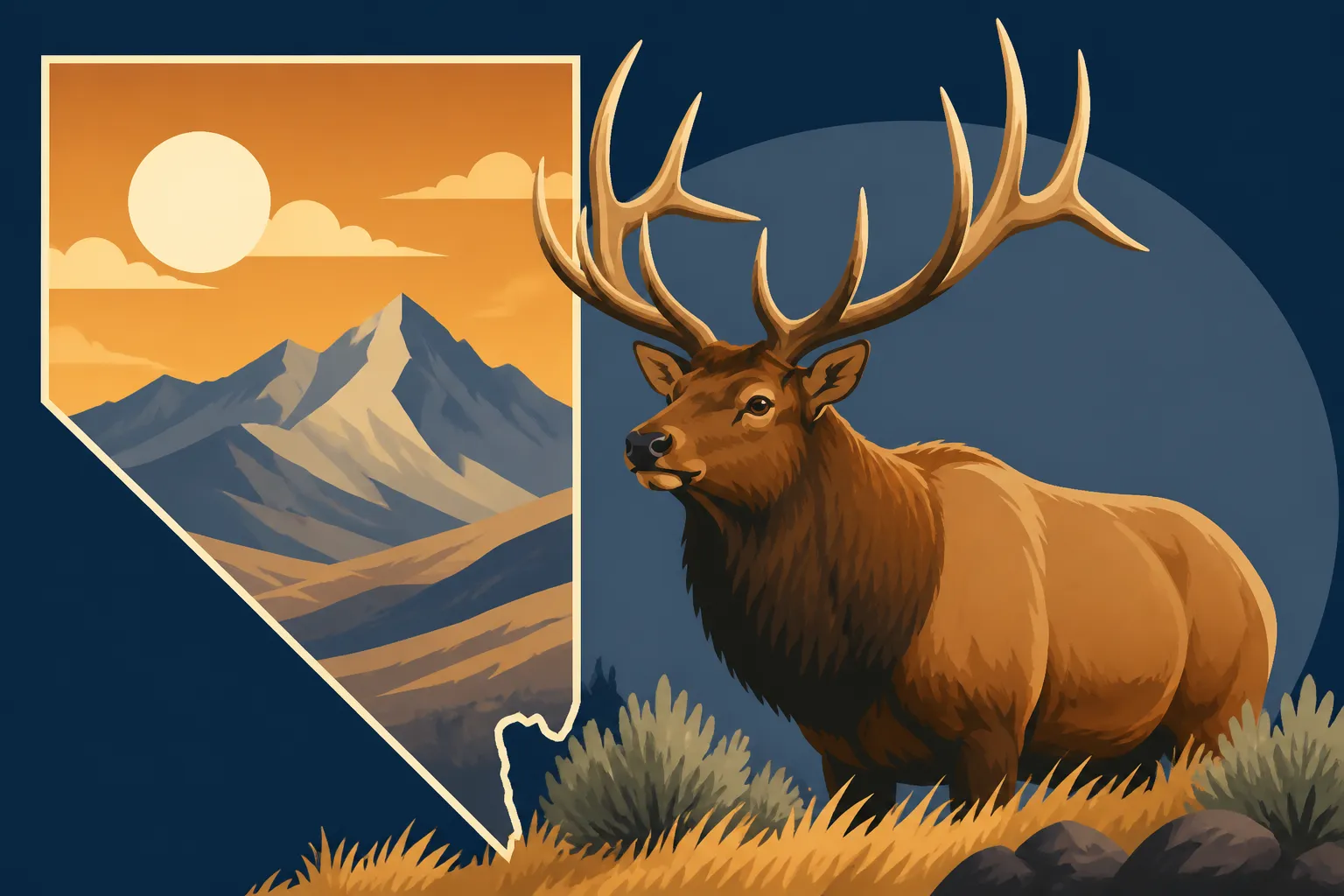
The allure of a true trophy bull elk, especially one that scores into the prestigious Boone and Crockett record book, captures the imagination of countless hunters. For many, drawing a tag for such an animal in Nevada can feel like a once-in-a-lifetime opportunity, often shrouded in mystery and difficult odds. This guide aims to pull back the curtain on what makes Nevada a producer of these magnificent animals and how dedicated hunters might pursue such a remarkable achievement, offering insights into the factors that contribute to these exceptional animals and the strategic approach required.
The Factors Behind Nevada's Boone and Crockett Bulls
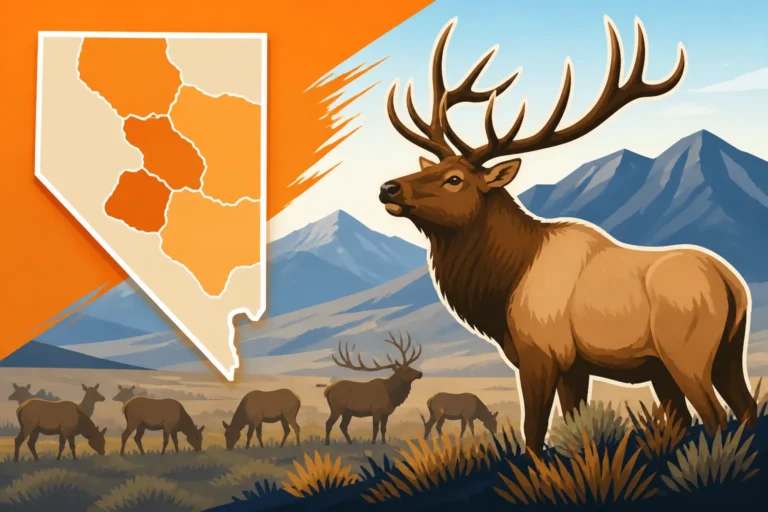
Nevada might not be the first state that comes to mind when you think of Boone and Crockett elk, but don't let its reputation as a mule deer Mecca fool you. Over decades, careful management, strong genetics, and unique habitat conditions have allowed some of Nevada's elk herds to flourish, producing bulls that regularly impress. It's a testament to the state's wildlife agencies and conservation efforts that these giants roam the remote mountains and basins.
Genetic Lineage and Herd Establishment
The foundations of Nevada's elk success lie partly in their origins. When elk were reintroduced and transplanted into the state, efforts were made to source animals from areas with strong genetic potential, often from states renowned for their large elk. These founding herds, coupled with favorable conditions, established a robust gene pool. Over generations, this strong lineage has contributed to the growth of impressive antlers, allowing bulls to express their full genetic potential. Understanding how these herds were established is key to appreciating their current quality.
Rich Forage and Diverse Habitat
While much of Nevada is arid, its elk herds inhabit specific mountain ranges and ecological niches that provide surprisingly rich and diverse forage. From high-elevation aspen groves and conifer forests in the northern and eastern parts of the state to riparian corridors and sagebrush steppe, these areas offer the nutritional building blocks needed for antler growth. During periods of good moisture, the vegetation provides the necessary protein and minerals for bulls to put on significant mass and length. The mosaic of different plant communities ensures a varied diet throughout the year, supporting overall herd health and trophy potential.
Age Structure and Limited Pressure
One of the most critical components for growing truly massive antlers is age. It takes many years for an elk bull to reach its prime antler-growing potential, often seven years or more. Nevada's management strategies, which typically involve a limited number of tags issued through a demanding draw system, contribute to a healthy age structure within its elk herds. Fewer tags mean less hunting pressure on mature bulls, allowing a greater number of them to reach advanced age classes where they can develop the large, heavy antlers desired by trophy hunters. This low-pressure environment is a stark contrast to some other states with over-the-counter tags, making Nevada a serious consideration for those seeking a bull that has had the time to fully mature. You might want to dig deeper into the concept of How Many Tags Nevada Issues Each Year to understand how this plays out.
Key Nevada Units Known for Trophy Potential
While drawing a tag for any bull elk in Nevada is a challenge, certain units have historically gained a reputation for producing bulls with exceptional antler growth and Boone and Crockett potential. These units often combine prime habitat, limited access, and robust herd management to create environments where giants can thrive. It's not about a guaranteed B&C bull in every unit, but rather knowing where the odds are most favorable due to these underlying conditions.
Eastern Nevada's Mountain Ranges
The mountain ranges of eastern Nevada, such as the Ruby Mountains, Schell Creek Range, and Snake Range, are frequently mentioned when discussing trophy elk. These areas boast higher elevations, more consistent moisture, and diverse habitat with a mix of timber, aspen, and open mountain parks. The remoteness of some of these areas also contributes to less human disturbance, allowing bulls to grow older and larger. Unit 162 and Its Record Book Bulls, for instance, has a storied reputation for producing some truly enormous bulls, drawing attention from across the country. Hunters often spend years building points specifically for these coveted hunts. The rugged terrain means that pursuing these animals often requires significant physical effort and a willingness to get deep into the backcountry.
Northern Nevada's High Deserts and Basins
Further north, specific units also stand out, often characterized by a blend of sagebrush basins and isolated mountain ranges that break up the vast landscape. While seemingly less lush than their eastern counterparts, these areas provide incredible feed and cover in particular pockets. The elk in these units can be incredibly elusive, disappearing into the vastness of the landscape, and often respond well to calling during the rut. Hunters who excel at Bugling Bulls in Nevada's Northern Mountains often find success in these areas. The challenges of hunting these units are immense, but the rewards can be monumental. Tools like GoHunt can be invaluable for e-scouting these expansive units, helping you identify potential bedding areas, travel corridors, and water sources from home.
The Role of E-Scouting and Research
Before even considering an application, thorough research is paramount. E-scouting a Nevada unit before the season using satellite imagery and topographic maps is absolutely essential for understanding the terrain, identifying potential elk habitat, and planning access. Many seasoned hunters utilize platforms like GoHunt to pore over historical draw odds, harvest data, and unit characteristics. This allows you to evaluate which Nevada units grow the biggest bulls and align your application strategy with your trophy goals. Reading a Nevada hunt unit before you apply means understanding more than just boundaries; it means getting a feel for the lay of the land, potential bedding areas, and how elk might move within that specific environment.
Demystifying the Score: Understanding Boone and Crockett for Elk
For many, the term "Boone and Crockett" is synonymous with "trophy," but understanding what actually constitutes a B&C score for elk involves a specific set of measurements. It's not just about how big the antlers look, but a precise system that evaluates symmetry, length, mass, and abnormal points. Grasping these basics is crucial for anyone hoping to pursue or even just appreciate a truly exceptional bull.
Typical vs. Non-Typical Scoring
The Boone and Crockett Club categorizes elk into two main divisions: typical and non-typical.
- Typical elk are judged on the symmetry of their antlers. The ideal typical bull has a perfectly symmetrical rack with all points originating from the main beam in a consistent fashion. Gross score measurements include beam length, circumference at various points, and the length of all normal points. Deductions are then made for any differences in length between corresponding points on each antler and for non-symmetrical features. The minimum entry score for a typical American elk is 360 points.
- Non-typical elk are celebrated for their unique and often sprawling antler configurations, including abnormal points like stickers, drops, and forks that do not originate symmetrically. For non-typical scoring, all points—normal and abnormal—are measured, and instead of deducting for asymmetry, the sum of abnormal points is added to the gross typical score, giving credit for the uniqueness and sheer antler material. The minimum entry score for a non-typical American elk is 375 points.
Key Scoring Components
Regardless of typical or non-typical, several key components contribute significantly to a bull's overall score:
- Main Beam Length: The length of each antler's main beam, measured along the outer curve. Longer beams add substantial points.
- Tine Length: The length of each individual point (tine) coming off the main beam. A bull with long, well-developed tines on both sides will score much higher.
- Circumference (Mass): Measured at various points along the main beam between tines. This is often referred to as "mass" and contributes heavily to the score. Bulls with thick, heavy antlers that carry that mass throughout the beams are highly prized.
- Spread: The widest measurement between the main beams, though this contributes less to the overall score than length and mass.
Understanding these measurements helps a hunter field-judge a bull more effectively and appreciate the factors that go into a truly high-scoring animal. It's a precise science, and even a small increase in length or mass across multiple points can add up quickly.
Here's a simplified look at the scoring components:
| Component | Description | Impact on Score | Typical vs. Non-Typical Consideration |
|---|---|---|---|
| Main Beam Length | Measured along the outer curve of each antler. | High | Longer beams are always better. |
| Tine Length | Length of each point (G1, G2, etc.). | High | Symmetrical tines critical for Typical; all tines count for Non-Typical. |
| Circumference/Mass | Girth measurements at specific points along the beam. | High | Thick, heavy antlers that carry mass are always desirable. |
| Inside Spread | Widest measurement between main beams. | Moderate | Adds to overall impression, but less impact than length/mass. |
| Abnormal Points | Non-symmetrical points, drops, stickers. | Varies | Deducted for Typical; Added for Non-Typical. |
Strategies for Success: Pursuing a B&C Bull in the Silver State
Chasing a Boone and Crockett bull in Nevada is not for the faint of heart. It requires extreme dedication, physical stamina, meticulous planning, and a deep understanding of the draw system. This isn't just a hunt; it's a multi-year endeavor that demands commitment before you even step foot in the field.
Navigating the Nevada Draw System
The biggest hurdle for most hunters is simply drawing a tag. Nevada's application system is based on bonus points, which are squared to give long-term applicants a significantly better chance. This means that Why Four Nevada Bonus Points Buy Seventeen Chances is not just a catchy phrase, but a crucial aspect of the draw. You'll need to understand how Nevada's squared bonus points work and commit to building points over several years, or even decades, to have a realistic shot at a premier tag in a top-tier unit. Many hopeful hunters buy a Nevada point-only application each year, even if they don't apply for a tag, just to keep accumulating points. Nevada Applications Run March 23 to May 13 each year, so consistent engagement with the system is key. Using resources like GoHunt's Insider tool can help you analyze draw statistics and optimize your unit choices based on your point level and target species.
Extensive E-Scouting and Physical Preparation
Once you've drawn that coveted tag, the real work begins. Nevada units are vast, rugged, and often roadless. Successful B&C hunters invest heavily in e-scouting, spending countless hours on their computers analyzing satellite imagery, topographic maps, and public land boundaries. This allows them to identify key elk habitat, potential bedding areas, water sources, and access routes. Given the expansive nature of the terrain, you might also find it helpful to look into Glassing Nevada's Basin and Range for Mule Deer tactics, as many of the same glassing principles apply to elk in Nevada's open country.
Physical preparation cannot be overstated. You'll be covering miles in steep, broken country, often at high elevations. Training with a loaded pack, hiking ascents, and focusing on cardiovascular endurance are critical. The ability to spend long days in the field, navigating difficult terrain, is often what separates successful trophy hunters from others.
In-Season Hunting Tactics
The actual hunt itself will demand patience, persistence, and adaptability. Depending on your season dates, you might be calling bulls during the rut, or meticulously still-hunting and glassing during later rifle seasons.
- Early Season/Archery: If you're fortunate enough to draw an early archery or muzzleloader tag, you'll be focusing on locating bulls during the bugle. This often involves covering significant ground, using locator calls at dawn and dusk, and then closing the distance strategically. Two-hunter calling setups that actually work are essential for ambushing a bull that commits to your calls.
- Late Season/Rifle: For rifle hunts, particularly in the later seasons, elk often move to lower elevations or into thicker cover. This becomes more of a spot-and-stalk game, requiring exceptional glassing skills and patience. Hunters must be prepared for long shots across wide-open basins, making rifle zero distance for long sage shots a critical consideration. Finding good vantage points and systematically glassing entire drainages can eventually reveal a trophy bull. The key is to be ready to make a calculated move when an opportunity arises, often involving a lengthy and arduous stalk. Remember, success often comes down to dedication and having the right strategy for the specific conditions of your tag and unit.
Disclaimer
This article is for general informational purposes only and does not constitute professional advice. Laws, prices and regulations vary by location and change over time. Consult a qualified professional for guidance on your specific situation.