California Quail on Nevada Farm Ground
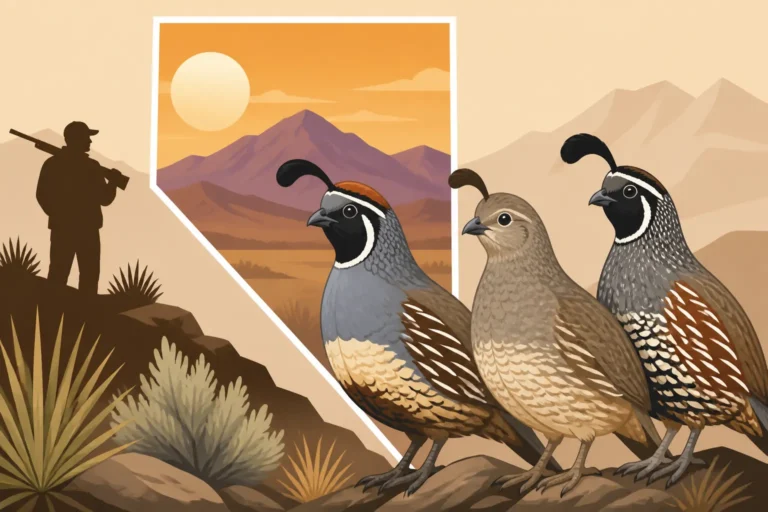
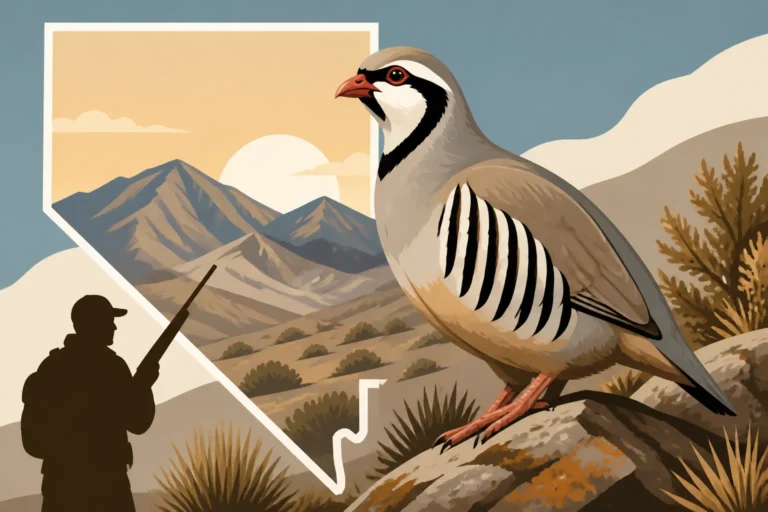
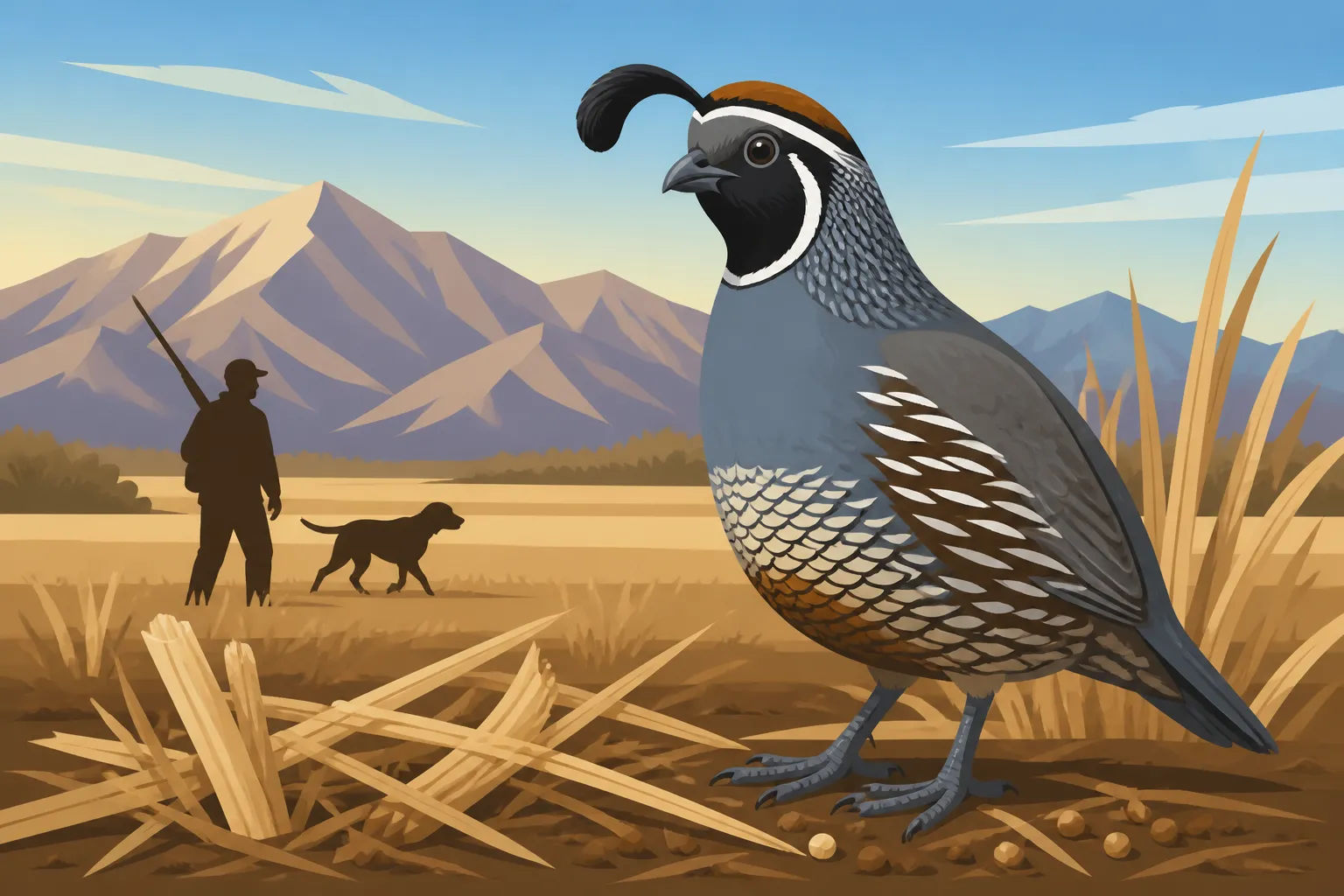
If you've spent any time looking for upland birds in Nevada, you know it can be a tough go. Many folks assume the Silver State is only about chukar on punishing slopes, but if you look closely, especially around the agricultural pockets, you'll find healthy populations of California quail thriving on farm ground. This guide is all about helping you understand why these areas are quail magnets and how to successfully pursue them.
Understanding California Quail Habitat in Nevada
Nevada might be largely public land and sagebrush, but don't overlook those green oases of agriculture. These irrigated fields and their adjacent cover offer a completely different hunting experience, and for California quail, it's often paradise. While they're called "California" quail, these adaptable birds have carved out a solid existence in suitable parts of Nevada, particularly where human activity creates predictable food and water sources.
The Allure of Nevada's Farm Ground for Quail
Think about what a quail needs: food, water, and dense cover for protection from predators and the elements. Nevada's farm ground, particularly in the western and northern parts of the state, provides all of this in abundance. Fields of alfalfa, corn stubble, or even irrigated pasture offer a consistent food supply. They'll scratch through the harvested fields, picking up dropped seeds and insects, often completely ignoring the vast, dry sagebrush surrounding these fertile patches.
Beyond the immediate crops, the irrigation ditches, fence lines, and field edges provide critical features. These linear strips often host thicker vegetation—weeds, brush, and even small trees—that offer refuge. The combination of easy groceries and secure hideouts makes these agricultural zones incredibly attractive. It's not just the presence of food, but its reliability, that draws and holds coveys season after season. They don't have to wander far to find what they need, meaning coveys can often be patterned to specific sections of a farm.
Beyond the Farm: Riparian Zones and Other Cover
While the fields themselves are vital, California quail rarely live entirely in the open. They're birds that crave overhead protection and dense cover to escape the sharp eyes of hawks and the swift movements of coyotes. This is where the edges of the farm ground become so important. You'll often find them utilizing nearby riparian zones – the brushy edges along creeks, rivers, or even drainage canals that feed the fields. These areas are magnets, providing water, dense thermal cover in winter, and shaded loafing areas during the heat of the day.
Even if a farm isn't directly adjacent to a major waterway, look for uncultivated corners, old equipment piles, or thick fencerows that have grown wild. These overlooked spots provide the dense, thorny cover that California quail love. They can duck into these thickets at a moment's notice, making it incredibly challenging for predators (and hunters) to flush them cleanly. It's a classic scenario: they'll feed in the open fields, but when startled, they burst into the nearest thick stuff, running and flying to safety. Understanding this transition from open feeding to dense cover is key to hunting them effectively.
Key Behaviors and Patterns of California Quail on Farmland
To consistently find California quail, you really need to get inside their heads a little bit and understand their daily rhythms. They're creatures of habit, especially when they have all their needs met in a relatively small area like a farm. Ignoring these patterns means you'll be doing a lot more walking and a lot less shooting.
Daily Routines: Feeding, Watering, and Roosting
California quail have a fairly predictable daily schedule centered around survival. They'll typically leave their roosts (often in dense, thorny brush or even low tree branches) right around dawn. Their first priority is food, so they'll move into the fields or field edges to scratch for seeds and insects. This early morning feeding period can be an excellent time to find them, as they're often more vocal and out in the open.
As the morning progresses, especially as the sun gets higher and the temperature climbs (a common occurrence in Nevada), they'll seek out water. This could be an irrigation ditch, a seep, or even dew collected on leaves. After watering, they'll move to a loafing area – typically dense cover, often shaded, where they can digest their food, dust bathe, and remain protected from midday predators. This mid-morning to early afternoon period can be quiet, as the birds are less active. Then, in the late afternoon, they'll embark on another feeding foray before heading back to their roosts as dusk settles. Knowing this cycle helps you time your hunts.
Seasonal Shifts and Hunting Pressure
Just like any game animal, California quail behaviors shift with the seasons, and hunting pressure definitely plays a role. Early in the season, when temperatures are milder, coveys are often larger and less wary. They might hold tighter, allowing you to get closer before flushing. However, as the season progresses and they've been bumped a few times, they become much more cunning. Coveys will break up more quickly, run more often than fly, and flush at greater distances.
The state of the crops also dictates their movements. After a harvest, vast fields might offer scattered feed, but also expose birds to predators. They'll adapt by spending more time in the remaining cover or venturing further from the fields into adjacent draws or riparian areas. Winter months, especially if snow falls, can concentrate birds even more, forcing them to rely on the densest cover and most accessible food sources. Understanding Nevada Quail Bag Limits by Species is also critical, as limits can vary, and knowing the regulations ensures you're hunting ethically and legally throughout these seasonal changes. Your approach needs to evolve as the season wears on, from bold pushes to more nuanced, quiet stalks along cover.
Scouting and Accessing Farm Ground for California Quail
The success of hunting California quail on farm ground often boils down to two things: knowing where to look and having permission to be there. Unlike vast stretches of public land, agricultural areas typically involve private property, making scouting and access paramount.
E-Scouting for Prime Quail Areas
Before you even leave your couch, modern mapping tools are your best friend. Start by looking for areas in Nevada known for agriculture. You'll want to identify irrigated valleys or river corridors where farming is prevalent. Once you've zoomed in, look for tell-tale signs: square or rectangular fields, pivot irrigation circles, and distinct property lines. These are your initial indicators.
Now, refine your search. Look for linear features adjacent to these fields: fence lines, irrigation ditches, brushy draws, or small strips of riparian vegetation. These are the travel corridors and security blankets for quail. Pay attention to changes in vegetation density—lighter green areas might indicate weeds or brush that quail can use. Services like GoHunt, or other robust mapping applications, are invaluable for this. They allow you to overlay public and private land boundaries, pinpoint potential water sources, and even identify subtle changes in topography that could offer thermal cover. A feature-rich map can also help you read a Nevada Unit Boundary to understand what type of ground you're dealing with before you step foot on it. You can mark potential hot spots, assess road access, and plan your approach, all from your computer.
Gaining Access to Private Farm Land
This is where the rubber meets the road. Most farm ground is privately owned, meaning you must gain permission before hunting. Trespassing is illegal, unethical, and ruins opportunities for everyone. The best approach is often direct and respectful. Knock on doors, introduce yourself, explain what you're interested in (hunting quail), and ask politely for permission.
Be prepared for "no," and don't take it personally. If they say yes, be incredibly grateful and ask about any specific rules or areas to avoid. Offer to share some of your harvest, or perhaps help with a chore if appropriate. Leave gates as you find them, pick up spent shells, and absolutely respect any livestock or infrastructure. Showing respect and responsibility can build a long-term relationship, potentially opening up access year after year. For those areas where private access isn't granted, remember that public land options, such as State Wildlife Management Areas, might offer opportunities, but always verify current Motorized Travel Rules on Nevada Public Land and specific area regulations. Understanding Getting Landowner Permission in Nevada is crucial for ensuring a positive and legal hunting experience.
Effective Hunting Tactics for California Quail on Nevada Farm Ground
Once you've done your scouting and secured your access, it's time to hit the field. California quail, while small, are surprisingly tough and require a specific set of tactics to hunt effectively.
Flushing Birds and Working the Dogs
California quail are notorious for two things: running and holding incredibly tight. When you're working farm ground, you'll want to focus on the edges where the fields meet heavy cover. These are the pinch points where birds will be moving between feeding and loafing areas. Walking these edges with purpose, often in a zigzag pattern, can help flush birds that are trying to sneak ahead of you.
If you hunt with a dog, especially a good pointing dog, your success rate will soar. Dogs can sniff out those scent trails and pinpoint birds holding tight in dense cover that you'd undoubtedly walk past. A dog's ability to cover ground and locate scent makes them indispensable. When a covey flushes, be ready. Quail explode into the air with surprising speed and often in multiple directions. You'll need quick reflexes and an even quicker swing to connect. Remember, a common frustration for quail hunters is that the birds fly fast and disappear into cover even faster, presenting only fleeting shot opportunities. Aim for the lead birds in a covey, but always be aware of your shooting lane.
Gear and Safety Considerations
Your gear doesn't need to be overly complicated for California quail, but a few things are essential. A lightweight shotgun, typically a 20-gauge or 12-gauge, is popular, loaded with smaller shot sizes like 7.5 or 8. Since these birds are often found in thick, thorny cover, durable briar-resistant clothing can save you a lot of pain. Good boots are also a must, especially if you're navigating irrigation ditches or uneven field edges; remember, Choosing Boots for Sharp Volcanic Rock might be for chukar, but sturdy, comfortable footwear is universal for upland hunting.
Safety is paramount, especially on farm ground where you might be near homes, outbuildings, or livestock. Always know what's beyond your target. Wear blaze orange to be visible to any other hunters or farm workers in the area; refer to Blaze Orange Requirements Through the Season for specific regulations. Communicate constantly with your hunting partners, especially if you're working through dense cover. And, of course, follow all rules set by the landowner. Leave gates as you found them, don't drive off-road unless explicitly permitted, and pack out everything you pack in, including spent shotgun shells. For younger hunters, understanding Youth Hunting Requirements in Nevada is also key to a safe and enjoyable experience for everyone.
Here's a quick look at common farm ground features and their quail potential:
| Farm Ground Feature | Quail Potential | Description | Hunting Approach |
|---|---|---|---|
| Alfalfa/Crop Stubble | High | Provides abundant seeds and insects after harvest; good feeding areas. | Work edges, use a dog to find birds scratching for food. |
| Irrigation Ditches | High | Water source and linear cover; often overgrown with weeds and brush. | Walk along ditches, especially where they meet fields. Expect quick flushes. |
| Fencelines/Hedgerows | Medium-High | Offers travel corridors and escape cover, especially if overgrown. | Walk parallel to the fence, pushing birds out. |
| Uncultivated Corners | Medium-High | Patches of dense weeds, brush, or debris providing refuge. | Focus on these pockets, especially mid-day loafing spots. |
| Riparian Strips | Very High | Dense vegetation along natural waterways; food, water, and thick cover. | Slow, methodical pushes with a dog. Expect birds to run before flushing. |
| Old Farm Equipment | Low-Medium | Can offer small pockets of cover or roosting spots. | Check briefly, but don't dedicate too much time. |
Remember, hunting California quail on Nevada farm ground is a fantastic way to enjoy upland hunting, combining the challenge of wild birds with the beauty of the agricultural landscape. Patience, respect for landowners, and keen observation will be your best assets.
Disclaimer
This article is for general informational purposes only and does not constitute professional advice. Laws, prices and regulations vary by location and change over time. Consult a qualified professional for guidance on your specific situation.