What Triggers a Nevada Bear Season Closure
One of the biggest anxieties for any hunter pursuing black bear in Nevada is the unpredictable nature of the season. Unlike many other big game hunts with fixed dates, the black bear season can shut down abruptly, sometimes with very little notice, leaving prepared hunters scrambling or worse, out of luck. This guide is here to shed light on exactly what triggers a Nevada bear season closure, helping you understand the rules, monitor the situation, and plan your hunt to minimize disappointment.
The Foundations of Nevada's Black Bear Management
Before diving into the closure triggers, it’s crucial to understand how Nevada manages its black bear population. Nevada's bear season isn't just about giving hunters an opportunity; it's a carefully crafted system designed to maintain healthy bear numbers while also addressing human-bear conflicts that can arise in certain areas. The Nevada Department of Wildlife (NDOW) takes a science-based approach, continuously monitoring the population and adjusting management strategies as needed. It’s a dynamic process, and understanding its underpinnings is the first step to making sense of season closures.
Population Objectives and Monitoring
Nevada's black bear population has experienced a significant rebound and expansion, particularly in the western part of the state. This remarkable recovery has led to the establishment of regulated hunting seasons as a management tool. NDOW sets specific population objectives for different management units, aiming to maintain a sustainable number of bears that can coexist with human populations without excessive conflict. This involves extensive data collection, including tracking harvest numbers, conducting research on bear movements and denning habits, and monitoring various population health indicators.
The success of these monitoring efforts dictates the framework for the hunting season. When the bear numbers are healthy and stable within their established range, NDOW can open a season with specific quotas. If, however, data suggests a decline or an unforeseen impact on the population, future seasons or current season structures might be adjusted. This constant vigilance is why understanding how Nevada bear numbers have changed is so important for hunters. It's not just about today's hunt, but the long-term health of the species.
Season Structure and Tag Allocation
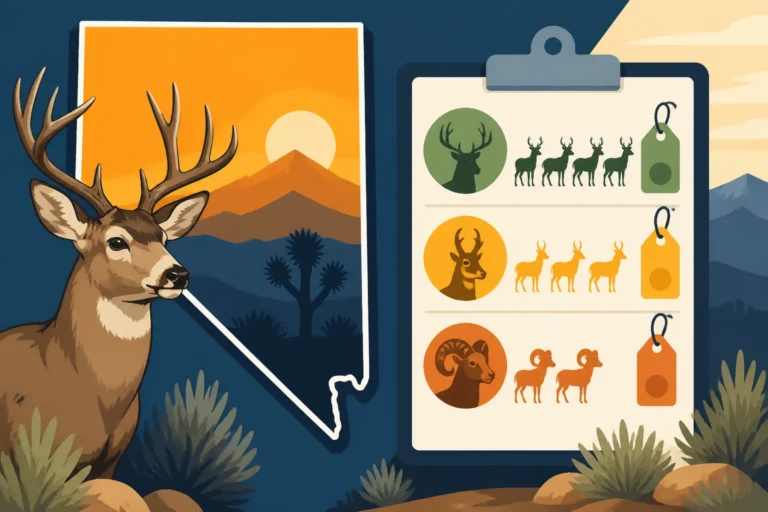
Nevada's black bear season typically runs for several months, often starting in the fall and extending into winter, though specific dates can vary by year and zone. It's an over-the-counter tag for residents, but the key distinction from other species is that the season is quota-driven. This means that instead of a fixed end date, the season can close early if certain harvest limits are met. The intention is to manage harvest pressure effectively, preventing overharvesting and ensuring the population remains robust for future generations.
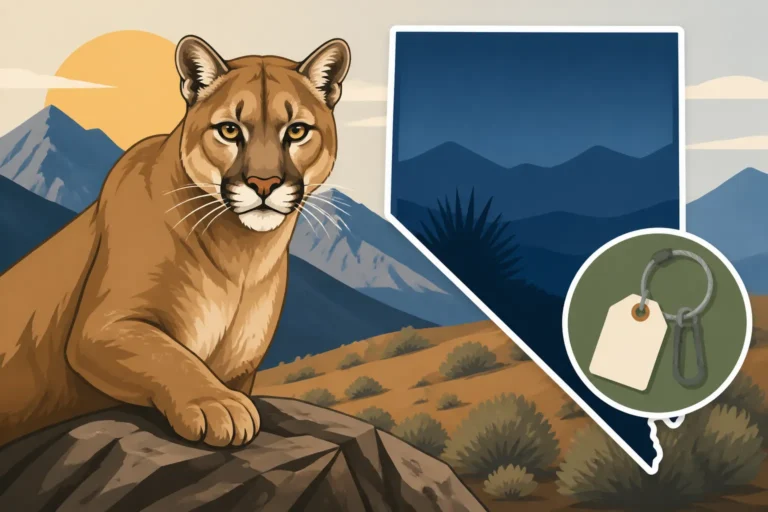
Hunters need to purchase a bear tag in advance, but holding a tag doesn't guarantee you'll get to hunt for the entire period. This makes planning a bear hunt particularly challenging. You might have your gear ready, your vacation time scheduled, and your scouting done, only to find the season has closed prematurely. This uncertainty is a core frustration for many bear hunters, making constant vigilance the name of the game.
Understanding the Primary Triggers for Closure
The unpredictability of the Nevada black bear season is directly tied to a set of specific harvest quotas. These aren't arbitrary numbers; they are scientifically determined thresholds designed to manage the population responsibly. Missing these triggers can lead to the season being cut short, sometimes with little warning.
Harvest Quotas by Zone
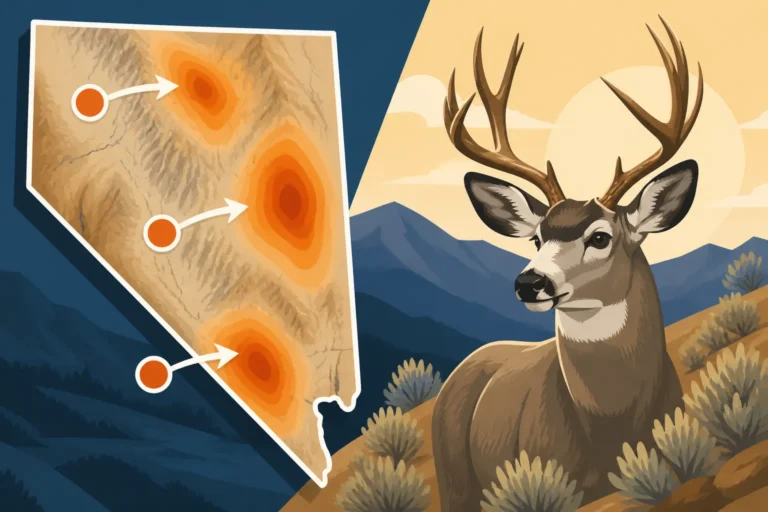
The most common trigger for a black bear season closure in Nevada is the attainment of the overall harvest quota within a specific management zone. NDOW divides the state into different bear management zones, each with its own total harvest limit. These zones are established based on bear population densities, habitat availability, and historical harvest data. For example, one zone might have a quota of 20 bears, while another, with a larger population, might have a quota of 40. Once the number of harvested bears reported by hunters reaches or is projected to reach this predetermined limit within a particular zone, that zone's season is immediately closed.
This system means that hunters often find themselves in a race against time, especially as the season progresses. The speed at which the quota is met depends heavily on hunter effort, success rates, and the density of bears in a given year. A productive year or a surge in hunting pressure can lead to a very short season. This is why staying up-to-date on the real-time harvest data is absolutely critical, as NDOW frequently updates these figures throughout the season.
Female Bear Harvest Limits
Beyond the overall quota, Nevada also implements a crucial, and often more sensitive, trigger: the female bear harvest limit. This specific quota focuses on the number of sows (female bears) harvested within a zone. Protecting a certain percentage of the female breeding population is paramount for the long-term health and stability of any bear population. If too many females are harvested, it can have a disproportionately negative impact on future reproduction and overall population growth.
Therefore, even if the overall harvest quota for a zone hasn't been met, the season will close immediately if the female bear harvest limit is reached. This is a conservative measure designed to safeguard the reproductive potential of the population. For hunters, this means not only tracking total harvest but also being mindful of bear identification in the field. Accurately identifying a bear's sex can be challenging, but it's an important part of ethical hunting and contributing to sound wildlife management. Understanding how Nevada manages its bear season involves knowing this critical detail.
Specific Unit or Zone Closures
While the primary triggers are statewide or zone-based, there can also be instances of more localized closures. These might occur if a specific area within a zone experiences unusually high harvest pressure or if there are unforeseen management concerns, such as a significant increase in human-bear conflicts in a particular unit. Although less common than the general quota closures, these localized restrictions underscore the dynamic nature of wildlife management.
In some cases, emergency closures might also be implemented if there are severe environmental conditions, such as widespread wildfires that impact bear habitat or concentrate animals in vulnerable areas. While hunters might not encounter these situations frequently, it’s a reminder that NDOW retains the flexibility to act swiftly to protect wildlife resources when necessary. For anyone planning to hunt, it's not enough to just check the initial regulations; continuous monitoring is essential.
How to Stay Informed During Bear Season
Given the dynamic nature of Nevada's bear season closures, staying constantly informed is not just good practice, it's absolutely essential to avoid disappointment and ensure you're hunting legally. Relying solely on the printed regulations won't cut it once the season is underway.
NDOW Resources and Communication
The Nevada Department of Wildlife is the official source for all season closure information. They maintain dedicated channels to communicate real-time harvest data and any closure announcements. The most important tool is typically their website, where they often have a "bear harvest tracker" that is updated regularly. This tracker will show the number of bears harvested, broken down by zone, and crucially, the number of female bears taken. This is where you'll see the numbers ticking up towards those critical quotas.
Beyond the website, NDOW often uses email lists, social media channels, and press releases to disseminate urgent information. It's highly advisable for any bear hunter to sign up for NDOW's email alerts specifically related to big game or bear hunting. Many hunters also call regional NDOW offices for the most current information, especially if they are in remote areas with limited internet access. Remember, it's your responsibility as a hunter to be aware of the current season status before you head afield.
Real-Time Monitoring and Planning
Effective bear hunting in Nevada requires a proactive approach to information gathering. Before you even head out for a multi-day hunt, check the latest NDOW updates. If the harvest numbers are close to a quota, you might need to reconsider a long trip or have a backup plan. Tools beyond NDOW's site can also be helpful. Many serious hunters rely on platforms like GoHunt for their comprehensive mapping features and data insights, and while GoHunt doesn't dictate closures, it can help in assessing potential hunting pressure or identifying areas where reports might indicate higher bear activity, indirectly giving you a feel for how fast quotas might be met.
Furthermore, consider where you're hunting. If you're in a remote area, cell service might be nonexistent. A satellite messenger device could be invaluable for getting critical updates from home or for checking NDOW's website via a connected device. Imagine driving hours into the backcountry, setting up camp, and realizing the season closed the day before. This scenario is a real possibility and one that active monitoring can help prevent. E-scouting a Nevada unit before the season is a great start, but it doesn't replace real-time situational awareness during the season itself.
Implications of a Season Closure for Hunters
When a bear season closes, especially unexpectedly, it can have significant implications for hunters who have invested time, money, and effort into their pursuit. It's more than just a missed opportunity; it can affect future planning and ethical considerations.
Financial and Planning Considerations
For many, a big game hunt is a significant investment. You might have taken time off work, traveled long distances, booked lodging, or even hired a guide. If the season closes prematurely, those plans can be completely derailed. Guides, while often flexible, operate on their own schedules and might not be able to accommodate shifts. Travel costs, permits, and other expenses are generally non-refundable, especially if the closure is due to reaching a quota rather than an unforeseen natural disaster.
This financial risk is part of the calculus when pursuing quota-limited species like black bear. It reinforces the importance of knowing where the current Nevada regulations are posted and checking them diligently. Some hunters even build flexibility into their plans, perhaps having a secondary species they can pursue if the bear season closes, or planning shorter, more frequent trips to monitor the quota rather than one long excursion. It’s a game of risk management, and understanding the triggers allows you to make more informed decisions about your investment.
Ethical Hunting in an Evolving Season
Beyond the practicalities, there are ethical considerations. If a season closes, it is absolutely paramount to cease hunting immediately. Continuing to hunt after a closure is illegal and undermines the very conservation efforts designed to protect the species. Ethical hunters understand that the rules are there for a reason, and respecting them is part of the heritage of hunting.
Furthermore, for those who successfully harvest a bear just before a closure, immediate and proper tagging and reporting are crucial. Delaying reporting can skew the harvest data and potentially lead to confusion about when a quota was truly met. This highlights the importance of timely action and adherence to all post-harvest requirements. Even if a season has been unpredictable, maintaining the highest ethical standards ensures the integrity of the hunt and respects the wildlife resource.
Navigating Nevada Bear Season Closures
Understanding the triggers for a Nevada black bear season closure is critical for any aspiring bear hunter. It’s a dynamic system built on population management, where overall harvest quotas and, especially, female bear harvest limits dictate how long a season will remain open. Staying informed through NDOW’s official channels is not just recommended, it’s a non-negotiable part of responsible hunting. Be ready to adapt, monitor frequently, and always prioritize ethical conduct to ensure a safe, legal, and ultimately rewarding experience in Nevada's bear country.
| Closure Trigger | Description | Impact on Hunters |
|---|---|---|
| Overall Zone Quota | Total number of bears harvested in a specific zone reaches a predetermined limit. | Season for that zone closes, regardless of individual hunter's remaining tag. |
| Female Bear Quota | Number of female bears (sows) harvested in a zone reaches a specific threshold. | Season for that zone closes, even if overall quota hasn't been met, to protect breeding population. |
| Specific Unit Closure | Unforeseen high pressure or management concern in a smaller area. | Hunting prohibited in that localized unit, though surrounding zone may remain open. |
| Emergency Closure | Severe environmental conditions (e.g., wildfires) or other unforeseen events. | Immediate closure across affected areas, often with little warning. |
Disclaimer
This article is for general informational purposes only and does not constitute professional advice. Laws, prices and regulations vary by location and change over time. Consult a qualified professional for guidance on your specific situation.