Nevada Duck Bag Limits by Species
Navigating the world of waterfowl hunting can feel a bit like trying to solve a complex puzzle, especially when you start diving into the specific regulations for different duck species. It's not always as simple as a single "duck limit" across the board, and many hunters, myself included, have felt that twinge of anxiety wondering if they're interpreting the rules correctly. This guide aims to clear up the confusion around Nevada's duck bag limits, helping you understand the nuances and ensuring your waterfowl season is both successful and fully compliant with the law.
Understanding Nevada's Waterfowl Zones and Seasons
One of the biggest initial hurdles for any duck hunter in Nevada, whether you're a seasoned local or someone new to the silver state, is realizing that the entire state doesn't operate under a single, unified set of dates and rules for waterfowl. It can be a real headache if you don't grasp this foundational concept right from the start.
Why Zones Matter for Duck Hunters
Nevada is a massive state, and its diverse geography means that duck migration patterns and habitat conditions can vary significantly from one region to another. To account for this, the state often divides into different waterfowl zones. This isn't just a bureaucratic formality; these zones reflect different ecological areas, historical migration routes, and even local hunter density, all of which influence how seasons are structured. For instance, the timing of the fall migration can hit northern marshes much earlier than the southern desert oases. What this means for you, the hunter, is that the opening and closing dates for duck season, and sometimes even the specific hunting hours, can be entirely different depending on whether you're chasing pintails in the Lahontan Valley or mallards up near the Idaho border. Failing to understand which zone you're actively hunting in can lead to honest mistakes that no one wants to make. It really emphasizes the need for thorough scouting and pre-hunt research, maybe even using digital mapping tools that often delineate these zone boundaries.
General Season Framework for Ducks
Even within a particular zone, the duck season isn't always a continuous stretch from opener to closer. Typically, Nevada's duck seasons are structured with a split season in mind. This means you might see an initial opening period, followed by a short closure, and then a reopening for a longer, later segment. The idea behind this split is often to maximize hunting opportunities for different waves of migrating birds. Early season might catch local birds and the first push of northern ducks, while the later segment is designed to align with the peak migration and the arrival of hardier species as winter sets in.
It's important to remember that these season dates are not set in stone year after year. They are determined annually based on federal frameworks provided by the U.S. Fish and Wildlife Service, combined with Nevada's own biological surveys and population assessments. Factors like breeding success on the northern nesting grounds, drought conditions impacting local habitat Nevada Duck Numbers on the Lahontan Marshes, and overall migratory bird health all play a role. Because of these yearly adjustments, relying on last year's calendar is a recipe for trouble. Always make it a priority to consult the most current regulations for the season you intend to hunt.
Deciphering Daily and Possession Limits for Nevada Ducks
Once you've figured out your zone and the season dates, the next big piece of the puzzle is understanding how many ducks you can actually take. This is where many hunters, especially those new to waterfowl, can get tripped up, because it's rarely just one simple number.
The General Duck Bag Limit
At the core of Nevada's duck regulations is the "general duck bag limit." This is the overarching daily limit that applies to most duck species combined. For example, the regulation might state a daily bag limit of seven ducks. This doesn't mean you can take seven of any single species; rather, it means the total number of ducks in your bag cannot exceed seven. Within that combined total, you have the flexibility to mix and match various duck species, such as a few gadwall, a wigeon, and some shovelers. This combined limit is the first number you need to keep in mind, as it's your absolute ceiling for the day.
Alongside the daily limit, you'll also encounter a "possession limit." This limit dictates the maximum number of ducks you can have in your possession at any given time, whether they're in your cooler, in your vehicle, back at camp, or stored at home. Possession limits are typically a multiple of the daily bag limit (often three times the daily limit), and they're designed to regulate how many birds a hunter can accumulate over multiple days of hunting. So, if your daily limit is seven, your possession limit might be 21. This distinction is critical, especially for hunters planning multi-day trips or those who process and freeze their birds immediately after a hunt. Always ensure you're not exceeding either limit.
Species-Specific Restrictions: The "Gotchas"
Here's where things get a bit more intricate, and where many new duck hunters encounter their "aha!" moment (or sometimes, a "oh no!" moment). While there's a general duck bag limit, several specific duck species often have lower individual daily bag limits within that overall total. These are the "gotchas" that require careful species identification and disciplined hunting.
Common examples of species with these specific restrictions include:
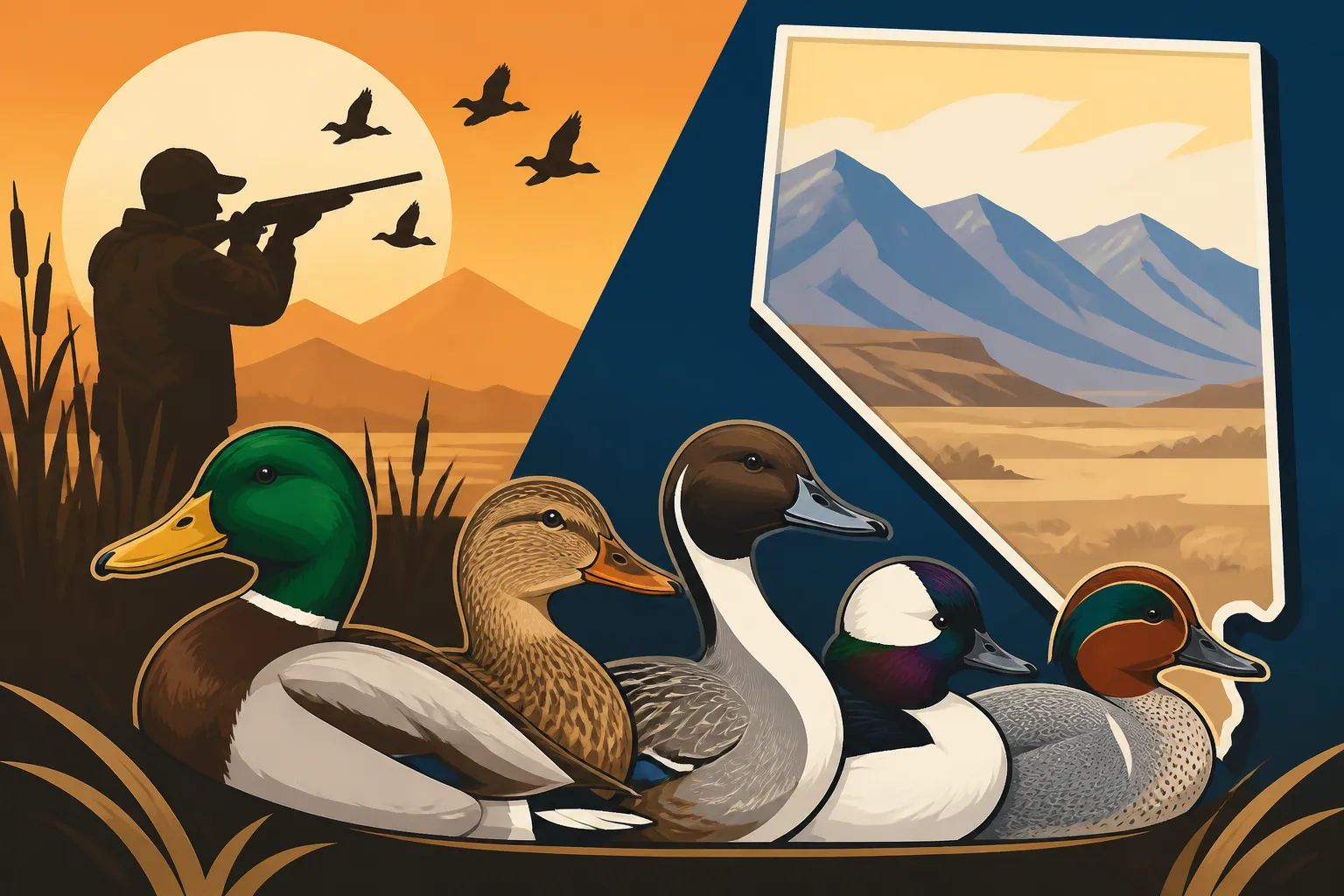
- Mallards: Often, the limit on mallards is more restrictive, particularly for hen mallards. You might find a limit of only two mallards total, with perhaps only one being a hen. This is due to population management efforts for this highly popular species.
- Pintails: Northern pintails frequently have a very low daily limit, sometimes just one per day, due to concerns over their breeding populations.
- Canvasbacks: These striking ducks are often limited to one per day, making them a prized bird to add to your bag.
- Redheads: Similar to canvasbacks, redheads can also have a restricted daily limit, often one or two birds.
- Scaup: Both greater and lesser scaup can have specific limits, which might even change during different segments of the season. Sometimes these are combined, other times distinct.
- Wood Ducks: These beautiful birds sometimes carry a lower limit, often one or two per day.
The key takeaway here is that these species-specific limits are not in addition to the general limit; they are subsets of it. For example, if the general daily duck limit is seven, but the limit for pintails is one, you can only have one pintail as part of your total seven ducks. You can't take seven ducks plus one pintail. This means you must be able to accurately identify ducks on the wing or immediately after they hit the water, before you retrieve them. This is where tools like GoHunt's mapping applications or in-field species guides can be incredibly helpful for refreshing your knowledge before and during the hunt. These specific limits are in place for very good biological reasons, often reflecting the current health and population trends of those particular species, making adherence paramount for conservation. Waterfowl on Nevada's Desert Marshes offers some insight into specific species in certain areas.
Let's look at a hypothetical example of how this might play out:
| Species Category | General Daily Limit | Specific Daily Limit (within General) | Possession Limit (General) | Notes |
|---|---|---|---|---|
| All Ducks (Total) | 7 | N/A | 21 | This is your maximum total duck bag for the day. |
| Mallards | (part of 7) | 2 (only 1 hen) | (part of 21) | You can only have 2 mallards, and only one can be a hen, as part of your 7 total ducks. |
| Pintail | (part of 7) | 1 | (part of 21) | You can only have 1 pintail as part of your 7 total ducks. |
| Canvasback | (part of 7) | 1 | (part of 21) | You can only have 1 canvasback as part of your 7 total ducks. |
| Redhead | (part of 7) | 2 | (part of 21) | You can only have 2 redheads as part of your 7 total ducks. |
| Scaup | (part of 7) | 3 | (part of 21) | You can only have 3 scaup as part of your 7 total ducks. |
Note: These numbers are illustrative. Always check the current Nevada migratory bird regulations for precise, up-to-date limits.
Practical Tips for Staying Legal and Prepared
Understanding the regulations is one thing; putting that knowledge into practice in the field is another. The excitement of the hunt, variable light conditions, and the speed of flying birds can all make compliance a challenge. But with a few practical tips, you can ensure you're always on the right side of the law.
The Indispensable Role of Current Regulations
Let me say this as plainly as possible: no online article, blog post, or casual conversation replaces the official state hunting regulations. Period. These documents, published by the Nevada Department of Wildlife (NDOW), are the definitive source for all rules, dates, and bag limits. They are meticulously crafted, often in conjunction with federal guidelines, and represent the law.
My strongest advice is to always download, print, or bookmark the most current migratory bird regulations for Nevada before every waterfowl season. They typically update annually, so last year's printout, while a good reference, isn't enough. These documents often include detailed maps of zones, tables of specific dates, and clear breakdowns of all limits. Take the time to read them thoroughly, perhaps even highlighting the sections relevant to the species and areas you plan to hunt. Knowing where to find the official information and referencing it diligently is the single most important step in avoiding accidental violations. Where Nevada Publishes Harvest Data will also lead you to general regulations.
Species Identification is Key
This might seem obvious, but accurate field identification of duck species is absolutely paramount. You can know all the bag limits in the world, but if you can't tell a pintail from a mallard hen in low light as it barrels towards your decoy spread, you're in for potential trouble. This is often the hardest part of waterfowl hunting, even for experienced hunters.
Challenges arise from:
- Distance and Speed: Ducks often fly fast and appear small at a distance.
- Lighting Conditions: Dawn and dusk, when ducks are most active, often present poor visibility.
- Similar Species: Many duck species look very similar, especially hens, which can be drabber in color than drakes.
To improve your ID skills, consider:
- Field Guides: Invest in a good waterproof waterfowl identification guide.
- Online Resources: Many websites and YouTube channels offer excellent tutorials on duck identification, focusing on flight patterns, silhouettes, and calls.
- Mentorship: Hunt with experienced waterfowlers who can teach you the subtle differences between species.
- Apps and Digital Tools: Some hunting apps, including those from companies like GoHunt, might offer features for species identification, allowing you to quickly look up characteristics while in the field or during pre-hunt study. You can also use general mapping apps like onX to delineate different zones. Using onX Layers for Nevada Public Land could assist with this.
- Practice: Spend time simply observing ducks at local ponds or refuges (outside of hunting season) to learn their characteristics without the pressure of having to make a shooting decision.
Remember, if you're ever in doubt about a species, it's always better to hold your shot. There will be other ducks.
Planning Your Hunt Around Limits
Don't wait until you've shot a bird to decide if you're over the limit. A smart strategy is to go into each hunt with a mental (or even written) game plan regarding your desired take. If you know you want to try for a prized canvasback (limit one), then once you've successfully harvested it, you can shift your focus to more abundant species.
Consider these tactical approaches:
- Early Success: If you quickly hit your limit on a restricted species, adjust your shooting strategy immediately. Focus on the more common ducks with higher limits.
- "Calling the Shot": When hunting with partners, communicate clearly. "I need one more mallard hen," or "I'm good on pintails, only shooting gadwall now."
- Evidence of Sex/One Wing Attached: Nevada regulations, like many states, often require that you keep either the head, one feathered wing, or a certain portion of the skin attached to migratory birds during transport. This is especially true for species where distinguishing between sexes (like a hen mallard) or certain types of ducks (like diving vs. dabbling) is important for enforcing limits. This requirement helps game wardens verify compliance after the bird has been retrieved and prevent "high grading" or illegal possession. Always check the exact requirements in the current regulations to ensure your birds are legally identifiable during transport. Evidence of Sex Requirements on a Carcass goes into this for big game, but the principle applies to birds as well.
- Review Legal Shooting Hours: Ensure you're only shooting during designated times. Legal Shooting Hours and Blaze Orange in Nevada covers this for big game, but specific migratory bird hours apply to waterfowl.
Duck hunting in Nevada offers incredible opportunities, from the expansive wetlands to remote potholes. By thoroughly understanding the zone structure, the general and species-specific bag limits, and maintaining a commitment to accurate identification, you can enjoy a rewarding and compliant season on the water.
Disclaimer
This article is for general informational purposes only and does not constitute professional advice. Laws, prices and regulations vary by location and change over time. Consult a qualified professional for guidance on your specific situation.