How Drought Affects Great Basin Deer
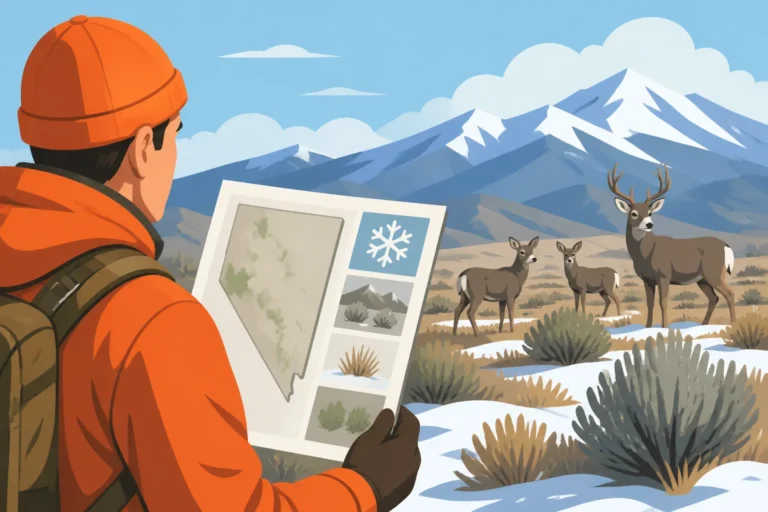
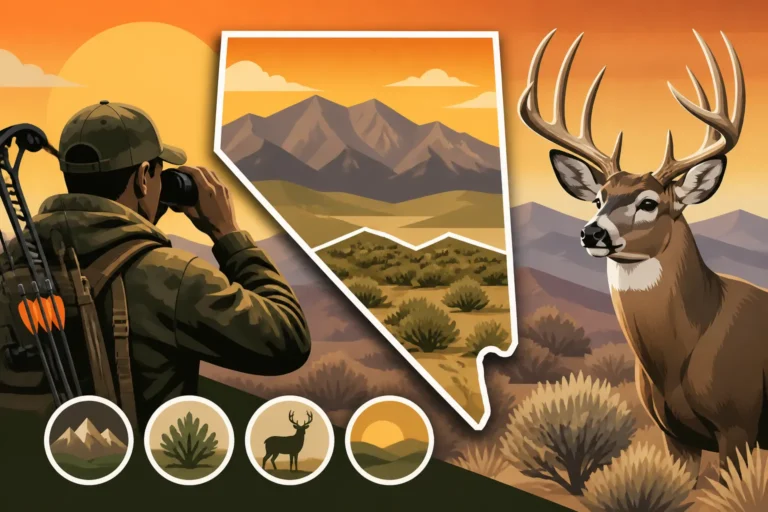
For anyone who’s spent time hunting the high deserts and mountain ranges of Nevada, you know how quickly conditions can change. One year, you might be driving past fields of green, lush sagebrush and finding water in every draw, only to return the next season to a parched, brown landscape. That stark contrast often leads to a pressing question for hunters: what exactly does prolonged drought do to our cherished mule deer herds in the Great Basin? It's a question that keeps many of us up at night, because the answer directly impacts our hunting prospects and, more importantly, the health of the animals we pursue. This guide aims to shed light on the profound and often devastating effects that drought has on mule deer, from their physical well-being to their long-term survival rates, and what it means for those of us who hunt them.
Understanding Drought in the Great Basin
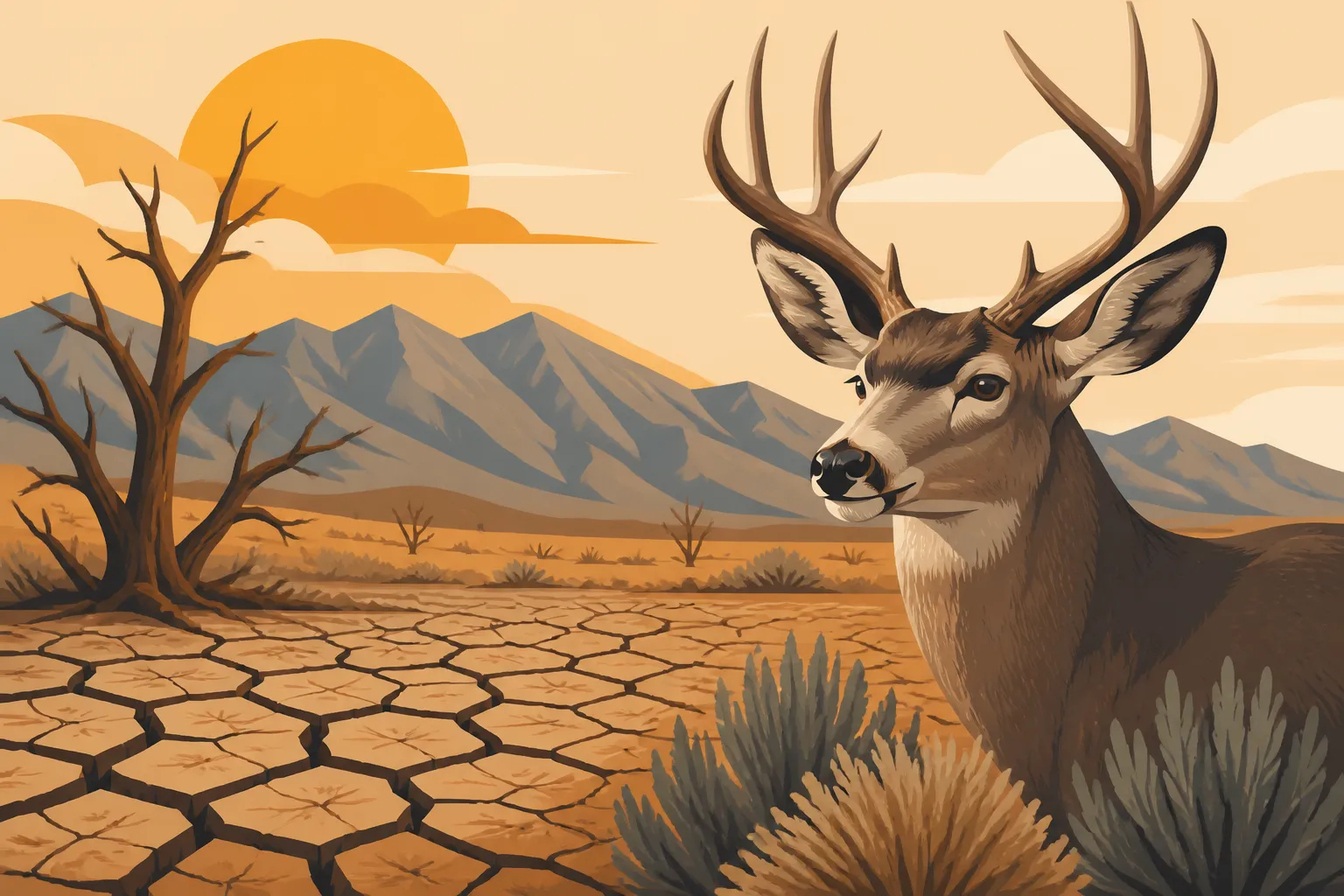
The Great Basin is an incredible, yet incredibly harsh, environment. It's a vast expanse defined by parallel mountain ranges and dry valleys, and it relies heavily on precipitation – or the lack thereof. When the rains don't come, or the snowpack is thin, it sets off a chain reaction that directly impacts every living thing, especially our mule deer.
The Basics of Arid Climate and Deer Survival
Nevada's climate is inherently arid, meaning it gets very little rainfall to begin with. Most of our moisture comes from winter snows in the higher elevations and sporadic, often intense, summer monsoons. Mule deer, while adapted to these conditions, still depend on consistent moisture. Their survival isn't just about finding a puddle to drink from; it's fundamentally tied to the quality and availability of the vegetation they eat. If the plants don't grow, the deer don't thrive. It’s a simple, brutal equation.
During drought, the crucial winter snowpack might be dramatically reduced. This means less runoff into springs and creeks come spring and summer, and less moisture seeping into the soil to nourish forage. A warm, dry winter can be just as detrimental as a hot summer. What feels like a mild winter to us often means less water stored in the mountains for the peak growing season, leading to a much faster dry-down of the landscape. For deer, especially pregnant does and fawns, this lack of early green-up can be a death sentence, impacting their ability to recover from the winter stress and prepare for the rigors of the coming year. This environmental stress cascades into the overall Mule Deer Population Trends Across the Great Basin.
How Precipitation Drives Forage Production
Think of precipitation as the engine of the Great Basin ecosystem. When we get good, consistent moisture, especially during the late winter and spring, native grasses, forbs, and browse plants like bitterbrush and sagebrush explode with tender, nutritious growth. This fresh, protein-rich forage is absolutely vital for mule deer, particularly for does recovering from gestation and nursing their fawns. It’s during this time that deer can put on critical fat reserves needed to get through the next lean season.
However, when drought conditions prevail, this vital growth simply doesn't happen. The plants that do emerge are often stunted, less palatable, and significantly lower in nutritional value. Imagine trying to fuel your body on dried, cardboard-like vegetation – that's essentially what deer are forced to do. This poor forage quality not only impacts immediate energy levels but also affects their ability to digest food efficiently and extract what little nutrients are available. Over time, this nutritional deficit weakens their immune systems, makes them more susceptible to disease, and leaves them vulnerable when winter finally arrives. Understanding this dynamic is a critical part of Reading a Nevada Hunt Unit Before You Apply, as forage quality dictates where deer will concentrate.
Direct Impacts of Drought on Deer
The effects of drought on mule deer aren't just theoretical; they manifest in very real and often heartbreaking ways, touching everything from the smallest fawn to the largest buck.
Effects on Fawn Recruitment and Survival
One of the most immediate and visible impacts of drought is on fawn recruitment. Fawns, born in late spring or early summer, are incredibly vulnerable, and their survival is intrinsically linked to the health and milk production of their mothers. During drought, does often enter the fawning season in poor body condition due to inadequate forage throughout the previous year. This results in weaker fawns at birth and, critically, significantly reduced milk production. A doe that is nutritionally stressed simply cannot produce enough milk to support her fawn.
These malnourished fawns struggle to gain weight, develop strong immune systems, and grow at a healthy rate. They are less able to escape predators, less resilient to harsh weather, and more prone to disease. We've seen years where fawn survival plummets to alarmingly low levels during severe drought, creating a "missing age class" in the deer population that can take years, even decades, to recover from. This is why wildlife biologists pay so much attention to Why Fawn Ratios Predict Next Season. It's a key indicator of future herd health, and drought hits these ratios hard.
Body Condition and Vulnerability to Disease/Predators
Beyond fawns, drought significantly degrades the overall body condition of all deer, from young bucks to mature does. With limited access to nutritious forage and water, deer struggle to maintain their fat reserves. They become skinnier, their coats look dull, and their overall vigor diminishes. This isn't just an aesthetic concern; it has profound implications for their survival.
Deer in poor body condition are essentially walking targets for disease and predators. Their immune systems are compromised, making them highly susceptible to illnesses that a healthy deer might easily shrug off. They become slower, weaker, and less able to run from coyotes, mountain lions, or even domestic dogs. Drought concentrates deer around scarce water sources, which can ironically increase disease transmission rates and make them easier for predators to locate. It’s a vicious cycle where environmental stress makes them more vulnerable, and that vulnerability further reduces their chances of survival. Knowing how to locate critical Water Development Projects Built for Wildlife becomes even more crucial in these trying times.
| Impact Category | Specific Effects of Drought | Severity (Low to High) |
|---|---|---|
| Forage Quality | Reduced protein, increased fiber, stunted growth, lower palatability | High |
| Water Access | Drying springs, lower stream flow, diminished guzzler reserves, increased travel for water | High |
| Fawn Survival | Lower birth weight, reduced milk production from does, increased vulnerability to predators | Very High |
| Adult Health | Decreased fat reserves, compromised immune system, higher susceptibility to disease | High |
| Predation Risk | Weaker deer, concentration near water sources, easier targets for predators | Medium-High |
| Migration | Altered patterns to seek water/food, increased stress from long travel, conflict with humans | Medium |
| Hunting Success | Fewer deer, smaller bucks, altered patterns making deer harder to find or pattern | Medium-High |
Indirect and Long-Term Consequences
The immediate effects of drought are stark, but its repercussions stretch far beyond a single season, shaping the landscape and deer herds for years to come.
Habitat Degradation and Forage Quality
When drought grips the Great Basin for multiple years, the consequences for the habitat are severe. Native perennial grasses and forbs, the backbone of a deer's diet, become stressed and may even die off. This leaves more space for invasive annuals like cheatgrass, which, while providing a brief flush of green in some years, offers minimal nutritional value and fuels destructive wildfires in dry seasons. Imagine prime bitterbrush stands, once full of tender leaves, becoming brittle and sparse. This habitat degradation means that even when conditions improve, the land may take years to recover its carrying capacity.
This long-term decline in forage quality and quantity directly affects the deer's ability to recover and thrive. Bucks might struggle to grow impressive antlers because their energy is constantly diverted to mere survival rather than antler development. Does might fail to cycle or have fewer fawns. Even if water sources are augmented by dedicated efforts like those that install and maintain guzzlers, as described in How Guzzlers Concentrate Desert Game, the fundamental problem of insufficient, low-quality forage persists. It’s a systemic issue that alters the very foundation of the deer's ecosystem.
Migration Patterns and Water Dependency
Drought can also force significant shifts in traditional deer migration and movement patterns. Deer are incredibly adaptable, but their movements are dictated by food and water. When customary water sources dry up and widespread forage becomes scarce, deer will often abandon their usual ranges in search of greener pastures or more reliable water. This can mean longer, more arduous migrations, pushing them into unfamiliar territory or closer to human settlements, increasing their stress levels and exposure to new dangers.
In some cases, deer might become almost entirely dependent on artificial water sources, like wildlife guzzlers or even agricultural run-off. While these sources are vital for survival in dry periods, this dependency can also concentrate deer, increasing localized pressure on remaining forage and raising the risk of disease transmission. Hunters, in turn, need to adjust their scouting and hunting strategies, focusing heavily on locating these critical water points. Utilizing advanced tools, like those offered by GoHunt, to analyze historical harvest data and identify areas with consistent water sources can give hunters an edge in these challenging years, helping to pinpoint where deer might be holding out. When planning a hunt, it's essential to consider Hunting Water in Nevada's Driest Country.
Strategies for Hunters in Drought Conditions
Hunting during a drought year presents unique challenges, but also reinforces the importance of ethical hunting practices and a deeper understanding of the landscape.
Scouting for Water and Remaining Green Zones
In drought-stricken areas, water becomes the ultimate magnet for all wildlife, and mule deer are no exception. For hunters, this means shifting focus from merely finding deer sign to actively locating reliable water sources. This involves extensive pre-season scouting, both physically on the ground and digitally through tools like GoHunt's mapping layers. Look for natural springs, seeps, and, crucially, man-made guzzlers. These are often the only places holding consistent water and, consequently, deer.
Beyond water, search for any "green zones" – areas that have managed to retain some moisture, perhaps due to a unique microclimate, an underground spring, or simply a lucky, localized rain shower. These might be north-facing slopes, canyon bottoms, or areas with dense shade. Deer will travel significant distances to find these pockets of better forage, even if it's just a few acres. Spending time E-Scouting a Nevada Unit Before the Season can save you countless miles in the field, helping you pinpoint these crucial spots before you ever set foot on the ground. Be prepared for long days of glassing, as deer might be concentrated in very specific, hard-to-reach locations.
Adjusting Expectations and Ethical Considerations
Perhaps the most important strategy for hunters during drought years is to adjust expectations. You might not see the quantity of deer you've observed in wetter years, and the trophy quality might be lower as bucks prioritize survival over antler growth. It's a tough pill to swallow, especially when you've waited years for a coveted tag, but it's the reality of hunting in a dynamic ecosystem. The focus should shift from "harvesting a giant" to simply having a meaningful experience in the field and making ethical decisions.
Ethical considerations are paramount. A deer that is already stressed by drought is less resilient to wounding. Aim for clean, humane shots, and be prepared for extensive tracking if necessary. During drought, game retrieval can be more challenging due to decreased animal health and tougher terrain. It's also important to practice stringent Heat Management on an August Archery Hunt and be mindful of your own impact on these delicate environments. Carrying extra water for yourself, and even offering a bit to a struggling animal if you find one, speaks to the true conservation ethic. Recognize that hunting during these periods contributes valuable data to wildlife management, helping agencies like NDOW understand the herd's condition and adapt future strategies, often outlined in their Reading a Herd Management Plan.
Disclaimer
This article is for general informational purposes only and does not constitute professional advice. Laws, prices and regulations vary by location and change over time. Consult a qualified professional for guidance on your specific situation.