How Guzzlers Concentrate Desert Game
Hunting in the vast, often bone-dry expanses of Nevada presents a unique set of challenges, and perhaps none is more critical than understanding the role of water. Hunters often find themselves staring out at seemingly endless sagebrush, wondering where any animal could possibly survive, let alone thrive. The truth is, in this arid environment, water isn't just a necessity; it's the very heartbeat of wildlife concentration, and understanding "How Guzzlers Concentrate Desert Game" is key to unlocking success on your next Nevada adventure.
The Crucial Role of Water in Nevada's Arid Landscape
Nevada is a land of extremes. From scorching summer temperatures that can easily crest 100 degrees Fahrenheit to biting winter winds, the Great Basin environment is relentless. For hunters, this means adapting to conditions where every drop of water dictates the movement and survival of game animals. Without a deep appreciation for this fundamental truth, you're essentially looking for a needle in a haystack where the haystack itself is trying to dehydrate you.
Why Water is the Limiting Factor for Wildlife
Imagine trying to live in a place where a reliable drink is harder to come by than a winning lottery ticket. That's the daily reality for much of Nevada's wildlife. The state receives incredibly low annual precipitation, and what little moisture falls often evaporates quickly or sinks into porous soils. This scarcity means that natural water sources, like perennial streams or large lakes, are few and far between, concentrated mainly in higher elevations or along major river corridors.
For species like mule deer, bighorn sheep, and pronghorn, maintaining proper hydration is a constant struggle. They need water not just to drink, but for thermoregulation in the intense heat, for digestion, and for overall metabolic function. Without it, they simply cannot survive. This makes water the single most influential factor dictating where animals live, feed, and travel. You might find forage everywhere, but if there's no water nearby, that area will likely be devoid of game, especially during the hotter months. It's a fundamental principle that guides all hunting efforts, especially when you're Hunting Water in Nevada's Driest Country.
Natural Water Sources: Springs and Seeps
While the desert is undeniably dry, it does boast some natural pockets of moisture. Springs, where groundwater naturally surfaces, and seeps, where water slowly oozes from rock formations, are ancient lifelines for wildlife. These spots are often small, sometimes just a muddy depression or a trickle of water, but they are absolutely vital. Animals have relied on them for millennia, creating well-worn game trails that converge on these precious liquid oases.
However, natural springs and seeps can be incredibly unpredictable. Many are seasonal, drying up completely during prolonged droughts or late into the summer. Others might flow year-round but offer such a minimal quantity that only a few animals can sustain themselves there. Their distribution is also wildly uneven, dictated by geological formations and underground water tables. This inherent unreliability means that while these natural spots are critical, they often aren't enough to support large, stable game populations, particularly in remote, expansive units where development of human infrastructure is minimal. Knowing Reading Water Sources Before an August Hunt can be the difference between a productive day and a long, thirsty one.
What Exactly Are Wildlife Guzzlers?
Given the acute shortage and unreliability of natural water sources, humans have stepped in to lend a helping hand to Nevada's wildlife. This is where guzzlers come into play. These ingenious man-made structures are specifically designed to collect, store, and provide water for game animals in areas where natural sources are either absent or insufficient. They are a testament to conservation efforts, ensuring that wildlife has access to one of life's most basic necessities.
The Engineering Behind a Guzzler
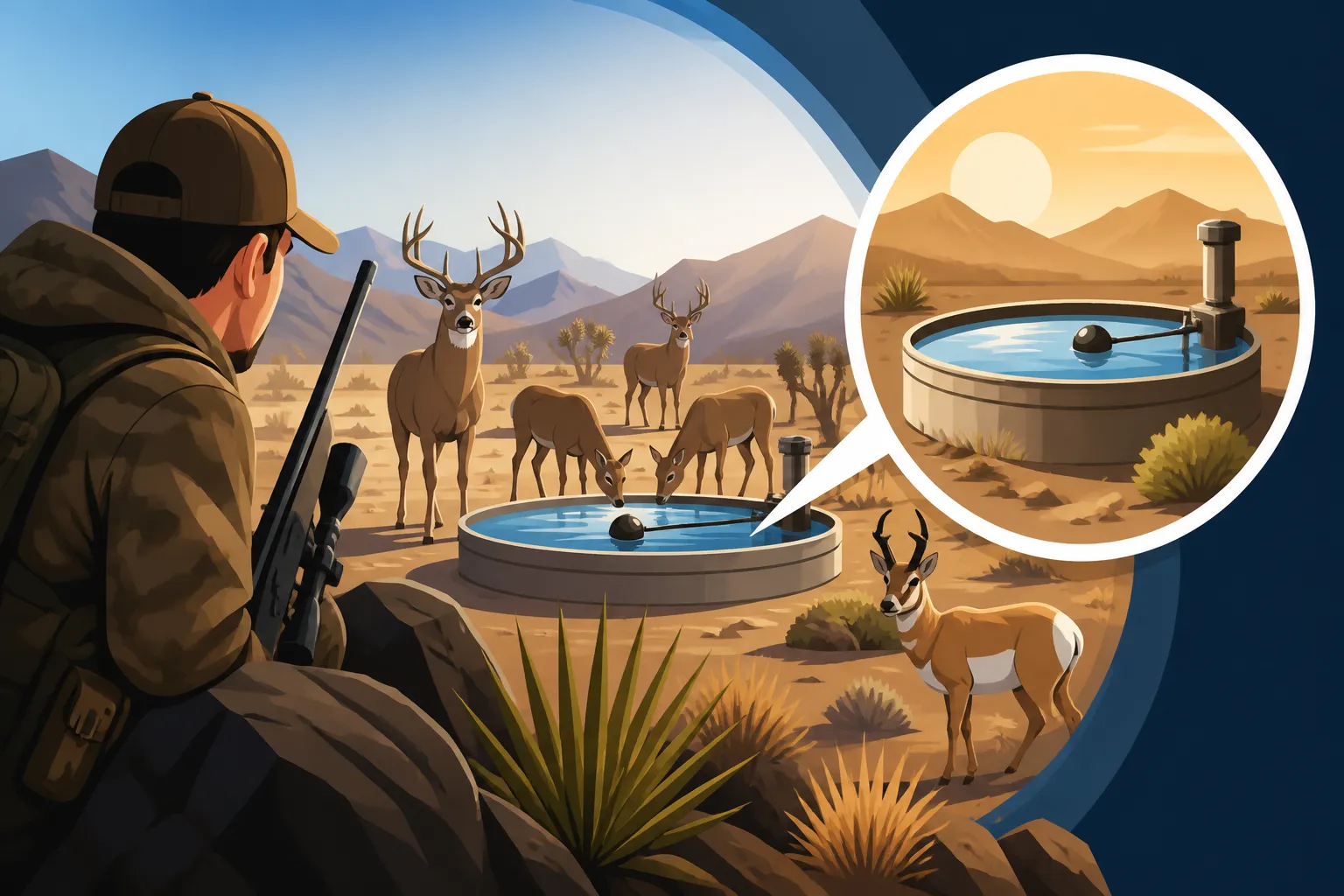
A guzzler, at its core, is a self-filling water station. While designs can vary, the basic components are remarkably consistent and effective. The main parts typically include:
- Collection Apron: This is usually a large, sloped surface made of corrugated metal, plastic sheeting, or even concrete. It's positioned to capture rainwater or snowmelt over a wide area, funneling every precious drop. These aprons can range from quite small, for quail or chukar, to massive, spanning hundreds of square feet for big game.
- Storage Tank: From the collection apron, the water flows into a large, often buried, storage tank. These tanks are designed to hold hundreds, sometimes thousands, of gallons of water, keeping it cool and protected from evaporation. Burying the tanks also prevents animals from damaging them and helps maintain a consistent water temperature, which animals prefer.
- Drinker Box (or Drinking Trough): This is the visible part of the guzzler, a shallow trough or small basin where animals can actually access the water. A float valve system, similar to what you might find in a toilet tank, keeps the drinker box continuously full by drawing water from the main storage tank. This ensures a constant, accessible supply without exposing the entire reserve.
Different guzzler types are often tailored to specific species. For instance, bighorn sheep guzzlers might be placed on steep, rocky slopes where these animals prefer to travel, with drinker boxes designed to be easily accessible by their unique anatomy. Chukar guzzlers, often much smaller, might be tucked into rocky outcroppings where these birds seek cover.
Who Builds and Maintains These Vital Water Sources
The construction and maintenance of wildlife guzzlers are monumental tasks, often carried out by a dedicated coalition of state agencies and passionate volunteers. The Nevada Department of Wildlife (NDOW) plays a crucial role in identifying areas of need, overseeing projects, and providing technical expertise. However, a huge amount of the heavy lifting, both literally and figuratively, falls to conservation organizations.
Groups like Nevada Bighorns Unlimited and the Fraternity of the Desert Bighorn are legendary for their tireless efforts. Volunteers spend countless hours hauling materials, pouring concrete, digging trenches, and repairing damage in some of the most remote and rugged terrain imaginable. It's truly a labor of love, driven by a commitment to enhancing wildlife populations. They secure funding through donations, grants, and fundraising events to cover the substantial costs of materials and equipment, which can easily run into the tens of thousands of dollars for a single large guzzler. These projects aren't just about building; they involve ongoing monitoring, cleaning, and repairs to ensure these vital water points remain functional year after year.
How Guzzlers Concentrate Desert Game
This is where the rubber meets the road for hunters. Guzzlers don't just provide water; they fundamentally alter animal behavior and distribution. Understanding this dynamic is absolutely essential for anyone looking to hunt big game in Nevada. These man-made oases become predictable hotspots, effectively concentrating game in ways that natural water sources often cannot.
A Reliable Draw in a Thirsty Land
Think of a guzzler as a permanent, reliable beacon in a sea of dryness. Animals quickly learn that these spots offer a consistent, safe drink, regardless of rainfall patterns. This reliability is paramount. Instead of having to roam vast distances searching for ephemeral puddles or drought-stricken seeps, animals can integrate guzzlers into their daily or weekly routines.
This predictable access to water dictates their travel patterns, often creating discernible game trails that lead directly to these sites. During periods of drought or intense heat, a guzzler might be the only functional water source for miles around, making it an absolute magnet. A savvy hunter, knowing this, can use this information to narrow down potential hunting grounds significantly. When you're trying to figure out How Guzzlers Concentrate Desert Game, remember that reliability is the prime factor. Animals will adjust their home ranges and movement corridors to incorporate these dependable water points, especially species that are highly water-dependent.
Species-Specific Concentration Patterns
Different species utilize guzzlers in their own unique ways, depending on their physiology, social structures, and preferred habitats.
- Bighorn Sheep: These majestic animals are perhaps the most famous beneficiaries of guzzlers. Living in steep, rugged mountain ranges, bighorns need regular access to water. Guzzlers placed high on mountain slopes can serve as critical hubs, drawing sheep down from their bedding areas. You'll often find multiple groups converging, making these areas prime for observation. Nevada Holds All Three Bighorn Subspecies, and each relies heavily on these developed water sources.
- Mule Deer: While mule deer can extract some moisture from vegetation, they still require regular drinking water, especially bucks during the rut or in hot weather. Guzzlers become crucial attraction points, pulling deer from surrounding sagebrush flats and sparse timber into areas that might otherwise be too dry to support them. You'll see their tracks and droppings converging on these sites. For many hunters, Mule Deer Are the Reason Most Hunters Apply in Nevada, and knowing their water patterns is vital.
- Pronghorn: These incredible athletes of the plains live in wide-open country where water can be incredibly scarce. While pronghorn are known for their ability to go long periods without drinking, relying on moisture from plants, a reliable guzzler will still draw them in, especially during hot summer months or if succulent vegetation is limited. Their trails to and from guzzlers can be incredibly long, sometimes miles across the flats, as Pronghorn Across Nevada's Open Valleys seek out these water points.
- Chukar: These introduced game birds are notoriously tied to water. You'll find them almost exclusively on steep, rocky slopes within striking distance of a water source. Chukar guzzlers are often smaller, tucked into the terrain, and become absolute focal points for coveys, making them critical for hunters targeting these challenging birds.
Ethical Hunting and Scouting Around Guzzlers
While guzzlers concentrate game, it's absolutely crucial to understand the ethical and legal implications for hunters. In Nevada, hunting directly over a guzzler or any developed water source is considered baiting and is illegal. This is a critical distinction and a rule every hunter must respect. The intent of guzzlers is wildlife conservation, not to create easy ambush points.
However, this doesn't mean guzzlers aren't incredibly valuable scouting tools. Knowing where guzzlers are located allows you to:
- Identify travel corridors: Animals will move to and from these water sources. By understanding these routes, you can set up on adjacent ridges, draws, or pinch points well away from the guzzler itself, intercepting animals as they go about their daily routines.
- Determine game presence: Fresh tracks, droppings, and rubbed vegetation around a guzzler are clear indicators that game is in the area. This helps you confirm your e-scouting observations and refine your plans for E-Scouting a Nevada Unit Before the Season.
- Understand seasonal use: Observing a guzzler can tell you if it's being heavily used, lightly used, or perhaps not at all, which can shift depending on natural rainfall.
When scouting a guzzler, be mindful of your presence. Approach quietly, observe from a distance, and minimize disturbance. The goal is to gather information without altering the animals' natural behavior. Always refer to current NDOW regulations regarding Baiting Rules That Apply in Nevada to ensure you are hunting legally and ethically.
Maximizing Your Chances: Locating and Interpreting Guzzler Activity
For serious Nevada hunters, understanding guzzlers isn't just academic; it's a practical skill that can profoundly impact hunting success. Integrating guzzler knowledge into your scouting and hunting strategy is a game-changer.
Using Digital Tools and Maps for Guzzler Location
The first step in leveraging guzzlers is knowing where they are. Thankfully, in the modern age, this is much easier than it used to be.
- NDOW Resources: The Nevada Department of Wildlife often provides maps or data layers showing the locations of developed water sources on their website. These are invaluable resources.
- Mapping Applications: Apps like GoHunt are indispensable for E-scouting. They often include layers that pinpoint guzzler locations, allowing you to identify these critical points from the comfort of your home. You can overlay these with land ownership maps, topographical data, and satellite imagery to understand the surrounding terrain, potential access points, and likely game travel routes. Knowing How to Locate a Guzzler From Home is a powerful planning tool.
- USGS Topo Maps: Even without dedicated guzzler layers, traditional topographical maps can hint at water sources. Look for blue lines indicating perennial streams, springs, or even small bodies of water, which might be natural water sources or simply close to developed ones. When you're Reading a Nevada Hunt Unit Before You Apply, pay close attention to water features.
Once you've identified potential guzzlers, you can start to develop a plan. Are they in areas accessible by vehicle? Do they require a long hike? Are they in a likely travel corridor between bedding and feeding areas? These are all questions that can be answered through thoughtful digital scouting.
On-the-Ground Reconnaissance Near Water Sources
While digital scouting is powerful, nothing beats putting boots on the ground. Visiting guzzlers before your hunt, well out of season, allows you to gather real-time intelligence.
- Look for Tracks and Sign: The area immediately around a guzzler will tell you a story. Fresh tracks in the mud or dust indicate recent animal activity. Note the species and the direction of travel. Look for scat, rub lines on nearby bushes, or even shed antlers. These tell-tale signs confirm what species are frequenting the guzzler and how often.
- Observe Game Trails: Pay attention to how game trails converge on the guzzler. Where do they come from? Where do they lead? These trails often follow the path of least resistance through the terrain, leading animals to and from feeding or bedding areas. This information is gold for planning your approach and ambush points (always legally and ethically, far from the guzzler itself).
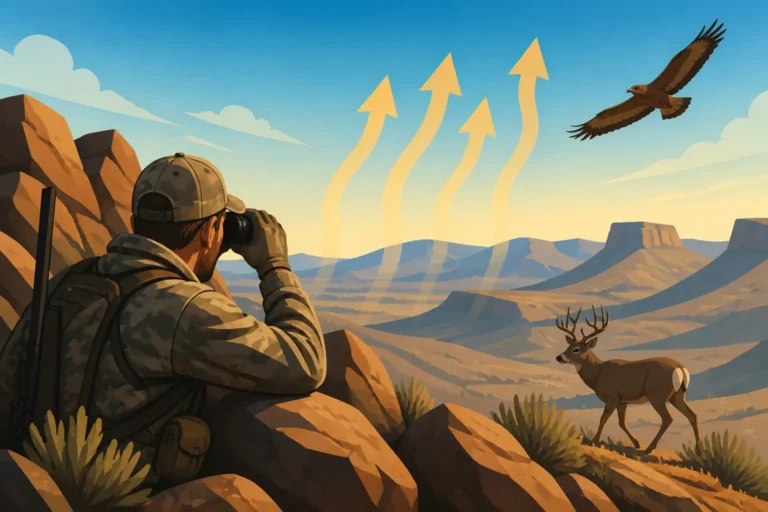
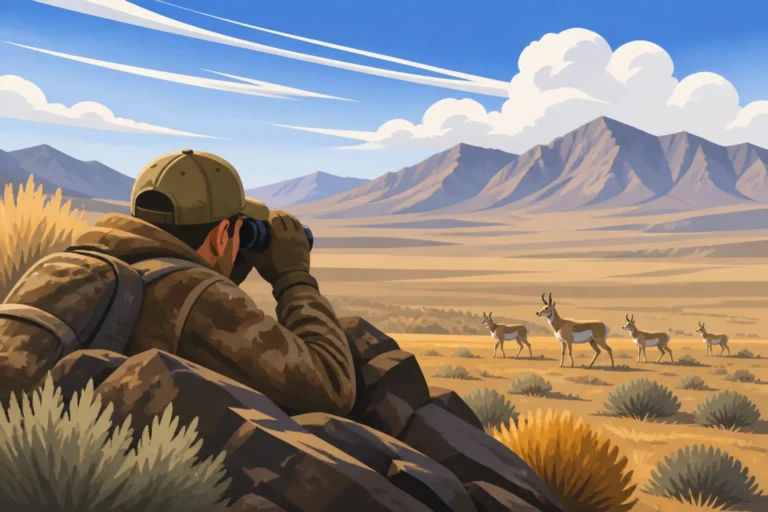
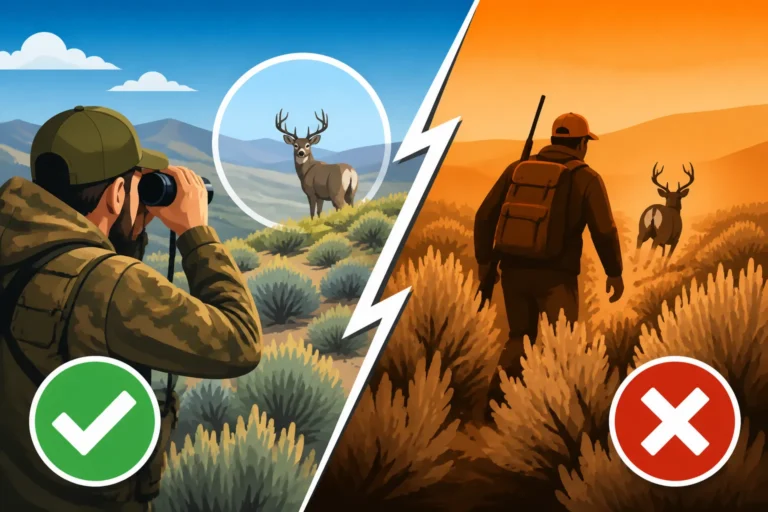
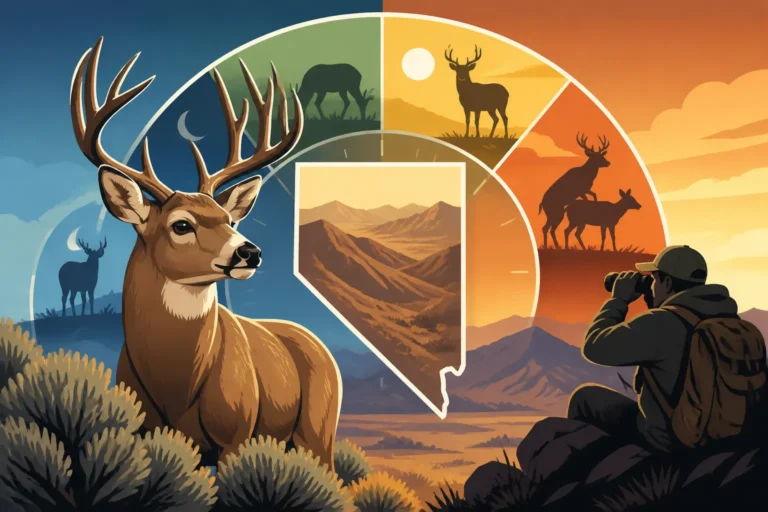
- Glass from a Distance: When scouting, try to glass the guzzler area from a distant vantage point, particularly during dawn and dusk. This allows you to observe animal activity without disturbing them. Patience is key here; sit and watch for extended periods. This is where Why Nevada Deer Hunting Is a Glassing Game truly shines. Use your optics to pick apart the surrounding terrain, identifying potential bedding areas or natural funnels that lead to the water. Knowing the Best Time of Day to Glass a Basin is crucial for effective scouting.
By combining digital information with diligent on-the-ground reconnaissance, you can build a comprehensive understanding of how game animals are using guzzlers in your chosen unit. This knowledge drastically increases your odds of encountering game by helping you pinpoint their movements and daily rhythms. Utilizing techniques like Glassing Grids Across a Nevada Basin can help you systematically cover the ground leading to and from these vital water sources.
Here's a quick comparison of natural springs vs. developed guzzlers:
| Feature | Natural Springs/Seeps | Developed Guzzlers |
|---|---|---|
| Reliability | Often seasonal, can dry up during drought | Generally year-round, built for consistency |
| Distribution | Uneven, dictated by geology | Strategic placement in arid, game-rich areas |
| Maintenance | None, prone to siltation or damage | Requires active maintenance by NDOW/volunteers |
| Visibility | Can be hidden, subtle | Often more noticeable, designed for animal access |
| Game Use | Historical, traditional water points | New, consistent magnet for various species |
| Hunting Rules | Legal to hunt near, but ethical distance advised | Illegal to hunt over or at the guzzler itself |
Disclaimer
The information provided in this guide is for general informational purposes only. Hunting regulations, seasons, and ethical guidelines are subject to change. Always consult the most current Nevada Department of Wildlife (NDOW) regulations and local ordinances before engaging in any hunting activities. It is your responsibility to know and abide by all applicable laws and regulations.