BLM Acreage Across Nevada
For any hunter eyeing Nevada, the sheer amount of public land can feel both like an incredible opportunity and a daunting maze. Trying to figure out where you can legally hunt, how to access it, and what regulations apply across millions of acres can be incredibly frustrating. This guide is here to untangle the complexities of hunting on Bureau of Land Management (BLM) acreage in Nevada, offering practical advice to help you confidently navigate these vast landscapes.
What is BLM Land and Why It Matters in Nevada
Nevada is a land of extremes, from towering mountain ranges to expansive desert valleys, and a huge chunk of it falls under federal management. For hunters, understanding the different types of public land is absolutely crucial, and nowhere is this more true than with BLM land. It's not just "public land"; it's a specific kind of public land with its own character and rules that directly impact how you plan and execute your hunt.
The Federal Landscape of Nevada
It's no secret that Nevada is the most federally owned state in the lower 48, with an astonishing percentage of its land managed by various federal agencies. This includes National Forests, National Parks, National Wildlife Refuges, and, perhaps most importantly for hunters, vast stretches administered by the Bureau of Land Management. These lands aren't just empty spaces; they're vital habitats for mule deer, elk, antelope, bighorn sheep, and an incredible array of upland birds. Knowing which agency manages a specific piece of ground dictates everything from what activities are permitted to what kind of infrastructure (or lack thereof) you'll encounter.
The federal government’s presence means that much of Nevada's prime hunting ground is accessible to you, the public, provided you understand the specific nuances of each land designation. This can sometimes feel overwhelming, especially when boundaries seem to shift or overlap on a map. However, with a little preparation, you can unlock incredible hunting opportunities.
Why BLM Dominates the Hunting Scene
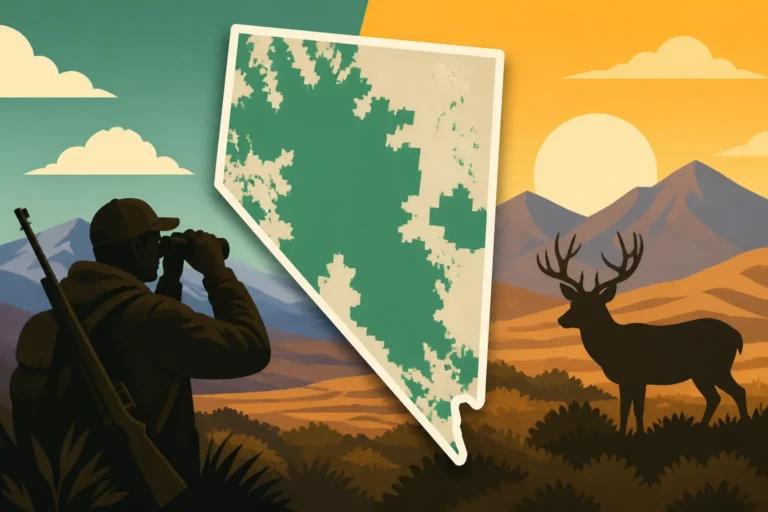
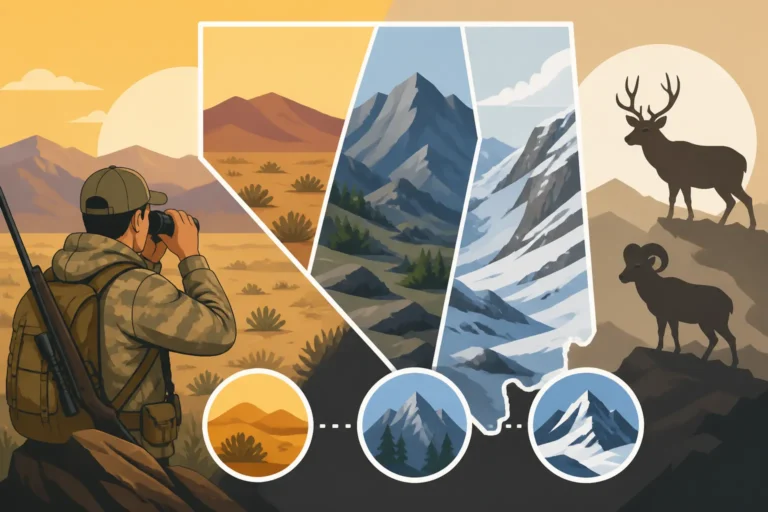
When people talk about hunting public land in Nevada, more often than not, they're talking about BLM ground. The sheer BLM Acreage Across Nevada means that it forms the backbone of hunting opportunities throughout the state. Unlike National Forests, which tend to be concentrated in higher, timbered elevations, BLM lands encompass a broader spectrum of ecosystems, from the low-lying sagebrush flats and rolling foothills to more rugged, isolated mountain ranges. This diversity means that whether you're chasing antelope in the open valleys, glassing for mule deer on sage-covered slopes, or even pursuing chukar on steep volcanic rock, chances are you'll be on BLM property.
The management philosophy of the BLM is generally geared towards multiple-use, which often includes recreation like hunting, unlike, say, a National Park where hunting is typically prohibited. This makes BLM lands incredibly valuable for hunters seeking true wilderness experiences without the complexities of private land access. It's where the majority of big game tags in Nevada will lead you.
Distinguishing BLM from Other Public Lands
While all public land offers a place to hunt, it's important to recognize that BLM land isn't a monolith. It differs significantly from other federal and state lands. National Forests, for instance, are managed primarily for timber, water, and recreation, often featuring denser tree cover and more developed campgrounds. National Wildlife Refuges have a primary mission of wildlife conservation, and while hunting is often allowed, it comes with highly specific regulations designed to protect particular species or habitats. State Wildlife Management Areas (WMAs) are smaller, often intensively managed parcels, frequently focused on waterfowl or specific game species, and may have different access rules or permit requirements.
Understanding these distinctions is key to preventing headaches in the field. What's legal on BLM might not be on an adjacent National Forest, or vice versa. Always consult your maps and regulations closely to ensure you're on the right type of land for your intended activity.
Navigating the Sheer Scale of BLM Acreage in Nevada
The scale of BLM land in Nevada is difficult to truly grasp until you're out there, driving for hours across vast, unbroken expanses of sagebrush and distant mountain ranges. This isn't your typical patchwork of public and private ground; it's often an ocean of federal land, interspersed with islands of private holdings. To effectively hunt here, you need to understand this scale and how it dictates your approach to scouting, planning, and hunting.
How Much BLM Land Are We Talking About?
Nevada is home to a staggering amount of BLM land – we're talking tens of millions of acres. This vastness is both its greatest asset and its greatest challenge. It means incredible opportunity for solitude and undisturbed hunting, but it also means immense distances, limited services, and the need for self-sufficiency. For context, imagine covering entire states worth of land under one management agency. This truly sets Nevada apart from many other Western states.
This sheer volume is why knowing how to utilize tools like onX Hunt is so vital. Without it, you're essentially looking for a needle in a haystack, or rather, trying to pinpoint specific features across an area that can feel boundless. You need to be able to zoom out to see the big picture and zoom in to find the minute details that can make or break a hunt.
Finding Huntable Units with High BLM Percentage
When you're poring over the Nevada hunt regulations, you'll notice that the state is divided into numerous hunt units. While every unit has some public land, the percentage of BLM ground within them can vary dramatically. Some units are nearly 100% public, largely BLM, offering seamless hunting. Others, particularly those in agricultural valleys, might have a much lower percentage, making private land access a significant hurdle. Learning to Reading a Nevada Hunt Unit Before You Apply involves not just looking at past harvest success, but also at the land ownership breakdown.
Consider this table comparing public land percentages for hypothetical Nevada hunt units:
| Hunt Unit Number | Primary Terrain Type | Approximate BLM Percentage | Other Public Land (e.g., NF) | Private Land Percentage | Typical Game Species |
|---|---|---|---|---|---|
| 011 | Desert Mountain | 95% | 3% | 2% | Mule Deer, Chukar |
| 061 | Sagebrush Valleys | 70% | 5% | 25% | Antelope, Mule Deer |
| 131 | High Elevation | 40% | 50% (National Forest) | 10% | Elk, Mule Deer, Bear |
| 212 | Mixed Foothills | 80% | 10% | 10% | Mule Deer, Lion |
Units with a high BLM percentage often mean less concern about bumping into private property lines, allowing for more expansive stalks and exploration. This makes them particularly appealing for those seeking true backcountry experiences and uninterrupted hunting opportunities.
The "Checkerboard" Problem and How to Approach It
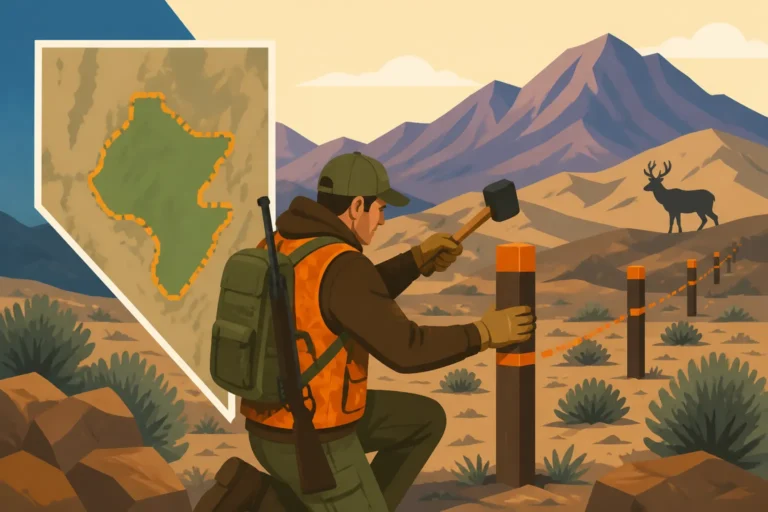
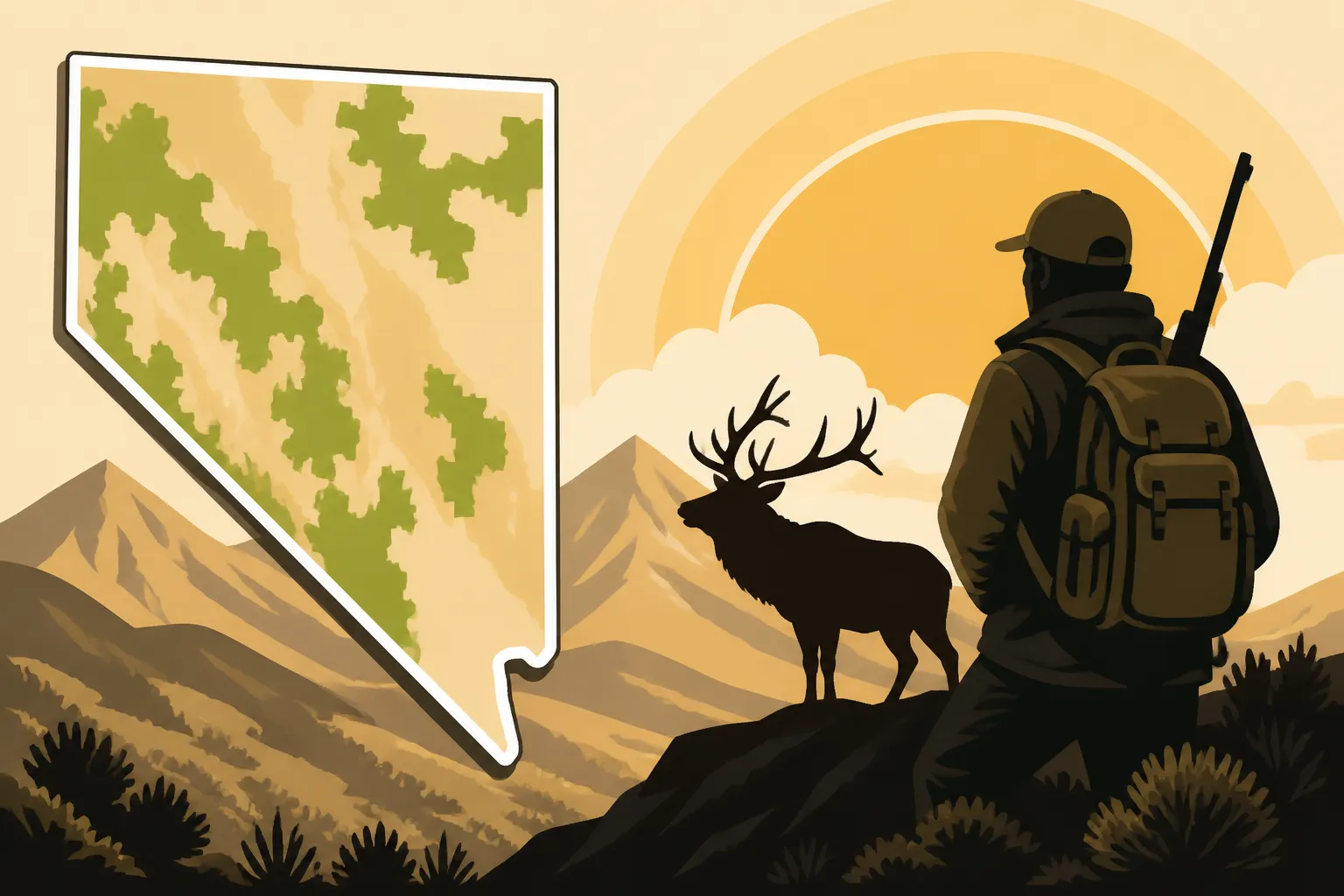
While much of Nevada's BLM land is contiguous, you'll still encounter areas, particularly near historical railroad grants, where public and private lands are arranged in a "checkerboard" pattern. This means alternating square-mile sections of public and private ground, creating a confusing maze for hunters who aren't prepared. Accidentally trespassing can ruin a hunt and land you in legal trouble, so careful navigation is absolutely critical.
My advice? Always assume you're on private land unless your map clearly indicates otherwise. Services like onX Hunt are indispensable here, providing real-time land ownership data right on your phone or GPS device. Before you even set foot in an area, spend time Reading a Land Ownership Layer Correctly and identifying potential choke points or confusing boundaries. If you plan to hunt areas with checkerboard ownership, make sure you know the rules regarding Corner Crossing Legality in Nevada – it's a complex issue, and it's best to be informed.
Understanding Access and Regulations on BLM Ground
The freedom to roam on BLM land comes with the responsibility of understanding and adhering to its specific rules and regulations. This isn't just about avoiding a ticket; it's about respecting the land, the wildlife, and other users. Access is often the biggest hurdle, especially far from established roads, but even simple acts like setting up camp have guidelines.
Vehicle Access and Motorized Travel Rules
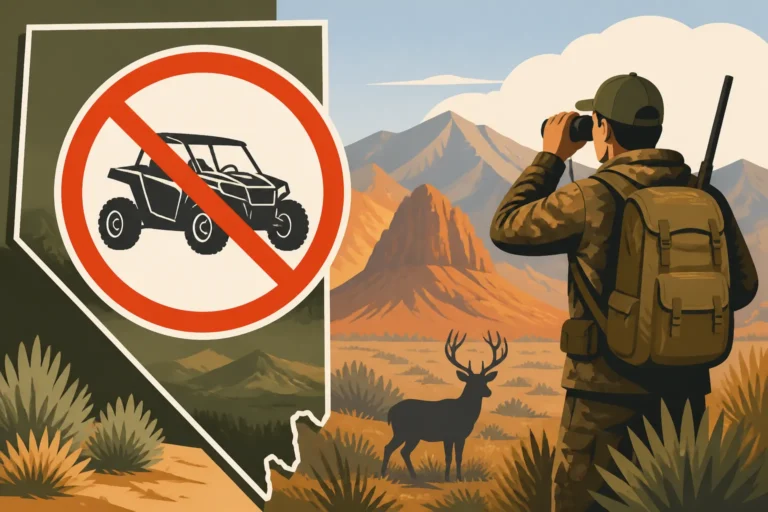
Nevada's BLM lands are crisscrossed by a network of often unmaintained two-track roads, but that doesn't mean you can drive wherever you please. The BLM actively manages motorized travel to prevent resource damage, erosion, and disturbance to wildlife. Generally, vehicles are restricted to existing roads and trails. This means no driving cross-country to retrieve a downed animal, no creating new routes, and definitely no joyriding off-road. You need to understand Motorized Travel Rules on Nevada Public Land before you head out.
Always pay attention to signage and any travel management plans in effect for the specific area you're hunting. These plans often dictate which routes are open, which are seasonal, and which are completely closed. A good topo map or a mapping app like onX Hunt will show designated routes, helping you stay legal and avoid getting stuck in remote areas. Remember, help can be a long way off.
Dispersed Camping and Camp Etiquette
One of the great joys of hunting Nevada's BLM is the ability to disperse camp almost anywhere, offering unparalleled freedom and the chance to truly get away from it all. There are no designated campsites, no fees, and often, no other people within miles. However, this freedom comes with responsibilities. Typically, you can camp for a certain number of days (often 14) in one spot before needing to move a specified distance. Always check current regulations for Camping Rules on Nevada BLM Ground.
"Leave No Trace" principles are paramount. Pack out everything you pack in, including all trash and human waste. Respect water sources, keep campfires small and contained (and only when regulations allow, which is often not the case during dry Nevada summers), and avoid disturbing sensitive areas. Your camp should be invisible after you leave. This ensures these pristine areas remain enjoyable for everyone who follows.
Specific Rules for Hunting on BLM Land
While Nevada Department of Wildlife (NDOW) regulations govern what you can hunt, when, and how, the BLM has overarching rules about land use that intersect directly with your hunting activities. For example, rules on permanent blinds or tree stands, baiting, or the use of trail cameras can sometimes be influenced by BLM land management policies, even if NDOW has its own specific rules. It's crucial to cross-reference both sets of regulations.
Always be aware of any temporary closures or restrictions that the BLM might impose due to wildfire danger, extreme weather, or other resource management concerns. These can pop up unexpectedly and close off prime hunting areas. Stay informed by checking BLM district office websites and local news before and during your trip.
Leveraging Technology for BLM Hunting in Nevada
The vastness and often featureless nature of much of Nevada's BLM land make modern technology not just a convenience, but a necessity for safe and effective hunting. Gone are the days when a paper topo map and a compass were enough for every hunter. Today, digital tools can give you an incredible edge, helping you navigate, scout, and even plan for contingencies.
Mapping Apps: Your Best Friend on BLM
If there's one piece of technology every Nevada BLM hunter needs, it's a robust mapping application. Services like onX Hunt have revolutionized how hunters interact with public land. With features that display land ownership boundaries, topo lines, satellite imagery, and even designated roads and trails, an app like this is literally a lifeline in the backcountry. You can drop waypoints for water sources, game sign, or potential ambush points, and track your movements in real-time, even without cell service (as long as you download maps beforehand).
I've used onX Hunt countless times to confirm I'm still on public land, especially in those frustrating checkerboard areas. It saves untold hours of guesswork and prevents accidental trespassing. Being able to visualize terrain in 3D and understand elevation changes before I even step out of the truck is invaluable for planning stalks and finding advantageous glassing points. Using onX Layers for Nevada Public Land effectively can truly transform your hunt.
E-Scouting and Pre-Season Planning
Before you ever burn a drop of gas driving into a hunt unit, you should be spending hours e-scouting from your couch. Platforms like GoHunt offer incredible tools for researching hunt units, analyzing draw odds, and looking at harvest statistics. Combined with detailed satellite imagery on a mapping app, you can identify potential bedding areas, travel corridors, Water Sources That Concentrate Desert Game, and key features like saddles, rims, or secluded canyons that might hold animals.
This kind of pre-season planning is especially critical on BLM land, where access points can be few and far between, and walking distances can be extreme. By identifying promising areas beforehand, you can focus your physical scouting efforts more efficiently. Understanding prevailing wind patterns for an area, noting potential vehicle access points, and even identifying emergency extraction routes can all be done long before opening day. Read up on E-Scouting a Nevada Unit Before the Season to maximize your chances.
Staying Connected (or Disconnected) in Remote Areas
While mapping apps are fantastic, they rely on a device that needs power and, for real-time updates, often a satellite signal if cell service is absent. And let's be realistic: cell service across much of Nevada's BLM is a pipedream. This means planning for communication is essential. A satellite messenger or personal locator beacon (PLB) is a wise investment for any solo hunter or small group venturing deep into the vastness. These devices can send messages, weather updates, and, critically, an SOS signal to emergency services if things go sideways.
Beyond emergency comms, embracing the "disconnected" aspect of these remote areas is part of the experience. It forces you to be more present, rely on your skills, and truly immerse yourself in the landscape. Just make sure you've got your navigation and emergency plans dialed in before you cut the cord.
The Challenges and Rewards of Hunting Nevada's BLM
Hunting on BLM land in Nevada isn't always easy. It's often physically demanding, mentally taxing, and requires a high degree of self-reliance. But for those willing to put in the effort, the rewards can be immense: incredible solitude, vast wild landscapes, and the chance at truly trophy-class animals. It’s a game of perseverance, preparation, and embracing the elements.
The Realities of Remote Backcountry Hunting
Nevada's BLM offers some of the most remote hunting experiences in the Lower 48. This isn't a place where you'll find trailheads every few miles or other hunters around every corner. You'll often be miles from the nearest paved road, requiring a reliable 4×4 vehicle, extra fuel, and the skills to fix a flat or self-recover if you get stuck. Vehicle Prep for Remote Nevada Roads is not something to take lightly. The terrain can be brutal – sharp volcanic rock, dense sagebrush, steep canyons, and loose scree slopes.
Physical conditioning is paramount. Long days of glassing, followed by even longer, strenuous stalks across unforgiving terrain, are the norm. Preparing Physically for Long Glassing Days will pay dividends when you're hiking into a distant basin or packing out an animal for miles. The mental fortitude required to keep pushing when the going gets tough is just as important as physical strength.
Finding Water and Other Critical Resources
In an arid state like Nevada, water is often the single most important factor determining where game animals live and where you can hunt them effectively. On BLM land, natural water sources can be few and far between, and competition for them can be high. Identifying springs, seeps, or man-made guzzlers (wildlife water developments) is a critical part of pre-season scouting. Use your maps, satellite imagery, and even tools like GoHunt to pinpoint these vital spots.
For yourself, you'll need to carry much more water than you might think. Dehydration is a serious risk, especially during early season hunts when temperatures can still soar. Planning for Water You Must Carry on a Desert Day Hunt involves not just your drinking water, but also water for cooking, cleaning, and emergencies. Beyond water, thinking about shelter from the sun, reliable fire starters, and first aid is crucial for any extended stay in the remote desert.
The Unmatched Opportunity for Solitude and Trophy Animals
Despite the challenges, hunting Nevada's BLM lands offers a unique payoff: genuine solitude and access to some of the West's most sought-after big game animals. Because the terrain is so vast and often difficult, hunting pressure can be spread out, allowing animals to grow older and larger. This is where you find those elusive, mature mule deer bucks, giant bull elk, and record-book bighorn sheep that Nevada is famous for.
The feeling of being truly alone in the vastness, watching a sunrise paint the distant mountains, or spotting a magnificent animal in its wild habitat, is a profound and deeply rewarding experience. It connects you to the land in a way that few other places can. For those willing to put in the work and embrace the raw, untamed nature of Nevada's BLM, the opportunities for adventure and a truly unforgettable hunt are unparalleled.
Disclaimer
This article is for general informational purposes only and does not constitute professional advice. Laws, prices and regulations vary by location and change over time. Consult a qualified professional for guidance on your specific situation.