Hunting Near Great Basin National Park
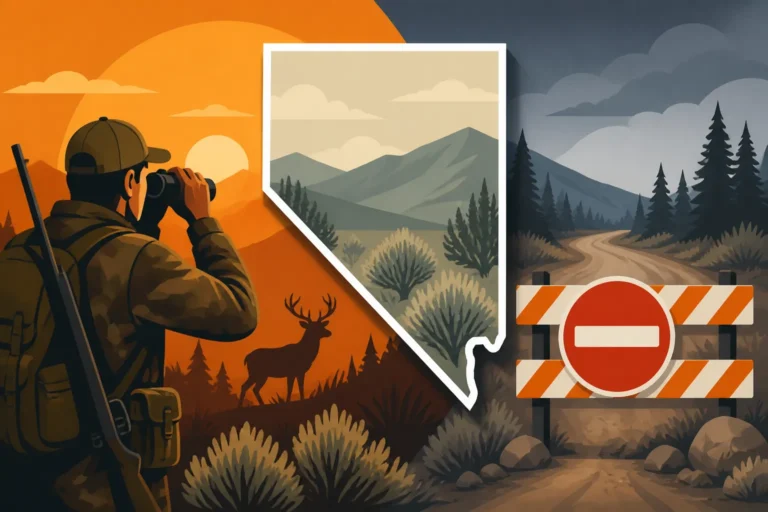
It's incredibly frustrating when you're trying to figure out where you can actually hunt in Nevada, especially when there's a huge national park in the middle of a region you're interested in. The common question I hear is, "Can I hunt in Great Basin National Park?" The short answer is no, but that doesn't mean the surrounding country isn't ripe with opportunity. This guide will walk you through everything you need to know about hunting the incredible public lands adjacent to Great Basin National Park, clarifying the rules and showcasing the fantastic hunting experiences you can have in this unique corner of Nevada.
Understanding National Park Boundaries and Hunting Regulations
One of the biggest misconceptions I encounter from hunters looking at maps of Eastern Nevada is the assumption that a national park means all hunting in the vicinity is off-limits. Let's clear that up right away. While Great Basin National Park itself is indeed closed to hunting, the vast stretches of public land surrounding it offer some incredible opportunities for big game.
The "No Hunting" Rule Within Great Basin National Park
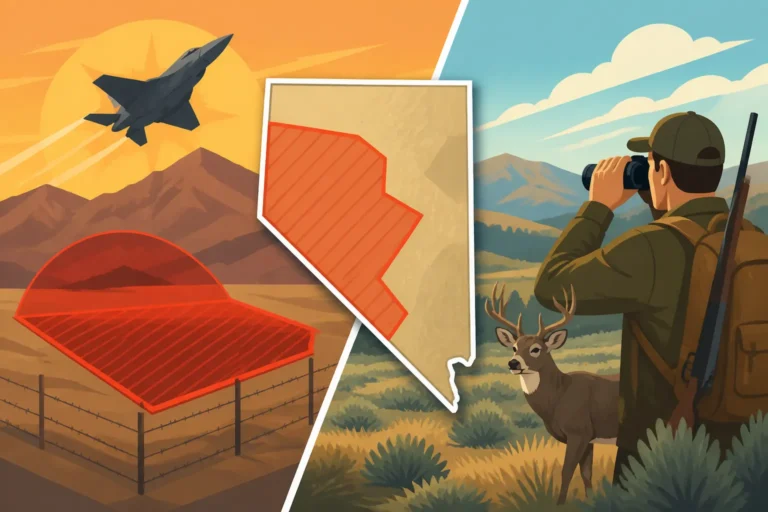
National Parks, by their very nature, are established for preservation, recreation, and the enjoyment of natural scenery and wildlife, with hunting typically prohibited. Great Basin National Park, encompassing the magnificent Lehman Caves, ancient bristlecone pine groves, and the 13,063-foot Wheeler Peak, is no exception. This isn't just a Nevada thing; it's a federal designation. This means that within the park boundaries, you cannot discharge a firearm, pursue game, or retrieve downed animals. It's a hard and fast rule, and misunderstanding it can lead to serious legal trouble, not to mention a lot of heartache.
Imagine you're stalking a big mule deer buck on public land, and it crosses into the park boundary just as you're about to take a shot. You have to stop. No matter how big that buck is, or how much effort you've put in, the line is absolute. This is a common frustration for hunters, especially in states like Nevada where public land can sometimes be a patchwork. It's why understanding these lines before you ever step foot in the field is paramount.
Navigating the Adjacent Public Lands
Here's the good news: Great Basin National Park is relatively small compared to the immense amount of public land that literally bumps right up against its borders. We're talking about millions of acres managed by the Bureau of Land Management (BLM) and the Humboldt-Toiyabe National Forest. These are the lands where Nevada hunters find their success. When people ask about hunting "near" Great Basin National Park, they're almost always referring to these adjacent lands. BLM Ground Is Where Most Nevada Hunting Happens, and around Great Basin, you'll find plenty of it.
Identifying these boundaries accurately is absolutely critical. This is where modern mapping tools become indispensable. For example, using an app like onX Hunt on your phone or tablet allows you to see the exact boundaries of Great Basin National Park in relation to the surrounding BLM and National Forest lands. You can overlay land ownership maps, see your precise location in real-time, and make sure you're always on legal hunting ground. This technology takes a lot of the guesswork out of navigating potentially confusing areas. Without it, you could easily find yourself in a sticky situation, inadvertently straying onto park land.
Prime Hunting Units Adjacent to Great Basin National Park
The eastern side of Nevada, where Great Basin National Park is situated, is a truly special place for hunters. It’s characterized by dramatic mountain ranges rising out of arid valleys, creating diverse habitats that support a surprising array of big game.
Overview of the Eastern Nevada Landscape
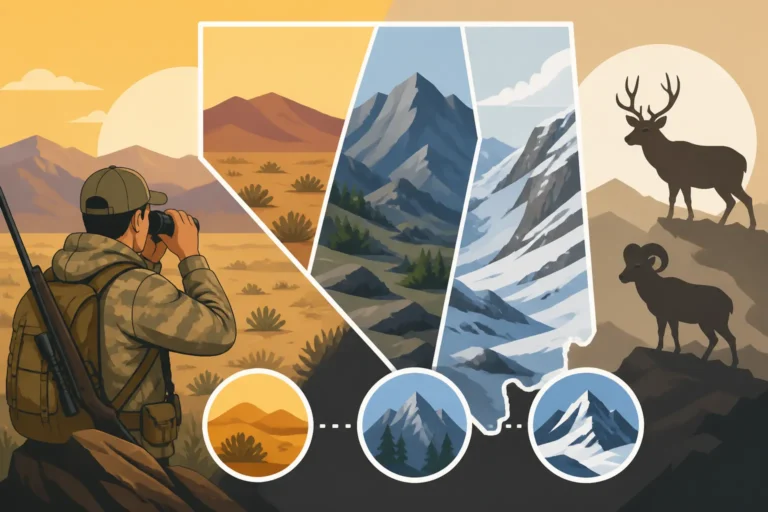
Think "Basin and Range" and you've got the picture. Towering mountain ranges like the Schell Creek Range, Snake Range, Egan Range, and the mighty Mount Moriah (which houses much of Great Basin National Park itself) dominate the landscape. These ranges are separated by wide, flat valleys that create perfect travel corridors and wintering grounds for various species. The elevation changes dramatically, from valley floors around 5,000 feet to mountain peaks over 10,000 feet, which means different habitats within relatively short distances. You'll find sagebrush flats, pinyon-juniper woodlands, and higher up, aspen and even small pockets of conifer forest. This varied terrain is exactly what makes hunting in this area so rewarding and challenging.
The units immediately surrounding Great Basin National Park are generally well-regarded for big game. These might include parts of units like 111, 112, 113, and others in the eastern Nevada region. Each unit has its own character, access points, and specific draw odds, which means doing your homework is essential. Reading a Nevada Hunt Unit Before You Apply becomes incredibly important here, as unit boundaries can be complex and influence species availability and hunting pressure.
Big Game Species in the Vicinity
So, what can you actually hunt in this stunning landscape? Eastern Nevada is renowned for several species:
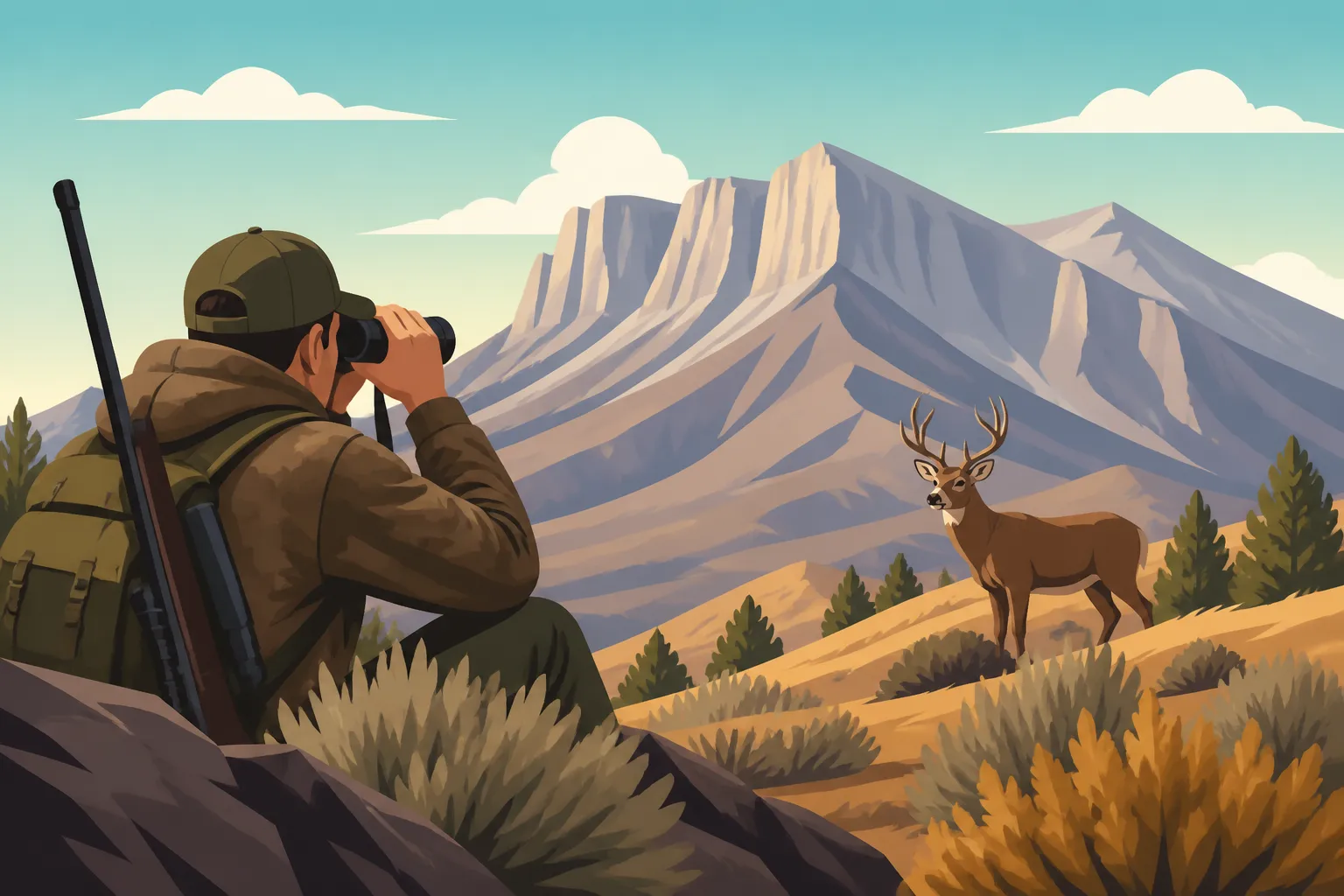
- Mule Deer: Without a doubt, Mule Deer Are the Reason Most Hunters Apply in Nevada, and the units around Great Basin are no exception. These deer thrive in the pinyon-juniper and sagebrush country, often moving to higher elevations in the summer and descending to the valley floors during the colder months. Success for big bucks often comes down to intense glassing and a willingness to hike steep country. The draw odds for prime mule deer tags can be tough, but the quality of the bucks can be exceptional.
- Elk: Nevada's elk herds, which Nevada Elk Herds Grew From Nothing Into a Trophy Draw, have truly flourished, and several eastern Nevada units, including those near the park, offer fantastic elk hunting. Both archery and rifle seasons can be productive, with hunters pursuing these magnificent animals in the higher timbered pockets and adjacent sage country. Expect tough draws and even tougher hunting if you're lucky enough to pull a tag.
- Pronghorn: While the park itself is mountainous, the expansive valleys surrounding it are classic pronghorn country. Pronghorn Across Nevada's Open Valleys are a truly unique challenge, demanding long-range shooting skills and meticulous stalking in wide-open terrain. Tags are limited, but the experience of chasing the fastest land animal in North America is unforgettable.
- Bighorn Sheep: Eastern Nevada is home to Desert Bighorn Sheep, and certain units in the vicinity of Great Basin National Park occasionally offer tags for these elusive animals. Nevada Holds All Three Bighorn Subspecies across the state, but it's the desert bighorn you'd be looking for in this specific region. Drawing a bighorn tag is literally a once-in-a-lifetime opportunity for most, requiring years of applying and a lot of luck.
- Mountain Lion: These apex predators roam the entire region, and while a dedicated lion hunt is a significant undertaking, lion tags are available over the counter for residents and in limited numbers for non-residents.
When planning your hunt for any of these species, thorough research into draw odds, harvest statistics, and unit specifics is key. Websites like GoHunt provide invaluable data and insights, helping you understand your chances, identify trending units, and make informed application choices during the Nevada Applications Run March 23 to May 13 period. This level of detail can truly make or break your application strategy, especially when aiming for a coveted tag in a high-quality unit.
Practical Considerations for Hunting Near Great Basin
Hunting in Eastern Nevada, especially near a significant landmark like Great Basin National Park, comes with its own set of logistical challenges and unique experiences. It’s a place of immense beauty but also immense solitude and ruggedness.
Accessing Remote Terrain and Water Sources
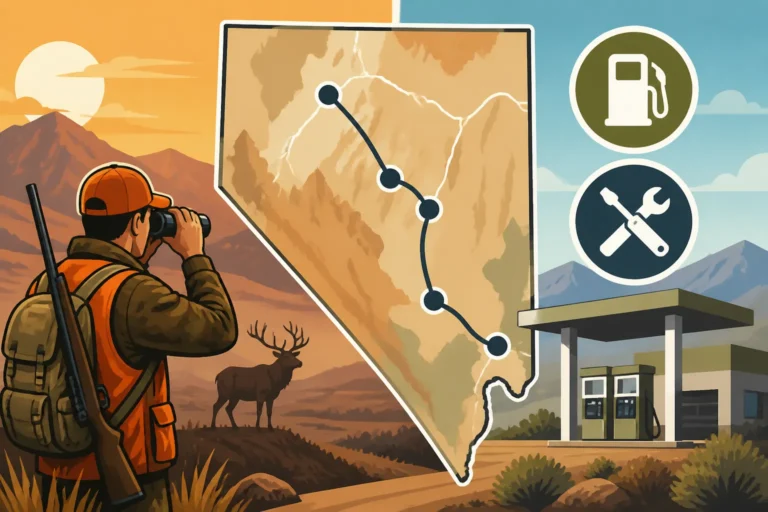
The country surrounding Great Basin National Park is remote. We're talking about vast distances between towns, limited cell service, and roads that quickly turn from paved highways to graded gravel, and then to rough, two-track trails. A reliable 4×4 vehicle is not just recommended, it's pretty much mandatory if you plan to get off the main roads and into prime hunting areas. Carry extra fuel, a spare tire (or two!), and recovery gear. It's not uncommon to spend an entire day without seeing another soul once you leave the main highway, and getting stranded out there can be a serious situation.
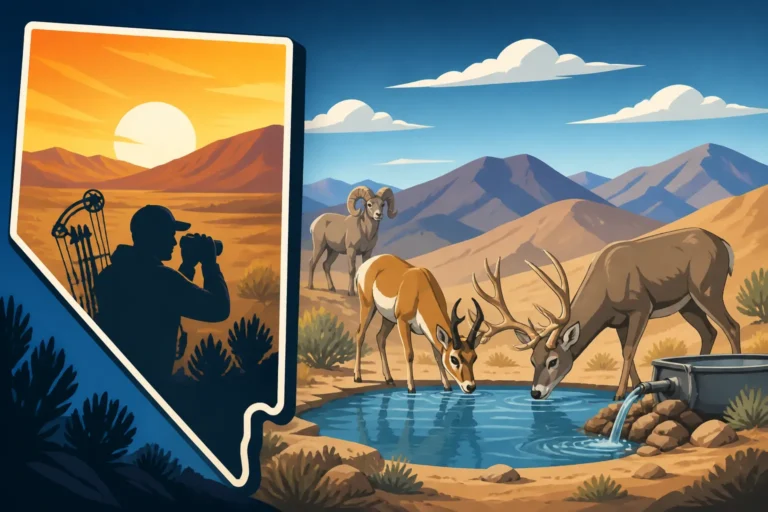
Water, as always in Nevada, is a critical factor. Water Is the Access Problem in Southern Nevada, and this applies to Eastern Nevada as well. Game animals will congregate around available water sources like springs and guzzlers, especially during early seasons. Knowing where these are located can be a game-changer for your hunt plan. For hunters, this means packing in plenty of water for yourself and being extremely mindful of hydration. On a multi-day backpacking trip, finding reliable water sources or caching water beforehand is essential. Scouting these locations, both physically and through satellite imagery, is a crucial step in preparing for your hunt.
Planning Your Hunt: Maps, Scouting, and Logistics
Successful hunting near Great Basin requires meticulous planning.
- Mapping: While apps like
onX Huntare fantastic for in-field navigation, don't neglect physical maps. Topographic maps, especially at a 1:24,000 scale, provide invaluable detail for understanding drainages, ridges, and potential travel routes. Mark known water sources, potential glassing knobs, and escape routes for game. - E-Scouting: Before you ever leave home, spend hours e-scouting using satellite imagery. Identify potential bedding areas, feeding zones, migration corridors, and access points. Look for subtle terrain features like benches, saddles, and draws that might hold animals or offer a hidden approach. E-Scouting a Nevada Unit Before the Season is a huge advantage in this expansive country, allowing you to narrow down your focus and make the most of your limited time in the field.
- Camping: Most hunters will be dispersed camping on BLM or National Forest lands. Camping Rules on Nevada BLM Ground generally allow for this, but always be aware of fire restrictions, Leave No Trace principles, and any specific regulations for the area you're in. Setting up a comfortable, organized camp is crucial for recharging after long days in the field.
- Physical Conditioning: The terrain can be brutal. Expect steep ascents, rocky slopes, and long distances. Get in shape before your hunt. This isn't just about endurance; it's about being safe and maximizing your enjoyment and effectiveness in the field.
Staying Legal and Respectful
Hunting is a privilege, and it comes with the responsibility of adhering to all laws and regulations, especially when operating so close to a protected area like a national park.
Respecting Park Boundaries and Wildlife
This cannot be stressed enough: Do not enter Great Basin National Park with a weapon or to pursue game. The boundaries, as seen on your onX Hunt app or physical maps, are sacrosanct. This also means you cannot shoot into the park, nor can you retrieve a wounded animal that crosses into park land. These are non-negotiable rules. If an animal you shoot crosses the boundary, you must let it go. It's a tough pill to swallow, but it's the reality of hunting adjacent to a national park.
Beyond the legal aspect, it's about ethical hunting and respecting the purpose of the park. The park is there for preservation; the surrounding public lands are there for multiple uses, including hunting. We need to ensure that our actions as hunters don't negatively impact the park's mission or the public perception of hunting. This includes proper waste disposal, minimizing impact on the land, and ensuring you have a clean shot at your target.
Understanding Nevada's Regulations
Beyond the federal regulations regarding national parks, you must, of course, follow all Nevada Department of Wildlife (NDOW) regulations. This includes:
- Licenses and Tags: You'll need a valid Nevada hunting license and the appropriate tag for the species you intend to hunt in the specific unit you drew. Nevada Applications Run March 23 to May 13 for most big game species, so plan ahead.
- Season Dates: Ensure you are hunting during the legal season for your specific weapon type and unit.
- Blaze Orange: Be aware of blaze orange requirements, especially during rifle seasons.
- Motorized Travel: Understand Motorized Travel Rules on Nevada Public Land. Many areas have designated routes, and off-roading can lead to fines and habitat damage.
Always carry a copy of the current Nevada hunting regulations, available on the NDOW website. Laws and rules can change, so having the most up-to-date information is crucial.
Here's a quick comparison of general hunting opportunities and access types in the public lands around Great Basin National Park:
| Land Type | Primary Game Species | Common Terrain | Access Considerations | Key Tool for Navigation |
|---|---|---|---|---|
| BLM Land | Mule Deer, Pronghorn, Elk, Lion | Sagebrush flats, rolling hills, low mountains | Extensive road network (often primitive), dispersed camping | onX Hunt |
| National Forest Land | Mule Deer, Elk, Bighorn, Lion | Higher elevation, steeper mountains, timbered slopes | Forest roads (some seasonal closures), trails, dispersed camping | onX Hunt |
| Wilderness Areas | Mule Deer, Elk, Bighorn, Lion | Very rugged, remote, high elevation | Foot and horseback only, no motorized access | Physical maps, onX Hunt |
Hunting near Great Basin National Park offers some of Nevada's most challenging and rewarding experiences. With careful planning, a solid understanding of the regulations, and respect for the land, you can have an unforgettable adventure in this wild and beautiful part of the Silver State. Just remember to keep those park boundaries clearly in mind, and you'll be set for a truly epic hunt.
Disclaimer
This article is for general informational purposes only and does not constitute professional advice. Laws, prices and regulations vary by location and change over time. Consult a qualified professional for guidance on your specific situation.