Two-Hunter Calling Setups That Actually Work
Two-hunter calling setups improve mule deer and elk hunting success in Nevada by dividing labor between calling and shooting.
Close the distance.
Archery, muzzleloader, and firearm techniques — calling, stand placement, still-hunting, spot-and-stalk, and the weapon rules that change at the state line.
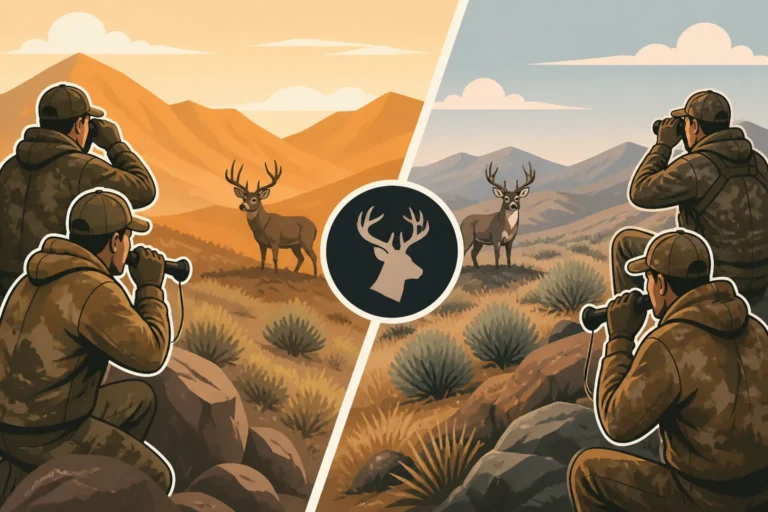
Two-hunter calling setups improve mule deer and elk hunting success in Nevada by dividing labor between calling and shooting.
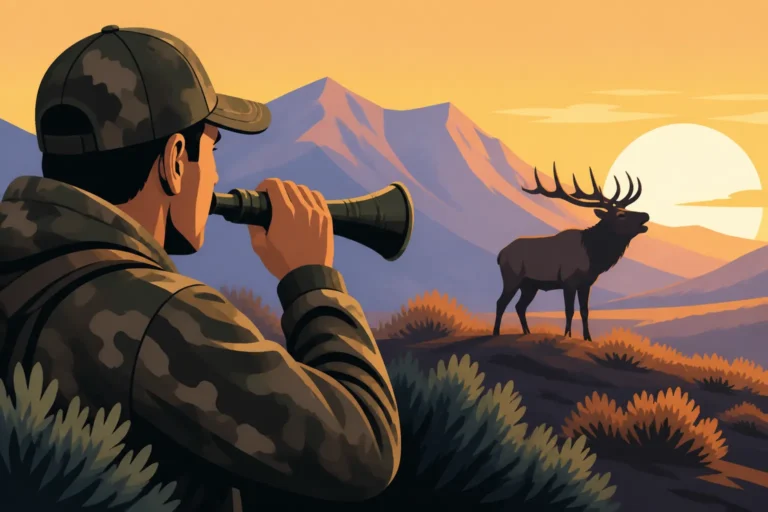
Silent mornings outside the peak rut leave hunters guessing, but bulls heading from night feeding to bedding at dawn may answer a locator call.
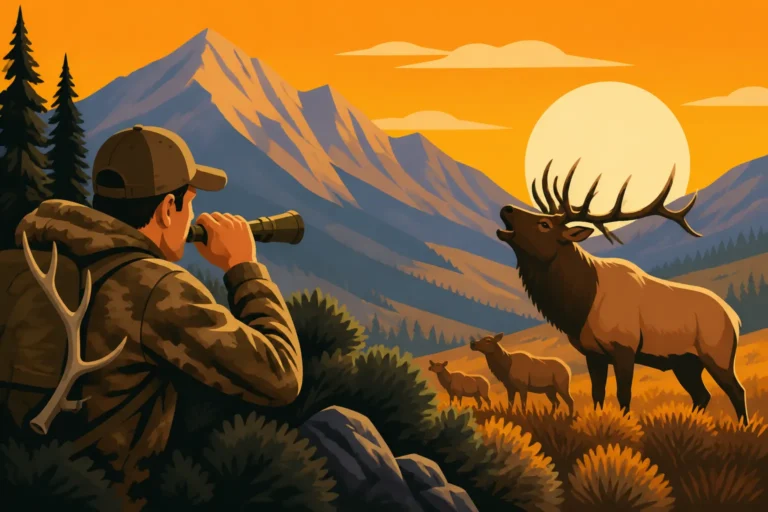
Nevada September elk bugling and cow calling tactics explained for hunters, detailing pre-rut and peak rut behavioral differences.

Nevada elk rut timing from mid-September through early October, including weather patterns and moon phase impacts for hunters.
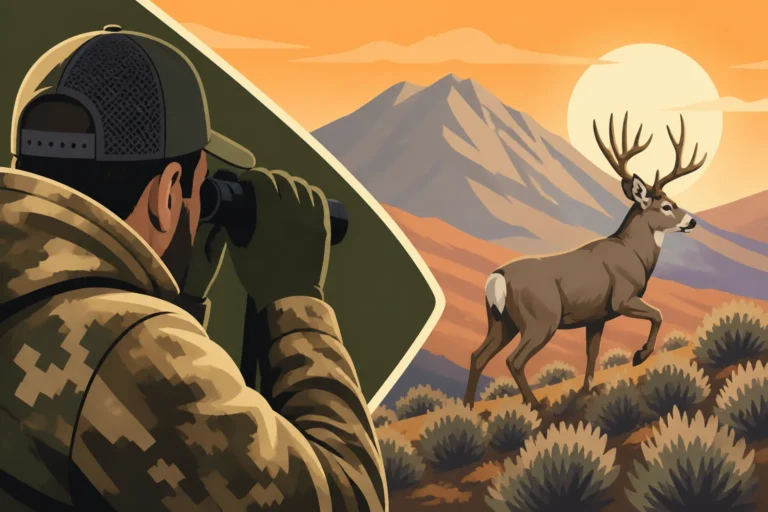
Mule deer hunting in Nevada requires a decision framework to evaluate moving trophy bucks before fleeting opportunities disappear.
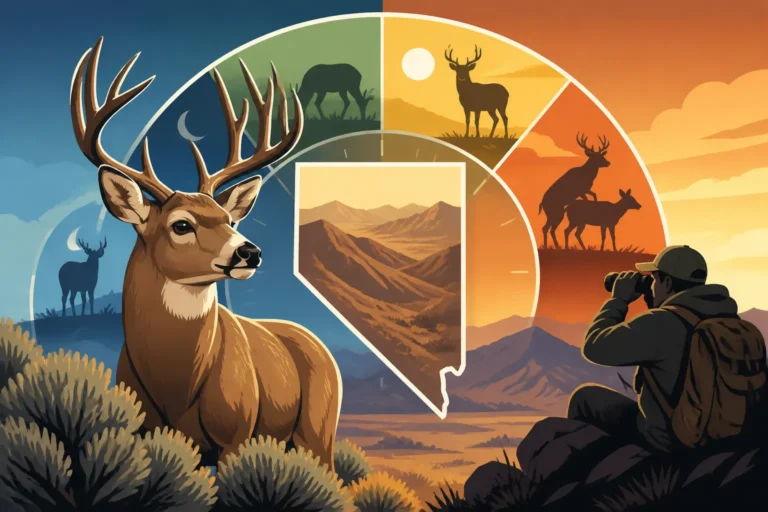
Timing Nevada mule deer and elk hunts during December and fall breeding seasons helps hunters find active bucks and bulls.
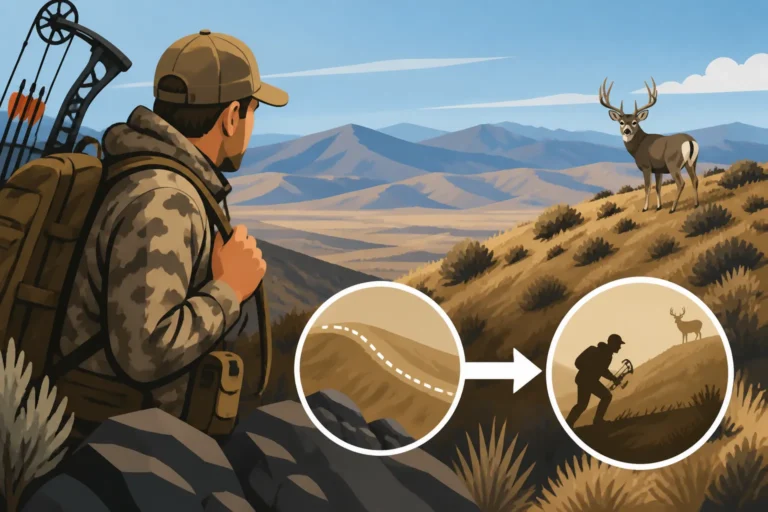
Using draws and rims allows hunters to close distance on big game in Nevada by concealing movement across open BLM land.
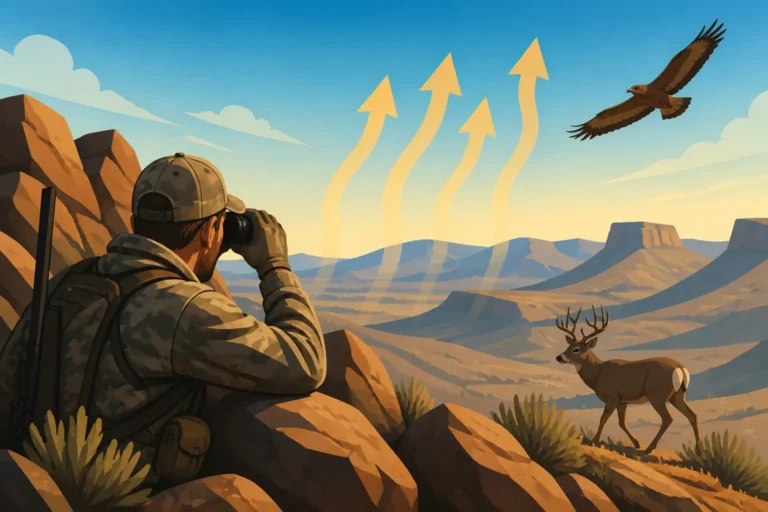
Nevada rimrock thermals carry scent downhill during cold mornings and uphill during evenings, dictating mule deer hunting success.
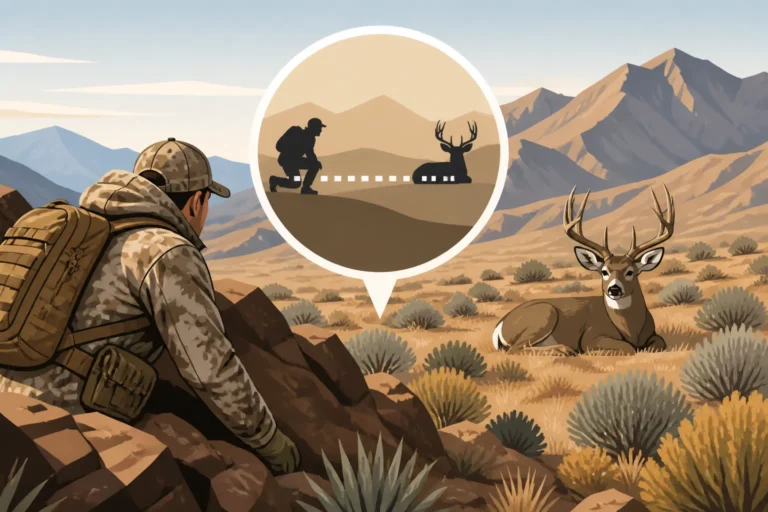
Stalking a bedded mule deer in Nevada requires analyzing deer behavior, managing wind direction, and closing a mile of distance.
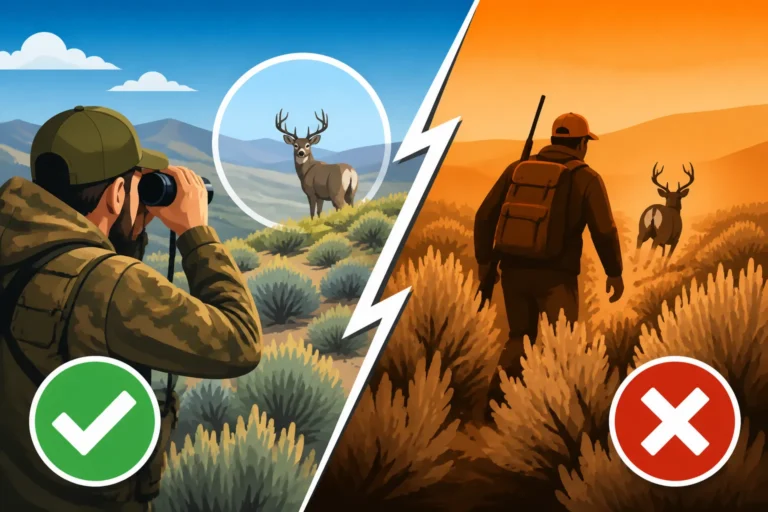
Mastering optics in Nevada sagebrush country helps hunters locate elusive mule deer, pronghorn, and elk across vast terrain.