Tree Stand Rules That Apply on Public Land
Nevada tree stand rules explain portable equipment use, tree damage prevention, and removal deadlines within ten days after hunting seasons close.
Close the distance.
Archery, muzzleloader, and firearm techniques — calling, stand placement, still-hunting, spot-and-stalk, and the weapon rules that change at the state line.
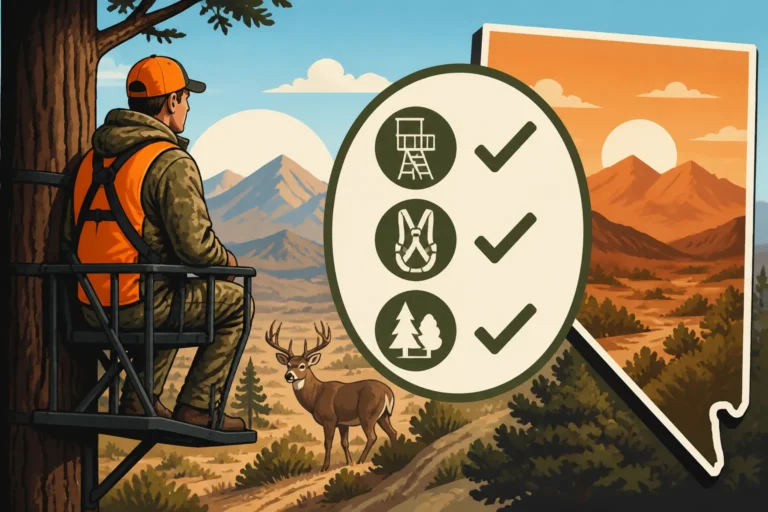
Nevada tree stand rules explain portable equipment use, tree damage prevention, and removal deadlines within ten days after hunting seasons close.
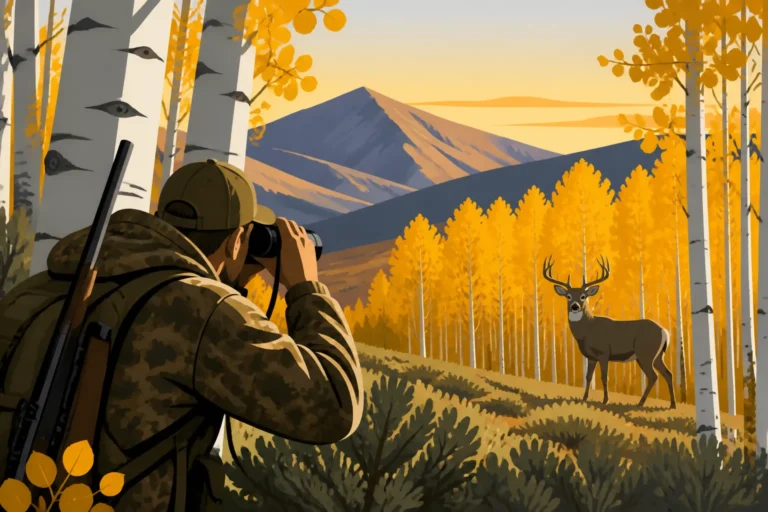
Nevada mule deer hunting in dense aspen pockets requires still hunting tactics instead of glassing to move through timber.
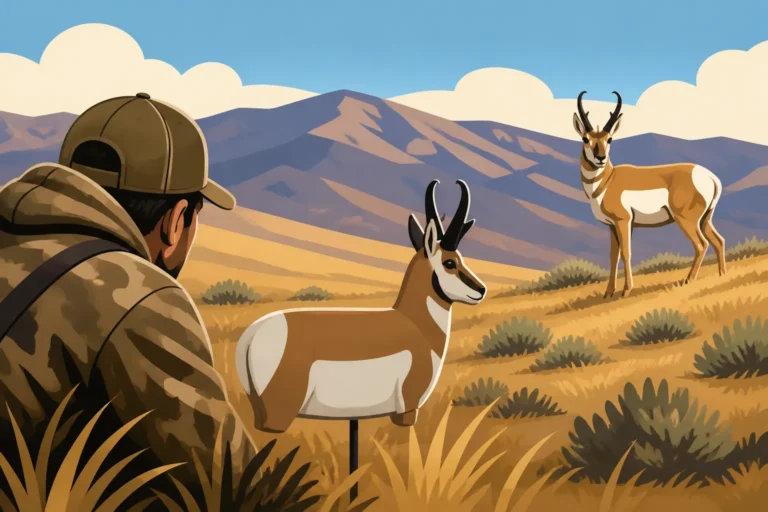
Nevada pronghorn hunting strategies using two-dimensional silhouettes and three-dimensional full-body decoys to close distance.
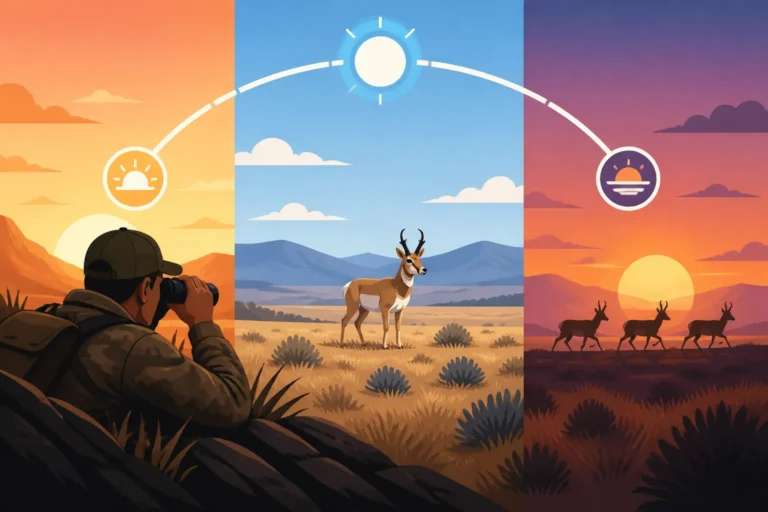
Pronghorn behavior patterns and morning feeding routines reveal optimal hours for stalking big game animals across Nevada.
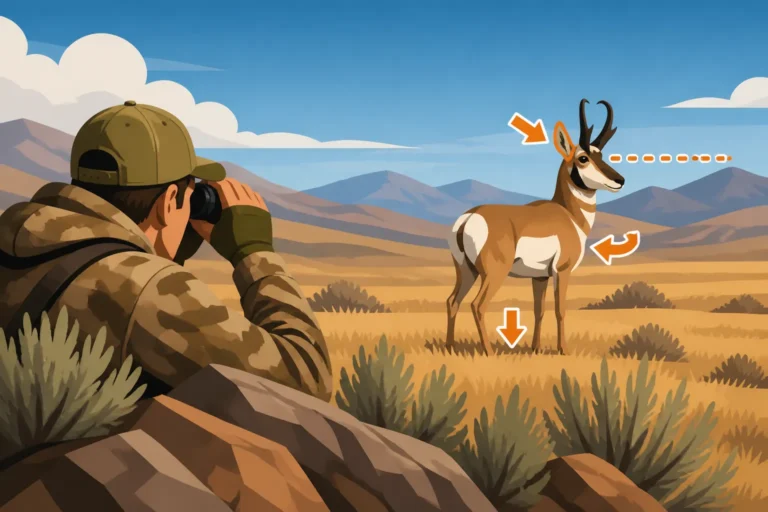
Nevada pronghorn body language and group dynamics reveal subtle visual cues that help hunters decode danger signals during a stalk.
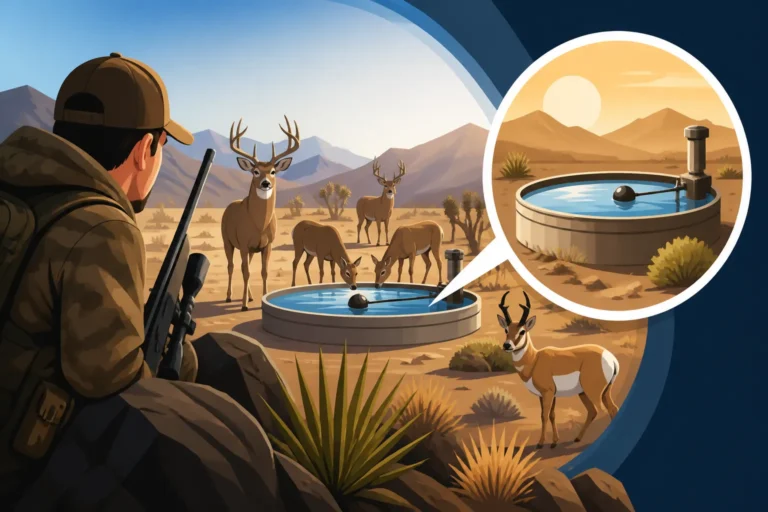
Man-made wildlife guzzlers collect and store water across Nevada, dictating the survival and movement of mule deer, bighorn sheep, and pronghorn.
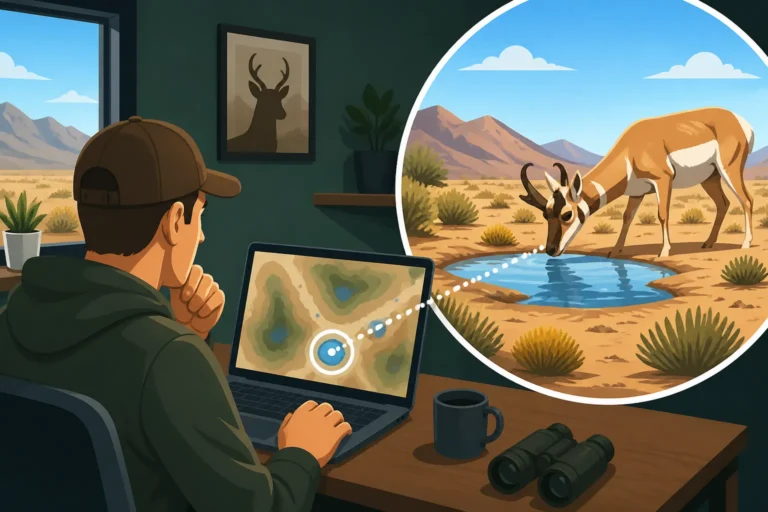
Satellite imagery and mapping techniques help hunters locate Nevada wildlife water guzzlers from home before scouting trips.
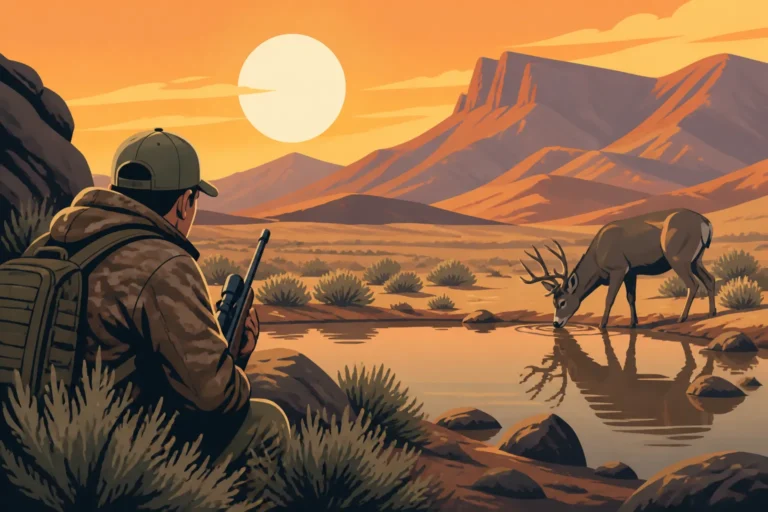
Sitting water on a Nevada August hunt requires scouting high desert springs to find thirsty mule deer, elk, and pronghorn.
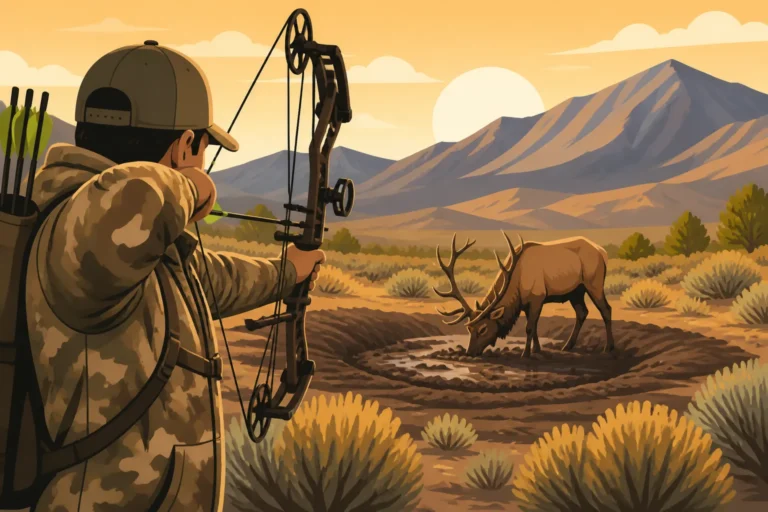
August archery in triple-digit heat leaves deer fighting dehydration, which makes muddy wallows a water source that draws game in the desert.
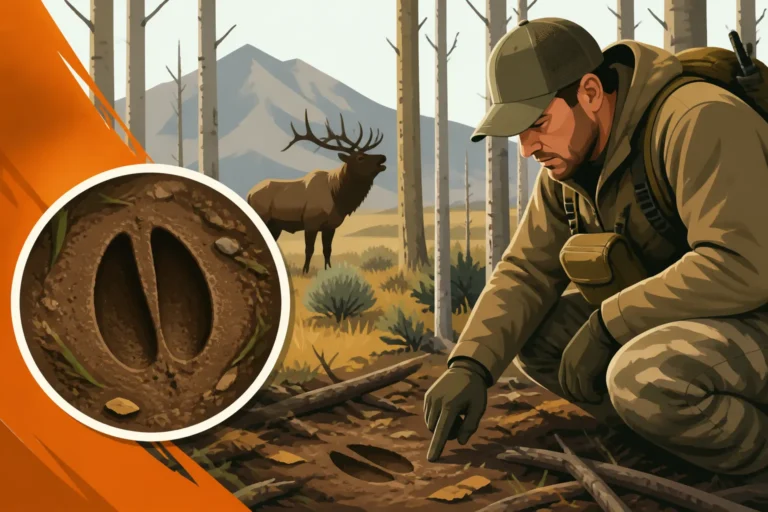
Fresh elk sign in Nevada thin timber helps hunters locate bedding areas and track elusive bulls across patchy forest cover.