Chukar Guides and Dog Work
Chukar hunting in Nevada is often described as a love-hate relationship: you love the birds, but you hate the mountains they call home. It's a grueling endeavor that can test the mettle of even the most seasoned upland hunter, often leaving you exhausted, bruised, and sometimes, birdless. This guide is for those of you who've faced that challenge and are wondering if there's a better way, specifically how a professional Chukar guide and their phenomenal dog work can transform a brutal outing into a genuinely rewarding experience.
The Unique Challenge of Nevada Chukar Hunting
Anyone who has chased Chukar in Nevada knows it's not for the faint of heart. These birds thrive in some of the most unforgiving landscapes imaginable, turning every hunt into an extreme endurance test. It's not just about finding the birds; it's about getting to them, navigating treacherous terrain, and then being physically capable of making the shot and retrieving your prize.
Terrain and Physical Demands
Nevada's Chukar country is characterized by steep, rocky slopes, volcanic talus, and dense sagebrush that combine to create an obstacle course of epic proportions. You're often climbing thousands of vertical feet in a day, scrambling over loose scree, and carefully picking your way down equally steep descents. The footing can be treacherous, with every step demanding your full attention to avoid a twisted ankle or worse. This isn't a casual walk in the park; it's a full-body workout that requires significant cardiovascular fitness and leg strength.
The altitude, particularly in some of the higher ranges, can add another layer of difficulty, making every uphill climb feel even more arduous. Hunters often underestimate the toll this terrain takes until they're several hours into a hunt, their legs burning and lungs aching. It’s Why Chukar Hunting Is So Punishing is a conversation starter among upland hunters. The sheer physical commitment is a significant barrier for many, and it’s one area where a guide’s local knowledge can help plan a hunt that matches your fitness level, even if it’s still going to be tough.
Beyond the climbing, the jagged, sharp rocks are brutal on boots, knees, and even hands if you find yourself scrambling. You’ll be navigating canyons, crossing washes, and traversing expansive, open slopes where cover is minimal. The sun can be intense, even in cooler months, and hydration is always a critical concern. Preparing physically for a Chukar hunt isn't an option; it's a necessity, whether you're going with a guide or solo.
Elusive Birds and Their Habits
Chukars are notoriously wary birds, often spotting hunters from a great distance due to the open nature of their habitat. They prefer to run uphill rather than fly, making them incredibly difficult to pin down once spooked. They'll often disappear over a ridge or into a rock crevice before you even have a chance to shoulder your shotgun. This elusive behavior is a major source of frustration for many DIY hunters.
Their ability to blend into the rocky background is uncanny, and their calls, while distinct, can be misleading, sounding much closer or farther than they actually are. It takes a keen eye and intimate understanding of their behavior to predict their movements. Once they flush, they often fly at incredible speeds, using the terrain to their advantage, making for challenging wing shooting. Getting consistent shots on Chukar requires not just good marksmanship, but also the ability to anticipate their flight path and react quickly.
Understanding their daily patterns – when they feed, where they water, and where they loaf – is key to success. These patterns can shift with weather, hunting pressure, and food availability. Without that intimate knowledge, you can spend days fruitlessly hiking, never quite getting on birds. The frustration of endless climbing with no reward is a common lament among those new to Chukar hunting.
Water's Role in Chukar Location
In arid Nevada, water is life, and for Chukars, it's often the single most important factor determining their location. These birds need to drink regularly, especially during warmer periods, and they will seldom stray far from a reliable water source. Identifying these critical water points—springs, guzzlers, seeps, or stock tanks—is paramount to finding birds. However, simply knowing where water is doesn't guarantee success.
The challenge lies in the fact that many water sources are hidden, difficult to access, or might only provide seasonal moisture. Moreover, Chukar might visit water at specific times of the day, making timing crucial. Scouting these locations beforehand and understanding the current conditions is a huge undertaking for a solo hunter. You might know that Hunting Water in Nevada's Driest Country is vital, but finding the water, and then finding the birds near it, is another story entirely.
Hunters often spend countless hours poring over maps, looking for blue lines or water symbols, only to find dry springs or heavily used game trails that offer no birds. The best water sources are often in the steepest, most rugged canyons, demanding even more physical effort to reach. Without precise knowledge of active water and the specific routes Chukars use to access it, you're essentially looking for a needle in a vast, rocky haystack.
Why a Chukar Guide Makes a Difference
Considering the extreme nature of Chukar hunting, it's no wonder many hunters turn to professional guides. A good Chukar guide offers more than just navigation; they provide an entire package of expertise, equipment, and crucially, highly trained dogs that dramatically increase your odds of success and enjoyment. It's about leveraging their lifetime of experience against the birds' cunning.
Local Knowledge and Scouting
A professional Chukar guide brings an unparalleled level of local knowledge to the hunt. They often live in the areas they guide, spending countless hours year-round in the field, even outside of hunting season. This isn't just about knowing where the biggest coveys were last year; it's about understanding current conditions, like recent rainfall, insect hatches, and how hunting pressure from previous weeks might have shifted bird locations. They know specific drainages, individual ridges, and even particular rock outcroppings where birds routinely feed, loaf, or seek shelter.
This intimate familiarity extends to knowing which areas tend to hold birds even in tough years, or which slopes get morning sun versus afternoon shade, influencing where Chukars will be at different times of the day. Guides combine this historical data with current, extensive scouting. They'll drive miles of dirt roads, hike new country, and use powerful optics to locate birds before you ever arrive. This meticulous preparation means you spend less time searching and more time hunting, maximizing your limited time in the field. They can often tell you, with surprising accuracy, where the birds are likely to be given the current conditions, which is invaluable on a hunt where every foot of elevation gained is precious.
They also have a deep understanding of the regulations specific to certain units, allowing them to navigate the complexities of boundary lines and access points. When you are looking at Reading a Nevada Hunt Unit Before You Apply, a guide is already thinking about which parts of that unit offer the best opportunities based on their experience and current conditions. This saves you countless hours of e-scouting and on-the-ground reconnaissance that a DIY hunter would need to do.
The Unmatched Value of Trained Bird Dogs
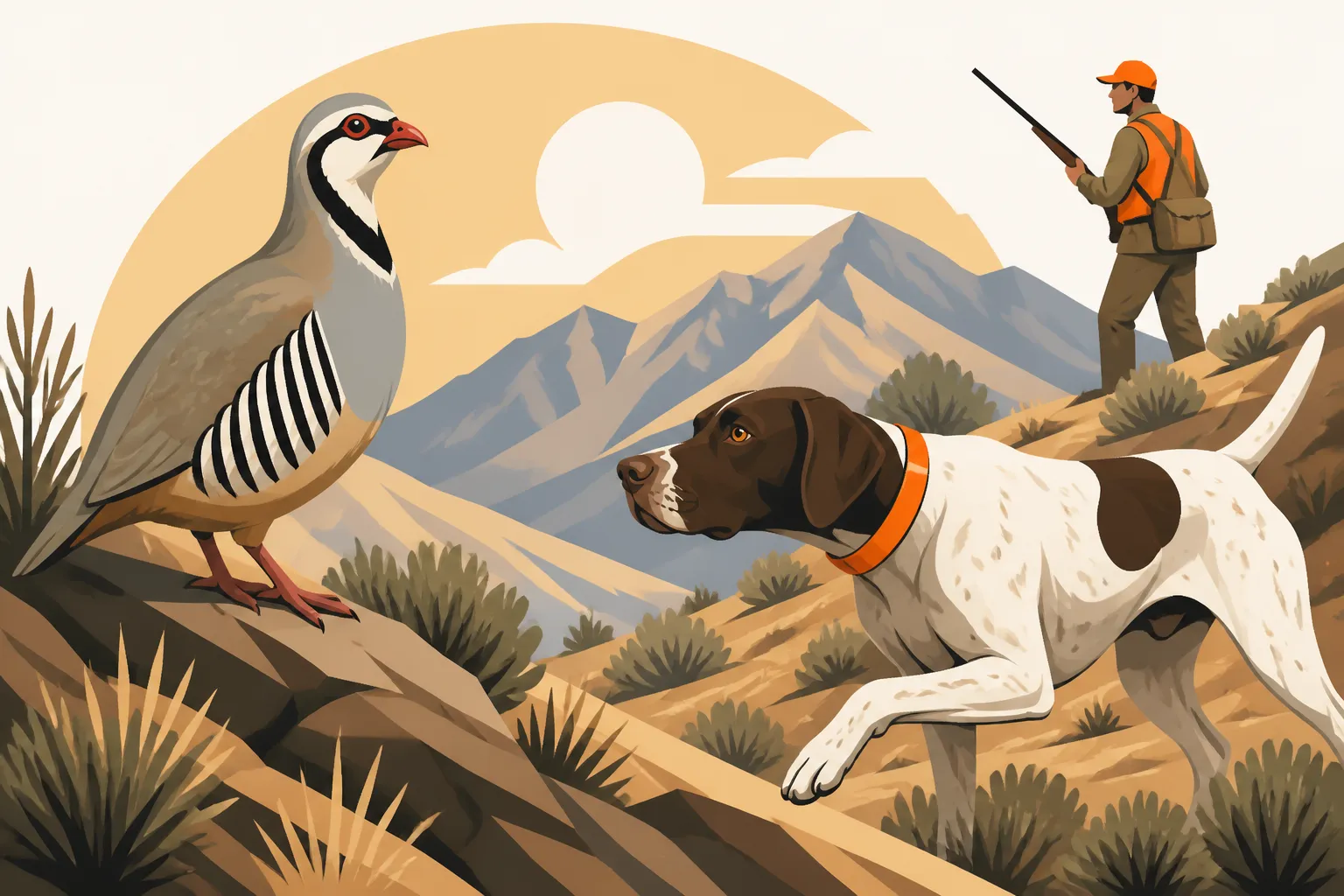
Perhaps the single biggest differentiator a Chukar guide offers is their string of highly trained bird dogs. Chukar hunting without dogs is like trying to find tiny, camouflaged needles in a mountain-sized haystack – frustrating and often fruitless. Well-trained pointers, setters, or Brittanys are specifically bred and conditioned for this strenuous work, covering vast amounts of ground at speed, methodically scenting out coveys, and holding them for the shot.
These dogs are not just pets; they are seasoned athletes and expert hunters. They understand the nuances of Chukar scent, how the birds run uphill, and how to effectively "pin" a covey against a rise or rock face, allowing the hunters to get into position. Their ability to locate and hold birds dramatically increases your shot opportunities, turning what might be a single, fleeting glimpse into multiple flushes. They also excel at retrieving downed birds from steep, rocky terrain, which is a massive advantage when birds often tumble into nearly inaccessible places. Without a dog, many hard-earned birds would be lost.
A guide's dogs are often specifically conditioned for the brutal Nevada terrain, with tough pads and incredible stamina. They know how to pace themselves, where to find shade, and when to take a drink. This specialized training means they can sustain the effort needed for a full day of Chukar hunting, tirelessly working the steep slopes while you, the hunter, conserve your energy for the shot. Their dedication and skill are truly amazing to witness, making the hunt far more enjoyable and productive.
Navigation and Safety in Extreme Conditions
Nevada's Chukar habitat is not just steep; it's vast, remote, and often lacks obvious landmarks. Getting disoriented or lost is a real concern, especially when you're focused on finding birds and navigating difficult terrain. A guide, with their intimate knowledge of the area and extensive experience, acts as your human GPS. They know the safe routes, the hidden trails, and how to avoid dangerous cliffs or unstable scree fields. Their priority is not just finding birds, but ensuring your safety throughout the day.
Beyond simply knowing where you are, guides are experts in managing the inherent risks of hunting in such rugged country. They understand the signs of dehydration or heat exhaustion, how to react to unexpected weather changes, and what to do in case of an injury. They come prepared with first-aid kits, communication devices (like satellite messengers, as cell service is often non-existent), and often have emergency plans in place. This peace of mind allows you to focus on the hunt, knowing that an experienced professional is leading the way.
Furthermore, guides are well-versed in the logistical challenges of these remote areas. They know the condition of the Remote Road Conditions Across Nevada that lead to trailheads, how much water to carry, and where the nearest reliable services are. This expertise prevents you from getting stuck, running out of fuel or water, or facing other preventable mishaps that can quickly turn a hunt sideways. Their foresight and preparedness are invaluable for a smooth and safe hunting experience.
Understanding Chukar Guide Services
If you're considering a guided Chukar hunt, it's helpful to understand what these services typically entail, what factors influence the cost, and the best way to approach booking your adventure. Knowing what to expect upfront can help manage your expectations and ensure you get the most value from your investment.
Typical Services Included
When you book a Chukar guide, you're generally investing in a comprehensive package designed to handle the logistical and hunting challenges. Most guided Chukar hunts are day trips, though some multi-day options exist, often involving spike camps or lodging in nearby towns. Typically, a guided hunt includes the guide's expertise, the use of their trained bird dogs, transportation to and from the hunting grounds (often from a pre-arranged meeting point), and usually, a hearty lunch and plenty of water for the day.
The guide will assess your physical capabilities and tailor the hunt to some extent, choosing terrain that offers the best opportunities while keeping your stamina in mind. They'll also handle all the navigation and strategizing, from where to start the day to how to work specific coveys. Importantly, they often take care of retrieving downed birds, which, as mentioned, is critical in Chukar country. Some guides may also offer bird processing, though this can sometimes be an additional service or something you handle back at camp or lodging.
What's usually not included are your hunting license and upland bird stamps, shotgun and ammunition, appropriate hunting attire and boots, and personal gear like binoculars or shooting sticks. While guides provide the dogs and expertise, you are responsible for your personal equipment and complying with all licensing requirements. It's always best to get a detailed list of inclusions and exclusions from your prospective guide before finalizing any booking.
Cost and What Influences It
The cost of a guided Chukar hunt can vary significantly, reflecting the guide's experience, the remoteness of the hunting location, the duration of the hunt, and the level of service provided. While I can't give you specific dollar amounts, expect guided Chukar hunts to be an investment. Factors that drive the price upwards include:
- Guide Experience and Reputation: Highly sought-after guides with a long track record of success and exceptional dogs will command higher fees. Their experience translates directly to better bird-finding and a smoother hunt.
- Location and Access: Hunts in particularly remote or hard-to-access units might be more expensive due to the increased logistical challenges and travel time for the guide.
- Duration of the Hunt: Single-day hunts are standard, but multi-day hunts, especially those requiring overnight stays in spike camps or more extensive logistics, will naturally cost more.
- Inclusions: If the guide offers additional services like bird processing, lodging, or specialized equipment, these might be factored into the overall price.
- Peak Season: Like any hunting, demand can influence pricing. Hunts booked during prime Chukar season (often late fall) might be at the higher end of the spectrum.
When researching, look for transparent pricing and clear explanations of what's included. Remember to budget for your license, ammunition, tips for your guide, and any personal travel and lodging expenses. Don't be shy about asking What a Guided Chukar Day Costs directly, as well as for a breakdown of what that fee covers.
Booking and Preparation Timeline
Booking a Chukar guide, especially a good one, often requires planning ahead. The most reputable guides tend to fill their schedules quickly, sometimes months or even a year in advance, particularly for prime dates. It's not as extreme as sheep or elk tags, but you can't just call the week before season opener and expect to find openings with a top-tier guide.
Booking Timeline:
- As soon as you know your dates: If you have specific dates in mind, reach out to guides early. Many hunters book 6-12 months out.
- After draw results for other species: If Chukar is a backup hunt or you're combining it with another species, try to align your dates after you know your big game draw success.
- Off-peak windows: If you have flexibility, consider mid-week hunts or dates slightly outside the absolute peak of the season, which might offer more availability.
Once booked, your guide will typically send a confirmation and possibly a detailed gear list. Pay close attention to this list, especially concerning footwear, layering systems for variable weather, and hydration packs. Start your physical conditioning well in advance—this is absolutely crucial for Chukar. Your guide will thank you for being prepared, and you'll enjoy the hunt far more. Good communication with your guide in the weeks leading up to the hunt regarding weather forecasts and bird activity will also help you fine-tune your personal preparations.
| Feature | DIY Chukar Hunt | Guided Chukar Hunt |
|---|---|---|
| Bird Finding | Relies on personal scouting, maps, luck | Guide's deep local knowledge & scouting, trained dogs |
| Physical Effort | All hiking, navigation, bird finding by hunter | Hunter focuses on shooting, guide handles most navigation |
| Dog Work | None (unless personal dogs), lost birds common | Highly trained dogs, increased flush & retrieve success |
| Safety | Sole responsibility of hunter, remote risks | Guide's expertise in navigation, first aid, emergency plans |
| Gear | Hunter responsible for all gear, including maps | Guide provides some gear (dogs, possibly lunch/water) |
| Cost | Lower upfront (license, gas, ammo) | Higher upfront (guide fee + essentials) |
| Frustration | High potential for endless hiking, few birds | Lower potential for frustration, higher success odds |
| Logistics | All planning, travel, road conditions by hunter | Guide manages most field logistics & transportation |
Vetting Your Chukar Guide and Their Dogs
Choosing the right Chukar guide is a critical step towards a successful and enjoyable hunt. It's not just about finding someone with a license; it's about finding a professional whose expertise, dog work, and personality align with your expectations. Don't be afraid to do your homework and ask probing questions.
Essential Questions to Ask a Prospective Guide
Before you commit to a booking, engage in a thorough conversation with any potential guide. Think of this as an interview where you're evaluating their fit for your hunting style and expectations. Some key questions include:
- Experience and Focus: How long have you been guiding Chukar in Nevada? Is Chukar your primary focus, or do you guide for many species? (You want someone passionate and knowledgeable about Chukar specifically).
- Success Rates (and realism): What kind of success rates do you typically see on Chukar hunts? A good guide will be realistic, emphasizing effort and opportunity over guaranteed limits. Be wary of anyone promising a limit every time.
- Hunting Areas: Which specific units or mountain ranges do you primarily hunt? Do you have permits for public lands (BLM, National Forest) in those areas? (Nevada guides need specific federal permits, as covered in Nevada Guides Need Federal Permits on Top of a State License).
- Dog Program: Tell me about your dogs. What breeds do you run? How old are they, and how many do you typically use on a hunt? How are they trained and conditioned for Chukar? (This is perhaps the most important aspect).
- Physical Demands: How do you tailor the hunt to a client's physical condition? What's a typical day's elevation gain and mileage? (Again, honesty is key here).
- What's Included/Excluded: Get a clear, written breakdown of what the daily rate covers and what additional expenses to anticipate (tips, bird processing, etc.).
- Safety Protocols: What are your safety procedures for remote areas? What communication devices do you carry?
- References: Can you provide references from past Chukar clients? (Always follow up on these!)
Asking Questions Worth Asking Before You Book helps you get a clear picture of what you're signing up for and helps weed out less experienced or reputable guides.
Evaluating a Guide's Dog Program
Since the dogs are such a crucial part of a successful Chukar hunt, evaluating a guide's dog program is paramount. You want dogs that are well-conditioned, responsive to commands, and possess the drive and nose to find these tricky birds.
- Breeding and Training: Ask about the lineage of their dogs. Are they from proven bird dog lines? What kind of training regimen do they undergo to handle the demanding terrain and specific scenting challenges of Chukar? A guide who can articulate their dog training philosophy and commitment will instill confidence.
- Conditioning: Chukar dogs need to be absolute athletes. Inquire about how the guide keeps their dogs in shape throughout the year and specifically for the hunting season. Overweight or out-of-shape dogs will struggle, affecting your hunt.
- Temperament: While you might not meet the dogs beforehand, ask about their temperament. Are they good with strangers? Are they steady on point? A well-behaved, focused dog makes the hunt more enjoyable for everyone.
- Number of Dogs: A good Chukar guide often rotates multiple dogs throughout the day, giving them breaks and keeping them fresh. Ask how many dogs they typically run and how they manage their rotation to ensure peak performance. You want a guide who prioritizes their dogs' well-being and effectiveness.
- Field Etiquette: Good dogs should be trained to range appropriately, hold point staunchly, and retrieve reliably. They should work for the hunter, not just run wild. Listen for descriptions of their dogs’ behavior in the field.
A passionate Chukar guide will often light up when talking about their dogs, eager to share their insights and stories. Their dedication to their canine partners speaks volumes about their overall professionalism.
Checking References and Online Resources
After gathering information from potential guides, the next crucial step is to verify their claims. This involves reaching out to past clients and utilizing online platforms designed for hunters.
- Client References: Always ask for and contact at least two or three recent Chukar hunting references. When you call them, ask specific questions:
- Were the guide's dogs well-behaved and effective?
- Was the guide professional, knowledgeable, and safety-conscious?
- Did the actual hunt align with what was promised?
- How was the physical demand, and did the guide manage it well?
- Would they hunt with this guide again?
- Did they feel they got good value for their money?
- Online Platforms: Websites like BookYourHunt and GoHunt can be valuable resources. While BookYourHunt tends to focus more on booking and client reviews for various species, GoHunt offers a wealth of information including hunt planning tools, draw odds, and often features articles or forum discussions that might mention specific outfitters. While direct "reviews" for guides might be more scattered, these platforms can help you research the general landscape of guided hunts and sometimes provide insights into specific guides or regions. Look for mentions, testimonials, or even simply how guides present themselves online.
- Social Media and Forums: Many guides maintain active social media presences. Look at their pages for recent photos and videos from hunts. Do the dogs look healthy and well-trained? Do the clients look happy? Hunting forums specific to Nevada or upland bird hunting can also be a goldmine of candid opinions and recommendations.
Remember that a guide's online presence is only one piece of the puzzle. Combining online research with thorough reference checks will give you the most complete and accurate picture, helping you feel confident that you're Vetting a Nevada Outfitter Before You Send a Deposit properly.
Maximizing Your Guided Chukar Experience
You've done your homework, booked a reputable guide with stellar dogs, and the hunt date is approaching. Now it's time to ensure you arrive prepared to make the absolute most of this challenging yet incredibly rewarding experience. Your readiness is just as important as your guide's expertise.
Physical Conditioning and Gear
I cannot stress this enough: Chukar hunting is physically brutal. Even with a guide and great dogs, you will be climbing steep, rocky hills. Do not underestimate this aspect. Weeks, if not months, before your hunt, you should be engaging in a rigorous exercise routine that includes cardiovascular training (hiking, running, stair climbing) and strength training, especially for your legs and core. If you live in a flat area, find stairs, stadium bleachers, or a steep incline to train on. The better your physical condition, the more you will enjoy the hunt, and the more effective you will be when those birds flush. Consider reading up on Physical Conditioning for a Chukar Hunt to truly prepare.
Your gear is equally critical. Start with your boots: they must be broken-in, sturdy, offer excellent ankle support, and have aggressive tread for traction on loose rock. Waterproofing is a bonus, though the desert is often dry. Layered clothing is essential, as temperatures can swing wildly from cold mornings to warm afternoons. Think breathable, moisture-wicking base layers, insulating mid-layers, and a durable, wind-resistant outer shell. Blaze orange may or may not be required for upland bird hunting in Nevada depending on the season, but it's always a good idea for visibility.
Other essential items include a comfortable daypack, plenty of water (your guide will usually carry extra, but always have your own hydration system), snacks, sturdy shooting glasses, ear protection, and good quality gloves for scrambling. A comfortable shotgun that you shoot well, with appropriate choke and shot size for fast-flying upland birds, is also key. Don't show up with brand-new boots or an unfamiliar shotgun; test everything beforehand.
Communication and Expectations with Your Guide
Open and honest communication with your guide is paramount to a successful hunt. Before and during the hunt, speak up about your physical condition, any limitations you might have, or if you're feeling fatigued. A good guide will appreciate this honesty and adjust the pace or route accordingly. They don't want you to get hurt or completely burnt out.
Clearly articulate your expectations for the hunt. Are you focused on harvesting a limit, enjoying the dog work, or simply experiencing the challenge of the hunt? While most Chukar hunters want to shoot birds, knowing your primary goal helps the guide tailor the experience. Understand that Chukar hunting is inherently unpredictable; some days the birds cooperate, and some days they simply don't. Manage your expectations to enjoy the process, not just the outcome.
Listen intently to your guide's instructions. They know the terrain, the birds, and their dogs better than anyone. When they tell you where to walk, how to approach a point, or where to position yourself for a flush, follow their lead. Their advice is born from years of experience and is designed to maximize your safety and shot opportunities. Don't be afraid to ask questions, but respect their calls in the field.
Respecting the Dogs and Their Work
The guide's dogs are the unsung heroes of a Chukar hunt. They are highly trained, expensive, and indispensable partners. Treating them with respect and understanding their role is crucial for a smooth and enjoyable experience.
- Give Them Space: Allow the dogs to work unhindered. Don't crowd them, try to command them, or interfere with their scenting process. Let the guide handle the dog commands.
- Stay Attentive: When the dogs are working scent, pay close attention. Watch the dogs, watch the guide, and be ready for a flush at any moment. Your guide will direct you on where to be in relation to the pointing dog to ensure a safe and effective shot.
- No Freebies: Never feed a guide's dog without their explicit permission. Many dogs are on strict diets or have specific training protocols that can be disrupted by outside treats.
- Praise Appropriately: When a dog makes a great retrieve or a beautiful point, a quiet word of praise to the guide or the dog itself is always appreciated. Acknowledging their hard work is a small gesture that goes a long way.
Understanding that these dogs are working animals and essential partners in the hunt will foster a better dynamic in the field and contribute to a more successful and respectful experience for everyone involved. Your guided Chukar hunt will not only be about bagging birds but about witnessing the incredible partnership between human and canine in the rugged beauty of Nevada's mountains.
Disclaimer
This article is for general informational purposes only and does not constitute professional advice. Laws, prices and regulations vary by location and change over time. Consult a qualified professional for guidance on your specific situation.