Guided Antelope Hunts in Nevada
Drawing a coveted Nevada antelope tag feels like winning the lottery, but the real work begins when you try to turn that tag into a successful harvest. Many hunters underestimate the unique challenges of pursuing these incredibly sharp-eyed, lightning-fast animals across Nevada's vast, open country, often leading to frustration and an unfilled tag. This guide will walk you through how enlisting the expertise of a professional outfitter for a guided antelope hunt can dramatically increase your chances of success, alleviate logistical headaches, and transform your hunt into a truly memorable experience.
The Allure and Challenge of Nevada Antelope
Nevada's high desert plains are home to robust populations of pronghorn, often mistakenly called "antelope" due to their striking resemblance to their African counterparts. These animals are a bucket-list species for many, but their habitat and keen senses present a formidable challenge to even experienced hunters.
Why Nevada Pronghorn Are a Coveted Trophy
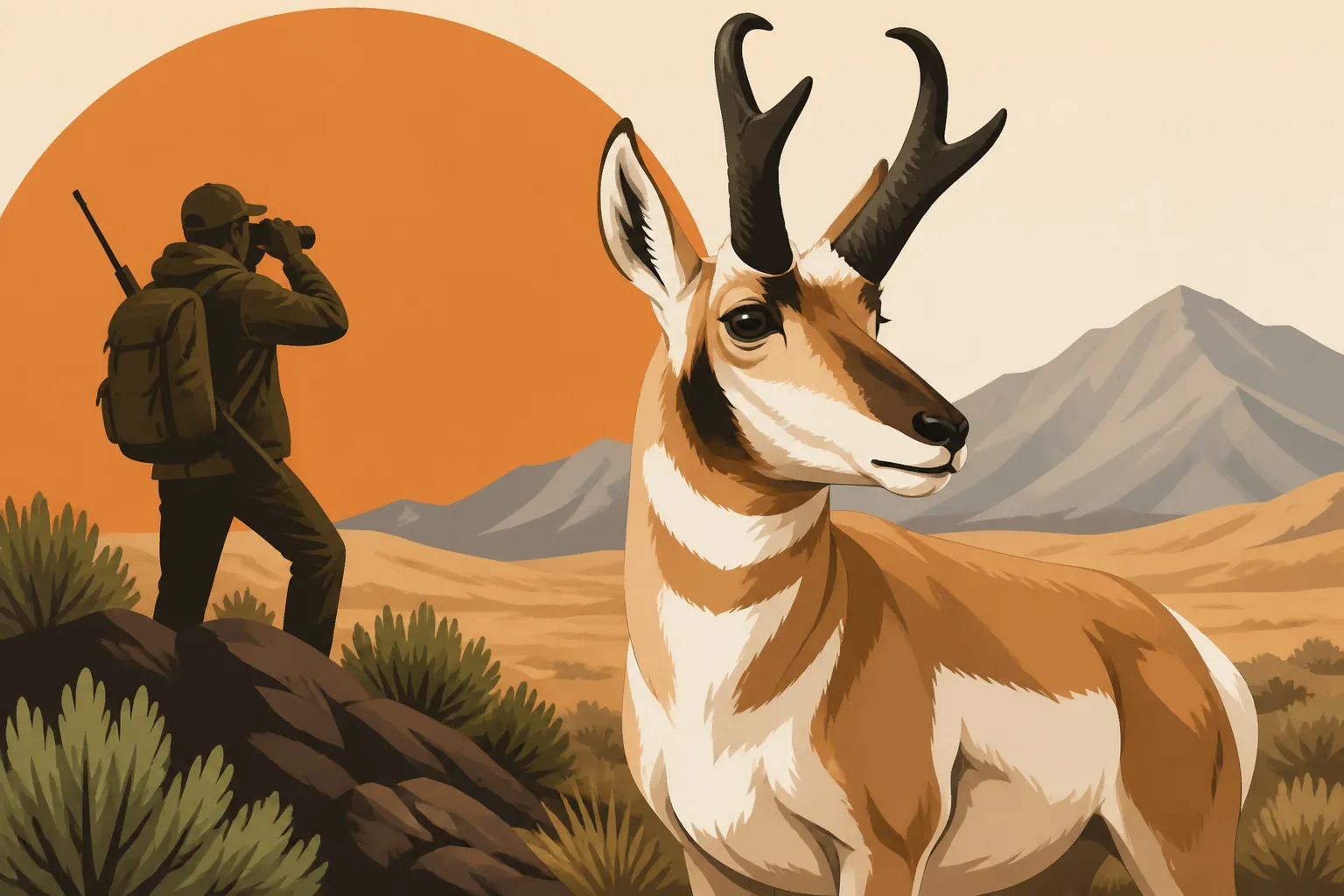
There's something truly captivating about the pronghorn. They are North America's fastest land animal, capable of incredible bursts of speed, and they thrive in environments where cover is scarce. For hunters, this translates into a unique pursuit that relies heavily on spotting them from immense distances and executing precise, often lengthy, stalks. The vastness of Nevada's sagebrush basins and rolling hills provides the perfect backdrop for these incredible animals, making a successful pronghorn hunt feel like a true accomplishment.
The challenge of drawing a tag in Nevada is significant for any big game species, and pronghorn are no exception. The draw odds can be tough, meaning that when you finally get that coveted tag, you want to make the most of it. Many hunters dream of seeing Pronghorn Across Nevada's Open Valleys, and having the opportunity to pursue them in this iconic landscape is a privilege. It’s not just about the horns; it’s about the entire experience of hunting an animal so perfectly adapted to its environment.
Common Obstacles for DIY Antelope Hunters
While the romance of a do-it-yourself (DIY) hunt is strong, the reality of hunting pronghorn in Nevada can be a harsh teacher. The sheer scale of the landscape is often the first hurdle. You might have thousands of acres of Bureau of Land Management (BLM) ground at your disposal, but finding where the pronghorn are actually concentrating can be like looking for a needle in a haystack. Unlike deer or elk that might seek thicker cover, pronghorn prefer wide-open spaces, making them incredibly difficult to approach.
Beyond locating the animals, the stalk itself is an art form. Pronghorn have incredible eyesight—some say equivalent to an 8x binocular—and can spot movement from miles away. The terrain, while appearing flat, is often riddled with subtle rises and dips that demand an intimate understanding of how to use every bit of cover. Figuring out how to close that last several hundred yards without being seen or winded is a tactical nightmare for the uninitiated. Add to this the challenge of accurately judging distance in such open country, and reading the notoriously fickle desert winds, and you quickly realize why many DIY hunters struggle to get within shooting range. Many successful hunts revolve around Reading Water Sources Before an August Hunt, but even then, getting close is not guaranteed.
How a Nevada Outfitter Elevates Your Antelope Hunt
Bringing a professional Nevada outfitter into your hunt isn't just about hiring a guide; it's about unlocking years of accumulated knowledge, countless hours of scouting, and specialized field skills that can turn a challenging tag into a successful outcome.
Pre-Scouting and Unit Knowledge
One of the most significant advantages an outfitter brings to the table is their unparalleled pre-season scouting effort and intimate knowledge of specific hunting units. While you might spend a few weekends looking at maps and driving dusty roads, an outfitter often invests weeks, if not months, watching patterns, locating herds, and identifying trophy bucks. They know the subtle nuances of the land—where the pronghorn water, where they bed down during different times of the day, and which areas consistently hold bigger animals.
This deep understanding means they can put you on animals much faster and more efficiently. Instead of driving around blindly hoping to spot something, you'll be actively hunting prime areas from day one. They understand the topography, the game movement, and often even how the weather will affect animal behavior. This isn't just about saving time; it's about maximizing your limited hunting days, especially when you've finally drawn that coveted tag. Knowing where to start your hunt is half the battle in Nevada's immense landscape, and an outfitter comes equipped with that crucial information. You might have E-Scouting a Nevada Unit Before the Season from home, but an outfitter has boots on the ground.
Expertise in Stalking and Field Judging
Pronghorn are often described as the most challenging animal to stalk in North America, and for good reason. Their exceptional eyesight, coupled with their preference for wide-open spaces, means getting within shooting range is a masterclass in stealth and patience. A seasoned outfitter brings years of experience in reading pronghorn behavior, understanding how they react to pressure, and expertly utilizing every fold in the terrain to orchestrate a successful approach. They can teach you the subtle art of Closing the Last Hundred Yards on a Pronghorn by using draws, small rises, and even the direction of the sun to remain undetected.
Furthermore, an outfitter's ability to quickly and accurately field judge a buck at extreme distances is invaluable. They can often tell within moments if an animal is a shooter, saving you precious time and effort on stalks that might lead to a smaller buck. This skill, honed over many seasons, ensures that you are pursuing the caliber of animal you desire, maximizing the trophy potential of your hard-earned tag. Their intimate knowledge of specific units might even mean they have a particular buck patterned, allowing them to lead you directly to a mature animal. This level of expertise can truly elevate the quality of your hunt.
Logistics and Field Support in Remote Country
Hunting Nevada's vast, remote landscapes involves significant logistical challenges that can quickly overwhelm a DIY hunter. From navigating miles of undeveloped dirt roads to setting up comfortable camp and managing essential supplies, the details can consume valuable hunting time and energy. A guided hunt handles all of these complexities, allowing you to focus entirely on the pursuit.
Outfitters typically provide robust vehicle support, often 4×4 trucks or UTVs, essential for covering the expansive distances and traversing rugged terrain. They manage all the camp logistics, from cooking delicious meals to setting up comfortable sleeping arrangements, whether it's a wall tent camp or a nearby motel. Most importantly, when you successfully harvest an animal, they handle the often arduous task of field dressing, packing out, and cooling the meat. Packing an Animal Out of Roadless Country in Nevada's heat can be a monumental task, and having experienced help with this critical step ensures your hard-won trophy doesn't go to waste. This comprehensive support means you expend your energy where it matters most: on the hunt itself.
Understanding the Costs and Inclusions of a Guided Antelope Hunt
Investing in a guided antelope hunt is a significant decision, and understanding the financial aspects is crucial. While it represents a higher upfront cost than a DIY hunt, the value often lies in the dramatically increased success rates and the seamless experience provided.
Typical Price Ranges and What's Covered
A guided antelope hunt in Nevada is an investment, but one that many hunters find well worth it given the effort required to draw a tag and the unique challenges of the hunt. Prices can vary quite a bit depending on the outfitter's reputation, the duration of the hunt, the type of accommodations, and the guide-to-hunter ratio (e.g., 1-on-1 vs. 2-on-1). Generally, you can expect a guided antelope hunt in Nevada to include the professional services of an experienced guide, all in-field transportation (often in comfortable 4×4 vehicles), meals (which can range from simple camp cooking to gourmet fare), and lodging.
Lodging might be a comfortable wall tent camp with cots and heaters, a local motel, or even a ranch house, depending on the unit and outfitter. Many outfits also include basic field dressing and caping services. When you're researching, platforms like BookYourHunt can give you an idea of typical offerings and price points from various outfitters. Always read the contract carefully to know exactly what's covered. Remember, the price for the guided service is separate from the cost of your actual hunting license and tag, which you secure through the Nevada draw process. For more specifics, you can explore Guided Antelope Hunt Pricing in Nevada.
Common Exclusions and Hidden Fees
While a good outfitter aims to provide a comprehensive experience, it's vital to be aware of what is typically not included in the base price of a guided antelope hunt. The most important exclusion, and one that trips up many first-time guided hunters, is the hunting license and big game tag itself. These are your responsibility to apply for and purchase through the state of Nevada. Do not assume they are part of the outfitter's fee.
Other common exclusions include your personal travel expenses to and from the agreed-upon meeting location (e.g., airport, local town), as well as any pre- or post-hunt lodging you might need. Once you've harvested your antelope, costs associated with meat processing (cutting, wrapping), taxidermy, and shipping of your meat or trophy back home are almost always extra. Furthermore, it's customary to tip your guide and any other camp staff (cooks, packers) for their hard work and dedication. These tips are a significant part of their income and should be budgeted for. Always clarify all potential extra costs with your outfitter upfront to avoid any surprises. Understanding What Outfitter Prices Almost Never Include can help you budget accurately for your dream hunt.
Choosing the Right Outfitter for Your Nevada Antelope Experience
Selecting the right outfitter is arguably as important as drawing the tag itself. A good outfitter can make your hunt, while a poor choice can lead to disappointment and wasted effort. Due diligence is key.
Vetting and Researching Potential Guides
When you're entrusting your precious Nevada antelope tag to an outfitter, you need to do your homework. Start by gathering a list of potential guides known for antelope in Nevada. Look for outfitters who specialize in the units you're interested in, as local knowledge is paramount. The next crucial step is to ask for references—and actually call them. Speak to hunters who have hunted with that outfitter recently, specifically for antelope, and ask detailed questions about their experience, success rates, the guide's demeanor, and how the outfitter handled any unexpected challenges.
Beyond references, verify their credentials. All legitimate Nevada outfitters and guides must be licensed by the state. You can often check this information through the Nevada Department of Wildlife (NDOW) website. Reputable outfitters will also carry appropriate insurance. Don't be shy about asking direct questions about their hunting strategy, their guide-to-client ratio, and what their typical daily routine looks like on an antelope hunt. Resources like GoHunt can be invaluable for researching unit statistics and sometimes provide outfitter information that aligns with those units, giving you a holistic view. Ensure the outfitter has a solid track record for ethical hunting practices and client satisfaction. Knowing How to Verify a Nevada Guide License is a critical step in this process.
Booking Timelines and Draw Considerations
Antelope tags in Nevada are some of the hardest to draw, making the timing of your outfitter booking a unique challenge. Many top outfitters, especially those with consistent success in highly sought-after units, book up years in advance. This means you often need to commit to an outfitter before you even know if you've drawn a tag. This might sound risky, but reputable outfitters understand this dynamic and have clear policies in place.
Most outfitters will require a deposit to secure your spot, with a contract outlining their refund or rollover policy if you fail to draw. It's imperative that you understand these terms completely before sending any money. Will your deposit be fully refunded, rolled over to the next year's application, or converted to a point-only application fee? Clarify these details. The Nevada application period typically runs from late March to mid-May, with results landing around the end of May. Many hunters try to finalize outfitter plans around When Nevada Applications Run March 23 to May 13 or shortly thereafter, knowing that once When Nevada Posts Draw Results the limited available spots will fill quickly. Don't wait until you've drawn your tag to start looking, or you might find all the best options are gone.
What to Expect on a Guided Nevada Antelope Hunt
A guided antelope hunt in Nevada is a unique and often exhilarating experience, distinctly different from hunting other big game species. Understanding the typical rhythm and demands of the hunt will help you prepare and maximize your enjoyment.
The Daily Routine and Hunting Strategy
Antelope hunts are generally characterized by early starts and extensive glassing. Your day will likely begin well before dawn, heading out to a vantage point where your guide has scouted a high likelihood of finding bucks. The primary hunting strategy for pronghorn in Nevada's open country is spotting and stalking. This means spending significant time behind binoculars and spotting scopes, systematically scanning vast landscapes for the telltale white patches of pronghorn. Glassing Nevada's Basin and Range for Mule Deer employs similar principles, but for antelope, the distances can be even greater.
Once a desirable buck is spotted, the real chess match begins. Your guide will assess the terrain, wind direction, and the animal's behavior to devise a stalk plan. This often involves long drives by vehicle to get into a general area, followed by extensive walking, crawling, and sometimes even belly-crawling through sagebrush and over rocky ground to get within shooting range. Patience is paramount; a good stalk can take hours, and often, an animal will move, requiring a complete re-evaluation or a new approach. Expect to cover a lot of ground, both by vehicle and on foot, and be prepared for multiple stalks each day.
Physical Demands and Gear Preparation
While antelope hunting in Nevada might not involve the extreme vertical climbs of a high-country sheep hunt, it's by no means a sedentary pursuit. The physical demands are significant and often underestimated. You'll spend long hours in the field, often walking for miles over uneven terrain, through sagebrush, and across rocky ground. The desert environment, especially during early seasons, can be hot and dry, making hydration and sun protection critical. Preparing Physically for Long Glassing Days is essential, as is preparing for prolonged periods of walking and potentially crawling during stalks.
Proper gear is crucial for comfort and success. High-quality optics are non-negotiable; a good pair of 10x or 12x binoculars and a reliable spotting scope are your most important tools for finding and evaluating bucks at extreme distances. Optics Power for Nevada's Long Sightlines can make or break your hunt. Comfortable, broken-in hiking boots are paramount, as are layers of clothing to adapt to the wide temperature swings typical of the high desert. Sun hats, gloves, and plenty of water are also essential. Listen to your outfitter's gear list; it's based on years of experience in that specific environment.
Comparison: DIY vs. Guided Antelope Hunting in Nevada
| Feature | DIY Antelope Hunt | Guided Antelope Hunt |
|---|---|---|
| Time Investment | High (scouting, planning, logistics, hunting) | Low (outfitter handles most planning and logistics) |
| Local Knowledge | Acquired through personal research and experience | Extensive, specialized knowledge from outfitter |
| Success Odds | Highly variable, often lower for first-timers | Generally significantly higher |
| Physical Demands | Can be high, with added stress of logistics | High, but focused purely on hunting, not logistics |
| Cost | Lower upfront for hunting expenses | Higher upfront investment for outfitter services |
| Support | Self-reliant, solo or with hunting partners | Professional guide, camp staff, vehicle support |
| Learning Curve | Steep, involves trial and error | Accelerated, learning directly from experienced pros |
Conclusion
A Nevada antelope tag is a prized possession, representing years of patience in the draw and a unique opportunity to hunt one of North America's most fascinating big game animals. While the idea of a DIY hunt holds a certain appeal, the inherent challenges of pursuing these keen-eyed, fleet-footed creatures across Nevada's vast, open country often prove overwhelming for the uninitiated. Choosing a guided antelope hunt with a reputable outfitter is more than just a convenience; it's a strategic decision that dramatically enhances your chances of success, allows you to fully immerse yourself in the thrill of the chase, and minimizes the logistical burdens that can detract from the experience. By leveraging an outfitter's deep unit knowledge, expert stalking skills, and comprehensive field support, you can transform that hard-earned tag into a truly unforgettable Nevada hunting adventure.
Disclaimer
This article is for general informational purposes only and does not constitute professional advice. Laws, prices and regulations vary by location and change over time. Consult a qualified professional for guidance on your specific situation.