Where Desert Bighorn Live in Nevada
There's something truly majestic about the desert bighorn sheep in Nevada. For many hunters, just seeing one of these magnificent animals in their rugged, high-desert domain is an experience of a lifetime, let alone drawing a tag. But knowing where to even begin looking for them across Nevada's vast and unforgiving landscape can feel like trying to find a needle in a haystack made of sharp rock and endless sagebrush. This guide is dedicated to pulling back the curtain on the desert bighorn's preferred haunts, giving you a clearer picture of their habitat and the specific mountain ranges where these elusive animals truly thrive.
The Desert Bighorn's Chosen Home: Understanding Their Habitat in Nevada
When you think of Nevada, you likely picture vast, open country, sagebrush flats, and dramatic mountain ranges. This is precisely the kind of rugged, arid, and often isolated terrain that the desert bighorn calls home. Unlike their Rocky Mountain cousins who prefer timbered peaks, Nevada's desert bighorns are masters of the high, dry, rocky slopes and canyons. They are perfectly adapted to environments that would send other ungulates packing for greener pastures, often preferring areas with less human disturbance and difficult access.
Their habitat choices aren't random; they're driven by a combination of survival necessities. First and foremost, bighorns need steep, broken, and rocky terrain for escape cover. Predators like mountain lions, coyotes, and even eagles pose a constant threat, and those sheer rock faces and narrow ledges are their primary defense. They can navigate terrain that would be impassable for anything else, giving them a significant advantage. This means you'll rarely find them wandering out into flat, open valleys for extended periods, though they might venture down for water or choice forage if the escape cover is close at hand.
Beyond escape cover, water sources are a critical, often limiting, factor for desert bighorn populations, especially during the scorching Nevada summers. While they can go for extended periods without drinking directly, relying on moisture from vegetation, they still need dependable water sources, whether it's a natural spring, a seasonal seep, or one of the many man-made guzzlers scattered across the landscape. Understanding these water sources can be key to patterning bighorn movement, as they'll often be found within a reasonable distance of a reliable drink. You can learn a lot about these crucial resources by exploring Hunting Water in Nevada's Driest Country and Finding Guzzlers and Springs on a Map.
Finally, forage is essential. While the desert might look barren to the untrained eye, bighorns are highly selective grazers and browsers, feeding on a variety of grasses, forbs, and shrubs. They prefer higher quality forage, and their diet can shift seasonally depending on availability. The slopes they inhabit often feature a mix of these plants, providing the sustenance they need to survive and grow those impressive horns. The overall health and density of these food sources can directly impact the local bighorn population's health and distribution.
Nevada's Bighorn Strongholds: Key Mountain Ranges and Units
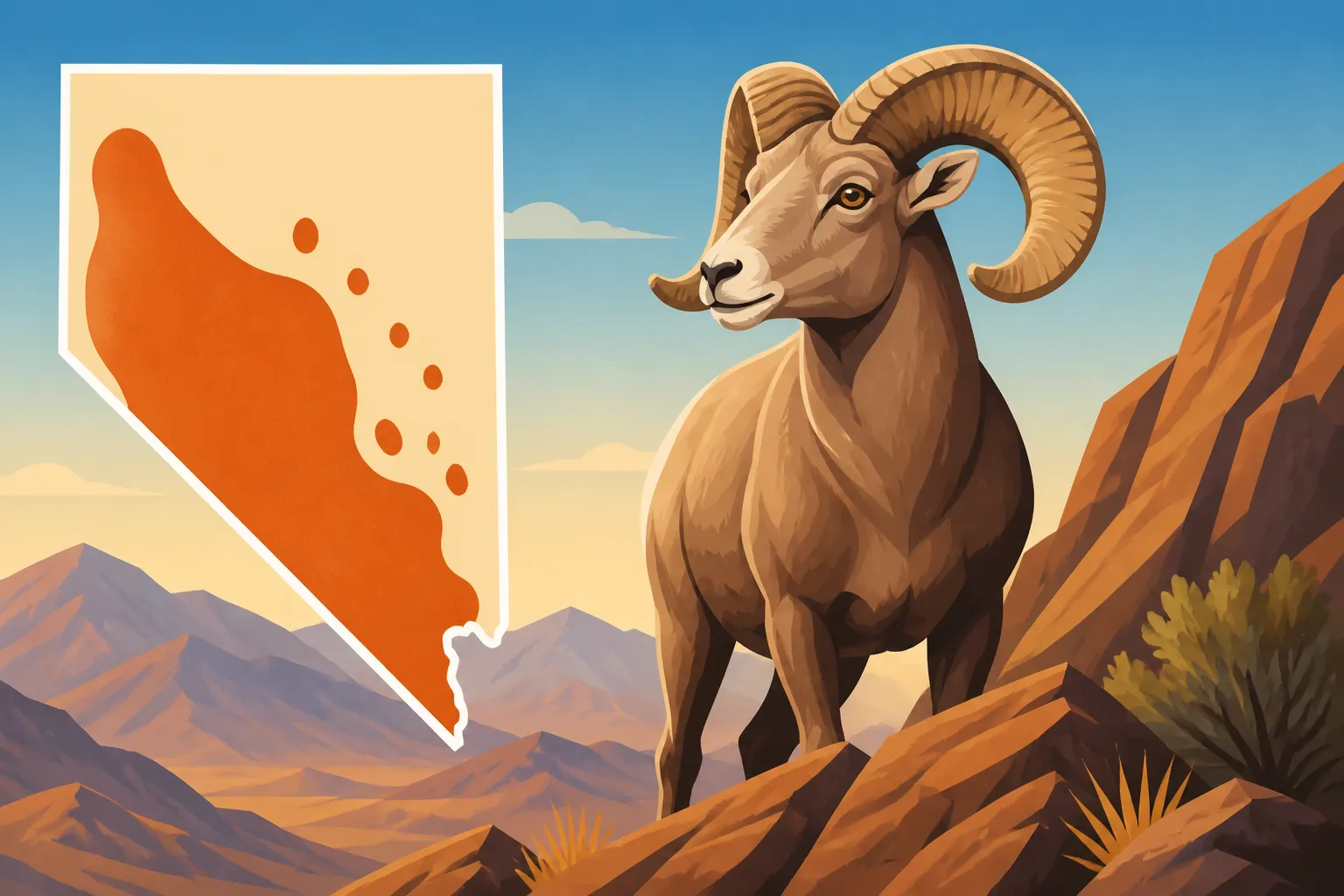
Nevada is fortunate to host not just one, but all three subspecies of bighorn sheep: Desert, California, and Rocky Mountain bighorns. While the question focuses on the Desert Bighorn, it's worth noting the distinction. Desert bighorns are predominantly found in the central and southern portions of the state, extending into the western ranges. These are the animals most people visualize when they think of Nevada sheep hunting.
Across Nevada's vast stretches, several mountain ranges stand out as prime desert bighorn territory. These aren't necessarily "easy" places to hunt, but they are where the populations are strongest and the habitat is most suitable.
- Southern Nevada's Rugged Ranges: This is arguably the heart of Nevada's desert bighorn country. Ranges like the Sheep Range, Muddy Mountains, Mormon Mountains, and the Spring Mountains (home to the famed Desert National Wildlife Refuge) consistently hold strong populations. These areas are characterized by extremely steep, rocky, and often remote terrain, making them ideal bighorn habitat. The harshness of the environment often means less human encroachment, further benefiting the sheep. Hunters fortunate enough to draw tags in units like 268 or 271 know they're in for a physically demanding but potentially rewarding experience. While the Desert National Wildlife Refuge has specific access rules, the surrounding public land, largely BLM ground, offers extensive opportunities. For insights into general public land hunting, check out BLM Ground Is Where Most Nevada Hunting Happens.
- Central Nevada's Isolated Peaks: As you move northward into central Nevada, the bighorn populations become a bit more scattered, but significant herds still thrive in isolated mountain ranges. The Stillwater Range, Clan Alpine Mountains, Pilot Mountains, and the Grant Range are notable examples. These ranges, while perhaps not as iconic as some southern areas, offer excellent habitat and often fewer roads, contributing to their wild character. They demand serious scouting and physical preparation, but can offer incredible solitude alongside the chance at a magnificent ram.
- Western Nevada's Transitional Zones: Along the western edge of Nevada, particularly in areas like the Wassuk Range and parts of the Pine Nut Mountains, you'll find desert bighorn in a more transitional habitat, sometimes bordering on areas where California bighorns might also be present. These areas can be incredibly challenging due to varying snow depths in winter and extremely arid conditions in summer, but the bighorns here are tough and resilient.
When you're looking at specific hunt units, information from resources like GoHunt can be invaluable. Their insights into draw odds, unit breakdowns, and historical harvest data can help you narrow down which units offer the best chances for a particular experience. You can also explore Reading a Nevada Hunt Unit Before You Apply to decipher unit numbers and boundaries.
Here’s a simplified overview of some key desert bighorn ranges in Nevada:
| Region | Key Mountain Ranges | General Characteristics | Key Considerations |
|---|---|---|---|
| Southern NV | Sheep Range, Muddy Mountains, Mormon Mountains, Spring Mountains, McCullough Range | Extremely rugged, hot, very arid, vast wilderness potential | Requires significant water planning and physical stamina |
| Central NV | Stillwater Range, Clan Alpine Mountains, Pilot Mountains, Grant Range, White Pine Range | Remote, isolated, diverse flora, often fewer roads | Intense scouting needed; less consistent snowpack |
| Western NV | Wassuk Range, Pine Nut Mountains | Transitional habitat, varied elevation, closer to population centers | Access points may be more numerous; potential for mixed bighorn species |
Remember, this is a generalization. Each unit and range has its unique topography, water sources, and specific herd dynamics. The Nevada Department of Wildlife (NDOW) provides detailed maps and information that are crucial for any serious bighorn hunter.
Beyond Location: Factors Influencing Bighorn Presence and How to Scout
Knowing the general areas where desert bighorn live is just the first step. To increase your chances of finding them, whether you're scouting or holding a tag, you need to understand the more nuanced factors that influence their presence and how to practically apply that knowledge.
Water is Life in the Desert: We touched on it, but it bears repeating: water is the limiting factor for bighorns. A strong, reliable water source during dry periods can be a magnet for sheep. This doesn't just mean visible springs; it can be small seeps in rock crevices, rainwater catchments (guzzlers), or even pockets of snow that persist late into the spring. Using mapping tools, including those offered by platforms like GoHunt, to identify every potential water source in your chosen unit is paramount. Then, during scouting, verifying these sources and looking for bighorn sign around them is a high-priority task. You might find yourself Sitting Water on a Nevada August Hunt if conditions are particularly dry.
Forage and Nutritional Needs: While they are generalists to an extent, bighorns thrive on certain types of forage. They often move between different elevation bands and aspects to find the freshest, most nutritious vegetation throughout the year. After a good rain, new growth can draw them to areas that might typically be drier. Conversely, during extended droughts, they'll concentrate on areas that hold moisture longer. Observing what they are eating (when you get close enough to see it!) can provide clues to their preferred diet in a specific area.
Historical Transplants and Herd Management: Nevada's bighorn herds have a fascinating history, with many populations established or augmented through dedicated transplant programs. Nevada Bighorn Transplant Programs have moved sheep from thriving populations to suitable but vacant habitats, or to bolster existing, struggling herds. NDOW biologists regularly monitor these herds, and understanding how they How Nevada Counts Bighorn From the Air and manage different units can give you a better sense of population health and distribution. This biological data, often available through NDOW's website or in draw statistics reports, can highlight areas where herds are stable or growing. Why Nevada Transplants Sheep Between Ranges illustrates the strategic thinking behind these efforts.
Predator Pressure and Human Disturbance: Bighorns are acutely aware of predators and human presence. Areas with consistent mountain lion activity might see sheep adjust their movements or spend more time in extremely steep, secure terrain. Similarly, high human traffic from hikers, off-road vehicles, or even other hunters can push bighorns into more remote, less accessible areas. While Nevada has vast public lands, areas designated as Wilderness or Wilderness Study Areas (WSAs) often see less motorized travel, providing a sanctuary that bighorns appreciate.
Effective Scouting Strategies: Given their habitat, glassing is undoubtedly the most effective way to locate desert bighorn. This isn't a walk-and-stalk game for most. You'll need good optics – powerful binoculars on a tripod and a high-quality spotting scope – to systematically pick apart the vast, broken landscapes they inhabit. Setting up on a high vantage point at first light and last light, methodically "grid glassing" the opposite slopes and canyons, is key. Think about using The Grid Glassing Method, Step by Step to ensure you're covering every inch of potential habitat. Platforms like GoHunt with their mapping features allow you to e-scout extensively, identifying potential travel corridors, escape routes, bedding areas, and water sources long before you ever set foot in the field. This can significantly reduce the amount of "boots on the ground" time needed to locate animals. Remember, the goal is often not to climb to where you see a sheep, but to identify where they want to be and then plan an approach from a different, less obvious angle.
It's a challenging endeavor, hunting desert bighorn, but that's precisely what makes drawing one of those coveted tags so special. By understanding their habitat preferences, knowing the strongholds, and employing smart scouting techniques, you'll be much better prepared for the incredible journey of pursuing these magnificent animals in the Silver State.
Disclaimer
This article is for general informational purposes only and does not constitute professional advice. Laws, prices and regulations vary by location and change over time. Consult a qualified professional for guidance on your specific situation.