Guided Antelope Hunt Pricing in Nevada
Dreaming of a Nevada antelope hunt is one thing, but figuring out the financial side of hiring a guide can feel like navigating a maze blindfolded. Many hunters, especially those coming from out of state, struggle to understand the real investment involved, often getting sticker shock or, worse, being surprised by hidden fees. This guide is here to pull back the curtain, helping you understand the typical costs associated with a guided antelope hunt in Nevada, what influences those prices, and how to find the right outfitter for your budget and expectations.
Understanding the Investment: What Goes Into a Guided Antelope Hunt
When you start looking into a guided antelope hunt in Nevada, the prices you see can feel like they're all over the map. It's not just a simple "X dollars for an antelope hunt." There are so many moving parts that contribute to the overall investment, and understanding these components is key to finding a hunt that matches your expectations and your wallet. Think of it less as a single price tag and more as a package deal with various layers of service and convenience built-in.
The Foundation of Outfitter Costs
At its core, a guided hunt involves an outfitter providing expertise, equipment, and access. For antelope in Nevada, this often means covering vast stretches of high desert and sagebrush country where these speedsters roam. Outfitters have significant overheads: they need reliable vehicles capable of navigating rough, remote roads, quality optics for spotting those distant antelope, fuel, food for clients and staff, and wages for their guides. They also invest in extensive scouting long before you ever arrive, identifying prime areas and patterning herds, which takes time, effort, and more fuel. All of these operational costs are factored into the price you see.
Beyond the basic operational costs, outfitters carry a substantial burden of licensing and permitting. In Nevada, guides aren't just licensed by the state; many also need federal permits to operate on the vast tracts of public land, like BLM ground, which makes up the majority of hunting territory. This process is time-consuming and can involve significant fees, all of which ensure they are operating legally and safely. It's not just about knowing where the antelope are; it's about having the legal right to take clients there and provide services, which is a big part of what you're paying for.
The Allure of Nevada Pronghorn
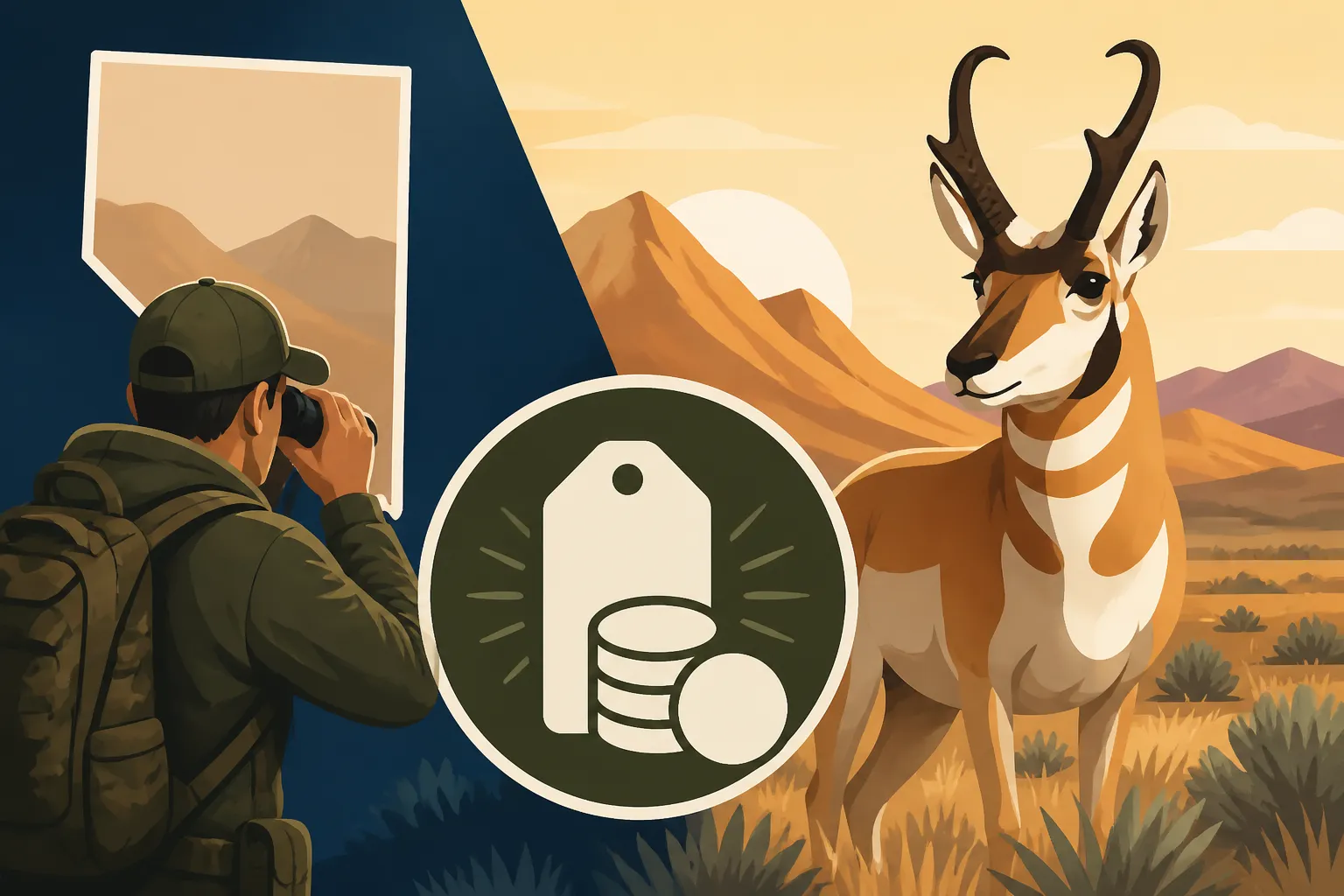
Nevada's open country is prime habitat for pronghorn, often called antelope, though they are distinct from true antelope species found elsewhere in the world. Their incredible speed and keen eyesight make them a challenging pursuit, which adds to the appeal of hiring an experienced guide. Pronghorn Across Nevada's Open Valleys describes the kind of terrain and the unique challenge. A good guide can significantly increase your chances of success, not just by helping you locate animals but by devising a strategic approach in wide-open spaces where cover is minimal. This specialized knowledge and the ability to read the landscape and the animals are what truly define a quality guided experience, contributing to the perceived value and, therefore, the price.
Moreover, the success rates for drawing a coveted Nevada antelope tag are not always high, making the tag itself a valuable commodity. When you finally draw that tag, many hunters want to maximize their chances with a guide who lives and breathes this country. The desire for a successful, high-quality experience on a hard-won tag often justifies the investment in a guide who knows the nuances of Reading Antelope Body Language on a Stalk and Closing the Last Hundred Yards on a Pronghorn.
Factors That Drive Antelope Hunt Costs
Understanding the baseline for outfitter costs is a good start, but what specifically makes one guided antelope hunt cost more than another? It's often a combination of services, duration, the outfitter's reputation, and even the time of year. These variables can swing the price considerably, making it crucial to compare offerings carefully.
Hunt Duration and Inclusions
The length of your hunt is a primary driver of cost. Most guided antelope hunts run for a few days, typically between three to five hunting days. A longer hunt usually means a higher price, as it accounts for more guide time, more meals, more fuel, and additional lodging if applicable. However, it also often means more opportunities to find a quality animal, especially if the weather changes or the antelope aren't cooperating immediately.
Beyond just the days in the field, what's included in the price is vital. A "fully guided" hunt often includes accommodations (which could be a comfortable lodge, a wall tent camp, or even a basic motel), all meals, transportation during the hunt, field dressing, and caping. A "semi-guided" or "drop camp" option will naturally be less expensive because you're responsible for more of the logistics, such as your own food and lodging. Always get a detailed list of inclusions and exclusions before committing. For instance, some outfitters might include airport pickup, while others expect you to arrive at a designated meeting point.
Outfitter Reputation and Success Rates
Just like in any industry, reputation matters. Outfitters with a long-standing history of high success rates, exceptional client testimonials, and a track record of ethical hunting practices often command higher prices. These are the guides who consistently put clients on quality animals and ensure a memorable, well-run hunt. They've likely invested years, if not decades, in learning specific units and understanding Hunting Water in Nevada's Driest Country or the unique patterns of game in their areas.
You might also find outfitters specializing in "trophy" hunts, specifically targeting larger, older bucks. These hunts typically come with a premium price tag, reflecting the increased scouting, effort, and sometimes longer duration required to find and harvest a truly exceptional animal. It's worth noting that while a guide can increase your chances, no outfitter can guarantee a trophy or a harvest. However, a reputable outfitter will be transparent about their typical success rates and the caliber of animals their clients usually take. Resources like BookYourHunt or GoHunt can offer data on outfitter reputations and historical draw odds for specific units, helping you make informed decisions.
Location, Terrain, and Logistical Challenges
Nevada is a vast state, and the accessibility and remoteness of a particular hunting unit can influence the outfitter's cost. Hunting in units with good road access and relatively flat, open terrain might be slightly less expensive on the logistical side compared to units that require extensive off-road travel, horseback packing, or arduous hiking into more rugged landscapes. Some units, while potentially offering great hunting, present significant challenges in terms of getting vehicles in and out, or even just reaching remote water sources.
The type of terrain also impacts the effort required from the guides. A hunt in relatively flat, easily glassed valleys might be less physically demanding for both hunter and guide than one requiring navigating steep canyons or broken country to locate and stalk antelope. Reading a Nevada Hunt Unit Before You Apply can give you an idea of the varied landscapes you might encounter. Outfitters factor these logistical complexities and the associated wear and tear on equipment (and guides!) into their pricing.
What to Expect From a Nevada Antelope Outfitter
When you're shelling out your hard-earned money for a guided hunt, you want to know exactly what you're getting. It's not just about the final price tag, but the value and service delivered. Understanding the typical package, the additional costs you might encounter, and the role of the outfitter helps set realistic expectations.
Typical Services Included in a Guided Hunt
A standard guided antelope hunt in Nevada usually provides a comprehensive experience designed to maximize your chances and comfort. This often includes:
- Professional Guide Service: This is the core offering – experienced guides who know the unit, understand antelope behavior, and can help you Judging a Mule Deer Buck at Distance (and apply that skill to pronghorn) and execute a successful stalk.
- Transportation: From a designated meeting point, guides typically provide 4×4 vehicle transportation throughout the hunting area. Given the expansive nature of Nevada's public lands, this is crucial. Motorized Travel Rules on Nevada Public Land are important to understand, as guides must adhere to them.
- Accommodations: Depending on the outfitter and price point, this could range from a comfortable motel room to a fully-equipped wall tent camp on public land. For more remote hunts, it might involve spike camps closer to the hunting action.
- Meals: Most guided hunts include all meals, from hearty breakfasts before dawn to dinners after a long day in the field, plus packed lunches and snacks.
- Field Care: Once an antelope is harvested, the guide will typically handle field dressing, caping (preparing the hide and skull for taxidermy), and often quartering the meat for transport back to a processing facility. Field Dressing in August Heat is a critical skill in Nevada, especially for early antelope seasons.
It's always smart to get a written agreement detailing all inclusions and exclusions. This eliminates surprises and ensures both parties are on the same page regarding the hunt's logistics and scope.
Potential Additional Costs to Budget For
While the base price covers a lot, there are almost always additional costs you'll need to factor into your total budget. These are not hidden fees, but rather standard expenses that are typically the hunter's responsibility.
| Item | Description |
|---|---|
| Nevada Hunting License | Required for all hunters. This is separate from the tag. Non-residents will need a The Nonresident Nevada Combination License which can be a significant cost. |
| Antelope Tag Fee | The actual tag you drew. The cost varies by residency. Nevada Antelope Tag Pricing for Nonresidents is usually higher than resident fees. |
| Travel Expenses | Airfare to Nevada (e.g., Reno or Las Vegas, then drive to the meeting point), rental car (if needed before/after the hunt), fuel, and any pre- or post-hunt lodging. |
| Meat Processing & Shipping | Once the animal is field-dressed, you'll need to pay a butcher to process the meat and, if you're not driving home, ship it. |
| Taxidermy | If you plan to mount your trophy, taxidermy fees are a separate cost. Guides can often provide referrals to local or preferred taxidermists. |
| Gratuities for Guides | Tipping your guide is customary and a significant part of their income, typically based on a percentage of the hunt cost or a daily rate, reflecting their hard work and effort. |
| Personal Gear | Hunting clothes, boots, rifle, ammunition, optics, and other personal items aren't usually provided. |
| Pre/Post Hunt Meals | Any meals before meeting your guide or after you depart are typically on your dime. |
| Taxidermy Shipping | If your taxidermist is out of state, there will be shipping costs for your mount. |
The Role of an Outfitter in Securing Your Hunt
An outfitter isn't just a guide; they're often your first point of contact for navigating the Nevada draw system if you're an out-of-state hunter. While they can't apply for you, many will provide advice on which units to apply for based on their experience and your trophy goals. They can explain how Nevada Squares Your Bonus Points Into Draw Chances and the importance of strategy in the draw.
Many outfitters book clients months, even a year or more, in advance, particularly for highly sought-after species like antelope. It's not uncommon to put down a deposit before you even know if you've drawn a tag. Reputable outfitters will have clear policies on refunds or rolling over deposits if you're unsuccessful in the draw. This pre-booking is a critical part of the outfitter's business model, allowing them to plan their season and manage their guides. So, if you're considering a guided hunt, start researching outfitters well before the Nevada application deadline, which runs Nevada Applications Run March 23 to May 13.
Finding the Right Guide for Your Budget
With such a wide range of pricing and services, selecting the right guide requires careful research. It's about aligning your expectations for the hunt with what an outfitter offers and what you're prepared to spend. Don't be afraid to ask a lot of questions.
Researching and Comparing Outfitters
Start your research early. Many hunters use online directories like BookYourHunt to find and compare outfitters, read reviews, and get a general sense of pricing. Other platforms, like GoHunt, offer valuable resources for understanding draw odds and unit characteristics, which can indirectly help you vet an outfitter's claims about a particular area. Once you have a shortlist, reach out to multiple outfitters. Don't just look at the price, but compare what's included in their packages. One outfitter might seem more expensive initially, but if they include things like airport transfers or a more elaborate camp, the value might be there.
When you contact an outfitter, ask direct questions about their pricing structure, what exactly is included, and any potential additional costs. Inquire about the duration of the hunt, the accommodations, the guide-to-hunter ratio, and their philosophy on hunting. For example, some outfitters prefer to put in long stalks, while others might focus more on glassing and waiting out antelope. Ask for references from past clients and follow up on those references. A reputable outfitter will be happy to provide them. Pay attention to how quickly and thoroughly they respond to your inquiries; good communication is a strong indicator of a professional operation.
Asking the Right Questions About Pricing
To avoid any surprises, have a comprehensive list of questions ready when you talk to potential outfitters.
- "What is the total price for a guided antelope hunt, and what does that include?" This is your baseline. Get specifics on meals, lodging, transportation, and field care.
- "What costs are not included?" This will cover licenses, tags, meat processing, taxidermy, and, crucially, gratuities. Knowing these upfront helps you build a realistic budget.
- "What is your refund policy if I don't draw a tag?" This is especially important for Nevada, where draw odds can be challenging. Understand if your deposit is fully refundable, partially refundable, or if it rolls over to the next year's application cycle.
- "What is the typical size of antelope taken on your hunts?" While not directly about price, this helps align your trophy expectations with the hunt's cost. A "trophy hunt" will inherently cost more due to the specialized effort involved.
- "What is your guide-to-hunter ratio?" A 1:1 ratio (one guide per hunter) typically costs more but offers more personalized attention than a 2:1 ratio.
- "What are the physical demands of this hunt?" This helps you prepare and ensures you're capable of participating fully. Some hunts involve more walking and stalking than others. Preparing Physically for Long Glassing Days or Preparing for Long Days in Open Terrain can be critical for success.
By asking these detailed questions, you're not just negotiating price, you're investing in a clear understanding of the experience you're buying, ensuring it aligns with your vision of a successful Nevada antelope hunt.
Disclaimer
This article is for general informational purposes only and does not constitute professional advice. Laws, prices and regulations vary by location and change over time. Consult a qualified professional for guidance on your specific situation.