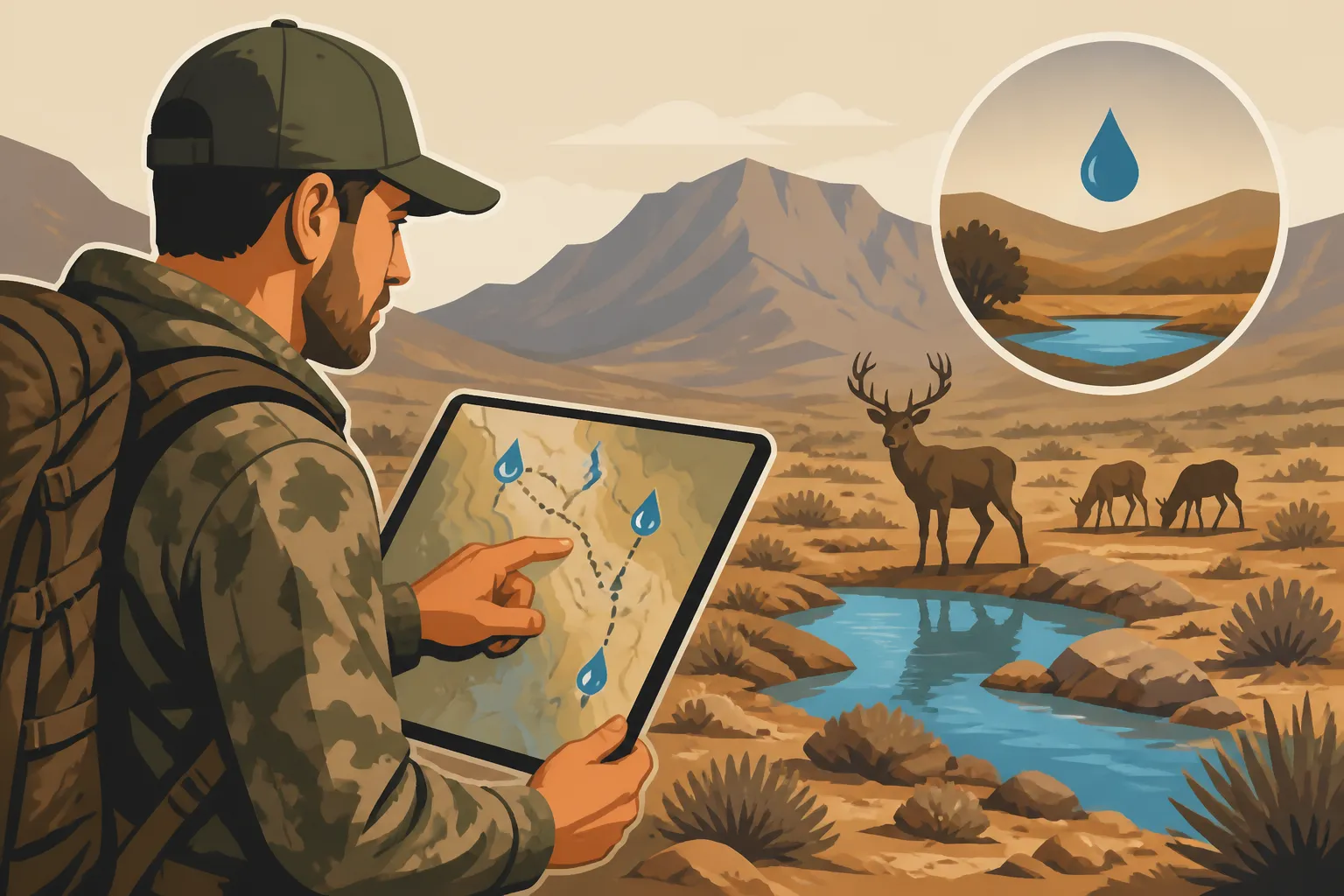
How Outfitters Plan Around Water Sources
Hunting in Nevada is an incredible experience, but it’s also a masterclass in adaptation, especially when it comes to the relentless influence of water. Many hunters arrive with visions of vast sagebrush flats and towering mountain ranges, but the stark reality is that success often hinges on understanding and locating the most precious resource in this arid environment: water. For seasoned outfitters, planning a hunt around water sources isn't just a strategy; it's the foundational pillar of their entire approach, a constant consideration that dictates everything from scouting routes to ambush points. This guide will dive deep into how these professionals meticulously integrate water into every phase of their hunt planning, revealing insights that can transform your own approach to the Silver State's challenging terrain.
The Indispensable Role of Water in Nevada's Arid Landscape
Let's be real: Nevada is largely a desert, and water is the ultimate currency for survival, for both wildlife and humans. You might think about glassing vast expanses for deer or elk, but those animals aren't just roaming aimlessly; their movements are tightly tethered to where they can quench their thirst. Without understanding this fundamental truth, you're essentially hunting in the dark, no matter how good your optics are.
Think about the sheer stress of living in an environment where reliable water is scarce. Every creature, from a tiny rabbit to a massive bull elk, faces this daily challenge. This isn't just a luxury; it's a non-negotiable requirement for metabolic function, digestion, and staying cool in brutal heat. For outfitters, this isn't abstract biology; it's actionable intelligence. They know that in many units, especially the drier ones, finding game is synonymous with finding water. They understand that even a small, seemingly insignificant seep can become a critical hub of activity, drawing animals from miles around. Hunting Water in Nevada's Driest Country isn't just a suggestion; it's often the only way to consistently find success.
The timing of the season also plays a huge role in how animals interact with water. During an August archery hunt, when daytime temperatures can easily soar into the triple digits, animals need to drink frequently, often multiple times a day. Their bodies are working overtime to regulate temperature, and hydration is key. As the season progresses into cooler months, their water needs might decrease slightly, but the necessity remains. Even in the late rifle seasons, when temperatures are dropping, animals still need consistent access to water, and these sources can become predictable patterns for a savvy hunter. Outfitters know these seasonal shifts and adjust their focus accordingly, understanding that a dry August spring might be a trickling, but still vital, water source in October.
Identifying Key Water Sources: What Outfitters Look For
Nevada's landscape is a mosaic of different terrain, and with that comes a variety of water sources, each with its own quirks and importance. An outfitter isn't just looking for "water"; they're meticulously analyzing what kind of water, its reliability, and how game animals are interacting with it. This nuanced understanding is what separates a lucky hunter from a consistently successful one.
One of the most crucial types of water sources are natural springs. These are often hidden gems, tucked away in draws, canyon bottoms, or at the base of rock formations where groundwater naturally surfaces. They can be incredibly valuable because they're often remote, providing undisturbed drinking opportunities for wary game. However, their reliability can vary wildly. Some are perennial, flowing year-round, while others are seasonal, drying up completely by late summer or during drought years. Outfitters spend countless hours scouting these, looking for the tell-tale green-up of vegetation around them, a sure sign of consistent moisture, and more importantly, fresh game trails leading to and from the source. They're often the lifeblood of game populations in the truly remote, roadless areas.
Then there are the guzzlers. These are man-made water developments, typically installed by wildlife agencies and conservation groups to provide reliable water in arid regions. They're engineered to collect rainwater or dew and store it in underground tanks, dispensing it into small drinkers accessible to wildlife. Guzzlers are often strategically placed in areas lacking natural water and can be absolute magnets for game. How Guzzlers Concentrate Desert Game is not an exaggeration; these can literally hold an entire herd of animals in a unit. Outfitters will key in on guzzlers because of their reliability, especially during prolonged dry spells. While they can sometimes see more pressure from other hunters due to their known locations, a smart outfitter knows how to approach them carefully, often setting up to glass trails leading to the guzzler rather than sitting right on top of it.
Ephemeral water sources are less reliable but can be incredibly productive immediately after a rain event. These are temporary puddles in washes, rock depressions, or low-lying areas that collect runoff. While they won't last long, a sudden thunderstorm can create temporary hotspots, drawing animals who take advantage of the fresh, easily accessible water. An outfitter keeps an eye on the weather, knowing that a mid-hunt downpour can completely shift animal movement patterns, opening up new opportunities.
Finally, where they exist, rivers and creeks are undeniable game magnets. While much of Nevada is dry, there are areas with perennial streams or larger rivers that cut through the landscape. These aren't just drinking spots; they're major travel corridors, providing cover, forage, and consistent water. Hunting along these riparian zones requires a different approach, as game might be more spread out but consistently present. For elk hunters, understanding wallows is also paramount, particularly during the early archery season. A wallow is a muddy depression, often fed by a spring, where elk will cool off, cover themselves in mud, and interact. Hunting a Wallow During Early Archery can be incredibly effective, as bulls will often visit these sites during the rut.
Here’s a quick overview of how outfitters consider these different water sources:
| Water Source Type | Reliability (General) | Game Attraction (General) | Primary Scouting Focus | Tactical Use (Outfitter Perspective) |
|---|---|---|---|---|
| Natural Spring | Variable (seasonal) | High | Green-ups, game trails, remoteness, current flow. | Ambush points, long-range glassing of approach trails. |
| Guzzler | High (man-made) | Very High | Presence on maps, access routes, recent game sign. | Setting up off-site, focusing on travel lanes to and from. |
| Ephemeral Puddle | Low (rain-dependent) | Moderate (post-rain) | Recent rainfall, low-lying areas, mud tracks. | Quick strike, opportunism, short-term ambush. |
| River/Creek | High (if present) | Very High | Riparian corridors, pinch points, cover, travel routes. | Spot & stalk along banks, strategic crossings. |
| Wallow | Variable (elk-specific) | High (for elk) | Mud, elk tracks, rub lines, proximity to bedding. | Early season ambush, calling setups near bedding. |
The Outfitter's Water-Centric Scouting and Planning Strategy
For a Nevada outfitter, the planning for a hunt starts long before the hunter ever sets foot in the state. It's a year-round process, and water is always at the forefront. They aren't just hoping to stumble upon a good water source; they're systematically identifying, evaluating, and creating strategies around every drop.
The first step often involves extensive e-scouting. Using modern mapping tools and satellite imagery, an outfitter can pore over vast tracts of public land from their office. They look for the subtle hints that indicate water: dark green patches in otherwise brown landscapes, deep draws and canyons where springs might hide, and the tell-tale shapes of known guzzlers. Many outfitters utilize platforms like GoHunt, which offers detailed map layers and draw odds data, allowing them to cross-reference potential water sources with historical game concentrations and unit boundaries. E-Scouting a Nevada Unit Before the Season involves zooming in, marking waypoints, and identifying access routes. They’re essentially building a digital roadmap of every conceivable watering hole.
Once potential spots are identified digitally, the crucial step of pre-season boots on the ground scouting begins. This is where hypotheses are confirmed or debunked. An outfitter will hike into those remote draws, check the flow of springs, assess the condition of guzzlers, and, most importantly, look for fresh game sign. Are there tracks in the mud? Fresh droppings? Rubs or scrapes nearby? Is the water source being heavily pressured by other hunters, or is it a secret sanctuary? This in-person verification is invaluable. How Outfitters Scout Before Your Arrival often involves multiple trips, sometimes months in advance, checking water levels and animal patterns as conditions change. They want to know what kind of game is using the water, at what times, and how frequently. What Preseason Scouting Reports Include will inevitably feature detailed notes on water availability and usage.
A critical, yet often overlooked, aspect of an outfitter's water strategy is contingency planning. What happens if a primary spring dries up a week before the hunt? What if an early season heatwave increases game's water needs beyond what a single guzzler can reliably provide? A good outfitter always has backup plans, identifying secondary and tertiary water sources, and understanding how game might shift if their preferred spot becomes unavailable. This foresight is what prevents a hunt from falling apart when conditions inevitably change.
All of this information is then meticulously transferred to detailed maps. These aren't just generic hunting maps; they're annotated with every confirmed and suspected water source, marked with notes on game sign, approach routes, and potential stand locations. Finding Guzzlers and Springs on a Map becomes a daily ritual. Reading Water Sources Before an August Hunt means understanding how fragile these systems are and what current conditions dictate. This detailed mapping even includes escape routes for game and ways to use terrain to approach undetected.
Finally, outfitters ensure their clients are fully briefed on the role of water. They educate hunters on its scarcity, the need for personal hydration, and the strict rules about disturbing water sources or altering the landscape around them. This shared understanding helps manage expectations and ensures everyone on the team is working with the same critical information.
Adapting to Water Conditions During the Hunt
Even the most thorough pre-season scouting and meticulous planning cannot account for every variable in the high desert. Weather shifts, unexpected animal movements, or even other hunters can impact water sources. This is where an outfitter’s ability to adapt in real-time truly shines. They don't just plan around water; they actively hunt water.
During the actual hunt, daily monitoring is non-negotiable. This means keeping a constant eye on weather forecasts, not just for temperature but for any chance of rain that could create new, temporary water sources and shift game patterns. It also involves observing animal behavior for any clues about their water routine. Are they heading to a specific drainage in the morning? Are there fresh tracks at a guzzler that weren't there yesterday? These subtle cues are vital.
Outfitters are masters of strategic placement. Knowing that water draws animals, they'll set up glassing points on high ridges that overlook known springs, guzzlers, and riparian corridors. This allows them to spot animals as they approach or leave these vital locations. For early season bow hunts, Sitting Water on a Nevada August Hunt can be incredibly effective, but it requires extreme patience, stealth, and an understanding of prevailing winds. An outfitter will carefully consider wind direction and thermals when deciding where to position a hunter, ensuring their scent doesn't spook incoming game.
It’s not just about the game, though. A responsible outfitter is equally concerned with water for the hunter. They emphasize carrying plenty of water – often far more than a hunter thinks they’ll need – to avoid dehydration in the harsh desert environment. Water You Must Carry on a Desert Day Hunt isn't a suggestion; it's a lifeline. They'll plan routes that incorporate refilling points or ensure adequate water caches are established. This focus on personal well-being directly contributes to a more effective and safer hunt.
Perhaps the most crucial aspect is adjusting tactics when a water situation changes. If a planned ambush point at a spring isn't producing, or if trail camera intel shows a guzzler has gone dry, an outfitter doesn't hesitate to shift gears. They’ll pivot to a new area, activate a contingency plan, or change the entire approach for the day. This might involve hiking into a new drainage, relocating to an entirely different mountain range, or focusing on high-elevation pockets where snowmelt might still provide water later in the season. Outfitters often draw on vast networks and databases, sometimes even referencing insights from platforms like BookYourHunt, where they can review past hunt reports or general area conditions reported by other professionals, allowing them to quickly adapt their strategy based on broader trends. The ability to be fluid and responsive to the environment is the mark of a truly experienced outfitter, always seeking the next reliable water source to put their clients in front of game.
Disclaimer
This article is for general informational purposes only and does not constitute professional advice. Laws, prices and regulations vary by location and change over time. Consult a qualified professional for guidance on your specific situation.