Donating Game Meat After a Hunt
There's nothing quite like the immense satisfaction of a successful hunt in Nevada's vast and challenging landscape. You've put in the work, braved the elements, and now you have a freezer full of lean, organic protein. But what happens when you've filled your own larder, and perhaps your hunting buddies' too, and you still have more incredibly healthy wild game meat than you know what to do with? The idea of any of that hard-earned meat going to waste is something that weighs heavily on every ethical hunter's mind. This guide is all about navigating the process of donating game meat in Nevada, ensuring that your harvest can continue to give back to the community and prevent unnecessary waste.
Why Donate Game Meat in Nevada? The Ethical Hunter's Dilemma
For many of us, hunting isn't just about the thrill of the chase or filling a tag; it's deeply rooted in providing for ourselves and our families. It's about a connection to the land and a profound respect for the animal. So, when you find yourself with an abundance of game meat, the last thing you want is for it to sit forgotten in a freezer or, worse, go to waste. This is where donation comes in, offering a perfect solution that aligns with our core values as conservationists and providers.
The Ethical Hunter's Dilemma
Imagine you've just come off a late rifle deer season in one of Nevada's prime units, perhaps after a long stalk across a wide-open basin. You've harvested a beautiful mule deer, and while you're thrilled, you also realize that between venison steaks, roasts, and ground meat, your personal freezer capacity is reaching its limit. This isn't a problem unique to the Silver State; hunters everywhere face this joyous predicament. The dilemma isn't whether you should use the meat, but how to ensure every ounce is utilized responsibly. We feel that innate urge to prevent waste, a sentiment passed down through generations of hunters. Donating isn't just a charitable act; it's an extension of that ethical framework, ensuring the life taken serves its highest purpose by nourishing others. It's a way to honor the animal and the privilege of hunting.
Community Impact and Food Security
Beyond the personal ethical considerations, donating game meat has a significant, tangible impact on the wider community. Nevada, like many states, has areas where food insecurity is a real challenge. Think about families struggling to put nutritious meals on the table, or local shelters striving to provide wholesome food for those in need. Lean, high-quality game meat, especially venison or elk, is a fantastic source of protein that often isn't readily available through conventional food bank channels. By donating your surplus, you're not just offloading meat; you're directly contributing to the well-being of your neighbors, providing them with healthy, lean protein they might not otherwise access. It's a powerful way for the hunting community to contribute positively to food security, building bridges and showing the true generosity that often defines sportsmen and women. Plus, it helps dispel some of the misconceptions about hunting, demonstrating that hunters are not just takers, but genuine givers to the community.
Nevada's Rules for Donating Game Meat
Donating game meat is a wonderful gesture, but it's crucial to understand the legal framework and requirements set forth by the Nevada Department of Wildlife (NDOW) to ensure everything is done properly and safely. You can't just drop off a quartered deer at your local soup kitchen without following specific guidelines. Navigating these rules might seem daunting at first glance, but they're in place for good reasons: primarily public health and to maintain the integrity of wild game harvest.
Understanding NDOW Guidelines
The first place to always check for the most current and specific rules is the official NDOW website or the Reading the Nevada Big Game Seasons Document. These regulations can sometimes be nuanced, changing slightly from year to year, so relying on outdated information is a no-go. Generally, for donation, the meat must be properly handled from the moment of harvest. This means prompt and thorough Field Dressing in August Heat (if you're hunting early season) and ensuring it's kept cool to prevent spoilage. The integrity of the meat is paramount for any food donation, wild game or otherwise.
NDOW's primary concern with donated game meat, beyond general safety, often revolves around the source and proper processing. For instance, any meat salvaged under The Meat Salvage Requirements for Big Game due to an accident might have different rules than a standard harvest. It's also important to remember that most food banks and charitable organizations can only accept game meat that has been processed by a certified and inspected facility. This isn't just a preference; it's a legal requirement for food safety. You usually can't simply take your home-processed ground venison to a public pantry. This ensures the meat has been handled and packaged according to health standards, protecting both the recipient and the donating organization.
Documentation and Legalities
When you harvest an animal in Nevada, there are Mandatory Reporting After a Nevada Harvest requirements, which tie into the legal chain of custody for the meat. This isn't directly a donation rule, but it underscores the importance of proper documentation. When donating, especially if using a certified processor, they will typically handle much of the necessary paperwork to track the meat from field to table.
While specific "donation tags" might not exist in Nevada, the original game tag is critical until the meat is processed. For a donation to a recognized charity, the processor will often issue receipts or documentation that proves the meat's origin and inspected status. It's rare for individuals to donate an entire carcass directly; it's almost always in the form of processed, packaged meat. The key takeaway here is: do not attempt to donate uninspected, home-processed, or undocumented game meat to official charities or food banks. They simply cannot accept it due to health and safety regulations. Organizations like GoHunt often advocate for hunters to be proactive in understanding these regulations, so you're prepared long before you even draw a tag.
Here's a quick overview of general requirements:
| Requirement | Details | Importance |
|---|---|---|
| Proper Field Dressing | Prompt gutting and cooling immediately after harvest. | Prevents spoilage, ensures meat quality. |
| Cooling & Transport | Keep meat consistently cold. Consider Getting Meat Cooled on an Early Season Hunt. | Essential for food safety. |
| Certified Processor | Meat must be processed at a state or USDA inspected facility. | Legal requirement for food banks, public health. |
| Packaging | Meat must be properly wrapped and labeled. | Hygiene, identification, freshness. |
| Documentation | Maintain proof of legal harvest (tag) and processing receipts. | Legal compliance, traceability. |
| Recipient Policy | Confirm the receiving organization accepts wild game from certified processors. | Ensures your donation will be accepted and used. |
Finding a Program or Recipient for Your Donation
So, you've got your legally harvested, properly field-dressed game, and you're ready to get it to a certified processor. Now, who actually takes it once it's packaged? Finding the right recipient or program is the next critical step in your donation journey. It's not always as simple as looking up the nearest food bank, as many have specific policies about accepting wild game.
Local Food Banks and Charities
Many local food banks, pantries, and shelters are eager to receive donations of high-quality protein, especially lean game meat. However, as mentioned, they almost universally require it to come from a state or USDA-inspected processor. This is a crucial distinction. If you process your own deer, even impeccably, most public-facing charities cannot accept it due to liability and food safety regulations.
The best approach is to call ahead to your local food bank or charitable organization before you even bring your animal to a processor if donation is your goal. Ask them directly if they accept wild game donations and what their specific requirements are, particularly regarding processing. For example, some may only work with established programs that handle the inspection and distribution. Cities like Las Vegas, Reno, and smaller towns across Nevada have various organizations. A quick online search for "food bank Nevada" or "charities accepting food donations Nevada" will give you a list of local options. Be prepared to explain that the meat will be professionally processed.
Specialized Venison Donation Programs
In many states, there are dedicated "Hunters for the Hungry" or similar programs designed specifically to facilitate game meat donations. These programs often have established relationships with processors and food banks, streamlining the entire process. While Nevada doesn't have a large, highly centralized "Hunters for the Hungry" program like some other states, there are often local initiatives or partnerships that emerge.
Your best bet for finding these specialized programs is to check with NDOW directly or local hunter education instructors (anyone born after 1959 needs Nevada hunter education). Sometimes local sporting goods stores or butcher shops that serve the hunting community will also be aware of, or even participate in, donation drives. These programs are fantastic because they often cover the processing costs or connect you with processors who offer discounted rates for donated game, which is a huge help since professional processing isn't cheap. Organizations focused on advocating for hunters, like GoHunt, often highlight these initiatives as a way for the community to give back, so keeping an eye on their resources can be beneficial. It's also a good idea to inquire at your local game wardens' office or the regional NDOW office; they are often connected to local community efforts that might not be widely publicized.
Preparing Your Game Meat for Donation
The journey from the field to a grateful recipient's plate requires careful attention at every step. Even the most well-intentioned donation can go awry if the meat isn't handled correctly from the very beginning. This starts literally minutes after the shot and continues right through professional processing.
Field Dressing and Transport Considerations
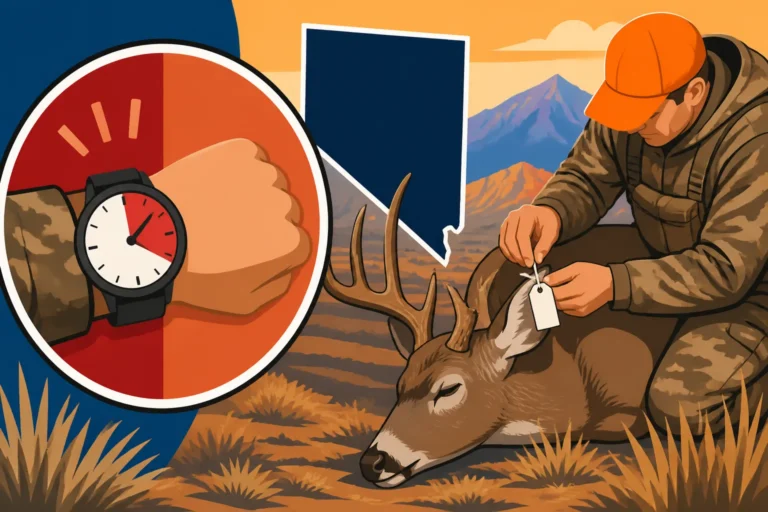
The moment an animal is down, the clock starts ticking. Proper and prompt field dressing is non-negotiable, especially when hunting in Nevada's often warm conditions. If you're hunting early archery season in August, you know how quickly meat can spoil. Getting the entrails out quickly helps the carcass cool down faster. You want to keep dirt, hair, and other contaminants away from the meat as much as possible.
Once field-dressed, cooling the carcass is paramount. This might mean quartering the animal and getting it into game bags, then into coolers with ice, as quickly as possible. If you're deep in the backcountry after a successful hunt for an elk, you'll need to think about Packing an Animal Out of Roadless Country efficiently to prevent spoilage. For smaller game like deer, even a long drive back to civilization can compromise meat quality if not kept sufficiently cool. Some hunters even pre-cool their coolers with frozen water jugs or dry ice for long trips, ensuring the temperature remains stable. The goal is to get the internal temperature of the meat down as rapidly as possible to inhibit bacterial growth. If there's any doubt about the meat's condition, especially if it was left uncooled for too long, it's safer not to donate it.
Professional Processing Expectations
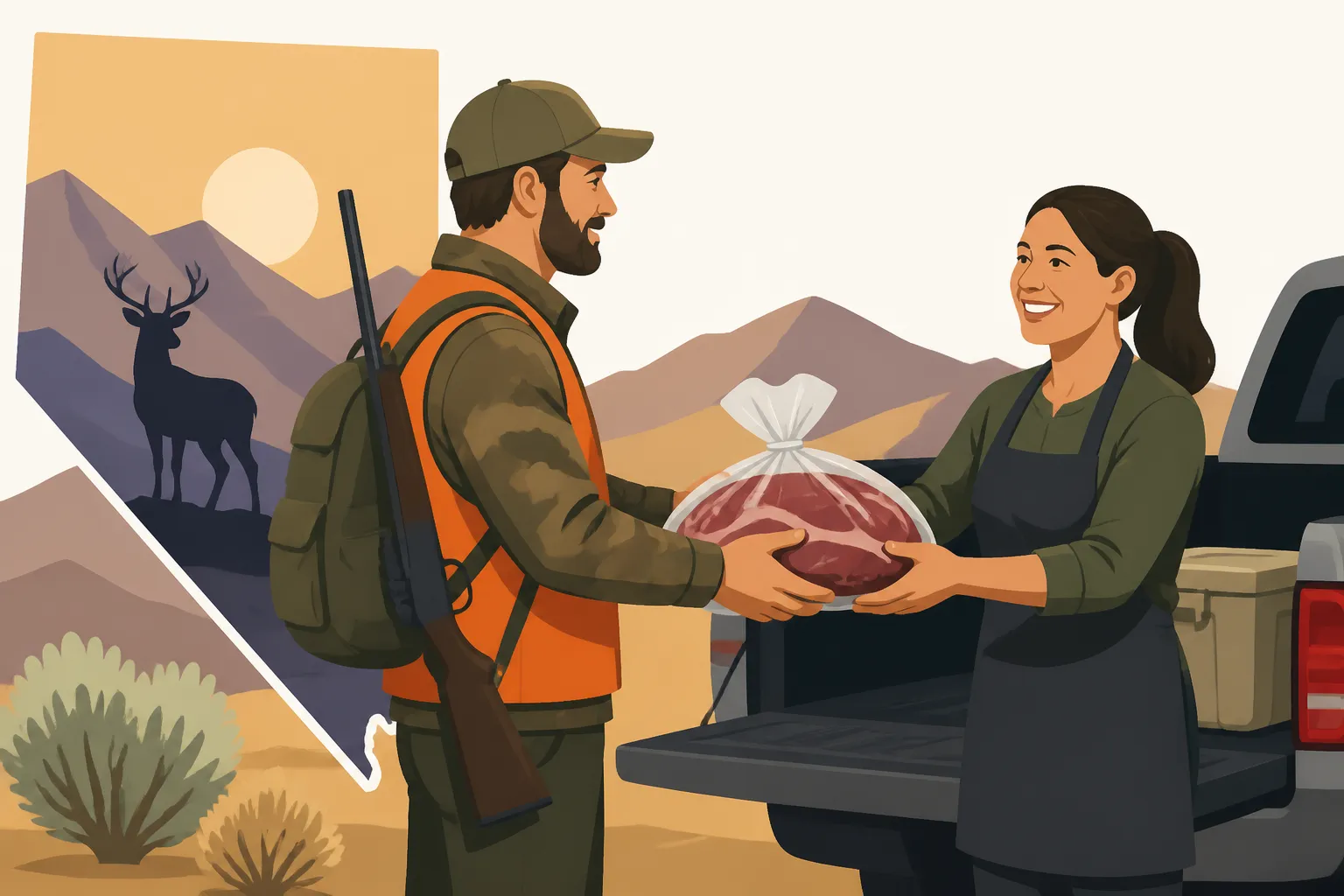
As discussed, most food banks and donation programs require meat to be processed by a state or USDA-inspected facility. This isn't just about cutting the meat; it's about hygiene, food safety, and proper labeling. When you drop off your animal at a certified processor, they will handle the skinning, butchering, and packaging. You'll typically have options for how the meat is cut – steaks, roasts, ground meat, stew meat – and this is where you can specify that it's for donation.
Many processors are familiar with handling game meat for donation and might even have partnerships with local charities or special rates. They'll ensure the meat is clearly labeled with the type of game, date processed, and often a "donated" indication. This professionalism is what makes the meat acceptable to charitable organizations. Before you head out on your hunt, especially if you're targeting big game like elk or mule deer, it's a smart move to call a few local processors in the area where you'll be hunting. Ask about their game processing services, specifically for donations, and their current lead times. This kind of preparation, much like scouting a new unit using GoHunt's detailed maps, makes the post-harvest logistics much smoother and ensures your donation will be handled correctly from start to finish.
Navigating the NDOW Online Portal
While the physical act of hunting happens out in Nevada's incredible landscapes, a lot of the administrative side, like mandatory reporting and even purchasing licenses, happens online. Understanding how to use the NDOW online portal can make the entire process, including preparations for potential donation, much smoother.
Mandatory Reporting After Your Harvest
Once you've successfully harvested an animal, whether it's a mule deer or an antelope on Nevada's open flats, there's a Mandatory Reporting After a Nevada Harvest requirement. This isn't just a suggestion; it's a legal obligation. You typically need to report your harvest within a specific timeframe, usually within a few days of taking the animal, and often before the carcass is transported out of the unit. The NDOW online portal is the primary place to do this. You'll log in, enter details about your hunt unit, the species, sex of the animal, and the date of harvest. This data is critical for wildlife managers to assess herd health, harvest rates, and to plan future seasons and quotas. Even if you plan to donate the meat, completing your harvest report accurately and on time is a fundamental part of responsible hunting in Nevada.
Understanding License and Tag Management
The NDOW online portal is also where you manage your hunting licenses and tags, which is the foundational step for any hunt in Nevada. From applying during the Nevada Applications Run March 23 to May 13 to seeing your draw results land at the end of May, this is your go-to hub. When you're thinking about donating game meat, understanding your license and tag information is indirectly important because it verifies that your harvest was legal.
If you are just starting your hunting journey in Nevada, you might need to take a hunter education course; thankfully, Nevada Accepts Hunter Education From Any State. Once you have your certification, the portal is where you'll purchase your combination license and apply for species tags. Keeping track of your application history and bonus points, especially if you're trying to build up points for a coveted elk tag, is all done through this system. While it doesn't directly facilitate meat donation, a smooth, legally compliant hunt starts with proper license and tag management online.
Final Thoughts on Giving Back
Donating game meat is a powerful way to extend the impact of your hunt far beyond your own freezer. It's a testament to the generosity of the hunting community and a practical solution to food waste, especially with the high-quality protein wild game provides. By adhering to Nevada's specific regulations, working with certified processors, and connecting with reputable donation programs, you can ensure your harvest nourishes those in need, honoring the animal and showcasing the best of ethical hunting. Whether you're planning your next hunt using GoHunt's comprehensive tools or just came off a successful season, consider how you can make a positive difference through game meat donation.
Disclaimer
Please note that hunting regulations, seasons, and donation requirements can change. While this guide aims to provide accurate and up-to-date information, it is your responsibility as a hunter to consult the latest official Nevada Department of Wildlife (NDOW) regulations and directly contact any organizations before making a donation.