Drop Camps in Nevada’s Remote Ranges
The dream of hunting Nevada often conjures images of vast, untouched landscapes, where mule deer and elk roam freely, far from the nearest paved road. But let's be honest: for many of us, the sheer logistics of getting deep into that rugged backcountry, setting up a comfortable camp, and staying there for a week can feel utterly overwhelming. We want the adventure, the solitude, but maybe not the back-breaking effort of packing in every single piece of gear. This guide is all about finding that perfect middle ground by exploring drop camps in Nevada's remote ranges, helping you achieve that authentic backcountry experience without the burden of an entirely DIY pack-in.
What Exactly is a Drop Camp?
When you first start looking into hunting options beyond a simple road-side camp, you'll hear terms like "fully guided," "semi-guided," and "drop camp." It can get confusing quickly, especially if you're picturing a remote tent in the wilderness. A drop camp is a specific service offered by an outfitter that provides the transportation and often the basic infrastructure for a remote hunting camp, but leaves the actual hunting, cooking, and daily camp management entirely up to you and your party. It's a fantastic solution for hunters who possess the skills and desire to hunt independently but lack the specialized equipment, time, or physical capability to pack a full camp deep into the wilderness.
The Core Concept: Outfitting Services without the Guide
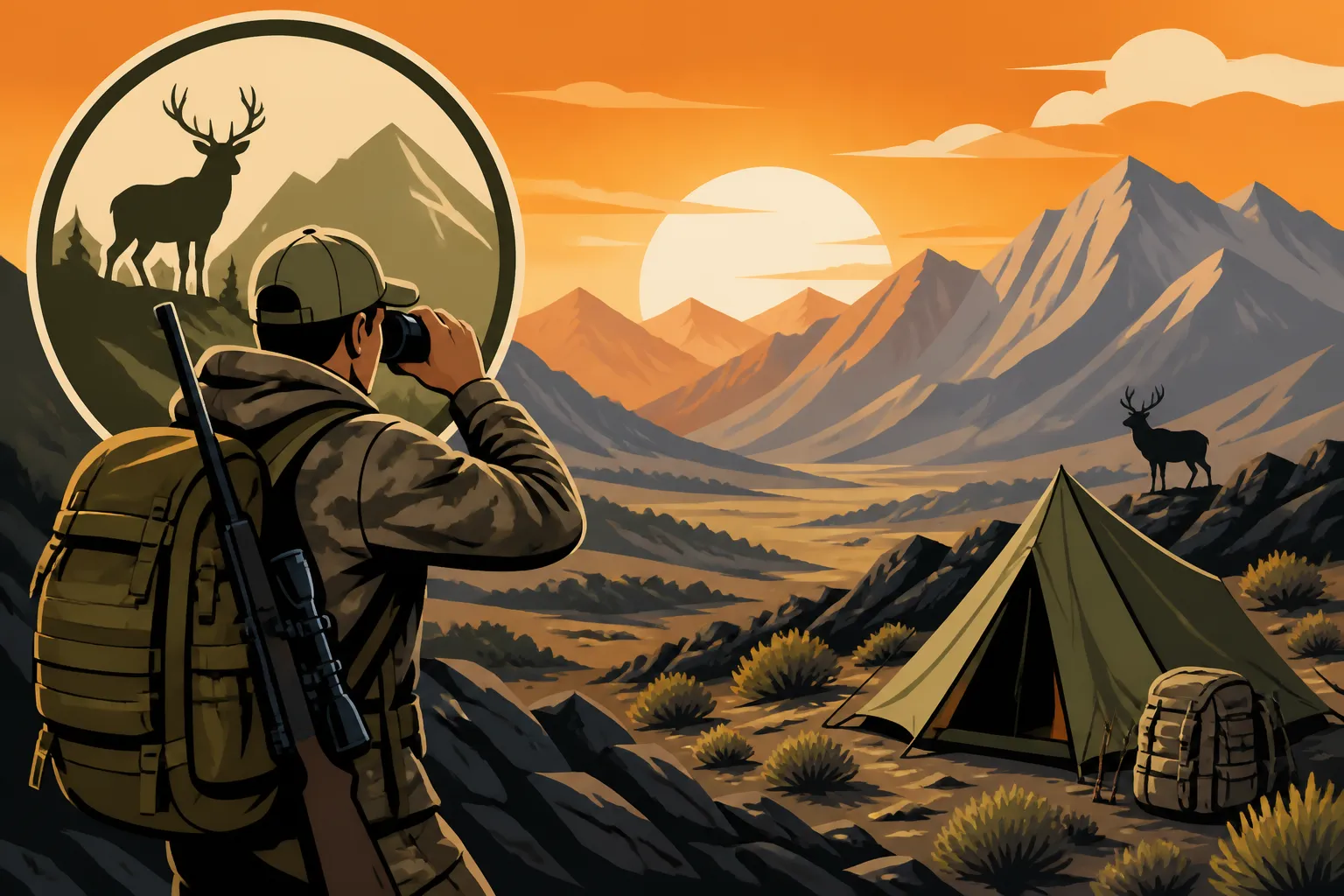
At its heart, a drop camp is about access and logistics. An outfitter, often using horses, mules, or sometimes specialized off-road vehicles (where legally permitted and access allows), will pack you and your gear into a pre-determined, remote location. They'll drop off your supplies – tents, sleeping pads, cooking gear, food, water storage, even a stove – and then leave you there. You and your hunting partners are then responsible for everything else: setting up the camp, cooking your meals, finding and harvesting your game, and managing your time in the backcountry. When your hunt is over, or on a pre-arranged date, the outfitter returns to pack out you, your remaining gear, and hopefully, your harvested animal.
This model is built on trust and independence. The outfitter trusts you to be self-sufficient and responsible in the wilderness, and you trust them to provide reliable transport and a safe, functional camp location. It’s not for the faint of heart or the inexperienced, but for those with solid backcountry skills, it's a phenomenal way to get away from the crowds that often plague easily accessible areas. You'll need to remember that these services are highly regulated, and outfitters often require BLM Nevada Issues Joint Permits to Master Guides in addition to their state licenses to operate on federal lands, which is where most remote Nevada hunting takes place.
How Drop Camps Differ from Fully Guided Hunts
The distinction between a drop camp and a fully guided hunt is crucial, both in terms of experience and cost. With a fully guided hunt, an experienced guide is with you every step of the way, from scouting and tracking to calling, field dressing, and often even cooking and camp chores. They are actively involved in helping you locate and harvest an animal. This level of service comes with a premium price tag, as you are essentially hiring expertise, local knowledge, and personalized attention.
A drop camp, on the other hand, provides none of that direct hunting guidance. The outfitter's responsibility generally ends once they've dropped you off and ensured your camp is operational. You won't have someone leading you to hot spots, judging animals for you, or calling in elk. You are the hunter, and all hunting decisions, strategies, and efforts fall squarely on your shoulders. Think of it as renting a wilderness taxi and a furnished backcountry apartment, rather than hiring a personal trainer and chef rolled into one. This independence is a major draw for many, as it allows for a more personal and challenging hunting experience, often at a significantly lower cost.
The Appeal of a Drop Camp for the Independent Hunter
For many, the allure of a drop camp lies precisely in that blend of independence and logistical relief. You get to call the shots, plan your own stalks, and experience the satisfaction of a self-found animal. Yet, you're spared the enormous physical toll of packing in hundreds of pounds of gear over challenging terrain. Nevada's vast public lands, much of which is BLM Ground Is Where Most Nevada Hunting Happens, contain enormous tracts of roadless country. Getting into these areas often means miles of hiking or riding, and a drop camp can shrink that barrier to entry considerably.
Imagine not having to worry about purchasing, maintaining, and training pack animals, or the multiple trips it might take to haul in a week's worth of supplies. A drop camp allows you to focus your energy on the hunt itself, rather than the exhaustive pre-hunt packing and post-hunt hauling. It's ideal for a group of experienced hunters who work well together, have their own hunting strategies, and relish the challenge of a true backcountry hunt, but still appreciate the efficiency an outfitter brings to transportation.
Why Consider a Drop Camp in Nevada's Remote Backcountry?
Nevada is a land of extremes and vast distances. Its remote ranges offer some incredible hunting opportunities, but they don't give up their secrets easily. This is where a drop camp truly shines, providing a strategic advantage for those looking to immerse themselves in the deep wilderness.
Accessing Roadless Areas and Deep Wilderness
One of the primary benefits of a drop camp in Nevada is gaining access to areas that are simply too far or too difficult to reach with conventional vehicle-based camping, and too arduous for a complete DIY pack-in. Much of Nevada's prime big game habitat lies within designated wilderness areas or vast tracts of roadless public land. These are the places where mature animals often seek refuge from hunting pressure, and where the solitude of the hunt becomes truly profound. Wilderness and Wilderness Study Areas Across Nevada means that vehicle access is highly restricted, pushing hunters to either use pack animals or carry everything on their backs.
Outfitters who specialize in drop camps often have established camps or preferred locations deep within these zones, sometimes many miles from the nearest trailhead. They have the knowledge of the terrain, the proper equipment, and the experience with pack animals to safely transport you and your gear into these secluded spots. This opens up entire new possibilities for hunting, allowing you to bypass areas that receive heavy day-hunter pressure and instead focus on territory where few others venture. This kind of access can be a game-changer, particularly for species like mule deer and elk that thrive in these undisturbed environments. You can spend more time actually hunting, rather than spending precious daylight hours hiking in or out.
Cost-Effectiveness Compared to Fully Guided Hunts
Let's talk about the elephant in the room: cost. Fully guided hunts, especially for coveted Nevada elk or trophy mule deer, can run into significant money. While absolutely worth it for some, not every hunter has that kind of budget. This is where a drop camp offers a compelling financial alternative. By removing the guide's direct involvement in the day-to-day hunting, the outfitter's costs are significantly reduced. You're primarily paying for their pack stock, their time, and the use of their camp infrastructure.
Consider the typical expenses associated with a guided hunt: the guide's wages, food, fuel, vehicle maintenance, scouting time, and often higher insurance premiums. A drop camp essentially unbundles these services, allowing you to pay only for the logistical support you need. This makes a backcountry experience far more accessible to a broader range of hunters. While it's still an investment, it's often a fraction of the price of a fully guided trip, allowing you to allocate more funds to tags, travel, or higher-quality gear. When researching options, looking at resources like BookYourHunt can help you compare prices and services offered by various outfitters for drop camps versus guided hunts in Nevada.
Balancing Independence with Logistical Support
The balance struck by a drop camp is truly unique. You maintain full control over your hunt: your schedule, your hunting spots, your calling strategies, and your pace. There’s no pressure to keep up with a guide or conform to someone else's plan. This independence is highly valued by experienced hunters who enjoy the challenge and self-reliance of backcountry hunting. You get to be the architect of your own adventure.
However, you don't have to carry the weight of all the logistics. The outfitter handles the heavy lifting of getting your substantial camp supplies – large wall tents, cots, cooking stoves, propane, a week's worth of food, and water filtration systems – to where they need to be. This means you can pack lighter personal gear for your daily hunts, knowing that a comfortable and well-equipped base camp awaits your return each evening. When you're successful, the outfitter also takes care of the critical task of Packing an Animal Out of Roadless Country, often using horses or mules, which can be an enormous relief after a strenuous hunt and field dressing in the Nevada heat. This blend of freedom and practical assistance is often cited as the biggest draw for those choosing a drop camp.
Choosing the Right Nevada Unit for a Drop Camp
Nevada's hunt units are vast and diverse, ranging from low desert to high alpine. Selecting the right unit for a drop camp involves careful research, understanding the terrain, and knowing what kind of game you're targeting. This isn't a decision to take lightly, as your success often hinges on being in the right place.
Researching Terrain and Game Density
Before you even consider an outfitter, you need to understand the units. What kind of terrain will you be hunting? Is it steep, rocky, and heavily timbered, or more open sagebrush basins with scattered pinyon-juniper? Nevada offers both. For instance, northern and eastern Nevada often feature more mountainous, forested regions that might hold elk and heavier mule deer bucks, while southern and central Nevada are typically more arid and open, ideal for antelope or desert bighorn. Knowing the topography will directly influence your hunting style, your gear choices, and even your physical preparation. Preparing Physically for Long Glassing Days is critical, especially in open country.
Equally important is researching game density and success rates for your target species in specific units. The Nevada Department of Wildlife (NDOW) publishes harvest statistics and population estimates that can offer invaluable insights. Look for units that consistently produce animals, and pay attention to public land percentages. A unit with a high proportion of federally owned land, such as those found across Nevada National Forests in the North and East or expansive BLM holdings, will generally offer more opportunities for remote drop camp locations. It's also wise to consider factors like water sources and known migration corridors, as these will often concentrate game, especially during early season hunts or dry years.
Understanding Public Land Access and Regulations
Nevada is unique in that it's the Nevada Is the Most Federally Owned State in the Lower 48, meaning the vast majority of its land is public and accessible for hunting. However, "accessible" doesn't always mean "easy to reach." Drop camps thrive on getting into remote public land, but it's vital to understand the nuances of access. You'll need to know where designated wilderness boundaries lie, as these areas often have stricter regulations regarding campfires, group size, and especially motorized vehicle use, which might impact how far an outfitter can initially take you.
Research specific unit regulations regarding baiting, trail cameras, and legal shooting hours. While a drop camp is typically in a remote location, you're still bound by all state and federal hunting laws. Ensure your chosen unit allows for the type of hunt you're planning (e.g., archery, muzzleloader, rifle) and that the season dates align with your schedule. Outfitters often operate under special use permits from land management agencies like the Bureau of Land Management (BLM) or the U.S. Forest Service, which dictates where they can establish camps. Good outfitters will be intimately familiar with these rules, but it’s always smart to educate yourself, too, by reviewing the official Nevada hunting regulations.
Scouting Remotely with Digital Tools
Even for a drop camp, pre-hunt scouting is paramount, and digital tools have revolutionized this process. While you won't be physically putting boots on the ground in your exact camp location, you can do an immense amount of "e-scouting" from home. Satellite imagery, topographical maps, and public land ownership layers are your best friends. Platforms like GoHunt provide fantastic mapping resources, allowing you to identify potential bedding areas, travel corridors, water sources, and natural funnels.
Look for terrain features that would appeal to your target species: north-facing slopes for bedding, saddles for travel, and areas with good forage. Identify potential glassing knobs and escape routes. By studying the maps, you can get a strong sense of the unit's character and where you'll want to focus your hunting efforts once you're on the ground. Share your e-scouting findings with your outfitter; they might have local knowledge that confirms or refines your observations. This remote scouting allows you to arrive at your drop camp with a solid plan, rather than spending your first valuable hunting days figuring out the lay of the land.
Logistics of Booking and Preparing for a Nevada Drop Camp
Booking a drop camp isn't like reserving a hotel room; it requires careful planning, due diligence, and clear communication. Given the remote nature of these hunts and the investment involved, understanding the logistics upfront is key to a smooth and successful experience.
Vetting Outfitters and Their Services
This is arguably the most critical step. Your entire trip hinges on the reliability and professionalism of your chosen outfitter. Start by looking for outfitters specifically licensed to operate in Nevada and who advertise drop camp services in your desired units or general regions. Don't be afraid to ask for references – and actually call them. Speak to past clients about their experiences, focusing on aspects like the outfitter's communication, punctuality, quality of pack animals, camp setup, and adherence to agreed-upon services. Websites like BookYourHunt can sometimes serve as a starting point for finding reputable outfitters, but always follow up with direct inquiries and reference checks.
When vetting, clarify exactly what the drop camp package includes. Does it cover tents, cots, cooking stove, and basic utensils? Or is it truly just transportation for your personal gear? Will they provide water storage or a filtration system, or do you need to pack all your water? What about a game retrieval plan if you harvest an animal far from camp? Get everything in writing. A reputable outfitter will be transparent about their services, pricing, and what they expect from you. Don't be shy about asking Questions to Ask a Nevada Outfitter before you commit.
Understanding Contract Details, Deposits, and Refunds
Once you've settled on an outfitter, you'll receive a contract. Read it thoroughly! Pay close attention to the details regarding deposits, payment schedules, and crucially, their cancellation and refund policies. What happens if you fail to draw a tag for the unit you planned to hunt? Some outfitters offer refunds or the ability to roll your deposit over to the next year if you don't draw, while others might retain a portion or all of it. Given that The Nevada Application Deadline in May is often months before draw results are released, this is a very common scenario.
Also, clarify what constitutes a "successful" drop-off and pickup. What happens if weather delays their ability to get in or out? Who bears the cost of additional days if you get snowed in? These are not pleasant thoughts, but foreseeing potential issues and understanding the contractual obligations on both sides can prevent major headaches later. Don't hesitate to ask for clarification on any clause you don't understand. A clear, detailed contract protects both you and the outfitter.
Gear, Physical Conditioning, and Supplies for Your Stay
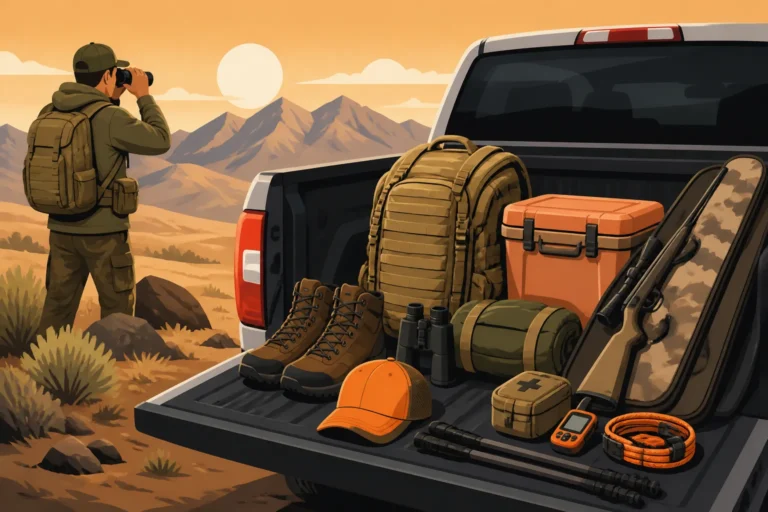
Even with an outfitter providing camp amenities, you are responsible for your personal gear and many supplies. This typically includes all your hunting clothing, weapon, ammunition, optics, personal hygiene items, and specialized backcountry navigation tools. Since you'll be hunting independently from camp, pack a reliable day pack with essentials like water, snacks, first-aid, navigation devices (GPS, map, compass), a headlamp, and emergency fire starters. Don't forget proper rain gear and layering options, as Nevada weather can be incredibly unpredictable, with drastic temperature swings, especially in the mountains.
Physical conditioning cannot be overstated for a drop camp hunt in Nevada. You'll be hiking, often at elevation, over rugged terrain, and potentially packing out meat on your back until the outfitter arrives for pickup. Start training well in advance, focusing on cardio, strength, and endurance. Practice hiking with a loaded pack. Discuss with your outfitter any specific dietary needs or medical conditions, and ensure you pack all necessary medications. Plan your meals carefully, considering both nutrition and ease of preparation in a backcountry setting. Freeze-dried meals are common, but fresh foods for the first few days can be a morale booster. Remember to plan for plenty of water, or a reliable filtration system if a water source is nearby, as desert hunts require significant hydration.
| Aspect | Drop Camp | Fully Guided Hunt | DIY Hunt (Pack-In) |
|---|---|---|---|
| Outfitter Role | Transport, basic camp setup, pickup | Full service: guide, transport, camp, food | None |
| Hunter Responsibility | Hunt, cook, manage camp, field dress | Hunt (guide assists), personal gear | All aspects: transport, camp, hunt, field dress |
| Cost | Moderate (less than guided, more than DIY) | High | Low (equipment purchase is main cost) |
| Independence | High | Low to Moderate | Very High |
| Physical Effort | High (hunting + some camp chores/meat hauling) | Moderate (hunting, less camp/hauling) | Very High (everything on your back) |
| Logistical Burden | Moderate (outfitter handles heavy hauling) | Low (outfitter handles most logistics) | Very High (all logistics are yours) |
| Camp Provided | Often includes tent, stove, cots | All-inclusive camp/lodging | You provide everything |
| Best For | Experienced, self-sufficient hunters | Hunters seeking maximum support/expertise | Highly experienced, self-reliant, fit hunters |
Life in a Nevada Drop Camp: Expectations and Responsibilities
When the outfitter drops you off, that's when your real adventure begins. Managing your camp, executing your hunting strategy, and properly handling your harvest are all part of the drop camp experience. It's a test of your self-reliance and teamwork.
Camp Setup, Maintenance, and Breakdown
Upon arrival at your designated drop camp location, your first task will be setting up your temporary home. If the outfitter provides a wall tent, you'll be responsible for erecting it, setting up cots, arranging cooking areas, and making it functional and comfortable. This is where teamwork with your hunting partners becomes invaluable. Designate areas for cooking, sleeping, and gear storage to keep the camp organized and efficient. Proper food storage is crucial to deter bears and other critters, especially if you're in areas of Black Bear Returned to Western Nevada. Secure all food, scented items, and trash away from sleeping areas.
Throughout your stay, camp maintenance falls to you. This includes maintaining a clean and tidy camp, managing waste (pack it in, pack it out!), tending to your stove if it's cold, and ensuring your water supply is replenished. Respect for the land is paramount; leave no trace. At the end of your hunt, you'll need to break down the camp, clean all equipment, and pack everything for the outfitter's return. Ensure all gear is accounted for and packed neatly so the outfitter can efficiently load it onto their pack animals. This entire process reinforces the "backcountry self-sufficiency" aspect of a drop camp.
Hunting Strategies from a Drop Camp Base
With your base camp established, you can now focus entirely on the hunt. Your drop camp acts as a comfortable hub from which you'll launch daily excursions. This often means waking before dawn, having a quick breakfast, and heading out with your daypack, only returning to camp well after dark. Since you've likely e-scouted and perhaps received some general information from your outfitter, you'll have target areas in mind. Use your optics heavily – Why Nevada Deer Hunting Is a Glassing Game is a mantra out here – to cover vast amounts of territory from strategic viewpoints.
Depending on your target species and the time of year, your tactics will vary. For early season archery hunts, focusing on water sources or bedding areas might be effective. During the rifle seasons, finding transition zones, feeding areas, or winter range can be key. For elk, if it's during the rut, bugling or cow calling from your position or on the move could be productive. Since you won't have a guide actively leading you, rely on your own hunting instincts, map reading skills, and the collective experience of your group. Be prepared for long days, covering many miles on foot, and carrying plenty of water.
Field Care of Game and Packing It Out
One of the biggest responsibilities in a drop camp is the proper field care of any harvested animal. In Nevada's often warm hunting conditions, especially during early seasons like Nevada's August Archery Deer Season Opens the Year, swift and efficient field dressing is critical to preserving the meat. You and your partners must be proficient in gutting, skinning, and quartering an animal in the field. Carry sharp knives, a game bag, and a small saw or bone saw.
Once the animal is quartered and bagged, you'll need to get it back to camp. This might involve multiple trips back and forth, packing heavy loads on your back. This is where your physical conditioning truly pays off. Once in camp, the meat needs to be hung in game bags in a shady, cool, and airy location to cool down as quickly as possible. If temperatures are consistently warm, consider using coolers with ice (if you were able to pack them in or arrange for ice delivery, which is rare for true drop camps) or cooling racks. Your outfitter will have a pre-arranged plan for when they will return to pack out your meat, but until then, its preservation is solely your responsibility. Knowing how to efficiently Field Dressing in August Heat and then Getting Meat Cooled on an Early Season Hunt can make or break the quality of your harvest.
Potential Challenges and How to Overcome Them
While drop camps offer an incredible opportunity, they are not without their challenges. The remote nature of these hunts means you are largely on your own, and being prepared for potential issues is just as important as being prepared for the hunt itself.
Weather Extremes and Emergency Preparedness
Nevada's weather can be notoriously unpredictable, especially in the mountains. Early season hunts might bring scorching daytime temperatures followed by freezing nights. Later in the fall, sudden snowstorms can dump feet of snow, making travel difficult or impossible. Being prepared for all eventualities is crucial. Pack appropriate clothing layers, including rain gear and insulated outerwear, regardless of the forecast. Ensure your tents and sleeping bags are rated for colder temperatures than you anticipate.
Emergency preparedness extends beyond clothing. Always carry a comprehensive first-aid kit and know how to use it. Consider taking a wilderness first-aid course before your trip. Have a reliable communication device such as a satellite messenger or satellite phone, as cell service will be nonexistent in truly remote areas. Share your hunt plan and expected return dates with a trusted person back home. If you or a hunting partner experiences a medical emergency or gets lost, having the means to call for help is paramount. A good outfitter will have an emergency protocol in place, but your immediate safety is your responsibility.
Dealing with Unforeseen Circumstances and Delays
The wilderness has a way of throwing curveballs. Mechanical breakdowns on the outfitter's end, severe weather events, or even an injured pack animal could delay your drop-off or pickup. While outfitters do their best to be reliable, some things are beyond their control. This is why flexibility and a positive attitude are essential. If you encounter a delay, focus on what you can control: maintaining your camp, conserving supplies, and staying safe.
Always pack a few extra days' worth of food and supplies beyond your planned hunt duration. This buffer can be a lifesaver if pickup is delayed by a day or two. Discuss with your outfitter what their contingency plans are for extreme delays. Do they have a backup communication method? What is their policy on supplying extra food if you run out due to a prolonged stay? Being proactive in these discussions during the booking phase will give you peace of mind. It's also important to understand Remote Road Conditions Across Nevada can quickly deteriorate, making travel challenging even for experienced outfitters.
The Importance of Communication and Contingency Plans
Open and honest communication with your outfitter is critical from the moment you book until you're safely back home. Clearly articulate your expectations, physical limitations, and any concerns you have. Likewise, listen carefully to their advice and instructions, as they are the experts in operating in their specific areas. Before you head into the field, ensure you have a clear understanding of your pickup schedule, including backup dates or methods if the primary one fails.
Beyond communicating with your outfitter, it's vital for your hunting party to have its own internal contingency plans. What's the plan if someone gets separated from the group? What if someone is injured? What's the protocol for tracking a wounded animal into dense cover or unfamiliar territory? Having these discussions beforehand, and agreeing on a clear course of action, can prevent panic and ensure everyone acts responsibly and safely. Remember, in a remote Nevada drop camp, you are truly a team, relying on each other for support and decision-making.
Is a Drop Camp Right for Your Nevada Hunting Adventure?
Deciding on a drop camp isn't a trivial matter. It requires an honest self-assessment of your skills, your comfort level in the backcountry, and your expectations for the hunt. It's a fantastic option for many, but not for everyone.
Assessing Your Skill Level and Experience
A drop camp is best suited for experienced backcountry hunters. You should be proficient in wilderness navigation (map and compass skills are non-negotiable, even with a GPS), proficient in field dressing and meat care, and comfortable with all aspects of primitive camping, including cooking, fire management, and waste disposal. You and your hunting partners should ideally have experience hunting the species you're pursuing and understand their habits and habitats.
If you're new to hunting, or new to backcountry hunting specifically, a drop camp might be an overwhelming first step. In such cases, a fully guided hunt or even a semi-guided hunt (where the outfitter provides some assistance in the field, but not constant presence) might be a better introduction. There's no shame in building your skills gradually. The Nevada wilderness is beautiful but unforgiving, and overestimating your abilities can lead to dangerous situations. Be honest with yourself and your partners about your collective experience.
Weighing the Pros and Cons
To help you decide, let's break down the major advantages and disadvantages of a drop camp in Nevada:
Pros:
- Access to Remote Areas: Get deep into roadless wilderness where game pressure is often lighter.
- Cost-Effective: Significantly less expensive than a fully guided hunt, making backcountry experiences more accessible.
- Independence: Full control over your hunting schedule, strategies, and camp life.
- Authentic Experience: A true wilderness hunt, relying on your own skills and decisions.
- Focus on Hunting: Outfitter handles heavy gear transport, allowing you to save energy for the hunt.
- Comfort: Often includes a more substantial camp setup (wall tent, stove, cots) than a minimalist backpack hunt.
Cons:
- No Guide Support: No professional guidance for hunting, tracking, or game recovery. You're on your own.
- Self-Reliance Required: You must be highly skilled in all aspects of backcountry survival and hunting.
- Physical Demands: Still requires significant physical fitness for daily hunting and meat packing.
- Weather Vulnerability: Fully exposed to extreme weather with limited immediate external support.
- Communication Gaps: Limited or no communication with the outside world.
- Potential Delays: Susceptible to delays in transport due to weather or unforeseen circumstances.
Maximizing Your Chances of Success
If you decide a drop camp is for you, there are several things you can do to greatly increase your chances of a successful and enjoyable hunt. First, invest heavily in pre-hunt scouting, utilizing every digital tool available to understand your unit. Second, get in peak physical condition; this will make a huge difference in your endurance and ability to cover ground. Third, ensure your gear is top-notch and thoroughly tested. Don't bring untested equipment into the backcountry.
Finally, foster strong communication and teamwork within your hunting party. A well-oiled team that trusts each other, shares responsibilities, and makes decisions collectively is far more likely to succeed and stay safe. While Nevada offers incredible challenges, it also offers unparalleled rewards for those willing to prepare and embrace the wild. A drop camp can be the perfect bridge to that ultimate backcountry adventure, offering the solitude and challenge of an unguided hunt with crucial logistical support.
Disclaimer
This article is for general informational purposes only and does not constitute professional advice. Laws, prices and regulations vary by location and change over time. Consult a qualified professional for guidance on your specific situation.