Which Federal Permits a Nevada Guide Needs
One of the biggest head-scratchers for hunters looking to explore Nevada, especially those considering hiring a guide, is trying to figure out the maze of permits and licenses. It's not just about a state-issued hunting guide license; because so much of the Silver State is federal public land, guides operating here absolutely need special federal permits to legally take clients afield. This guide will walk you through exactly why these federal permits are so crucial, what they entail, and what you, as a hunter, should be looking for to ensure you're booking with a legitimate and compliant outfitter.
Why Federal Permits Matter for Nevada Guides
Nevada is a land of vast open spaces, much of which falls under federal ownership and management. This unique landscape means that anyone operating a commercial enterprise, like a hunting guide service, on these lands must go beyond state-level licensing to secure permission from the federal agencies that manage the terrain. Without these federal permits, a guide is essentially trespassing while conducting business, which can lead to serious legal trouble for them and ruin a hunt for clients.
The Vastness of Public Land in Nevada
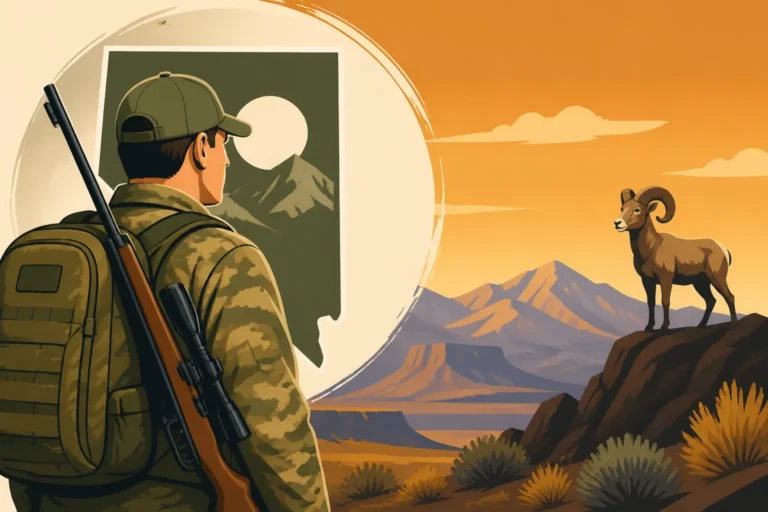
Imagine looking at a map of Nevada – it's mostly green, brown, and white, signifying federal lands. We're talking about an incredible amount of acreage, far more than in many other Western states. The Bureau of Land Management (BLM) and the U.S. Forest Service (USFS) alone manage millions upon millions of acres here. This expanse is precisely why hunters flock to Nevada for its Mule Deer Are the Reason Most Hunters Apply in Nevada and Nevada Elk Herds Grew From Nothing Into a Trophy Draw, as it offers unparalleled public access.
When a guide plans a hunt for you, whether it's for bighorn sheep in the desert mountains or mule deer in the high country, chances are extremely high that they will be utilizing federal ground. These areas are not just hunting grounds; they are ecosystems that federal agencies are tasked with protecting and regulating for multiple uses, including recreation, grazing, and, yes, guided hunting. Understanding that your guide needs permission to operate on these specific landscapes is the first step in appreciating the complexity of guiding in Nevada. Serious applicants using resources like GoHunt to e-scout units will quickly realize the vastness of federal ground and the importance of understanding land ownership.
State vs. Federal Jurisdiction
It's a common misconception that once a guide has their state-issued outfitter or guide license from the Nevada Department of Wildlife (NDOW), they're good to go anywhere. But that's only half the story. The state license, while absolutely essential, grants permission to operate a guiding business within the state's jurisdiction. However, it does not automatically grant access or authorization to conduct commercial activities on federal lands. That authority rests squarely with the federal agencies.
Think of it like this: a state driver's license lets you operate a car on public roads, but it doesn't mean you can drive your car through a private ranch or a military base without additional permission. Similarly, a Nevada guide license is the foundation, but federal permits are the keys to unlock vast tracts of hunting land. Ignoring this distinction can lead to guides operating illegally, which, in turn, exposes their clients to potential issues, from hunt disruptions to ethical concerns. The two levels of permits work in tandem, but they are distinct requirements that must both be met.
Ensuring Accountability and Conservation
These federal permits aren't just bureaucratic red tape; they serve vital functions in ensuring the responsible management of public lands and wildlife resources. Firstly, they provide accountability. By requiring guides to obtain permits, federal agencies can track who is operating commercially on their lands, what activities they are conducting, and in which areas. This oversight helps prevent overuse, impacts to sensitive habitats, and ensures that commercial operations align with the land management plans for these regions.
Secondly, these permits play a crucial role in conservation. Many federal lands are vital habitats for Mule Deer Are the Reason Most Hunters Apply in Nevada and Nevada Holds All Three Bighorn Subspecies, and uncontrolled commercial activity could negatively impact these populations. The permitting process often includes stipulations regarding group size, season dates, specific areas of operation, and sometimes even reporting requirements, all designed to minimize disturbance and promote sustainable hunting practices. When you choose a federally permitted guide, you're not just getting a legal operator; you're supporting an individual who is formally recognized and vetted by the agencies dedicated to preserving these wild places for future generations.
Key Federal Agencies and Their Permit Requirements
Navigating the federal permitting landscape means understanding which agencies manage the land where your hunt will take place. In Nevada, the two most prominent federal land managers are the Bureau of Land Management (BLM) and the U.S. Forest Service (USFS). Each has its own set of rules and a distinct permitting process.
Bureau of Land Management (BLM) Permits
The BLM manages more land in Nevada than any other federal agency, making their permits indispensable for most guides. These are the vast, open sagebrush basins, remote mountain ranges, and desert landscapes that define much of Nevada hunting. For commercial activities like guided hunts, the BLM typically issues what are called Special Recreation Permits (SRPs), often falling under the category of Outfitter and Guide Permits.
Getting one of these permits involves a rigorous application process. Guides must demonstrate their experience, financial stability, and ability to operate safely and responsibly. The permit specifies the geographic area of operation, the types of activities allowed (e.g., hunting, photography), the number of clients, and the duration of the permit. It’s not a blank check; it’s a detailed agreement. BLM permit areas are often competitive, and some districts may have limited opportunities for new guides to obtain permits, making existing permits incredibly valuable. When researching guides, platforms like BookYourHunt often indicate if a guide operates legally on public land, which generally implies they have the necessary federal permits. Understanding BLM Acreage Across Nevada helps you appreciate the scope of land these permits cover.
U.S. Forest Service (USFS) Permits
While the BLM manages the lower, drier lands, the U.S. Forest Service oversees Nevada's higher elevation, timbered mountain ranges, primarily within the Humboldt-Toiyabe National Forest, which is the largest national forest in the lower 48 states. These areas often hold prime habitat for Nevada Elk Herds Grew From Nothing Into a Trophy Draw and significant deer populations, especially during specific times of the year, like when Hunting the Post-Rut Migration for Big Bucks is on.
Guides operating in these National Forests require Special Use Permits from the USFS. Similar to the BLM, the Forest Service evaluates applications based on the guide's qualifications, safety record, and consistency with the forest's management plan. These permits often cover specific units or ranger districts, detailing the allowed activities, season of use, and operational guidelines to protect forest resources and other users. The Forest Service also emphasizes minimizing impact, requiring guides to adhere to Leave No Trace principles and sometimes restricting access in sensitive areas or during certain periods. Many guides will hold permits for both agencies to cover the diverse Nevada National Forests in the North and East and BLM landscapes they hunt.
National Wildlife Refuge System
While less common for full-scale guided big game hunts, some hunting opportunities exist within designated National Wildlife Refuges in Nevada, such as the Desert National Wildlife Refuge. These refuges are managed by the U.S. Fish and Wildlife Service (USFWS), another federal agency.
Hunting within these refuges is generally highly regulated and often involves specific seasons, methods, and access rules that can differ from surrounding state or other federal lands. For a guide to operate commercially within a National Wildlife Refuge, they would need specific permits issued by the USFWS, in addition to any state and other federal permits. These permits are typically even more stringent, with a strong emphasis on wildlife conservation and minimal disturbance. Hunters engaging guides who plan to operate in these specialized areas should absolutely confirm that the guide possesses the explicit USFWS authorization for commercial activities within that specific refuge.
The Application Process and What Guides Face
Becoming a federally permitted guide in Nevada is not a quick or easy process. It involves significant time, paperwork, and often, an ongoing commitment to compliance. This isn't just a hurdle for the guide; it's a layer of due diligence that ultimately benefits the hunter.
The Joint Permit System
One of the more helpful aspects for guides in Nevada is the attempt at a "joint permit system" between the state and some federal agencies. While not a single, all-encompassing document, it aims to streamline certain aspects. For instance, the Nevada Department of Wildlife (NDOW) works with the BLM to ensure that state-licensed guides also meet federal requirements. This coordination is designed to prevent unnecessary duplication of effort and to ensure consistency in vetting guides.
What this often means in practice is that a guide's state licensing application or renewal might require them to provide proof of their federal land use permits, or vice versa. This collaborative approach helps both state and federal agencies verify that guides are operating legally on all fronts. However, it's critical to remember that while there's cooperation, the final authority for issuing federal permits still lies with the respective federal agency (BLM, USFS). A guide cannot simply point to their state license and expect it to cover federal land without the explicit federal authorization. You can learn more about How NDOW Licenses Guides and Outfitters and How BLM Nevada Issues Joint Permits through their respective administrative channels.
Annual Renewals and Reporting
Obtaining a federal permit is not a one-and-done deal. These permits are typically issued for a specific term and require annual renewal. This means guides must maintain their good standing, continue to meet all operational requirements, and submit renewal applications, often with detailed reports of their activities from the previous year. These reports might include information on client numbers, areas hunted, wildlife observed, and any incidents that occurred.
This ongoing reporting and renewal process ensures that guides remain accountable to the managing agencies. It allows the agencies to monitor the impact of commercial guiding on public lands and adjust permit conditions if necessary. For guides, it's a continuous administrative responsibility, but for hunters, it's a reassurance that the guide they choose is under continuous scrutiny and must adhere to established standards year after year. It's a testament to their professionalism and commitment.
What to Look For as a Client
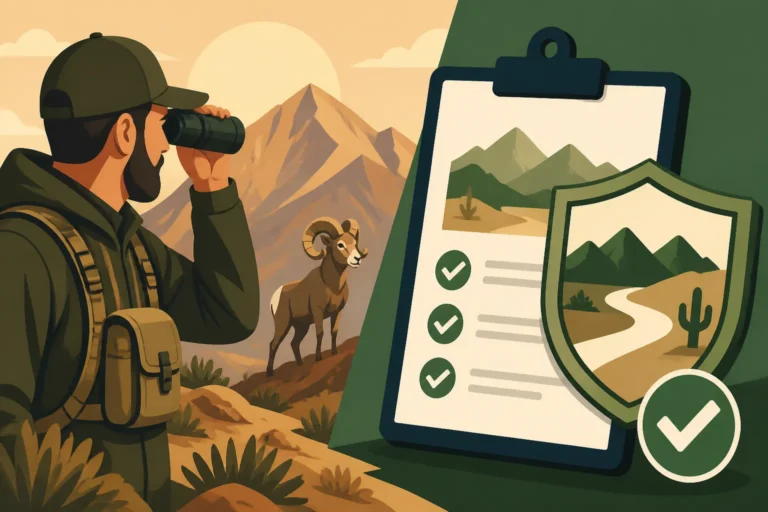
As a hunter looking to book a guided trip in Nevada, verifying your guide's federal permits is an essential step in your due diligence. Don't be afraid to ask direct questions. A reputable guide will be transparent and proud to show you their credentials.
Here’s what to look for and ask about:
- Ask to see the actual federal permits: Don't just take their word for it. They should be able to provide copies or references to their current BLM Special Recreation Permit or USFS Special Use Permit. These documents will clearly state the permitted areas and validity dates.
- Verify the permitted areas: Ensure the areas listed on their federal permit align with the units or regions where they are planning to guide your hunt. It's not uncommon for a guide to have permits for certain areas but not others.
- Check the expiration dates: Make sure the permits are current and will be valid for the dates of your planned hunt.
- Consult the agencies: If you have any doubts, you can contact the local BLM or USFS district office that covers the area where your hunt is planned. They can verify if a specific guide or outfitter holds current and valid permits for commercial operations in that region. You can learn more about Verifying a Nevada Guide License through official channels.
- Use online resources: Reputable booking platforms, like BookYourHunt, often perform their own vetting and may highlight outfitters who are properly licensed and permitted. Similarly, using resources like GoHunt to research potential guides can offer insights into their reputation and legal standing.
By taking these steps, you not only protect yourself from potential legal issues and disappointment but also support the ethical and responsible guiding community that works hard to provide incredible hunting experiences on Nevada’s public lands. Asking Questions to Ask a Nevada Outfitter should always include inquiries about their federal land permits.
| Federal Agency | Primary Land Managed in Nevada | Typical Permit Name | What it Authorizes for Guides |
|---|---|---|---|
| Bureau of Land Management (BLM) | Vast sagebrush basins, desert ranges, open country | Special Recreation Permit (Outfitter & Guide) | Commercial guided hunting, camping, and related activities on BLM lands |
| U.S. Forest Service (USFS) | High elevation, forested mountains (Humboldt-Toiyabe NF) | Special Use Permit (Outfitting & Guiding) | Commercial guided hunting, pack trips, and related activities within National Forests |
| U.S. Fish & Wildlife Service (USFWS) | National Wildlife Refuges (e.g., Desert NWR) | Special Use Permit (Commercial Activities) | Highly restricted commercial guiding within specific National Wildlife Refuges and programs |
Understanding which federal permits a Nevada guide needs is paramount for both the guide and the client. It’s a reflection of their professionalism, their commitment to legal and ethical operations, and their respect for the incredible public lands we all cherish. By doing your homework and asking the right questions, you ensure that your Nevada hunting adventure is not only successful but also fully compliant with all the rules that help conserve these wild places. Before committing to a hunt, especially one advertised through services like BookYourHunt, always confirm the guide's licensing and permits. This diligence ultimately leads to a more reliable and enjoyable experience for everyone involved.
Disclaimer
This article is for general informational purposes only and does not constitute professional advice. Laws, prices and regulations vary by location and change over time. Consult a qualified professional for guidance on your specific situation.