What Outfitter Prices Leave Out
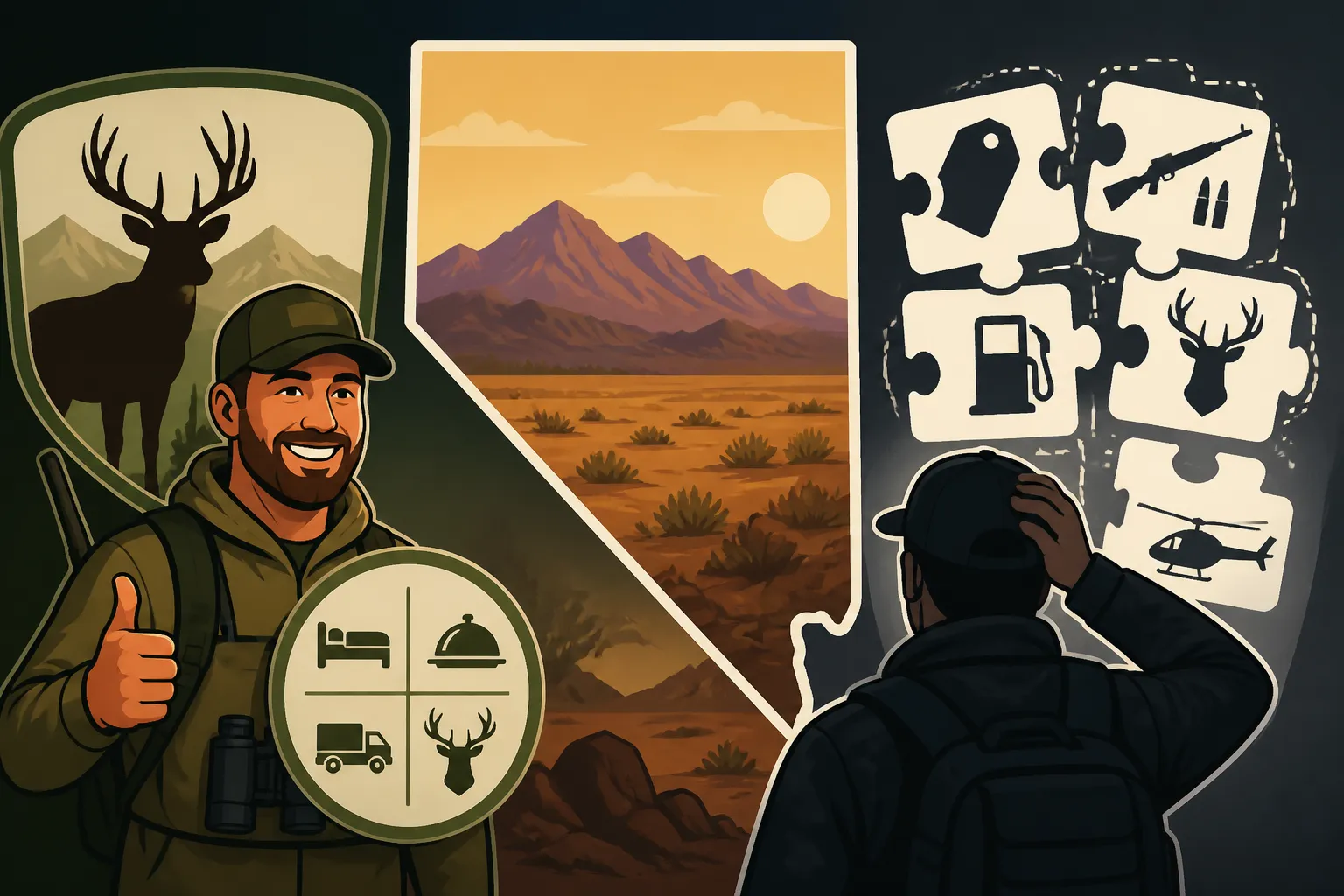
You've finally decided to invest in that dream Nevada hunt, scrolling through outfitter websites, and then you see a price tag. It looks like a significant investment, but often, that initial figure is just the starting point, leaving many hunters scratching their heads later on as unexpected expenses pile up. This guide is here to pull back the curtain on what's typically not included in those initial outfitter quotes, helping you budget realistically for your next adventure in the Silver State.
The Tag and License Hustle: Your Entry Ticket to the Hunt
One of the biggest misunderstandings when booking an outfitter hunt, especially for non-residents or those new to Nevada, is that the guide's fee almost never includes your actual hunting license or the specific tag for the animal you're pursuing. Think of it this way: the outfitter provides the expertise, the camp, the transportation in the field, and the guiding services, but the state of Nevada is the one selling you the right to hunt and harvest an animal. This distinction is crucial for your budget.
Combination License and Application Fees
Before you can even apply for a big game tag in Nevada, you need to purchase a combination hunting license. For non-residents, this is a distinct and necessary expense that comes well before any actual tag application. On top of that, each species you apply for, be it mule deer, elk, or antelope, will carry its own application fee. These fees are usually non-refundable, even if you're unsuccessful in the draw. It's an administrative cost that secures your chance in the lottery system. Many seasoned hunters use resources like GoHunt to strategize their applications, but even with careful planning, these initial outlays for the license and application fees are a fundamental part of the overall cost that an outfitter's price won't cover. The Nonresident Nevada Combination License Price can be a significant upfront cost that's easily overlooked if you're only focused on the outfitter's quote.
The Cost of the Actual Tag
Let's say you're one of the lucky ones and you draw that coveted Nevada elk tag or a special mule deer tag. Congratulations! Now comes the actual cost of the tag itself, which is often a substantial sum, particularly for non-residents. This fee is separate from your application fee and the outfitter's fee, and it's charged by the state once you've successfully drawn. For big game like elk, this can be a significant four-figure amount, and it needs to be paid promptly to secure your tag. This is where many hunters experience a bit of sticker shock if they haven't factored it into their total budget. The All-In Price of a Nevada Nonresident Deer Tag or Why a Nevada Nonresident Elk Tag Costs So Much are important considerations that fall entirely outside your outfitter's quoted price.
Point System Purchases for Future Hunts
Nevada operates on a bonus point system designed to give applicants more chances in future draws. If you're serious about hunting Nevada's trophy units, especially for elk or big mule deer, building up points is often part of a long-term strategy. You can even purchase a point-only application if you don't plan to hunt in a particular year. While not a direct cost of this year's hunt, these point purchases represent an investment in your future hunting opportunities and are certainly not included in any outfitter's fee. If you're working with an outfitter, they might even advise you on units that require significant points, implicitly adding to your overall investment over time.
Beyond the Hunt: Post-Harvest Expenses
You've successfully harvested your animal, the hard work is done, right? Not quite. What happens after the trigger is pulled or the arrow flies is another area where outfitter prices typically end their coverage. Transporting, processing, and preserving your trophy and meat involves a whole new set of expenses that can easily add hundreds, if not thousands, of dollars to your total hunt cost.
Field Care and Meat Processing
After your animal is down, the clock starts ticking, especially in Nevada's often warm early seasons. Your guide will absolutely help you with the initial field dressing and getting the animal out of the backcountry, which is a massive value in itself. However, once you're back at the truck or camp, the responsibility for further meat processing often falls to you. This might mean quartering and caping the animal yourself, or transporting it to a local butcher or wild game processor. For a deer, this can be a manageable task, but for a large bull elk, it's a huge undertaking. Factor in the cost of a professional processor, especially if you want specific cuts, vacuum sealing, or sausage. These services are rarely, if ever, included in an outfitter's price. The logistical challenge of Getting Meat Cooled on an Early Season Hunt in Nevada's heat can sometimes necessitate extra supplies or expedited travel to a processor, further adding to these unquoted costs.
Taxidermy and Shipping Trophies Home
If you've taken a trophy, whether it's a magnificent mule deer rack or a bull elk's antlers, you'll likely want to preserve it. Taxidermy is a specialized art, and it comes with a premium price tag. The outfitter will typically help you cape the animal appropriately for taxidermy, but the cost of the mount itself, along with the shipping to your chosen taxidermist (especially if you're traveling across state lines), is entirely separate. You'll need sturdy crates and specialized shipping services, and these can be quite costly. Shipping Capes and Horns Home involves understanding regulations and ensuring proper packaging to protect your hard-earned trophy. This is an expense you plan for after the hunt, but it needs to be part of your overall financial picture if a trophy is your goal.
Required Reporting and Inspections
Nevada, like many states, has mandatory harvest reporting requirements. While your outfitter will undoubtedly remind you and might even help you fill out forms, the responsibility for accurately reporting your harvest within the specified timeframe is yours. Additionally, for certain species or in response to wildlife health concerns like Chronic Wasting Disease (CWD), there might be mandatory check stations or sampling requirements for your harvested animal. While these specific checks might not incur a direct fee, they do involve your time and compliance, and are not factored into the outfitter's service. Your guide ensures a legal hunt, but completing the post-hunt paperwork is always on the hunter.
Preparing for the Field: Gear and Logistics
An outfitter provides a fantastic experience, often including camp, food, and the expertise of their guides. But there's a whole world of personal gear and travel logistics that fall squarely on your shoulders, and these expenses can accumulate quickly if you're not prepared.
Essential Personal Hunting Gear
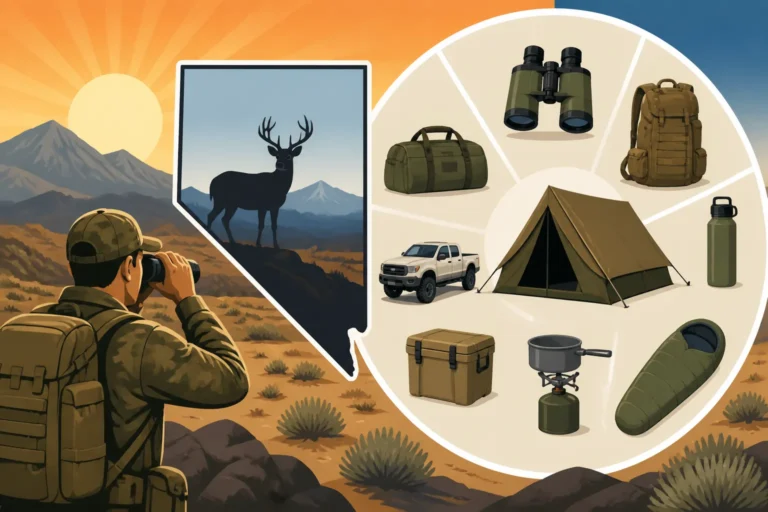
Your outfitter will give you a gear list, and it's essential to follow it. But the cost of that high-quality hunting clothing, appropriate footwear for Nevada's rugged terrain (like the sharp volcanic rock in some units), a reliable backpack, optics, and your weapon of choice (rifle, bow, or muzzleloader) is yours alone. A good pair of binoculars, a spotting scope, and a rangefinder are almost non-negotiable for hunting Glassing Nevada's Basin and Range for Mule Deer. Depending on what you already own, this can be a substantial upfront investment. While an outfitter will provide communal camping gear like tents and cooking equipment, your personal items, from your sleeping bag to your headlamp, are on you. Choosing Boots for Sharp Volcanic Rock might seem like a small detail, but getting it wrong can ruin a hunt and necessitate another expense on the road.
Travel, Lodging, and Transportation to Camp
The outfitter's price generally starts when you arrive at a designated meeting point, which could be a specific town, a trailhead, or the camp itself. Getting to that meeting point is your responsibility. This means budgeting for airfare, rental cars (often a rugged 4×4 for Nevada's challenging dirt roads), fuel for long drives, and any necessary lodging before or after the hunt. Nevada is a vast state, and distances between major airports and remote hunting units can be considerable. You might need a hotel stay the night before meeting your guide or the night after the hunt concludes before you can fly home. These are often forgotten but crucial expenses. Vehicle Prep for Remote Nevada Roads is a serious consideration, and Carrying Extra Fuel on a Nevada Hunt is often a necessity, all of which add to your pre-hunt travel budget.
Unexpected Contingency Costs
Even with the best planning, things can go awry. A broken rifle scope, a torn backpack, or unexpected bad weather requiring additional layers or gear can lead to on-the-spot purchases. Having a contingency fund for such eventualities is wise. Moreover, if your hunt is particularly physically demanding, as many Nevada hunts are, you might need extra supplies for Preparing Physically for Long Glassing Days or specific high-energy foods. While your outfitter provides meals, having personal snacks, hydration packets, and specific dietary items is often up to the individual hunter. These small costs can add up quickly.
Tipping and Gratuities: The Unspoken Rule
This is perhaps the single biggest "unseen" cost that surprises hunters on guided trips. Tipping your guides and camp staff is customary and expected in the hunting industry, and it's almost universally excluded from the advertised outfitter price. Just like tipping a waiter or fishing charter captain, it's a way to acknowledge the hard work, expertise, and service provided.
Understanding Tipping Etiquette
A typical tip for a hunting guide usually ranges from 10% to 20% of the hunt's base cost. For exceptional service, difficult conditions, or if the guide went above and beyond, many hunters choose to tip more. This percentage applies to the outfitter's fee, not your tag or license costs. It's not just the primary guide, either; if there are cooks, wranglers, or other camp staff who made your experience more comfortable or successful, they too are often tipped. This can quickly add a significant sum to your total outlay, often in the thousands of dollars for a quality big game hunt.
Factors Influencing Tip Amounts
Several factors can influence the appropriate tip amount. The quality of the guide's effort, their knowledge of the area and game, their professionalism, and how hard they worked to put you on an animal are all key. Even if you don't harvest an animal, a guide who worked tirelessly and provided an excellent experience still deserves a fair tip. Conversely, if you feel the service was subpar, your tip might reflect that. It's a personal decision, but it's important to understand the expectation. The level of comfort and success is often a direct result of the guide's hard work, from scouting before your arrival to Reading Wind on a Long Sage Stalk in the field.
How to Budget for Gratuities
The best way to handle tipping is to factor it into your budget from the very beginning. When you see an outfitter's price, mentally add that 10-20% on top. Discussing this with your outfitter beforehand can also be helpful; a reputable outfitter will be transparent about tipping customs. It's best to have cash for tips, as it's easier for the guides to divide among themselves, though some outfitters may accommodate other payment methods. This isn't just about charity; it's a vital part of many guides' income, especially those who often put in grueling hours far from home.
| Category | Typically Included in Outfitter Price? | Hunter's Responsibility / Additional Cost |
|---|---|---|
| Guiding Services | Yes | N/A |
| Camp & Meals | Yes (for duration of hunt) | N/A |
| In-Field Transportation | Yes | N/A |
| Hunting License | No | Required purchase by hunter |
| Application Fees | No | Required payment by hunter |
| Big Game Tag | No | Required purchase by successful hunter |
| Bonus Point Purchases | No | Optional investment by hunter |
| Personal Hunting Gear | No | Significant investment by hunter |
| Travel to Meeting Point | No | Airfare, fuel, vehicle rental, lodging |
| Meat Processing | No | Butcher fees, cooler supplies, dry ice |
| Taxidermy | No | Taxidermy fees, shipping |
| Gratuities (Tips) | No | Expected 10-20% of hunt cost |
| Contingency Fund | No | For unexpected repairs, extra gear, etc. |
Understanding Outfitter Agreements and Fine Print
When you book a hunt, you'll almost certainly sign a contract or agreement with the outfitter. This document is your best friend for understanding what's included and what isn't, but you have to read it carefully. Don't assume anything; if it's not explicitly stated, it's likely not part of the base price. Platforms like BookYourHunt often provide comprehensive details about what different packages include, which can be a good starting point for comparison, but always verify directly with the outfitter and their contract.
Deposit and Cancellation Policies
Outfitter hunts require a deposit, often a significant portion of the total fee, to secure your spot. The contract will clearly outline the payment schedule, including when the remaining balance is due. More importantly, it will detail the cancellation policy. What happens if you can't make the hunt due to illness, a family emergency, or you simply don't draw a tag? Many outfitters have strict non-refundable policies or may offer to roll your deposit over to a future year, sometimes with a fee. This is a critical financial consideration, especially when applying for draw tags where success isn't guaranteed. Understanding Reading the Cancellation and Refund Terms is paramount to protect your investment.
Guarantees, Success Rates, and Expectations
Beware of any outfitter offering a "guaranteed" kill on public land. Such guarantees are generally unrealistic and often signify questionable practices. A reputable outfitter will discuss their success rates and shot opportunities, but they can't guarantee an animal, especially in wild, free-ranging environments like Nevada. The contract should clarify what "success" means (e.g., getting a shot opportunity vs. harvesting an animal). If you're looking at a Nevada Dream Tag Raffle Explained or a special auction tag, the expectations might be different, but for most general draw tags, it's about the quality of the hunt and opportunity. Questions Worth Asking Before You Book should always include inquiries about realistic expectations, not just a price.
Additional Services and Hidden Fees
Sometimes, an outfitter might offer additional services that aren't part of the standard package, and these will come at an extra cost. This could include things like airport pick-up and drop-off, a special request for a particular type of camp setup, or even extended hunt days if available and permissible. Always clarify these potential add-ons. Also, be mindful of any "trophy fees." While rare with ethical public land outfitters, some operations, particularly on private land, might charge an additional fee based on the size or score of the animal you harvest. This is one of the expenses highlighted by articles like What Outfitter Prices Almost Never Include and it's essential to get clarification upfront.
The DIY vs. Guided Hunt: A Cost Comparison
It's easy to look at outfitter prices and think a do-it-yourself (DIY) hunt will be inherently cheaper. While it often can be, a truly realistic comparison needs to consider that many of the "extra" costs of a guided hunt still apply to a DIY hunt, just in different forms.
The Appeal of a Guided Hunt
The primary appeal of a guided hunt is the transfer of expertise and logistics. Your guide knows the unit, understands animal behavior, and handles many of the strenuous tasks, like packing out meat from remote areas. This is particularly valuable in a vast, challenging state like Nevada, where learning a new unit on your own can take years. For hunters with limited time, physical constraints, or those seeking a specific trophy, the investment in a guide can significantly increase their chances of success and overall enjoyment. The guide's knowledge of Hunting Water in Nevada's Driest Country or Glassing Grids Across a Nevada Basin can save you days of searching.
The Reality of DIY Expenses
When you plan a DIY hunt, you're responsible for all of the logistical and preparatory costs yourself. You'll still need your license, application fees, and tag. You'll still need all your personal gear, often more of it since you won't have communal outfitter equipment. Vehicle maintenance, special tires for rough roads, extra fuel, food planning and purchasing, detailed map scouting (perhaps with a GoHunt subscription), physical conditioning, and emergency preparedness all fall on your shoulders. Meat processing, taxidermy, and travel remain constants. The cost of a good quality mapping application, along with a satellite communication device for remote areas, can easily add hundreds of dollars that a guided hunter might not need to consider. While you save on the outfitter's fee and tips, you incur costs and responsibilities in every other category. Sometimes, the peace of mind and expertise a guide brings, especially on complex hunts like Bugling Bulls in Nevada's Northern Mountains, is worth every penny.
Disclaimer
This article is for general informational purposes only and does not constitute professional advice. Laws, prices and regulations vary by location and change over time. Consult a qualified professional for guidance on your specific situation.