How Outfitter Trophy Fees Work
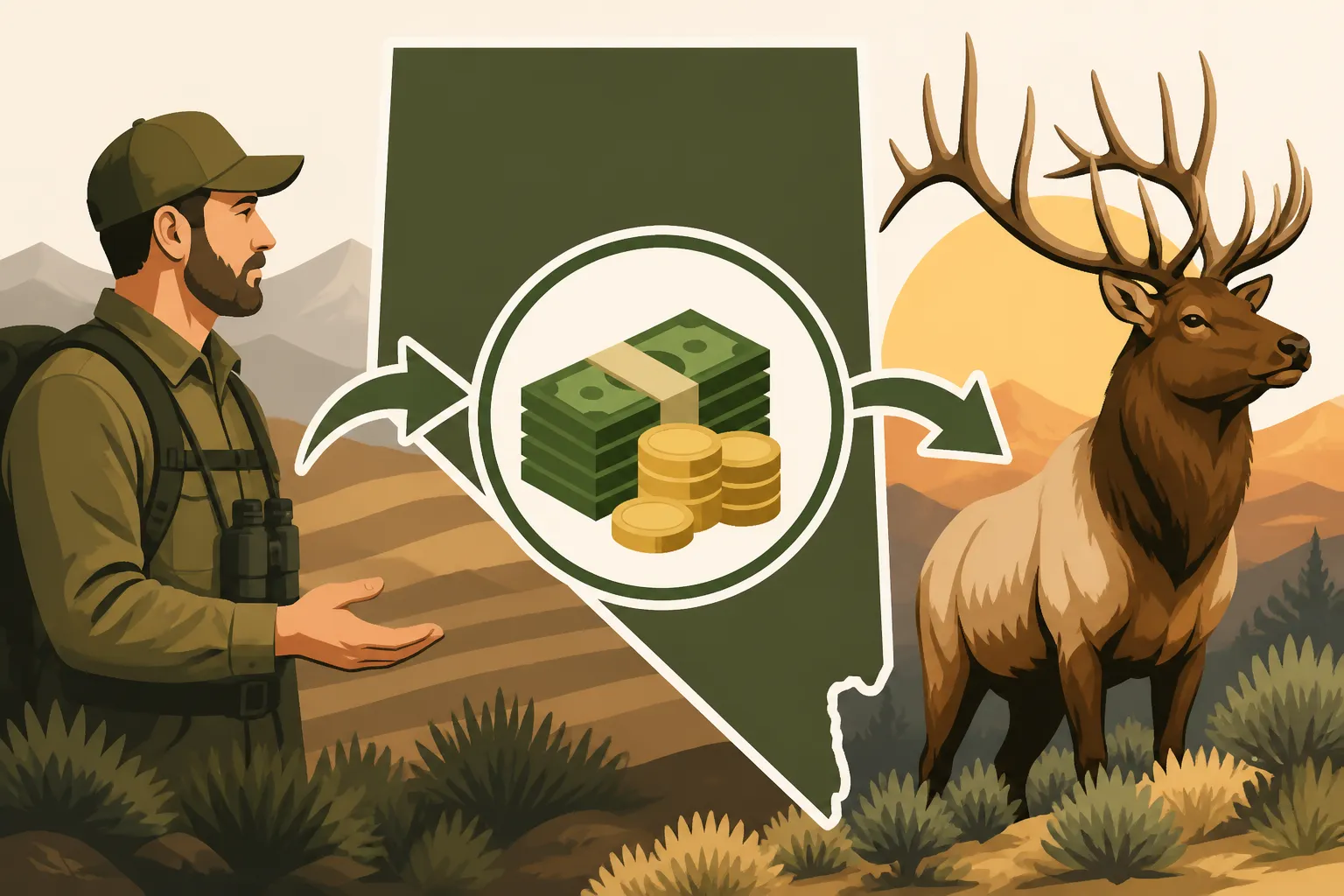
One of the most anxiety-inducing aspects of planning a big game hunt with an outfitter, especially in a trophy-rich state like Nevada, often comes down to the financial side. Beyond the sticker shock of the base hunt price, many hunters find themselves scratching their heads over something called a "trophy fee." This guide is here to pull back the curtain on how outfitter trophy fees work in Nevada, helping you understand what they are, why they exist, and how to navigate them so you don't face any unwelcome surprises.
Understanding the Basic Outfitter Fee Structure
Before we dive into the nuances of trophy fees, it's crucial to understand the foundational cost of a guided hunt. Most reputable Nevada outfitters have a base fee that covers a significant portion of your hunting experience. This initial investment is what you pay to secure your spot, your guide, and the general logistics of the trip.
What a Standard Guided Hunt Covers
Typically, a standard guided hunt fee in Nevada encompasses a range of services designed to give you the best possible chance at success while ensuring your comfort and safety. This usually includes the daily rate for your experienced guide, who often knows the specific hunt units like the back of their hand, understands game movement patterns, and possesses the skills to help you locate and stalk animals. You can expect lodging, which might range from a comfortable lodge to a rugged wall tent camp, along with meals throughout your stay. Transportation during the hunt itself, often in robust 4×4 vehicles capable of navigating Nevada's notoriously rough backroads, is also standard. This core package ensures you have the necessary support and expertise in the field. Think of it as the price for the guide's time, knowledge, and the operational costs of running a camp in remote country.
What's Typically Not Included in the Base Price
Here's where many hunters get caught off guard, and it's essential to clarify upfront. While the base fee covers a lot, there are several significant costs that are almost universally not included. Your state hunting license and species-specific tag (which you must acquire separately, often through a draw process) are never part of the outfitter's price. Meat processing and taxidermy services after a successful harvest are also additional expenses. You'll also be responsible for your travel to and from the outfitter's designated meeting point or camp. Gratuities for your guide and camp staff are also an expected, though optional, additional cost. Finally, and most relevant to our discussion, are trophy fees. These are distinct charges that come into play under specific circumstances related to the animal you harvest. It's vital to have a clear understanding of these exclusions before committing to a hunt. You might find resources on sites like BookYourHunt helpful for comparing what different outfitters bundle into their base prices.
Defining the "Trophy Fee" in Nevada Hunting
Now, let's get down to the core issue: what exactly is a trophy fee in the context of Nevada hunting, and why do outfitters implement them? It's a payment structure that can feel a bit counterintuitive at first glance, but it serves specific purposes for the outfitter.
Why Trophy Fees Exist
Trophy fees primarily exist for a few key reasons, largely centered around game management, incentivizing guides, and reflecting the inherent value and difficulty associated with harvesting certain animals. For highly sought-after species like mule deer or elk, especially those with impressive antlers, the quality of the animal significantly impacts the demand for a hunt. An outfitter may set a lower base fee to attract more hunters, but then add a trophy fee for specific animals to ensure they are compensated for the exceptional animals taken. This also incentivizes guides to work harder to locate and put clients on bigger, older animals, as their efforts are directly rewarded when a trophy-fee animal is harvested. From a game management perspective, it can also encourage hunters to be more selective, reducing pressure on younger animals and allowing them to grow to their full potential. This is particularly true for hunts in units renowned for their big bucks or bulls, like some of the premier elk units in eastern Nevada or mule deer strongholds.
Common Triggers for a Trophy Fee
Trophy fees aren't just arbitrary charges; they're tied to specific criteria. The most common trigger is antler size or "score" for horned or antlered game. For example, an outfitter might have a trophy fee for any mule deer buck that scores over a certain number of inches or an elk bull that is a 6×6 or larger. These scores are often based on official systems like Boone & Crockett or Pope & Young. Sometimes, the trigger is simply species-specific – for instance, a special fee for harvesting a desert bighorn sheep ram, given the rarity and difficulty of those tags. In other cases, it might be tied to specific animals, such as a large bull elk versus a cow elk. It's critical to understand these triggers precisely, as "trophy" can be a subjective term. What one hunter considers a trophy, an outfitter might define very strictly by a measurement. This is why explicit communication is paramount when booking your hunt.
How They're Calculated
The method of calculating a trophy fee can vary significantly between outfitters. Some use a simple flat rate: "If you shoot a buck over 180 inches, there's an additional $X fee." This is straightforward and easy to understand. Others use a tiered system, where the fee increases incrementally with the animal's score. For example, a buck scoring 160-169 inches might incur one fee, while a 170-179 inch buck would be higher, and 180+ inches higher still. Some outfitters might base it on the gross score, while others might use the net score (after deductions for asymmetry). A less common but still present method involves a percentage of the base hunt price, though this is rare for true "trophy" fees. Knowing these calculation methods beforehand is vital for accurately budgeting your hunt. A reputable service like GoHunt can provide detailed information about various hunt opportunities and may offer insights into typical outfitter practices for specific regions or species, helping you prepare.
| Fee Structure Type | Description | Common Triggers | Calculation Method | Potential Impact on Hunter |
|---|---|---|---|---|
| Flat Rate | A single, fixed additional charge for harvesting an animal that meets specific criteria. | Antler minimum (e.g., "any buck over 160" or "any 6×6 bull") | Predetermined fixed dollar amount. | Predictable cost once criteria are met; clear understanding. |
| Tiered Rate | Fees increase in steps based on the animal's size or score. | Score ranges (e.g., 160-169", 170-179", 180"+ for deer; 5×5, 6×6, 7×7 for elk). | Dollar amounts assigned to specific size/score brackets. | Costs escalate with animal quality; encourages selective hunting within tiers. |
| Species Specific | An additional fee applied simply for harvesting a particular species known for its trophy value, regardless of individual size. | Rare species (e.g., Bighorn Sheep, Mountain Goat). | Predetermined fixed dollar amount for the species. | Adds to the cost of highly coveted tags; less emphasis on individual animal score. |
| Score Based | Fee is directly proportional to the measured score of the animal. | Each inch above a minimum threshold incurs an additional fee. | "$X per inch over Y score" (e.g., "$100 per inch over 170"). | Highly variable cost; strong incentive for maximum antler growth. |
Navigating Trophy Fees: What to Ask Before You Book
The key to a smooth hunting experience, free from financial surprises, lies in proactive communication and thorough research. Never assume anything when it comes to outfitter costs.
Key Questions for Your Outfitter
When you're vetting potential outfitters for your Nevada adventure, compiling a list of specific questions about their fee structure, particularly trophy fees, is non-negotiable. Don't be afraid to ask direct questions. First and foremost: "Do you have trophy fees, and if so, for which species and what are the exact criteria?" Get specific numbers and measurements. If it's score-based, ask if it's gross or net, and how field scoring is handled. Who makes the final call on the score in the field? What if there's a disagreement?
You also need to ask about a "wounding policy." This is crucial. Many outfitters consider a wounded animal that isn't recovered as a harvested animal, meaning you'd still owe the trophy fee (and the full hunt price). Clarify this policy explicitly. It's also wise to ask about any fees for identifying the wrong animal, for instance, accidentally shooting a cow instead of a bull, or a smaller buck than intended. Get all of these details in writing, whether it's in their brochure, on their website, or in a written contract. This level of transparency protects both you and the outfitter. Understanding What Outfitter Prices Leave Out will certainly help in this conversation.
Comparing Outfitters with Different Fee Structures
When researching outfitters, you'll likely encounter a variety of pricing models. Some may include all animals in a higher base fee, while others might have a lower base fee with significant trophy fees for larger animals. Don't just look at the base price; consider the potential total cost of the hunt. An outfitter with a higher base fee but no trophy fees might actually be more affordable in the long run if you harvest a big animal, compared to one with a low base fee and steep trophy fees that you're likely to hit.
It's helpful to create a spreadsheet or a simple comparison chart. Factor in all potential costs: license, tag, travel, base hunt, and potential trophy fees for different animal sizes. Calculate a "worst-case scenario" cost (e.g., if you shoot a record-book animal that incurs the highest possible trophy fee) and a "most likely scenario" cost. This holistic view will give you a much clearer picture of the true investment required for your hunt in Nevada. Websites like BookYourHunt allow you to filter and compare many outfitter offerings, making this research a little easier. When you're comparing, also look for transparency in their pricing—outfitters who are upfront about all potential costs usually indicate a more professional operation.
Situations Where Trophy Fees Might Apply Unexpectedly
Even with clear communication, sometimes unforeseen circumstances can arise. One common scenario is the "oops" factor. In the heat of the moment, or due to misidentification, a hunter might shoot an animal that falls into a higher trophy fee bracket than they intended, or even an animal they weren't targeting at all (e.g., an elk hunter accidentally shooting a deer). While a good guide will do everything to prevent this, mistakes can happen. This is where a clear pre-hunt discussion about penalties for such events is vital.
Another scenario is the "wounded animal" clause we touched on. If you wound an animal, and the outfitter or guide determines it's unrecoverable after a diligent search, you will almost certainly be charged the full trophy fee as if you had harvested it. This policy is in place to prevent hunters from taking risky shots on multiple animals, knowing they'll only pay for what they physically recover. This underlines the importance of practicing your shooting extensively before your hunt and only taking ethical shots that you are confident in making. Remember, your guide's primary goal is a clean, ethical harvest, and they will likely give you guidance on When to Take the Shot Your Guide Calls.
Pros and Cons of Trophy Fee Structures
Like any pricing model, trophy fees come with their own set of advantages and disadvantages for both the hunter and the outfitter. Understanding these can help you decide if a hunt with a trophy fee structure is right for your particular style and budget.
Benefits for Hunters
One of the primary benefits for a hunter, especially if you're on a tighter budget or are less concerned with antler size, is that trophy fees can sometimes lead to a lower upfront base cost for the hunt. This makes the initial commitment more accessible and might open up opportunities to hunt in areas or for species that would otherwise be out of reach with a flat, all-inclusive, higher price. If you specifically aim for a smaller animal or are content with any legal animal, you might avoid the additional fee entirely.
Furthermore, the existence of a trophy fee can act as a powerful incentive for your guide. Knowing that an extra fee will be paid upon harvesting a larger, more desirable animal often motivates guides to scout harder, work longer hours, and put in maximum effort to locate the kind of animal that triggers that fee. This can translate into a higher quality hunting experience and a better chance at encountering the caliber of animal you're hoping for. It aligns the guide's success more directly with the quality of the animal harvested. Researching reputable outfitters on platforms like GoHunt can sometimes highlight those with strong track records, which might be partly due to such incentive structures.
Drawbacks and Risks for Hunters
On the flip side, trophy fees introduce a level of financial uncertainty that can be a major drawback. If you do end up taking a large animal, the final cost of your hunt can escalate significantly beyond your initial budget, potentially leading to an unpleasant surprise at the end of your trip. This unpredictability can be a source of stress, especially if you're working with a strict budget.
Another potential risk is the subtle pressure that a trophy fee can exert. Both the hunter and the guide might feel a subconscious pull to hold out for a larger animal, even if a perfectly respectable, legal animal presents an ethical shot opportunity early in the hunt. This can lead to passing on good animals, potentially resulting in going home empty-handed if a bigger one never materializes. This dynamic can detract from the overall enjoyment of the hunt, shifting the focus from the experience itself to the financial implications of a specific animal. This is why setting expectations with your guide before the hunt is so important, clarifying your goals beyond just a "score."
Ethical Considerations and Fair Play
The ethical considerations around trophy fees boil down to transparency and clear communication. For the system to work fairly, outfitters have an obligation to be absolutely upfront about their fee structure, explaining every potential charge, trigger, and calculation method well in advance of the hunt. No hunter should feel ambushed by an unexpected bill. Hunters, in turn, have the responsibility to read contracts thoroughly, ask all necessary questions, and fully understand what they are agreeing to.
When both parties are transparent and honest, trophy fees can be a legitimate way for outfitters to manage their business, reward their guides, and provide hunters with specialized opportunities. However, if transparency is lacking, or if there's any pressure felt by the hunter to take an animal solely for its fee, the system can quickly become problematic. Ultimately, the goal is a mutually beneficial agreement where the hunter feels they received value for their investment, and the outfitter feels fairly compensated for providing a memorable and successful experience in Nevada's incredible hunting grounds. Always prioritize outfitters who champion clear communication and ethical practices from the first conversation.
Disclaimer
This article is for general informational purposes only and does not constitute professional advice. Laws, prices and regulations vary by location and change over time. Consult a qualified professional for guidance on your specific situation.