Who Guides Nevada Dream Tag Winners
Winning a Nevada Dream Tag is, for many, the pinnacle of a hunting career – a truly once-in-a-lifetime opportunity to pursue a coveted animal in some of the most spectacular country imaginable. Yet, for all the excitement, the reality often sets in: these tags are for incredibly challenging hunts in vast, remote units where success depends on intimate knowledge, significant preparation, and often, specialized logistics. Many Dream Tag winners, even seasoned hunters, quickly realize that maximizing this unparalleled opportunity often means partnering with a professional guide, and navigating that choice can feel almost as daunting as the hunt itself. This guide will walk you through why Dream Tag winners often seek guides, how they find the best fit, and what to expect from such a high-stakes partnership.
Understanding the Nevada Dream Tag and Its Unique Challenges
The Nevada Dream Tag isn't just another hunting permit; it's a special opportunity to pursue a specific species in nearly any unit for an extended season, often outside of general hunting dates. This privilege comes with immense pressure and responsibility, and it's unlike any other tag available through the general draw.
What Makes a Dream Tag Hunt Different?
First and foremost, a Dream Tag removes many of the limitations that general tags impose. You're usually talking about an extended season, often spanning prime rut periods, and the flexibility to hunt across broad unit groups, or even statewide, for a specific species like elk or bighorn sheep. This means you’re not limited to a single week in October; you might have a window stretching months, allowing for incredible flexibility but also requiring a vastly different approach to scouting and planning. The stakes are incredibly high, both financially (these tags represent a significant investment, even if not paid for directly) and emotionally, as it's often a hunter's best, and perhaps only, shot at a truly exceptional animal. The locations are often incredibly remote, rugged, and demand a level of physical endurance and logistical expertise that many weekend warriors simply don't possess.
This isn't your everyday deer hunt on easily accessible public land. We're talking about vast, unbroken stretches of the Great Basin, formidable mountain ranges like the Rubies or Schell Creeks, and terrain that can chew up vehicles and test even the most well-conditioned hunter. The sheer scale of the units, combined with the extreme temperatures that can swing wildly from blistering heat to freezing cold within hours, makes these hunts physically and mentally draining. The goal isn't just to punch a tag; it's to find a truly magnificent animal, which requires meticulous planning and often, local knowledge that takes years to accumulate.
Why Even Experienced Hunters Seek Guidance
You might think that if someone has been hunting for decades, they wouldn't need a guide. But a Nevada Dream Tag hunt is a different beast entirely. Even the most experienced DIY hunters face several immediate challenges. Firstly, the specific unit you might choose for your Dream Tag hunt could be hundreds of miles from your home, and completely unfamiliar. Knowing the subtle nuances of specific drainages, migration routes, water sources, and bedding areas is a lifetime endeavor for a local, not something you can learn in a few scouting trips. Guides often spend months before the season scouting these animals, learning their patterns, and locating trophy-caliber animals. E-Scouting a Nevada Unit Before the Season is a great start, but it can only take you so far.
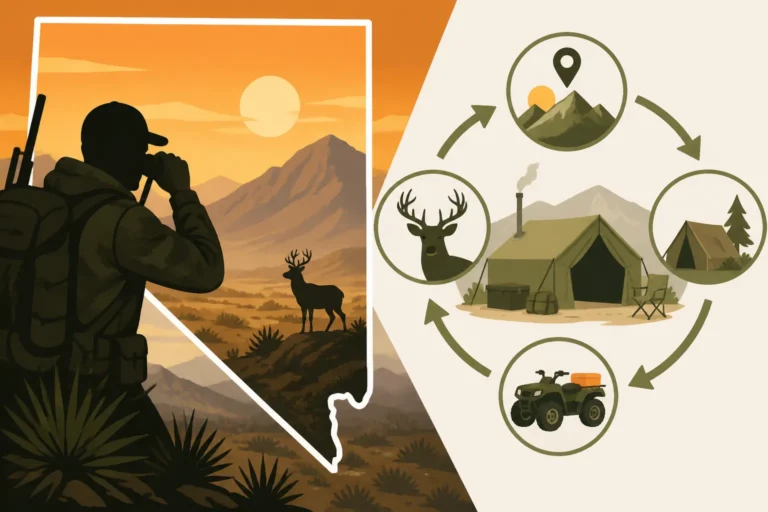
Secondly, the logistics of a multi-week, high-country or deep-desert hunt are immense. From reliable vehicle support for remote roads, setting up comfortable and functional spike camps, packing in provisions, to the vital task of packing out a large animal over miles of rough terrain, these are all elements that a guide service specializes in. Consider the effort involved in Packing an Animal Out of Roadless Country or the critical need for Getting Meat Cooled on an Early Season Hunt in August. Guides alleviate these burdens, allowing the hunter to focus entirely on the hunt itself and making the most of every precious moment. They also bring specialized equipment – better optics, capable vehicles, perhaps even horses or mules – that many hunters don't own or have the skills to operate in such demanding environments.
How Dream Tag Winners Find Their Ideal Guide
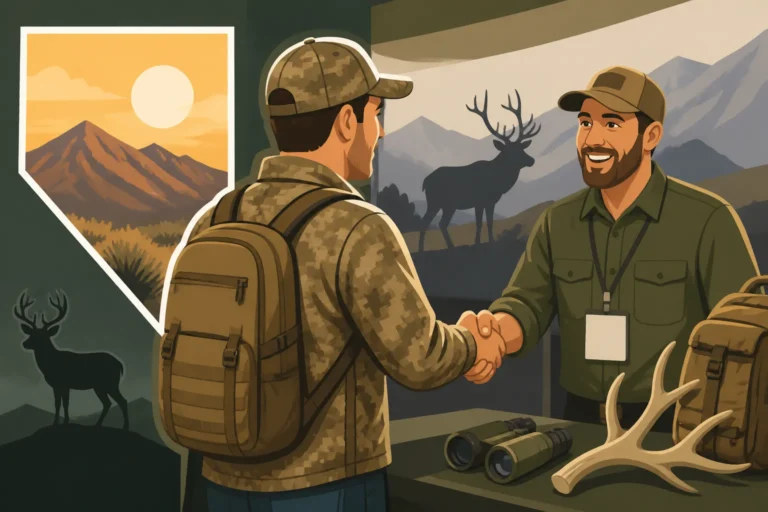
Finding the right guide for a Dream Tag hunt is perhaps the most critical decision a winner will make. It's not just about finding a guide; it's about finding the best guide for your specific hunt and expectations.
Leveraging Personal Networks and Reputations
For a high-stakes hunt like a Dream Tag, personal recommendations carry immense weight. Many winners start by talking to other hunters, especially those who have drawn similar coveted tags or have hunted extensively in Nevada. The hunting community, particularly at the trophy level, is often tight-knit, and word-of-mouth about a guide's reputation, ethical practices, and success rates spreads quickly. You’ll hear names come up repeatedly, and this can be a great starting point for compiling a list of potential candidates.
Beyond direct referrals, many guides for these premium tags have built their reputations over decades. They are often "master guides" with a deep, almost encyclopedic knowledge of specific units and the behavior of trophy animals within them. Don't be shy about asking potential guides for references from past clients, particularly those who have held special tags. Speaking directly to someone who has gone through the Dream Tag experience with a specific outfitter can provide invaluable insight into their operational style, communication, and overall professionalism. This isn't a quick decision; it's an extensive vetting process to ensure your significant investment of time, effort, and opportunity is placed in capable hands.
Utilizing Online Resources and Platforms
While personal networks are invaluable, the digital age offers powerful tools for initial research and vetting. Websites like BookYourHunt and GoHunt can serve as excellent starting points for exploring registered outfitters who operate in Nevada. These platforms often list guides by species, region, and type of hunt, providing profiles that detail their services, experience, and sometimes even client reviews. They allow you to cast a wider net initially, helping you discover guides you might not have found through your immediate contacts. Where Nevada Lists Licensed Guides can also be a critical resource for verifying legitimacy.
However, it's crucial to remember that online listings are just a starting point. Once you identify potential guides, you must dive deeper. Check their personal websites, social media channels, and look for independent reviews on forums or dedicated hunting publications. Be wary of guides with little online presence or those whose testimonials seem overly generic. Use these platforms to create a shortlist, then transition to direct communication and in-depth questioning. Services like GoHunt also offer detailed unit information and draw odds that can help you understand the landscape a guide operates in, even before you make contact.
The Importance of Specialization and Local Knowledge
Nevada is a massive state, and a guide who is excellent at calling elk in the Ruby Mountains might not be the best choice for stalking desert bighorn in the southern ranges, or for Spot and Stalk Antelope on Nevada's Open Flats. For a Dream Tag hunt, you need a guide who specializes in your specific species and, ideally, has extensive, proven experience in the unit or unit group you plan to hunt. Ask them about their history in those specific areas. How many seasons have they guided there? What are their intimate knowledge points – historical weather patterns, animal movement corridors, preferred wintering grounds, or even specific water sources that How Guzzlers Concentrate Desert Game in the area?
A specialized guide often has established relationships with landowners if any private land access is involved, and a deep understanding of the local landscape's unique challenges. They'll know What Nevada Backroads Do to a Tire and have the recovery gear to handle it. They understand the intricacies of local game populations, herd health, and what constitutes a truly mature animal in that specific ecosystem. This level of granular knowledge is what separates a good guide from an exceptional one, and for a Dream Tag, you absolutely want exceptional.
What to Expect from a Guided Dream Tag Hunt
A guided Dream Tag hunt is far more than just someone taking you out to shoot an animal. It's a comprehensive service designed to maximize your chances of success and ensure a safe, ethical, and memorable experience.
Comprehensive Scouting and Preparation
Long before you ever set foot in the field, a top-tier Dream Tag guide will have invested significant time and resources into scouting. This isn't just a few days of looking around; it can involve weeks or even months of pre-season work. They'll be on the ground, glassing from vantage points, tracking animal movements, and locating specific trophy animals. This is especially true for species like bighorn sheep or record-book mule deer, where a specific ram or buck might be targeted. They'll use high-end optics for Glassing Grids Across a Nevada Basin and have an intimate understanding of Best Time of Day to Glass a Basin.
You should expect regular communication from your guide in the lead-up to the hunt, including scouting reports and updates on animal activity. This preparation isn't just about finding animals; it's about understanding their patterns, anticipating their movements, and identifying the best strategies for approach and harvest. They’ll also be preparing the camp, ensuring equipment is in top shape, and planning for every contingency, from weather changes to medical emergencies. This extensive groundwork is a massive value proposition for a Dream Tag winner.
Logistical Support and Field Expertise
One of the greatest benefits of a guided Dream Tag hunt is the complete logistical support provided. Imagine the burden lifted from your shoulders: no worrying about camp setup and breakdown, meal preparation, water filtration, or navigating treacherous backroads. Your guide handles it all. This frees you up to focus entirely on the physical and mental demands of the hunt itself. They provide the reliable vehicles, the specialized equipment like spotting scopes and tripods, and often, pack animals for remote access or meat retrieval. Pack String Outfitters Working in Nevada can be invaluable in roadless areas.
Furthermore, a guide's field expertise is irreplaceable. They'll interpret tracks and sign, read the wind, assess shot opportunities, and provide crucial advice on Playing Thermals on a Rimrock Stalk. In high-pressure situations, their calm guidance can make all the difference between a successful harvest and a missed opportunity. They know the terrain intimately, understanding Terrain That Hides an Approach in Open Country and how to safely navigate it. Their experience extends to proper field care of your animal, ensuring that the meat is salvaged correctly and the trophy is preserved, even in challenging conditions.
Ethical Considerations and Trophy Care
A reputable guide places a high emphasis on ethical hunting practices and strict adherence to Nevada's regulations. They will ensure you are hunting within legal shooting hours, respecting private land boundaries, and that all necessary tags and licenses are in order. They’ll also prioritize a clean, ethical shot, working with you to get into the best possible position for a quick and humane harvest. Legal Shooting Hours and Blaze Orange in Nevada are just two examples of regulations they'll ensure are followed.
After the animal is down, their expertise truly shines. Proper Field Dressing in August Heat is crucial for meat preservation, and a guide will have the knowledge and tools to handle it efficiently. They'll ensure all Evidence of Sex Requirements on a Carcass are met and assist with tagging. For trophy animals, they'll know how to cape and skull for taxidermy, preparing it for transport and making referrals for Taxidermy Referrals Your Outfitter Can Make. This meticulous care ensures that your once-in-a-lifetime trophy is handled professionally from the field to your wall.
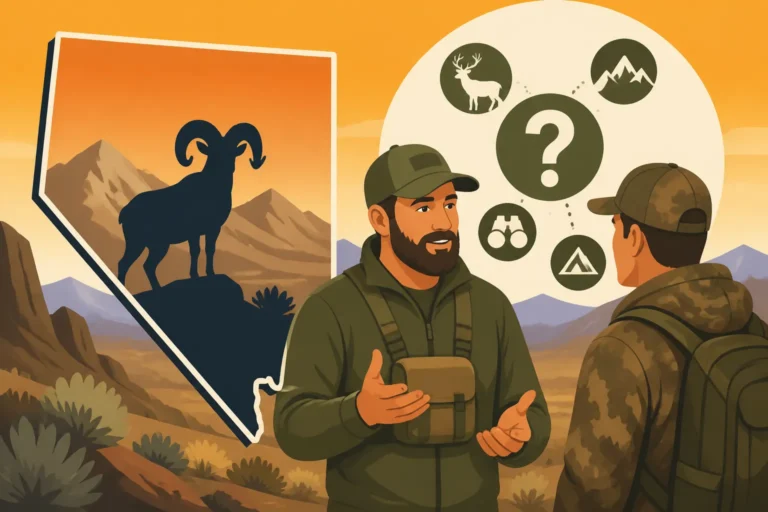
Key Questions to Ask a Prospective Dream Tag Guide
Choosing a guide for your Dream Tag means asking tough questions and expecting clear, honest answers. This is your hunt of a lifetime, and you deserve complete transparency.
Experience, References, and Licensing
One of your first questions should be about their experience, specifically with Dream Tag or similar high-value hunts for your species in your chosen unit. Ask for references from past Dream Tag clients. Don't just get names; follow up with those individuals and ask candid questions about their experience. Inquire about the guide's specific success rates for the species and unit you're targeting – not just overall success, but success on trophy animals.
Crucially, verify their licensing. In Nevada, guides need both a state guide license from NDOW and often federal permits to operate on public lands, which comprise most of Nevada's hunting grounds. Ask to see proof of their Nevada Master Guides May Work the Whole State license and Nevada Guides Need Federal Permits on Top of a State License. Make sure their federal land permits cover the specific BLM or National Forest lands within your chosen hunting unit. This is paramount, as hunting with an unlicensed or improperly permitted guide can lead to serious legal issues for everyone involved. Ask How to Verify a Nevada Guide License and don't hesitate to do your due diligence.
Hunt Plan, Success Rates, and Contingencies
A good guide will have a detailed plan for your hunt, even if it's subject to change based on conditions. Ask them to walk you through their proposed approach: scouting strategy, camp logistics, daily routine, and how they plan to How Outfitters Plan Around Water Sources. What is their philosophy on calling versus still-hunting, or sitting water versus spot-and-stalk? What is their track record for finding and harvesting true trophy animals in that unit? While no guide can guarantee a kill, they should be able to articulate a realistic expectation based on their experience and the unit's history.
Beyond the ideal scenario, discuss contingencies. What happens if the weather turns bad, a vehicle breaks down in remote country, or a hunter gets injured? What is their emergency evacuation plan, and what kind of Wilderness First Aid on a Guided Hunt capabilities do they have? Understanding their backup plans and safety protocols is essential for your peace of mind. Also, clarify their policy on How Outfitters Handle a Wounded Animal – a critical ethical consideration.
Costs, Inclusions, and Exclusions
This is where clarity is absolutely vital. A guided Dream Tag hunt is a significant financial commitment. Get a detailed breakdown of all costs upfront. Ask what is explicitly included in the price: guiding services, lodging, meals, transportation during the hunt, field dressing, meat processing prep, and trophy care. Then, clarify what is not included. Often, this list might include your tag fees, licensing, taxidermy, meat processing, gratuities, travel to the starting point, and sometimes even specific gear.
Make sure you understand their deposit schedule and, critically, their cancellation and refund policy, particularly if you were to fail to draw a tag (though this isn't usually an issue with Dream Tags, as they are drawn separately). Transparency here prevents misunderstandings and unexpected expenses down the road. While What a Guided Nevada Elk Hunt Costs varies wildly, having a clear, written agreement detailing all financial aspects is non-negotiable.
| Factor to Consider | Description | Importance for Dream Tag Hunt |
|---|---|---|
| Guide's Experience | Years of guiding, specific species expertise, history in chosen unit. | High |
| Reputation & References | Feedback from past clients (especially Dream Tag holders), industry standing. | High |
| Licensing & Permits | State guide license, federal land permits (BLM, Forest Service) for unit. | Critical |
| Hunt Plan & Strategy | Detailed approach to scouting, hunting, logistics, and backup plans. | High |
| Success Rates | Documented success rates for trophy animals in the specific unit. | High |
| Logistical Capabilities | Vehicles, camp setup, pack animals, communication, emergency plans. | High |
| Inclusions/Exclusions | Clear breakdown of what the price covers (food, lodging, prep, etc.). | Critical |
| Ethical Standards | Commitment to fair chase, legal practices, and game care. | High |
| Communication | Responsiveness, clarity, and frequency of pre-hunt communication. | Medium |
For a Nevada Dream Tag winner, securing the right guide isn't just a luxury; it's often a strategic necessity to maximize an unparalleled opportunity. It transforms what could be a frustrating and logistically overwhelming experience into a focused, well-supported pursuit of a lifetime trophy. By thoroughly vetting potential guides, asking the right questions, and setting clear expectations, you can ensure that your Dream Tag hunt lives up to its name in every possible way.
Disclaimer
This article is for general informational purposes only and does not constitute professional advice. Laws, prices and regulations vary by location and change over time. Consult a qualified professional for guidance on your specific situation.