What the Digits in a Nevada Unit Mean
You’ve likely stared at the Nevada hunting regulations, trying to make sense of those cryptic numbers like "Unit 011" or "Hunt 1011." It can feel like you need a secret decoder ring just to figure out where you're even allowed to hunt, let alone when or for what. This guide is here to pull back the curtain on Nevada's unit numbering system, helping you understand what those digits actually mean, how they're structured, and why mastering this information is absolutely crucial for planning any hunt in the Silver State.
Deciphering the Nevada Unit Numbering System
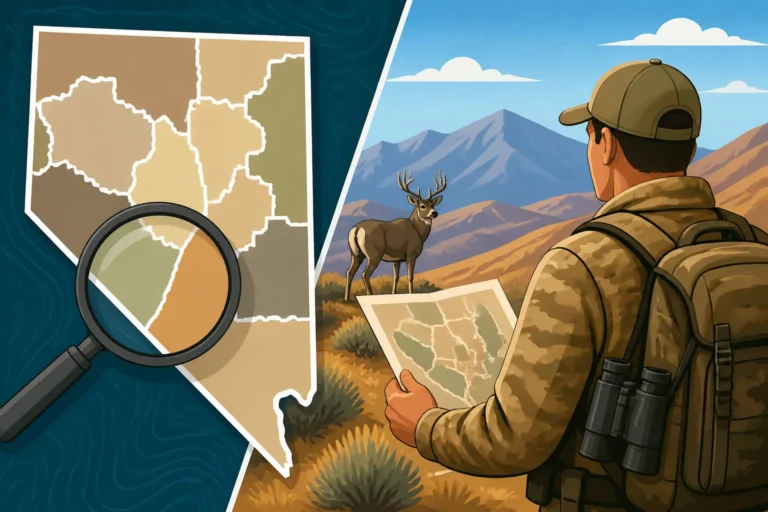
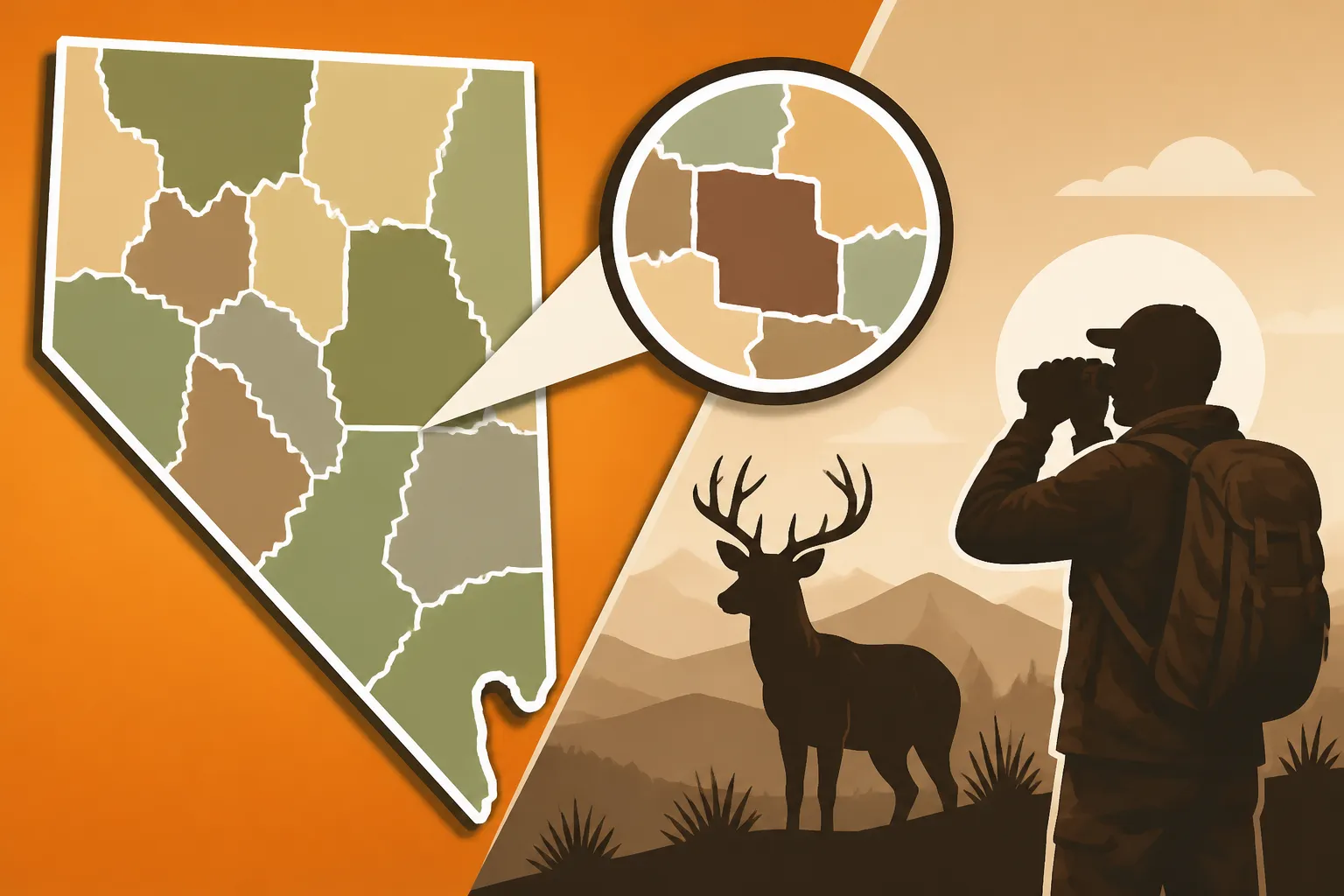
Nevada's approach to designating hunting areas might seem a bit abstract at first glance, especially if you're used to states that simply name large regions. But once you understand the logic, those seemingly random numbers become incredibly powerful tools for planning. Every single big game hunt in Nevada is tied to one or more of these unit numbers, which are essentially geographical boundaries drawn on a map.
The Basic Structure: Unit, Sub-Unit, and Groupings
At its core, Nevada's system uses a primary unit number, often a two or three-digit figure, to denote a larger geographical area. Think of these as the main chunks of real estate. For instance, you might see "Unit 011" or "Unit 221." These are distinct and defined by specific landmarks, roads, or natural features. Sometimes, a unit can be further divided into sub-units, which might be indicated by a letter suffix or an additional digit in the hunt code, though this is less common for the base geographical unit itself and more often seen in the specific hunt codes.
For example, a hunt might be listed for "Unit 011." This is your primary geographical area. If you're looking at specific hunt codes, you might see something like "1011," where the "1" often refers to a species or season type, and the "011" is the unit. It's vital to learn Reading a Nevada Hunt Unit Before You Apply because these numbers are the foundation of your application. Understanding that "011" refers to a specific piece of ground north of Reno, for instance, immediately starts to shape your scouting and application strategy. Without knowing this fundamental connection, the regulations are just a string of meaningless characters.
Geographic Clues Within the Numbers
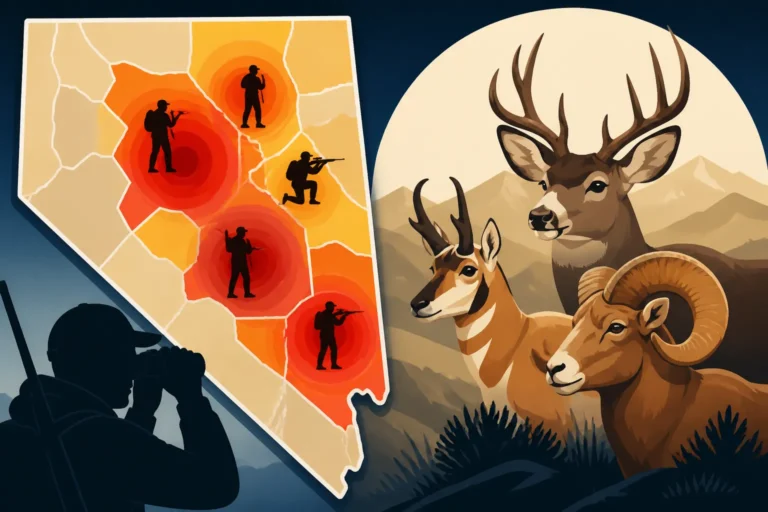
One of the neat things about Nevada's unit numbering, which can be incredibly helpful for a quick mental map, is that there's a general geographic flow to the numbers. While not a hard-and-fast rule without exceptions, you'll often find that lower numbers tend to be in the southern parts of the state, particularly down near Las Vegas and the southern deserts. As you move northward through Nevada, the unit numbers generally climb higher.
For instance, units in the 01X, 02X, or 03X range might be down around the Spring Mountains or in the vast desert expanses closer to the Arizona border. When you start seeing numbers in the 05X, 06X, or 07X range, you're often looking at central Nevada, perhaps around the Toiyabe Range or Monitor Range. Then, as you hit the 10X, 11X, 22X, or even 28X numbers, you're definitely up in the northern reaches, perhaps near Elko, Winnemucca, or the Jarbidge Wilderness. This isn't a perfect system, but it gives you an immediate, rough idea of where the unit is located, which is incredibly valuable for initial planning or discussions with other hunters. It’s like a secret handshake among those who understand the lay of the land, allowing you to quickly orient yourself on a map, even if you’re just hearing a unit number mentioned in passing.
The "Unit Group" Concept
Sometimes, a single big game tag isn't valid for just one unit, but for a combination of several. This is where the concept of "unit groups" comes into play. You might see a hunt explicitly listed as "Units 011-013" or "Units 071, 072, 074." This means that if you draw a tag for that hunt, you have the flexibility to hunt in any of those specified units within that grouping.
These groupings are often created to manage game populations across broader landscapes, especially for species that migrate between mountain ranges or utilize expansive valley floors. For a hunter, this can be a huge advantage. Instead of being confined to a single mountain range, you might have access to several adjacent areas, which increases your chances of finding game and adapting to conditions like weather or hunting pressure. Understanding Nevada Unit Groups and How They Combine is crucial because it directly impacts the amount of huntable ground you’ll have if you’re successful in the draw. For example, a mule deer hunt might cover three units, offering different terrain features or access points, giving you more options than a hunt confined to just one. It’s important to clarify if your chosen hunt is for a single unit or a group, as it significantly broadens or narrows your potential hunting grounds.
| Unit Number Range | General Geographic Location | Common Species (General) | Terrain Clues (General) |
|---|---|---|---|
| 01X – 04X | Southern Nevada | Desert Bighorn, Mule Deer, Elk | Desert Mountains, Valleys |
| 05X – 09X | Central Nevada | Mule Deer, Elk, Pronghorn | Sagebrush, Mountain Ranges |
| 10X – 18X | East/Northeast Nevada | Elk, Mule Deer, Bighorn | High Mountains, Forests |
| 19X – 22X | North/Northwest Nevada | Mule Deer, Elk, Pronghorn | Sagebrush, Basins, Mountains |
| 23X – 29X | Western/Northwest Nevada | Mule Deer, Bear, Elk | Mountain Ranges, Timber |
Note: This table provides general guidance. Specific unit boundaries and species presence vary greatly. Always consult current NDOW regulations for precise information.
Practical Application for Hunters
Understanding the numerical system is just the first step. The real magic happens when you translate those numbers into practical hunting strategies. Every decision, from where you apply to where you pitch your tent, will hinge on correctly interpreting these unit designations.
Pinpointing Your Hunting Ground
Once you have a unit number in mind, whether it's one you've researched for its trophy potential or simply one you drew a tag for, your next step is to translate that abstract number into tangible geography. This is where modern tools become indispensable. Mapping applications like onX Hunt or GoHunt are incredible for this. You can plug in the unit number, and bam! – the boundaries light up on your screen. This visual representation is far more powerful than just reading a description in a text document.
For instance, if you're researching Unit 071, you can instantly see that it's nestled in a particular mountain range, flanked by specific roads or other units. You can then zoom in, identify key access points, potential water sources, and areas of public versus private land. This process of Downloading Nevada Unit Boundary Layers into your mapping app before you even leave home is a game-changer. It allows you to virtually scout the terrain, mark potential camping spots, and identify areas that might hold the most promise for your chosen species. It makes planning your approach and understanding the challenges of the landscape infinitely easier.
Understanding Season Dates and Species
Each unit number, or unit group, is inextricably linked to specific season dates and the species you're allowed to pursue. The Nevada Department of Wildlife (NDOW) regulations are meticulously organized by these unit numbers. When you draw a tag, it won't just say "Mule Deer," it will say "Mule Deer, Unit 071, Archery, Aug 1-15." This level of specificity is why knowing your unit number is non-negotiable.
You need to thoroughly read Reading the Nevada Big Game Seasons Document for your specific unit and hunt code. Don't assume that because your buddy hunted mule deer in Unit 071 in October, your August archery tag for the same unit will have the same rules or opportunities. The season dates, weapon type, and even the sex of the animal you can harvest are all tied to that specific unit and hunt code. Neglecting to cross-reference your tag with the precise regulations for your unit can lead to serious legal trouble and a ruined hunt. It's not just about knowing where you can hunt, but when and how.
Researching Draw Odds and Harvest Data
For many hunters, the journey to a Nevada big game tag begins long before the season, with the draw application process. And guess what? This process is entirely unit-specific. When you're trying to figure out your chances of drawing a coveted elk tag or a solid mule deer unit, you'll be looking at historical draw odds and harvest statistics, all broken down by unit number. Websites like GoHunt are fantastic resources for this, providing detailed breakdowns based on unit performance.
If you're considering applying for a particular unit, say Unit 111, you'll want to dive into its past performance. Where Nevada Publishes Harvest Data will show you how many tags were issued, how many animals were harvested, and the success rate for that specific unit in previous years. This information is gold for developing a smart application strategy. Units with consistently high success rates or low draw odds for non-residents might indicate either exceptional hunting or extreme competition. Conversely, some units might have higher draw odds but lower success rates, signaling a tougher hunt or more challenging terrain. Understanding Why Nevada Draw Odds Vary So Much by Unit is crucial for making informed choices that maximize your chances of drawing a tag you can be successful on. It’s all about doing your homework, and the unit number is your key.
Beyond the Numbers: What Else to Consider
While the unit numbers provide the framework, a truly successful Nevada hunt requires looking beyond the digits themselves and understanding the broader context of the land they represent.
Terrain and Access Insights
The beauty of Nevada's diverse landscape means that two units, even with similar numbers, can present vastly different hunting challenges. A unit in southern Nevada might be defined by low-elevation desert mountains and endless sagebrush flats, while a unit in the northeast could feature high alpine peaks, scattered timber, and challenging volcanic rock. The unit number, while not explicitly describing the terrain, should prompt you to investigate further.
When you're looking at Reading a Nevada Unit Boundary Map, pay attention to the contour lines, elevation changes, and major geographical features. Are there deep canyons? Expansive basins? Dense juniper pockets? These elements will dictate your hunting style, physical preparation, and gear choices. For example, a unit known for its steep, rocky terrain will require different boots and conditioning than a unit characterized by rolling sagebrush hills. Also, consider access: some units are crisscrossed with dirt roads, while others might contain vast wilderness areas only accessible by foot or horseback. E-Scouting a Nevada Unit Before the Season by studying topography layers in your mapping app can reveal hidden draws, potential glassing knobs, and escape routes for game, helping you anticipate the challenges and opportunities before you even step foot in the field. Understanding the topography is as important as understanding the regulations.
Local Knowledge and Community
Even with all the digital maps and harvest data, there's an invaluable layer of insight that comes from local knowledge and the hunting community. Unit numbers become the common language for these conversations. When you're talking to a seasoned Nevada hunter, whether online or in person, they'll often refer to units by their numbers. "How was Unit 071 this year?" or "Anyone have intel on Unit 111?" are common questions.
These discussions can provide nuanced details that regulations and maps might miss, like the typical wintering grounds, migration patterns, or specific areas that tend to hold pressure. While every hunter guards their secret spots, many are willing to share general information about a unit's character, its challenges, or what to expect in terms of game density. Participate in forums, visit local sporting goods stores, or attend hunting expos. Always remember to take anecdotal information with a grain of salt, but it can be a valuable supplement to your data-driven research. Asking about Unit 012 will get you a far more helpful response than asking about "the area around that one mountain range." It’s about being part of the conversation.
Dynamic Unit Changes and Current Regulations
It's important to recognize that while unit numbers are relatively stable, their associated regulations are not set in stone. The NDOW reviews herd populations, habitat conditions, and hunter success annually. This means that season dates, available weapons, and even unit boundaries can occasionally be adjusted. This is part of How Nevada Sets Its Season Framework and ensures sustainable wildlife management.
Never rely solely on information from previous years or what a friend told you five years ago. Always, always consult the most current Nevada Big Game Seasons and Application Guide for the year you intend to hunt. This document is the definitive source for all regulations tied to those unit numbers. A unit that offered a late rifle hunt one year might only have an early archery hunt the next, or a unit group might be slightly modified. Double-checking ensures you're compliant and prepared. For example, Checking Public Land Percentage by Unit is important, as private land boundaries can shift, or access agreements can change, impacting your huntable acreage. Staying current is key to a successful, legal, and frustration-free hunt. You can also gain insight into the land by Reading a BLM Surface Management Map, which helps identify current land ownership and management areas.
Disclaimer
This article is for general informational purposes only and does not constitute professional advice. Laws, prices and regulations vary by location and change over time. Consult a qualified professional for guidance on your specific situation.