Which Bighorn Subspecies Nevada Offers
It can be incredibly confusing when you first start looking into Nevada's bighorn sheep hunting, wondering not just if you can draw a tag, but what kind of sheep you might even be pursuing. It's not just "bighorns" out here; Nevada is a unique state, one of the few that actually manages and offers tags for three distinct subspecies of bighorn sheep. This guide will walk you through exactly which bighorn subspecies call Nevada home and what makes each one special.
Understanding Nevada's Diverse Bighorn Sheep Landscape
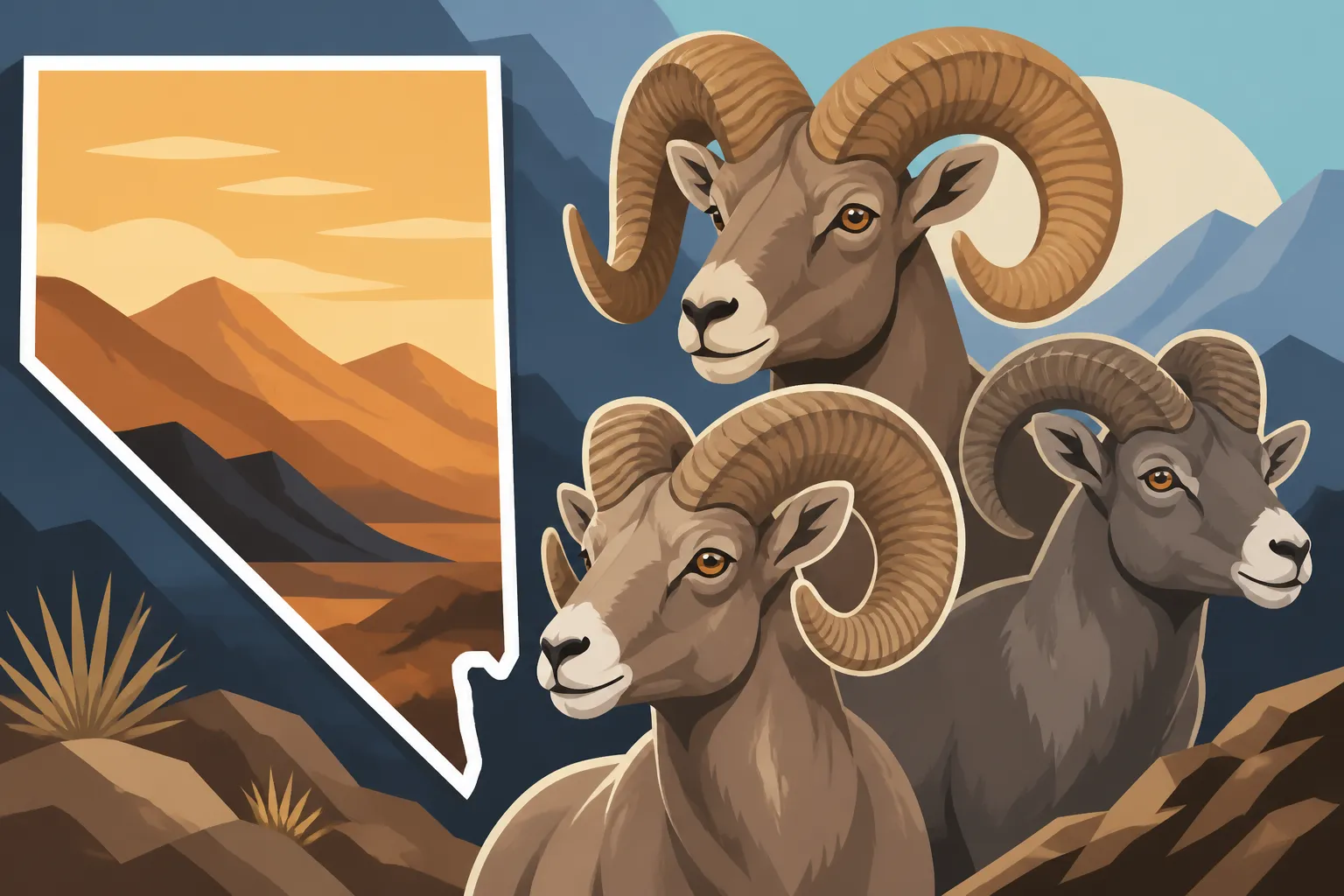
Nevada is truly a special place for bighorn sheep enthusiasts. While many states might have one or maybe two types, our state is home to all three North American bighorn subspecies: the Desert Bighorn, the California Bighorn, and the Rocky Mountain Bighorn. This biological richness is a testament to the diverse and often rugged landscapes that define Nevada, from the scorching low deserts to the sky-scraping alpine peaks. Each subspecies has adapted to its unique niche, leading to distinct physical characteristics, behaviors, and, consequently, hunting experiences.
For hunters, understanding these differences isn't just an academic exercise; it's crucial for planning your application strategy. If you're dreaming of a bighorn tag, knowing which units host which subspecies, and the type of terrain you'll be hunting, can make all the difference. Nevada's Department of Wildlife (NDOW) manages these herds with great care, often through incredible efforts to reestablish and maintain healthy populations across their historic and expanded ranges. It's a true conservation success story to see these majestic animals thriving in such diverse environments.
The Desert Bighorn: King of the Arid Ranges
When most people picture bighorn sheep in Nevada, they're probably thinking of the Desert Bighorn. These are the iconic sheep of the American Southwest, perfectly adapted to some of the harshest, most unforgiving landscapes imaginable. They are a symbol of resilience, thriving in places where water is scarce and temperatures soar.
Habitat and Range of Desert Bighorn
Desert Bighorns primarily inhabit the rugged, steep, rocky mountain ranges throughout Southern and Central Nevada. Think of places like the Spring Mountains, Sheep Range, and Pintwater Range near Las Vegas, or even further north into areas around the Ruby Mountains, where you can find desert bighorns in certain units. Their territory is defined by precipitous terrain that offers escape from predators, interspersed with pockets of sparse vegetation for forage. These sheep are masters of their environment, able to go extended periods without free water, obtaining much of their moisture from the plants they eat. However, when water is available, especially during the scorching summer months, you'll often find them concentrated around springs or constructed guzzlers. Knowing how guzzlers concentrate desert game can be a real game-changer for scouting these areas.
Distinctive Characteristics
Desert Bighorns generally have lighter-colored coats, ranging from a light tan to a brownish-gray, which helps them blend in with the sun-baked rocks and desert scrub. Their horns, especially on mature rams, curl back and down, often flaring out wide, creating that classic "full curl" that hunters dream of. They tend to be slightly smaller in body size compared to their northern cousins, but their physical prowess in extreme terrain is unmatched. A mature ram can weigh between 150-200 pounds, but what they lack in sheer bulk they make up for in pure grit and agility. Spotting these animals requires intense glassing sessions, often across vast distances, which means understanding optics power for Nevada's long sightlines is critical.
California Bighorn: The Rugged Northerners
Moving northward and westward into Nevada's more temperate and mountainous regions, you'll encounter the California Bighorn. These sheep represent a fascinating link between the desert and Rocky Mountain varieties, often inhabiting country that is slightly less arid than the desert bighorn's domain but still incredibly rugged.
Northern Nevada's Rocky Outcrops
California Bighorns primarily roam the steep, rocky slopes and rimrock country of Northern and Western Nevada. Think of ranges like the Santa Rosa Mountains, Jackson Mountains, and the Sheldon National Wildlife Refuge area. Their habitat often includes more pockets of juniper and mountain mahogany, providing a bit more cover and different forage opportunities than the open desert. While still adept at finding water in dry conditions, their ranges tend to receive slightly more precipitation, leading to different vegetation communities. Hunting these areas might involve navigating denser sagebrush and steeper, more broken country. Successfully applying for these units means diving deep into unit research, and platforms like GoHunt can be invaluable for analyzing historical draw odds and unit characteristics for Where California Bighorn Live in Nevada.
Identifying California Bighorn
California Bighorns typically exhibit a darker brown coat than their desert counterparts, sometimes with a grayish tint, especially in winter. They also sport a noticeable white rump patch. Their horns are often more tightly curled and massive than those of the Desert Bighorn, and tend not to spread as wide, giving them a more compact appearance. These sheep are generally a bit larger-bodied than Desert Bighorns, with mature rams weighing in the range of 175-225 pounds. They're built for navigating the challenging, often snow-dusted, terrain of Nevada's northern mountain ranges. If you manage to draw one of these coveted tags, preparing for packing an animal out of roadless country will be a serious consideration.
Rocky Mountain Bighorn: High Country Giants of the East
The third, and often least known among casual Nevada hunters, is the Rocky Mountain Bighorn. These magnificent animals call the state's highest and most rugged eastern mountain ranges home, thriving in environments that are starkly different from the desert floor.
Alpine and Subalpine Strongholds
Rocky Mountain Bighorns in Nevada are concentrated in the truly alpine and subalpine environments of the state's northeastern and eastern mountain ranges. The Ruby Mountains, East Humboldt Range, and the Jarbidge Wilderness are prime examples of Where Rocky Mountain Bighorn Live in Nevada. This is country defined by high elevations, often above 8,000 feet, with open ridges, steep canyons, and pockets of conifer forests. These sheep are adapted to colder temperatures and significant snowfall, often moving to lower, south-facing slopes during harsh winters. Accessing these areas often means serious backpacking and navigating extremely steep terrain, a true testament to wilderness hunting.
Characteristics of Rocky Mountain Bighorn
Rocky Mountain Bighorns are generally the largest of the three subspecies, with mature rams often tipping the scales at 200-300 pounds. Their coats are typically a dark, rich brown, and they possess the most massive horns, which can sweep out and back with impressive circumference. The sheer scale of their horns is what often sets them apart, giving them a truly majestic appearance. Their adaptation to high-altitude, cold environments makes them exceptionally hardy. For those lucky enough to draw a tag for one of these incredible animals, understanding the specific ram curl requirements Nevada enforces is paramount.
Why Nevada Recognizes Three Bighorn Subspecies for Hunters
It might seem like a fine distinction to have three separate subspecies, but for wildlife managers and hunters alike, it's incredibly important. Nevada recognizes these distinct populations because they have different ecological needs, genetic profiles, and management histories. This allows NDOW to tailor specific management plans, herd objectives, and hunting quotas to ensure the health and sustainability of each unique population. It's not just about trophy hunting; it's about preserving the genetic diversity and ecological integrity of bighorn sheep across the state.
Management and Conservation Efforts
Nevada has a long and proud history of bighorn sheep conservation. Historically, populations of all three subspecies faced severe declines due to disease, habitat loss, and unregulated hunting. However, through dedicated conservation efforts, including trapping and transplanting operations, and strict management, How Nevada Rebuilt Its Bighorn Herds is a story of incredible success. These efforts ensure that future generations can also experience the thrill of pursuing these magnificent animals. When you're looking at draw odds on GoHunt or even the official NDOW website, you'll notice that the units are often specifically allocated for a particular subspecies, reflecting these targeted management strategies. This is a critical factor when reading a Nevada hunt unit before you apply.
Hunting Opportunity and Strategy
For hunters, the presence of three distinct subspecies means a wider variety of hunting experiences and opportunities. If you're physically up for a true wilderness challenge in the high country, you might set your sights on a Rocky Mountain Bighorn tag. If you prefer the rugged, sun-drenched canyons of the south, a Desert Bighorn might be your target. And if you’re somewhere in between, the California Bighorn offers a fantastic blend. This diversity also means varying draw odds, which you can explore when checking Nevada Bighorn Sheep Draw Odds for each species and unit combination. Remember, Nevada applications run March 23 to May 13 each year, so planning your strategy and understanding these subspecies differences well in advance is crucial. E-scouting platforms like GoHunt can really help you visualize the terrain and potential access points when E-Scouting a Nevada Unit Before the Season.
The specific Nevada Bighorn Sheep Season Dates will also vary by unit and subspecies, so always double-check the current regulations.
Here's a quick overview of the three bighorn subspecies in Nevada:
| Subspecies | Primary Range in Nevada | General Habitat | Coat Color | Horn Characteristics (Rams) | Average Ram Weight |
|---|---|---|---|---|---|
| Desert Bighorn | Southern & Central Nevada (e.g., Spring, Sheep, Pintwater Ranges) | Arid, steep, rocky mountains, low desert scrub | Light Tan to Grayish-Brown | Wide flare, curl back and down | 150-200 lbs |
| California Bighorn | Northern & Western Nevada (e.g., Santa Rosa, Jackson Mts.) | Steep, rocky slopes, rimrock, juniper/mountain mahogany | Darker Brown to Grayish-Brown | Tighter curl, more massive circumference | 175-225 lbs |
| Rocky Mountain Bighorn | Eastern & Northeastern Nevada (e.g., Ruby, East Humboldt Ranges, Jarbidge) | High alpine, subalpine, open ridges, conifer forests | Rich Dark Brown | Most massive, sweeping curl, thick at base | 200-300 lbs |
It's clear that Nevada holds all three bighorn subspecies, offering a truly unique opportunity for hunters and a testament to the state's incredible wildlife management efforts. Understanding Why Nevada Recognizes Three Bighorn Subspecies helps appreciate the depth of this opportunity.
Final Thoughts on Nevada's Bighorn Subspecies
Hunting bighorn sheep in Nevada is a once-in-a-lifetime endeavor for most, a truly arduous but ultimately rewarding experience. The opportunity to pursue not just one, but three distinct subspecies, each adapted to its own corner of the Silver State, makes Nevada an exceptional destination for sheep hunters. Whether you're dreaming of a Desert Bighorn scaling a sun-baked cliff, a California Bighorn traversing northern rimrock, or a Rocky Mountain Bighorn navigating an alpine cirque, understanding these magnificent animals and their unique habitats is your first step towards making that dream a reality. Take the time to research, prepare, and appreciate the incredible diversity that Nevada offers.
Disclaimer
Please note that hunting regulations and season dates are subject to change. Always consult the official Nevada Department of Wildlife (NDOW) regulations for the most current and accurate information before planning any hunting trip.