Mountain Quail in Nevada’s Ranges
If you've ever dreamt of pursuing upland birds in Nevada's rugged high country, you've likely pictured chukar bounding up steep slopes. But for the truly adventurous and those seeking a different kind of challenge, the elusive mountain quail offers an experience unlike any other. These magnificent birds inhabit some of the steepest, brushiest terrain the Silver State has to offer, making a successful hunt a testament to grit, physical fitness, and an unwavering spirit. This guide will dive deep into what it takes to find and hunt mountain quail, from understanding their unique habitat to equipping yourself for the arduous journey, and why the reward is well worth the effort.
Understanding Nevada's Mountain Quail Habitat
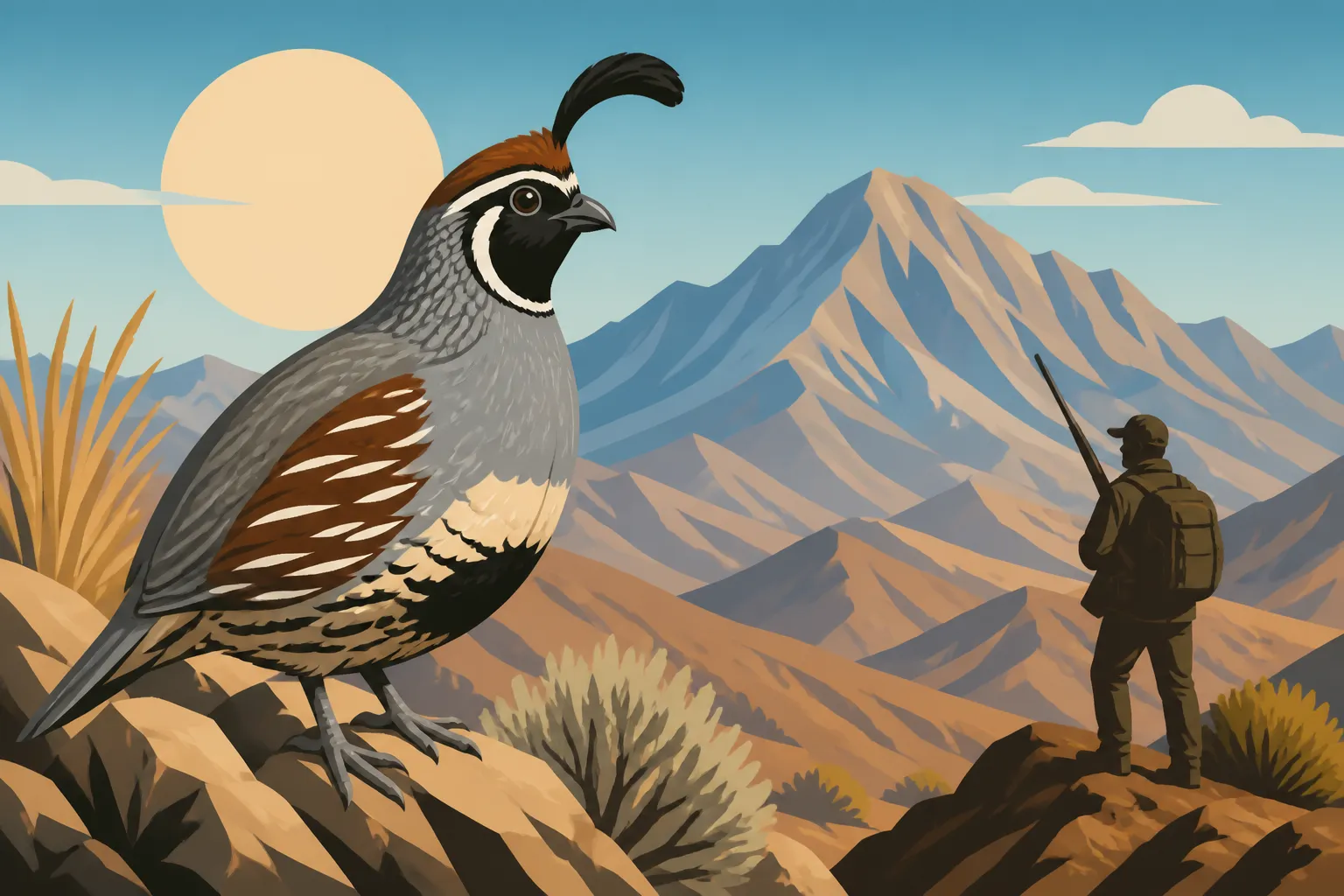
Mountain quail are the largest quail species in North America, and they certainly live up to their name. Unlike their desert-dwelling cousins, you won't find these birds scratching around the flat valley floors. They prefer a very specific, often brutal, environment.
Where to Find Mountain Quail in Nevada
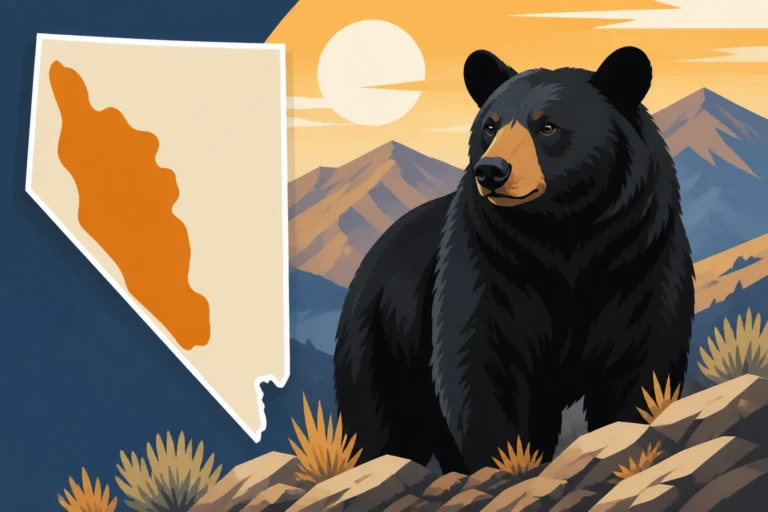
When you're looking for mountain quail, you need to think "up." These birds are primarily found at higher elevations, typically ranging from 3,000 to 10,000 feet, depending on the specific mountain range and time of year. They inhabit the brushy, steep canyon country that characterizes much of Nevada's extensive mountain ranges. Think dense stands of chaparral, bitterbrush, serviceberry, and mountain mahogany, often interspersed with pockets of pines or aspens.
You'll find them scattered throughout the state's central and northern mountain ranges, especially wherever there's suitable, thick cover and access to water. While they don't have the broad distribution of, say, Chukar Is Nevada's Signature Upland Bird, their presence is a clear indicator of healthy high-elevation habitat. Don't confuse them with the smaller, more abundant California quail or Gambel's quail, which occupy lower, drier landscapes. If you're looking at a map and seeing steep contour lines, dense green shading (indicating heavy brush), and prominent peaks, you're likely in mountain quail country. It's a landscape that demands respect and thorough preparation.
Key Habitat Features for Mountain Quail
Mountain quail are creatures of dense cover. They thrive in thick, thorny brush where they can quickly disappear from predators, both aerial and terrestrial. This cover isn't just for hiding; it's also a crucial food source, providing seeds, berries, and insects. Look for areas where this thick brush is found near permanent water sources. Springs, seepages, and small streams are magnets for these birds, especially during the drier parts of the season. They need to drink daily, just like other upland game, so understanding Water Sources That Concentrate Nevada Game is paramount.
Another key feature is the steepness of the terrain. Mountain quail are masters of navigating incredibly challenging inclines, using their powerful legs to quickly ascend and descend. They often utilize south-facing slopes in colder weather to catch the sun's warmth and north-facing slopes in hotter weather for cooler temperatures and denser shade. Understanding these microhabitats can make all the difference in locating coveys. They’ll roost in thick brush, often near the tops of ridges or along steep draws, and descend to feeding areas in the mornings and evenings. Using tools like GoHunt can help you identify these specific habitat types and water sources before you even leave your living room, giving you a critical edge.
Essential Gear and Tactics for Mountain Quail Hunting
Hunting mountain quail is not a casual stroll. It's a full-on expedition, even if it's just for a day. Your gear needs to be up to the task, and your tactics need to match the tenacity of the birds.
Footwear, Clothing, and Navigation
Let's talk about footwear first. This isn't the place for worn-out sneakers. You need serious, ankle-supporting, waterproof hiking boots with excellent traction. The terrain is often loose, rocky, and incredibly steep. Think about Choosing Boots for Sharp Volcanic Rock – that kind of durability and grip is exactly what you'll need. Blisters or a rolled ankle can end your hunt, or worse, put you in a dangerous situation miles from help.
For clothing, layering is your best friend. You'll likely start your day in cool, crisp mountain air, but as you climb and the sun rises, you'll heat up fast. Being able to shed or add layers is crucial for comfort and preventing overheating or chilling. Consider moisture-wicking base layers, a durable mid-layer, and a tough, briar-resistant outer shell. The brush these birds live in will shred flimsy clothing. Don't forget a good hat, gloves, and plenty of water.
Navigation is non-negotiable. Cell service is often nonexistent in these remote areas. A reliable GPS device or a robust mapping app like GoHunt on your phone, with downloaded offline maps, is absolutely essential. Knowing how to read a topographic map is also a valuable skill, as it will help you understand the terrain you're about to tackle and predict where birds might be holding. Always have a compass and a physical map as a backup. Knowing your precise location and how to get back to your vehicle is not just about efficiency; it's about safety.
Shotguns, Loads, and Dog Work
For shotguns, lighter is generally better, given the amount of climbing you'll be doing. A 20-gauge or even a 28-gauge can be a great choice, as shots are often close and fast, if you get them at all. Whatever gauge you choose, it needs to be reliable. You're not going to want to troubleshoot a jammed action when a covey bursts from under your feet. As for loads, #6 or #7.5 shot are common choices, providing a good pattern density for these robust birds. Given the density of the cover, shots are rarely long-range.
Now, about dogs: a well-trained bird dog is almost a necessity for mountain quail. These birds hold incredibly tight, often letting you walk right past them before exploding from the brush. A dog with a good nose and the stamina to cover miles of punishing terrain is invaluable for finding coveys and, more importantly, retrieving downed birds from the thickest nastiest cover imaginable. Without a dog, expect to lose a significant number of downed birds, which is never something a responsible hunter wants. If you're thinking of training a dog for this kind of work, start with extreme conditioning and exposure to tough cover.
Mountain Quail Hunting Essentials Checklist
| Item | Importance | Notes |
|---|---|---|
| Boots | Critical | Sturdy, ankle-supporting, waterproof, excellent traction. |
| Layered Clothing | High | Moisture-wicking base, durable mid, briar-resistant outer shell. |
| Navigation Tools | Critical | GPS/GoHunt with offline maps, compass, paper topo map. |
| Water & Hydration | Critical | More than you think you'll need; electrolyte supplements. |
| First Aid Kit | High | Essential for cuts, scrapes, snake bites (if applicable). |
| Shotgun & Ammo | Essential | Lighter gauge (20/28ga), #6 or #7.5 shot. |
| Bird Dog | Highly Recommended | Trained, conditioned, and tenacious for finding and retrieving. |
| Whistle & Dog Bell | High | For controlling dog and tracking movement in dense cover. |
| Game Bag/Vest | Essential | Durable, able to carry birds and other essentials. |
| Communication Device | High | Satellite messenger (Garmin InReach, Zoleo) for emergencies. |
The Physical and Mental Challenge of Mountain Quail Hunting
Let's be blunt: hunting mountain quail is hard. It's physically demanding, mentally taxing, and often leaves you feeling humbled. But that's precisely why it's so rewarding.
Preparing for the Rigors of the Hunt
Physical conditioning is not optional for mountain quail. You will be climbing steep inclines, traversing uneven ground, and pushing through dense brush for hours on end, often covering many miles with significant elevation changes. Think about Preparing Physically for Long Glassing Days – the endurance required is similar, though here you'll be actively moving through thick vegetation, not just sitting and scanning. Incorporate hiking with a loaded pack, stair climbing, and general cardio into your routine long before the season opens. Your knees, ankles, and lungs will thank you.
Hydration is another massive factor. Even in cooler temperatures, the exertion will lead to significant fluid loss. Carry far more water than you think you'll need, and consider electrolyte replacement drinks or tablets. Dehydration can quickly turn a challenging hunt into a dangerous situation. Be mindful of the local wildlife beyond just the quail; Snake Awareness on an August Archery Hunt is a year-round concern in many parts of Nevada where these birds live, so watch your step, especially near rocks and brush.
Patience, Persistence, and Enjoying the Experience
Mountain quail are not for the faint of heart or the easily discouraged. You might walk for hours, climb hundreds of feet, and push through countless thickets without seeing a single bird. They are masters of evasion, often running uphill ahead of you or flushing wild and flying out of sight down a canyon. This is where patience and persistence become your most valuable assets. Don't get frustrated; understand that this is part of the game.
The mental fortitude required to keep pushing, even when your legs are burning and you haven't seen a feather, is what separates successful mountain quail hunters from those who give up. Celebrate the small victories: finding fresh tracks, hearing a distant call, or even just reaching a challenging ridge top. The reward of seeing a covey flush, or having your dog go on a solid point, is magnified by the difficulty of the pursuit. This isn't just about harvesting birds; it's about immersing yourself in some of Nevada's wildest, most beautiful country and testing your limits. There are no shortcuts with these birds, and that's precisely their appeal.
Regulations and Conservation
As with any hunting endeavor, understanding and adhering to regulations is crucial for ethical hunting and for ensuring the health of game populations for future generations.
Season Dates, Bag Limits, and Permits
While I can't give you exact dates or numbers, Nevada's upland game seasons, including those for mountain quail, are typically set annually by the Nevada Department of Wildlife (NDOW). It's imperative that you check the current regulations before planning your hunt. These regulations will specify the open season dates, the daily bag limit (how many birds you can harvest in a single day), and the possession limit (how many birds you can have in your possession).
To hunt mountain quail in Nevada, you'll need a valid Nevada hunting license, and potentially an upland game bird stamp, depending on current requirements. Remember, Nevada's Combination License Comes Before Any Tag for big game, but for upland birds, you typically just need the appropriate hunting license and any required stamps. Make sure to check if specific units have unique restrictions or closures. Staying informed ensures a legal and responsible hunt. GoHunt, among other resources, often provides state-specific regulation summaries, but always double-check with the official NDOW publications.
Mountain Quail Conservation Efforts
Mountain quail populations, like those of many other upland species, are directly tied to habitat quality. Their specific requirements for dense, brushy cover and reliable water sources make them particularly sensitive to habitat degradation from factors like wildfire, invasive species, and development. NDOW, often in conjunction with conservation groups, works on habitat improvement projects aimed at maintaining and enhancing these critical areas.
Hunters play a vital role in this conservation. Through license and stamp fees, hunters contribute directly to wildlife management and habitat restoration efforts. Ethical hunting practices, such as accurate shooting to minimize crippling loss and respectful engagement with the land, further support these conservation goals. Understanding Nevada Quail Species and Where They Live and the unique challenges each faces helps us appreciate the importance of these efforts. By participating in mountain quail hunting, you become part of the ongoing story of wildlife conservation in Nevada, helping ensure that future generations can also experience the thrill of pursuing these magnificent birds in their rugged mountain homes.
Disclaimer
This article is for general informational purposes only and does not constitute professional advice. Laws, prices and regulations vary by location and change over time. Consult a qualified professional for guidance on your specific situation.