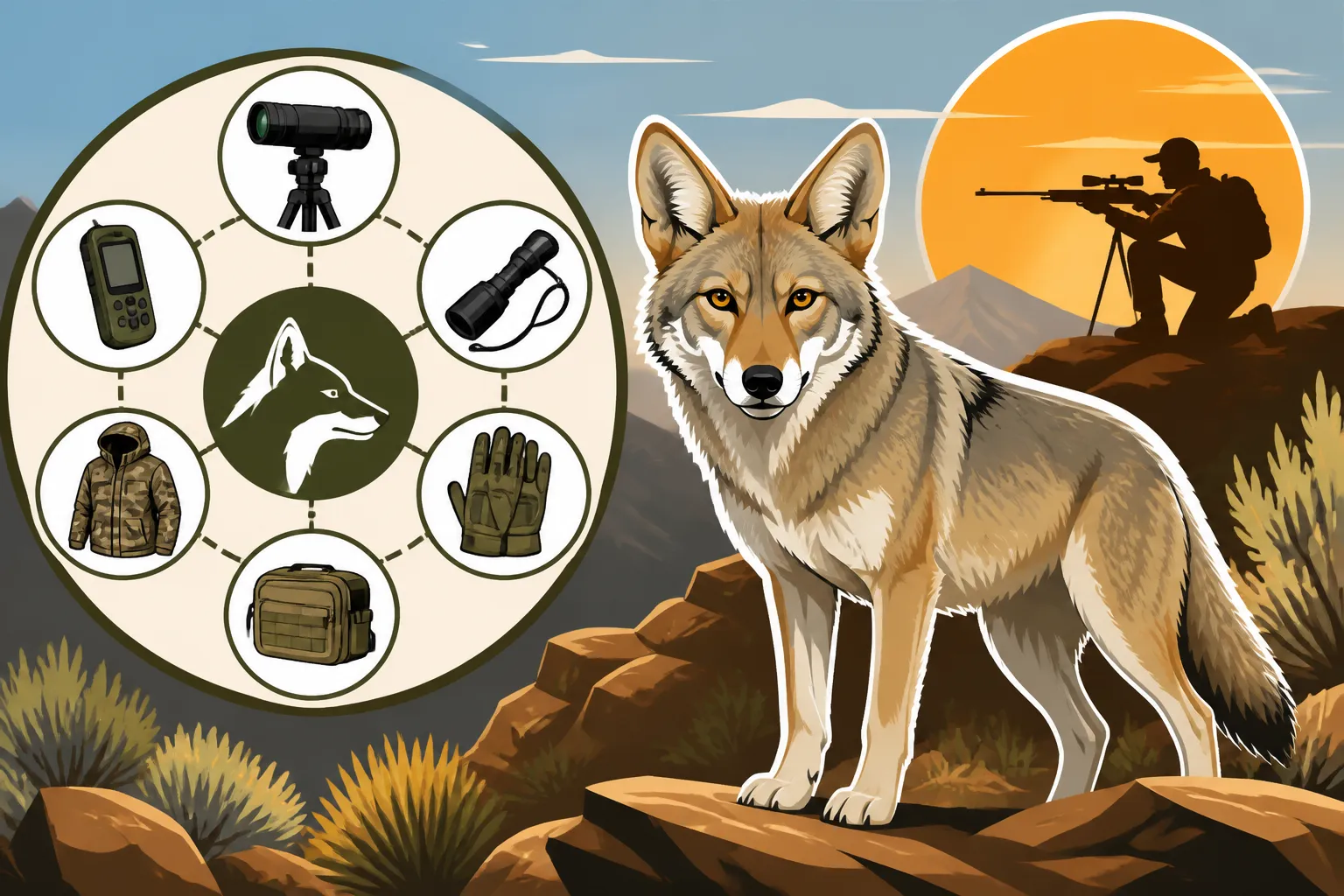
Predator Hunt Add-Ons Worth Booking
You've just put in all that time, money, and effort applying for a coveted Nevada big game tag, then spent weeks scouting and preparing. Maybe you filled your tag on opening day, or perhaps you're facing a lull between glassing sessions. Whatever the situation, it can feel like a missed opportunity to not fully embrace the incredible hunting landscape Nevada offers. This guide is all about how to maximize your time afield by adding a predator hunt to your big game adventure, turning any downtime into an exhilarating, impactful experience.
Why Add a Predator Hunt to Your Nevada Big Game Trip?
Let's be real: drawing a premier big game tag in Nevada, or any Western state, is a huge investment. You've sunk money into applications, licenses, gear, and travel, not to mention the precious vacation days. It only makes sense to wring every drop of value and experience out of that trip. Adding a predator hunt isn't just about filling extra hours; it's about deeper engagement with the ecosystem and a different kind of thrill.
Maximizing Your Time in the Field
Imagine this: you've been putting in the miles, glassing hard in your Nevada mule deer unit, but the deer are just not moving during the midday heat. Or perhaps you were lucky enough to punch your elk tag on day two of a ten-day hunt. What do you do with all that remaining time and energy? Just pack up and head home? Not if you're a serious hunter looking to make the most of every minute in the sagebrush.
Adding a predator hunt allows you to leverage your existing presence in the unit. You're already set up with a camp, your vehicle is prepped for the remote Nevada roads, and you're in the right mindset. Predator hunting can fill those quiet midday hours when big game is bedded down, or it can extend your trip with a whole new objective once your primary tag is filled. It's a way to keep your skills sharp, your optics employed, and your spirit engaged, rather than just waiting or heading home early. Think of it as getting a bonus round in an already incredible game.
Contributing to Wildlife Management
The topic of predator control can be quite complex, and it’s important to approach it with a balanced perspective. However, there's no denying that in localized areas, managing predator populations can have a tangible, positive impact on prey species, particularly during critical periods like fawning or calving seasons. Nevada's vast expanses are home to robust predator populations, including coyotes and mountain lions, which are highly efficient hunters.
When you engage in responsible predator hunting, especially for abundant species like coyotes, you are, in a small way, participating in local wildlife management efforts. Reducing predator pressure can sometimes lead to higher fawn or calf survival rates for species like mule deer and elk. Beyond big game, successful predator management can also indirectly benefit smaller game birds like chukar, which can face intense predation pressure on their nests and young. It's an opportunity to contribute to the health of the very herds you cherish, doing your part to ensure robust future populations. This isn't about eradication, but about balance, especially where prey populations are struggling or rebounding.
An Accessible, Year-Round Opportunity
One of the most appealing aspects of predator hunting, especially for coyotes, is its accessibility. Unlike the highly sought-after, limited-draw tags for Nevada's trophy big game, coyote hunting is generally open year-round with very few restrictions beyond a valid hunting license. This means you don't need to stress about bonus points or lottery odds just to add a predator hunt to your itinerary.
The cost barrier is also significantly lower. You don't need to apply for a separate, expensive tag for coyotes, and often, the same rifle or bow you're using for deer or elk can be adapted for predator hunting. This ease of entry makes it a perfect add-on, giving you a viable hunting option even if your big game application wasn't successful, or if you simply want to expand your skill set without a major financial outlay. It’s a chance to experience the thrill of the chase and the test of wits in a much more flexible format than most other hunting seasons in the state.
Common Predator Add-Ons for Nevada Hunters
Nevada's diverse landscape supports a variety of predators and furbearers that can provide exciting hunting opportunities. While coyotes are often the go-to, other species offer unique challenges and rewards, provided you understand the specific regulations for each.
Coyote Calling: The Ultimate Adrenaline Rush
There's something incredibly primal and exhilarating about calling a coyote into close range. One minute the basin seems empty, the next, a wary coyote is trotting, then galloping, directly towards your setup, drawn in by the illusion of an easy meal. This is why coyote calling is such a popular add-on. The action can be fast, intense, and requires a quick decision and precise shot.
For gear, many hunters find their big game rifle, often a flat-shooting caliber suitable for open country, works perfectly. However, you'll want to augment your setup with specialized calls. Electronic calls, loaded with a variety of distressed animal sounds like rabbits, fawns, or bird chirps, are incredibly effective. But don't underestimate a good set of mouth calls – they offer versatility and a raw, authentic sound that can be irresistible. Camouflage, including a face mask and gloves, is essential as coyotes have incredible eyesight. Optics, like your existing binoculars or even a spotting scope (if you're using a long-range setup), are crucial for scanning the vast landscapes that Nevada offers. You might even find Glassing Grids Across a Nevada Basin helpful when initially trying to spot these cunning canids. Tactics involve careful stand setup to play the wind, using terrain features to your advantage, and being absolutely still. Understanding Electronic Calls for Predators and Varmint Hunting is key, as is knowing if Is Night Hunting Legal for Coyotes Out West? in your specific hunting zone.
Bobcat Pursuits: A Challenging Trophy
While coyotes are abundant, bobcats offer a truly challenging and beautiful trophy for the patient hunter. However, the legal requirements are significantly different. Bobcat hunting often requires specific tags or permits, and seasons are typically much shorter and regulated by quotas. Nevada also has specific pelt tagging rules you absolutely must follow if you're fortunate enough to harvest one.
Bobcats are far more elusive and secretive than coyotes, often traveling along creek bottoms, rocky areas, or thicker cover. Calling them in is possible, but they respond differently than coyotes – often approaching with extreme caution, pausing frequently, and using every bit of cover available. It requires immense patience and impeccable concealment. Incidental encounters can happen, especially if you're still-hunting for deer or elk in brushy draw, but actively pursuing them demands a dedicated approach. Western Nevada, with its varied terrain and even a growing black bear population in certain ranges, offers diverse opportunities for encountering bobcats. Harvesting a bobcat is a testament to a hunter's skill and perseverance, resulting in a stunning fur prize. Remember to check current regulations on Bobcat Season and Pelt Tag Rules before you head out.
Other Furbearers and Varmints
Beyond coyotes and bobcats, Nevada is home to several other furbearers and varmints that can provide additional hunting excitement.
- Fox (Red and Gray): These smaller canids can often be called in using similar techniques to coyotes, though they tend to be even warier and more prone to hanging up at a distance. Targeting foxes requires patience, keen observation, and precise calling. Their smaller size also demands a flatter-shooting, smaller caliber rifle for ethical harvest.
- Badger, Skunk, Raccoon: While less commonly targeted as intentional "add-ons," these animals are present across Nevada. Badgers, in particular, are powerful excavators often found in open country, and can sometimes be spotted sunning themselves near their dens. While not typically called, they can provide an opportunistic challenge. Always know the legal season dates and methods for any furbearer.
- Jackrabbits and Cottontails: Often overlooked, these common desert dwellers offer fantastic small game hunting opportunities. Jackrabbits are especially prevalent across Nevada's open flats and can be hunted year-round without specific tags beyond your general hunting license. They provide excellent practice for shooting in varying terrain and are surprisingly agile targets. Cottontails, found in brushier areas, are also great table fare and offer a different kind of stalk. These smaller game animals can be a perfect way to keep your eye in and your shooting skills honed during periods of big game inactivity.
| Predator Species | Typical Hunt Method | Key Legal Considerations | Challenge Level | Common Harvest Use |
|---|---|---|---|---|
| Coyote | Calling (electronic/mouth) | General hunting license, open seasons, check night hunting | Moderate to High | Fur, population management |
| Bobcat | Calling, incidental | Special tag/permit, shorter seasons, pelt tagging rules | High | Fur, trophy |
| Fox (Red/Gray) | Calling | Specific season dates, general hunting license | High | Fur |
| Jackrabbit | Spot-and-stalk, opportunistic | General hunting license, year-round | Low to Moderate | Meat, practice |
| Badger | Incidental, opportunistic | Specific season dates, general hunting license | Moderate | Fur (less common), population |
Practical Considerations for Booking a Predator Add-On
Deciding to add a predator hunt is one thing, but making it happen successfully requires some practical planning, especially if you're integrating it into an existing big game trip. From finding the right help to understanding the specific regulations, a little foresight goes a long way.
Finding a Knowledgeable Guide
While many hunters successfully pursue coyotes on their own, finding a knowledgeable guide can be invaluable, especially for species like bobcats or if you're new to predator calling. A guide will have extensive local knowledge of the terrain, animal patterns, and optimal calling setups. They often have specialized gear, proven calling sequences, and the expertise to read animal body language in a way that significantly increases your chances of success.
When considering a guide, always verify their licensing and ensure they have the necessary federal permits if operating on public land, which is common in Nevada. Platforms like BookYourHunt can be a great starting point for finding reputable outfitters who offer predator add-ons. Don't be shy about asking exactly what their "add-on" package includes – is it a half-day, a full day, what gear do they provide, and what's expected of you? A good guide should be transparent and willing to answer all your questions thoroughly. Remember, the goal is to enhance your experience, not add stress.
Gear, Logistics, and Safety
Integrating a predator hunt means considering what additional gear you'll need beyond your big game setup. Often, your big game rifle will suffice, but having a lighter caliber, like a .223 or .22-250, can be advantageous for coyotes and foxes due to less pelt damage and quicker follow-up shots. You'll definitely want those electronic or mouth calls, and possibly specific ammunition loads. For safety, always be acutely aware of your surroundings and what's beyond your target. Predator hunting can often involve quick shots and dynamic situations, so communication with your hunting partners and knowing your backstop are paramount.
Logistically, think about how this add-on impacts your existing camp and travel plans. If you're extending your stay, ensure you have enough food, water, and fuel. Carrying Extra Fuel on a Nevada Hunt is always a good idea in remote areas. If you plan on any night hunting for coyotes (where legal), good headlamps and a red or green light filter are essential. Remember that Nevada Legal Shooting Hours for Big Game are distinct from predator hunting rules, so ensure you know the difference.
Legalities and Regulations to Confirm
This is perhaps the most critical consideration. Nevada's hunting regulations are comprehensive and can vary by species, unit, and even time of year. For instance, while coyotes are often open year-round, other furbearers like bobcats or foxes have specific seasons and sometimes require special tags or reporting. You must always check the current Nevada hunting regulations specific to the predators you intend to pursue. Do not rely on outdated information or assumptions.
Key regulations to confirm include:
- Seasons and Bag Limits: Are the species you want to hunt currently open? Are there any daily or seasonal bag limits?
- Required Tags/Permits: Is a special tag or permit necessary beyond your general hunting license?
- Methods of Take: Are electronic calls allowed? What about night hunting? Is Night Hunting Legal for Coyotes Out West? is a common question for coyote hunters.
- Pelt Tagging/Reporting: For furbearers like bobcats, there are often strict requirements for pelt tagging and reporting your harvest to the state.
- Unit-Specific Rules: Always double-check if there are any specific regulations for the particular hunt unit you're in. Knowing Reading a Nevada Hunt Unit Before You Apply will give you a head start.
Integrating Predator Hunting into Your Overall Strategy
Adding a predator hunt isn't just a spontaneous decision; it can be strategically woven into your broader hunting plans to enhance the entire experience. Careful thought about timing, budgeting, and ethical considerations will ensure a smooth and rewarding adventure.
Timing Your Add-On
The beauty of predator hunting is its flexibility. You can time your add-on in several ways to suit your main big game hunt:
- Before Your Big Game Hunt: Arriving a day or two early to do some coyote calling can serve as a fantastic warm-up. It gets you out in the terrain, helps you acclimate to the elevation, and sharpens your shooting eye. It also provides a great low-pressure way to scout your unit and get a feel for the lay of the land without impacting your primary objective. It can be a great way to put your Preparing Physically for Long Glassing Days to the test.
- After Your Big Game Hunt: This is often the most popular option. If you filled your big game tag early, adding a few days of predator hunting allows you to extend your trip and make the most of your travel investment. You're already in the field, likely still in hunt mode, and can transition seamlessly. You've already got your camp set up, so it's a great way to wind down the trip.
- During Big Game Downtime: Those midday hours when big game is bedded and inactive are perfect for quick predator stands. Instead of sitting around camp, you can be actively hunting, covering ground, and honing your skills. It breaks up the monotony and keeps you engaged. Knowing the Best Time of Day to Glass a Basin for big game can help you plan your predator stands around those peak periods.
Budgeting and Expectations
While predator hunting can be less expensive than big game, it's not free. Factor in additional costs for licenses (if required for specific furbearers), specialized calls, extra ammunition, and potential guide fees. If you plan to keep pelts, there will be costs associated with proper skinning, tanning, and potentially taxidermy. These things add up, so have a realistic budget in mind.
It's also crucial to manage your expectations. Predator hunting, especially for elusive animals like bobcats or particularly wary coyotes, can be tough. Success is never guaranteed, and there will be stands where nothing comes in. The reward is often in the challenge, the learning experience, and the opportunity to spend more time in Nevada's incredible wild spaces. Embrace the process, and any successful harvest will be all the more satisfying. You should also ensure you understand any Nevada Nonresident Tag Pricing by Species differences for any additional tags you might need.
Ethical and Responsible Predator Hunting
As with all hunting, ethics and responsibility are paramount. Strive for clean, humane kills, and always ensure you know what's beyond your target. Understand that while predator hunting helps manage populations, it should always be done with respect for the animal.
For furbearers, utilizing the animal's pelt is a key part of the ethical equation. If you're not planning to keep the fur, reconsider the hunt or find someone who will appreciate and use it. Be mindful of public perception; responsible hunting practices reflect well on all hunters. Also, ensure you are not infringing on any Baiting and Trail Camera Rules in Nevada if you are planning on certain setups, and always consider Water Development and Hunting Ethics if you're hunting near water sources which can concentrate desert game. Your actions afield are a reflection of the entire hunting community.
Disclaimer
This article is for general informational purposes only and does not constitute professional advice. Laws, prices and regulations vary by location and change over time. Consult a qualified professional for guidance on your specific situation.