What Meals Look Like on a Guided Hunt
When you dream of a guided hunt in Nevada, your mind probably goes straight to that giant mule deer buck, the crisp mountain air, or the thrill of glassing a distant elk. What often gets overlooked in those daydreams, however, is one of the most fundamental aspects of any sustained effort in the backcountry: what you're actually going to eat. It's a question many hunters have, especially first-timers, and it can significantly impact your comfort and energy levels. This guide is here to pull back the curtain on the culinary side of a Nevada guided hunt, helping you understand the different meal experiences you might encounter and what to expect from your outfitter.
The Spectrum of Culinary Experiences in Nevada Guided Hunts
The term "guided hunt" can encompass a huge range of experiences, and the food provided is often a reflection of that diversity. Are you deep in a roadless wilderness area or operating out of a comfortable lodge on the edge of town? The answer to that question will largely dictate what lands on your plate, or more likely, in your mess kit. It's not just about taste; it's about practical nutrition, sustained energy, and even a bit of morale-boosting comfort after a long, grueling day.
Backcountry Basics: Fueling for the Deep Wilderness
For many guided hunts in Nevada, especially those targeting elusive elk in the high country or mule deer far off the beaten path, your camp might be a spike tent several miles from the nearest road. In these scenarios, the food needs to be lightweight, easy to prepare with minimal equipment, and packed with calories to keep you going through physically demanding days. This often means freeze-dried meals, and let me tell you, they’ve come a long, long way in recent years. No longer just astronaut food, you can find surprisingly tasty options from chili mac to chicken alfredo. The beauty is that they require only boiling water, making setup and cleanup a breeze when you're tired and the stars are out.
Beyond the freeze-dried pouches, expect to see a lot of high-energy bars, nuts, dried fruit, and jerky. These are the workhorses of the backcountry diet, providing quick, sustained energy without adding unnecessary weight to your pack or requiring complex cooking. Your guide will often carry these for quick snacks during the day, or you’ll grab them from a communal food cache in camp. Fresh food is a luxury that diminishes quickly as you venture further into the wild, so don't expect a Caesar salad with dinner. Instead, focus on the caloric density and practicality that these meals offer. They are designed to fuel you for Preparing Physically for Long Glassing Days and long stalks through challenging terrain.
Think about a crisp October morning when you've been up since 4 AM, shivering slightly as you wait for the sun to hit the ridge, hoping to spot a bull. Coming back to camp and having a hot, rehydrated meal, even a simple one, can feel like a five-star dining experience. It's about providing the necessary energy to get up and do it all again tomorrow. Your outfitter might supplement these with instant oatmeal for breakfast or simple pre-cooked sausage if they can keep it cool enough, but the core principle is efficiency and caloric bang for your buck.
Lodge Life and Comfort Foods: When You're Closer to Civilization
On the other end of the spectrum, some guided hunts, particularly those operating out of a permanent lodge, ranch house, or even a well-appointed wall tent camp with vehicle access, can offer a much more robust culinary experience. Here, you might wake up to the smell of coffee and bacon, with a full, hot breakfast spread waiting for you: eggs, sausage, pancakes, maybe even some biscuits and gravy. These kinds of meals provide a hearty start to the day that simply isn’t feasible in a true backcountry spike camp. The ability to haul in more gear, including coolers, stoves, and even sometimes a dedicated camp cook, makes a world of difference.
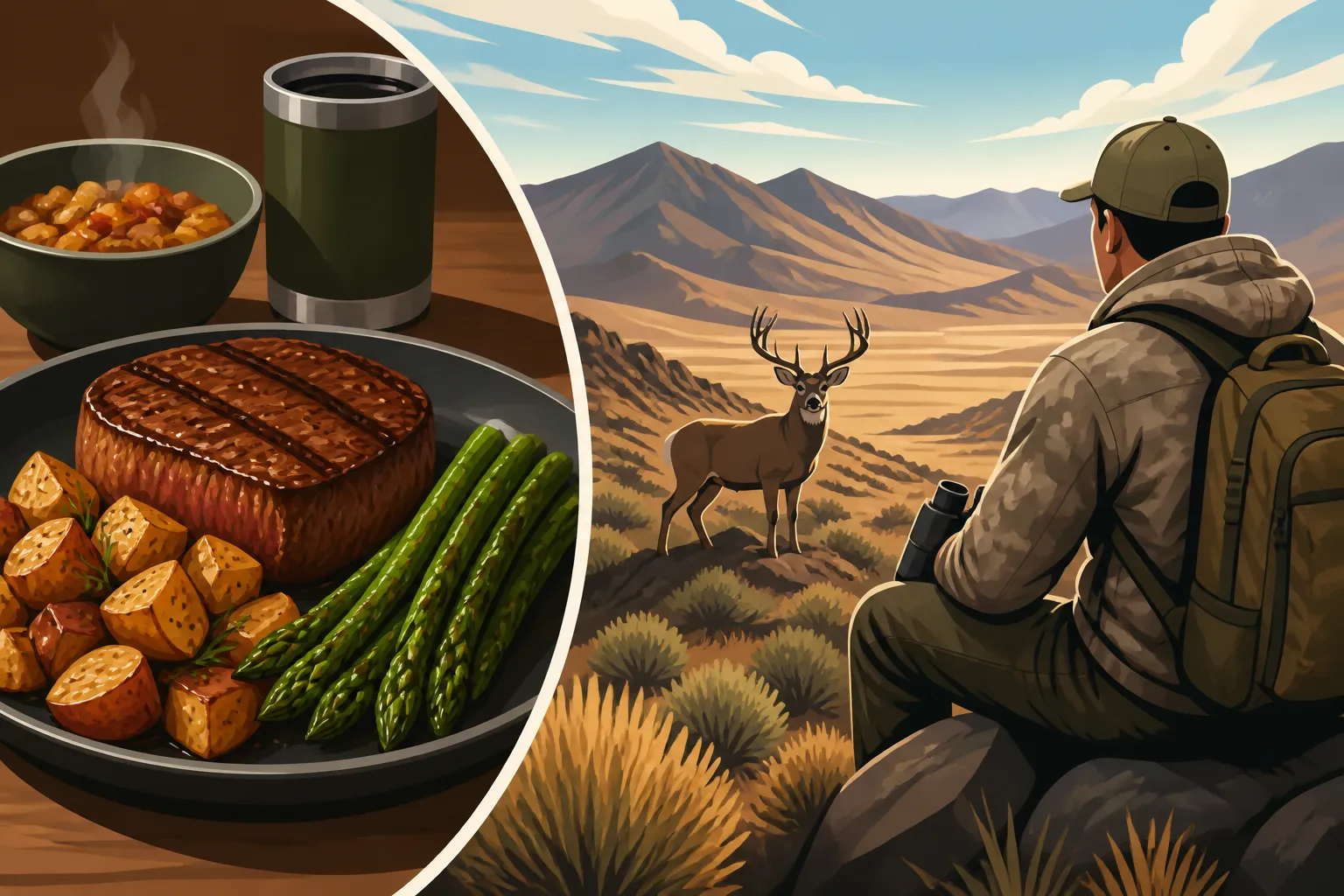
Lunches might still be packed for the field – nobody wants to hike all the way back to a lodge in the middle of a hot elk chase – but these packed lunches can be more substantial. Imagine a freshly made sandwich on decent bread, a piece of fruit, maybe some homemade cookies or trail mix. The options expand significantly when logistics aren't solely dictated by pack weight and spoilage. Dinner, after a long day of hunting, can be a true highlight. Picture coming back to a warm lodge, shedding your layers, and sitting down to a home-cooked meal of roast chicken, mashed potatoes, or a big pot of chili. It's not just about sustenance; it’s about the camaraderie and comfort that a shared, delicious meal brings.
These types of camps often provide a space to relax, share stories from the day, and recharge in a way that’s harder to achieve when you’re constantly roughing it. The food is part of that overall experience, reflecting a certain level of creature comfort that can be a real blessing after a demanding day. If you're looking into an outfitter, platforms like BookYourHunt can sometimes offer details or reviews about the camp experience, including meal quality, which might help you manage expectations.
Dietary Restrictions and Special Requests: Planning Ahead
This is a critical point that far too many hunters overlook until the last minute. If you have any dietary restrictions, allergies, or strong preferences (e.g., vegetarian, gluten-free, no pork), you absolutely, positively must communicate these to your outfitter well in advance of your hunt. Don't wait until you're pulling into camp or, worse, until the first meal is served. Outfitters are generally quite accommodating, but they need time to plan, source special ingredients, and adjust their meal plans. Remember, they're often operating in remote areas where a quick run to the grocery store isn't an option.
A good outfitter will usually ask about dietary needs on their booking forms or during pre-hunt communications. If they don't, take it upon yourself to reach out and confirm. Be specific and clear. Instead of just saying "I can't eat dairy," explain if it's an allergy (where cross-contamination is an issue) or a preference. The more information you provide, the better they can prepare for you. It's also wise to be realistic; while they'll do their best to accommodate serious allergies or medical needs, a strict gourmet vegan diet might be challenging to maintain in a spike camp far from town.
Often, for specific needs, outfitters might ask you to bring some of your own supplemental items, which is a perfectly reasonable request. For instance, if you have a very specific gluten-free bread you prefer, bringing it yourself ensures you have exactly what you need. Think of it as a partnership to ensure your nutritional needs are met throughout what will be an incredible, but likely demanding, adventure. This foresight allows them to provide the best experience, so you can focus on the hunt itself.
Typical Meal Timings and Logistics on a Nevada Hunt
Hunting in Nevada, especially for big game like elk and mule deer, often means long, strenuous days. The meal schedule revolves around this demanding rhythm, ensuring you’re fueled when you need it most. It's not usually a leisurely three-course affair at specific times, but rather a strategic deployment of calories.
Dawn Patrol Breakfasts: Fueling Up Before Light
When you're chasing mule deer across the vastness of the Nevada basin and range, or bugling for elk in the northern mountains, "early to rise" isn't just a saying – it's a way of life. Breakfast on a guided hunt usually happens well before dawn, often in the dark, and its primary purpose is to get a solid base in your stomach before you head out for the morning hunt. This isn't the time for elaborate cooking; efficiency is key. You might find quick-cook oatmeal, instant coffee, and perhaps some pre-cooked bacon or breakfast burritos that can be heated up quickly.
In a lodge setting, this might look like a full spread that's ready for you as you pull on your boots. In a backcountry camp, it could be a headlamp-lit affair around a small stove, rehydrating a breakfast scramble or boiling water for coffee and oatmeal. The goal is a high-calorie, warm start to the day that provides sustained energy. You'll likely be burning through those calories quickly as you hike, climb, and glass. For many, a hot cup of coffee or tea at that hour is as much for warmth and morale as it is for caffeine. It’s the kind of fuel you need to handle temperature swings, especially when Layering for Basin and Range Temperature Swings is critical.
Your guide will want you out in the best hunting light, which means being on the glassing knob or at the trailhead before the sun paints the eastern sky. This dictates the hurried nature of breakfast. It’s an essential ritual that sets the tone for the day, ensuring you're physically ready for the challenges ahead, whether that's an arduous climb or hours spent sitting perfectly still, waiting for an animal to appear.
Field Lunches: Quick and Convenient Sustenance
Lunches on a guided hunt are almost always eaten in the field. There's simply no time to return to camp or the lodge, especially when you might be miles from the nearest road, following a fresh track or in a prime glassing location. These lunches are designed to be quick, easy to eat, and require no preparation. Think sandwiches, wraps, jerky, energy bars, fruit (apples or oranges hold up well), and plenty of water. Your guide will often pack these for you, or they'll be part of the morning grab-and-go from a communal cooler.
The beauty of a field lunch is its simplicity. You might eat it perched on a rock, hunkered down out of the wind, or while keeping an eye on a distant hillside. It's not a sit-down meal; it’s a refueling stop. The focus is on convenience and getting back to hunting as quickly as possible. In Nevada's arid environment, hydration is equally, if not more, important than food during the day. Expect your guide to emphasize drinking enough water. Tools like GoHunt can help you scout potential water sources within your unit, which can be critical for both you and the game you pursue, although your guide will have this dialed in.
Even a simple peanut butter and jelly sandwich can taste like a gourmet meal when you’re hungry and focused on the hunt. The main thing is that it provides enough energy to push through the afternoon. Depending on the outfitter and the type of hunt, some might provide a small thermos of hot soup or coffee, which can be a real lifesaver on colder days or in late season hunts. This attention to small comforts can make a big difference when your energy starts to wane.
Camp Dinners: Reconnecting and Refueling After a Long Day
Dinner is often the most substantial and anticipated meal of the day on a guided hunt. After hours of hiking, glassing, and stalking, everyone is usually ready to unwind, refuel, and recount the day's adventures. In a backcountry camp, this could be a more elaborate freeze-dried meal than breakfast or a one-pot wonder prepared by your guide. In a lodge or well-equipped camp, it's typically a hot, home-cooked meal that offers serious comfort and calories. This is the time to truly relax, enjoy the company, and absorb the hunting atmosphere.
Outfitters understand that hunters need to replace a lot of calories after a day in the field, so dinners are generally hearty. Expect things like pasta dishes, stews, roasted meats, or substantial casseroles. This meal serves a dual purpose: physical replenishment and mental decompression. It’s a chance to discuss strategy for the next day, share laughs, and build camaraderie. It’s also often when you’ll review maps or scout for Reading a Nevada Hunt Unit Before You Apply and plan your approach for the following morning.
Depending on the outfitter, an adult beverage might be offered or permitted with dinner. Always check with your outfitter about alcohol policies, especially if you're driving or operating machinery. But for many, a good meal and a warm drink by the fire is the perfect end to a long, productive day in the Nevada wilderness. It’s essential for regaining energy and preparing your body for another demanding day of hunting.
Beyond the Plate: Food's Role in the Overall Hunt Experience
Food on a guided hunt isn't just about nutrition; it plays a surprisingly significant role in the overall experience, impacting morale, physical performance, and even safety. Thinking about meals in a broader context helps you appreciate their importance beyond mere sustenance.
The Psychological Boost of a Good Meal
You might be surprised how much a warm, tasty meal can lift your spirits after a particularly grueling day. Imagine you've been socked in by a sudden Nevada snowstorm, or battled through a torrential downpour, soaked to the bone and shivering. Coming back to camp and being handed a hot cup of coffee or a hearty bowl of chili can instantly turn your mood around. It's not just the calories; it's the comfort, the care, and the simple human pleasure of warmth and good food that can rejuvenate a weary hunter.
This psychological boost is especially important on multi-day hunts where fatigue and frustration can sometimes set in. A well-fed hunter is generally a happier, more motivated, and more effective hunter. Your guide knows this, and part of their job is to keep you not just physically fueled, but mentally prepared and positive. Even in the most spartan backcountry camps, a thoughtful outfitter will make an effort to provide appealing and comforting options. It’s part of how they manage your experience.
Conversely, poorly planned or insufficient food can quickly dampen enthusiasm and even lead to dangerous situations if energy levels drop too low. This is why when you are researching outfitters, asking about their meal philosophy and typical menus is a valid question, helping you gauge their attention to client comfort and readiness. You can find many Questions Worth Asking Before You Book that will cover this, and other critical aspects of your hunt.
Hydration is Key: More Than Just Food
While we're talking about food, it’s absolutely essential to talk about water, especially in Nevada. The Great Basin is an arid environment, and dehydration can creep up on you quickly, even in cooler temperatures. Your outfitter will provide water, but you'll need to carry a significant amount with you daily, particularly if you're hiking hard. On an August archery hunt, for example, Heat Management on an August Archery Hunt is paramount, and ample water intake is your best defense against heat exhaustion.
Expect your outfitter to stress the importance of hydration. They might provide filtered water in camp for refilling your bottles, or have water caches strategically placed. Some may even provide electrolyte packets to mix with your water, which is a smart move given how much you'll be sweating, even if you don't feel it in the dry air. Don't underestimate the power of simply drinking enough. A headache or fatigue often attributed to hunger can actually be a sign of mild dehydration.
Even if you're on a "lodge life" hunt, you'll still be spending hours in the field. Always carry more water than you think you need. Your guide is there to help, but personal responsibility for hydration is critical. A guided hunt in Nevada is a physically demanding endeavor, and proper fluid intake ensures your body can perform when it counts. Consider carrying a hydration bladder in your pack for easy access throughout the day.
Planning for the Unexpected: Emergency Rations
Even on a guided hunt, where your outfitter handles the majority of the logistics, it's always a good idea to carry a small personal emergency stash of high-calorie snacks. Things can happen. You might get separated from your guide for a short period, or an unexpected turn of events could delay your return to camp. A few energy bars, a small bag of nuts, or some hard candy can make a huge difference in an unexpected situation.
This isn't about distrusting your outfitter; it's about being prepared, which is the hallmark of any responsible hunter. Your guide will have their own emergency supplies, but having something readily accessible in your daypack that you know you like can be a significant comfort. Think of it as your personal backup, a small safety net. For example, if you are unexpectedly Packing an Animal Out of Roadless Country well into the dark, having a little extra fuel can keep your energy up.
This small measure of self-reliance ensures that even if dinner is delayed or you get held up unexpectedly, you won't be running on fumes. It also allows you to manage your own specific energy needs throughout the day, topping up with a quick snack between the provided meals if you feel your blood sugar dipping. Being prepared for minor contingencies adds another layer of security and confidence to your hunt.
What to Ask Your Outfitter About Meals Before You Book
Choosing a guided hunt is a significant investment of time and money. Don't leave anything to chance, especially something as fundamental as food. Asking direct, specific questions about meals and provisions before you commit is not only smart but expected by reputable outfitters. It helps set clear expectations for both parties.
Getting Specific: Menu Examples and Meal Styles
Don't just ask, "What's the food like?" Get specific. A better question would be, "Can you provide a typical menu for a 5-day hunt in your backcountry spike camp?" or "What kind of breakfasts and dinners do you serve at your lodge?" This prompts them to give you actual examples, not just vague assurances. Ask about the style of cooking (e.g., "Are meals mostly freeze-dried, or do you have a cook preparing fresh food?"). This is especially important for What a Guided Nevada Elk Hunt Costs as it can vary widely based on the amenities.
Understanding the typical menu will help you gauge if the food aligns with your preferences and energy needs. If you're someone who really struggles with freeze-dried meals, knowing that's the primary offering for a backcountry hunt might influence your decision, or at least help you mentally prepare. Ask about variety too. A week of the same thing can get old, even when you're incredibly hungry. Outfitters often post pictures of their camps and food on their websites or social media, which can give you a visual sense of what to expect.
Another great question is, "Who prepares the meals?" Is it the guide themselves, or a dedicated camp cook? This can give you an idea of the quality and consistency. A Nevada Master Guides May Work the Whole State often juggle many tasks, so efficiency in meal prep might be a priority over culinary artistry, which is perfectly fine for many hunters.
Provisions for Snacks and Drinks: What's Included?
Beyond the main meals, it's crucial to clarify what snacks and drinks are included. Ask, "Are daily snacks provided for the field, or should I bring my own?" and "What types of beverages are available in camp and for the field?" This helps you pack appropriately and avoid surprises. Many outfitters provide coffee, tea, and water, but sometimes sodas or specific sports drinks are an extra cost or not available at all. Knowing this upfront means you can bring your favorite powdered drink mix or extra snacks if needed.
Consider asking about water sources and purification. "Do you provide filtered water for refills, or should I bring my own filtration system?" In Nevada's dry climate, access to clean drinking water is non-negotiable. Knowing the plan for Water You Must Carry on a Desert Day Hunt is vital. Some outfitters might provide bottled water, while others rely on a communal filtration system. If you have a specific preference, now is the time to voice it.
Don't forget about alcohol. "What is your policy on alcoholic beverages in camp?" Some outfitters prohibit it entirely, while others allow clients to bring their own. This is especially relevant if you're planning to celebrate a successful harvest with a cold beer or a celebratory dram. Transparency on these smaller details makes for a smoother, more enjoyable experience for everyone involved.
Communicating Expectations and Confirming Dietary Needs
As mentioned before, communication is paramount. Reiterate your dietary restrictions in writing, even if you've discussed them over the phone. A quick email outlining your needs ensures there's a record. Ask, "How far in advance do you need notice for dietary restrictions?" and "What is the best way to communicate these to ensure they are met?" This sets a clear path for confirming your needs.
Be open to compromise. If your restriction is particularly challenging for a remote camp, ask, "Are there specific items I should bring myself to supplement the provided meals?" Showing a willingness to be part of the solution rather than just presenting a problem will be appreciated by your outfitter. Remember that What Outfitter Prices Almost Never Include might be specialty food items.
Ultimately, clear communication about food, from basic meals to specific dietary needs, is a cornerstone of a successful guided hunt. It removes a potential source of stress, allowing you to focus on the incredible experience of hunting in Nevada. Whether you're researching options through sites like GoHunt or talking directly to an outfitter, make sure the food conversation is a thorough one.
| Meal Type | Backcountry Spike Camp | Lodge/Established Camp |
|---|---|---|
| Breakfast | Quick-cook oatmeal, instant coffee, rehydrated eggs/sausage, energy bars | Full hot breakfast (eggs, bacon, pancakes), fresh coffee, fruit |
| Lunch | Packed sandwiches/wraps, jerky, nuts, dried fruit, water, energy bars | More substantial packed sandwiches, homemade cookies, fresh fruit, sometimes hot soup in thermos |
| Dinner | Hearty freeze-dried meals, one-pot meals (pasta, rice dishes), hot drinks | Home-cooked multi-course meals (roasts, stews, casseroles), desserts, fresh salads |
| Snacks | Limited; primarily energy bars, jerky, trail mix for the field | Wider variety; granola bars, fruit, crackers, some fresh items in camp |
| Beverages | Water, instant coffee, tea (minimal variety) | Water, coffee, tea, often juices, sodas (sometimes extra cost) |
| Preparation | Simple; boiling water, quick stovetop cooking | Can involve dedicated cook, full kitchen |
| Focus | Lightweight, high-calorie, ease of preparation, minimal waste | Comfort, variety, hearty portions, social dining experience |
Disclaimer
This article is for general informational purposes only and does not constitute professional advice. Laws, prices and regulations vary by location and change over time. Consult a qualified professional for guidance on your specific situation.