Outfitter Lodging Standards in Camp
It's easy to get caught up in the excitement of drawing that dream tag or simply booking that guided hunt, but often, one of the biggest unknowns, and potential sources of discomfort, is the "camp" situation. We all have visions, right? Maybe a cozy cabin, perhaps a comfortable wall tent, or even a backcountry spike camp under the stars. The reality is, what an outfitter means by "lodging standards in camp" can vary wildly, leaving many hunters scratching their heads or, worse, completely unprepared. This guide is here to unravel those mysteries, helping you understand the different types of outfitter lodging in Nevada and what questions you absolutely must ask before you commit.
Understanding the Spectrum of Outfitter Lodging in Nevada
When you're dreaming of a Nevada hunting adventure, the term "camp" can conjure up a lot of different images. For some, it's a rustic lodge with hot meals and a roaring fire; for others, it's a backpacking tent tucked into a remote canyon. The truth is, Nevada's vast and varied landscape, combined with the diverse species and hunting styles, means that outfitter lodging isn't a one-size-fits-all proposition. It’s a broad spectrum, and knowing where your chosen hunt falls on that scale is key to a comfortable and successful trip.
From Backcountry Spike Camps to Deluxe Wall Tents
Let's break down the general categories you might encounter. On one end, you have the most basic option: the spike camp. This is often just a small tent, maybe a sleeping bag, and a few essentials packed in for a night or two. These camps are typically set up deep in the backcountry, often on foot or horseback, to allow hunters to stay close to the game. Think of it as extremely mobile and minimalist. You won't find running water, electricity, or fancy meals here. It's about efficiency and getting you into remote hunting grounds quickly. If your hunt involves chasing bighorn sheep high in the mountains or late-season mule deer in roadless wilderness, a spike camp might be your reality.
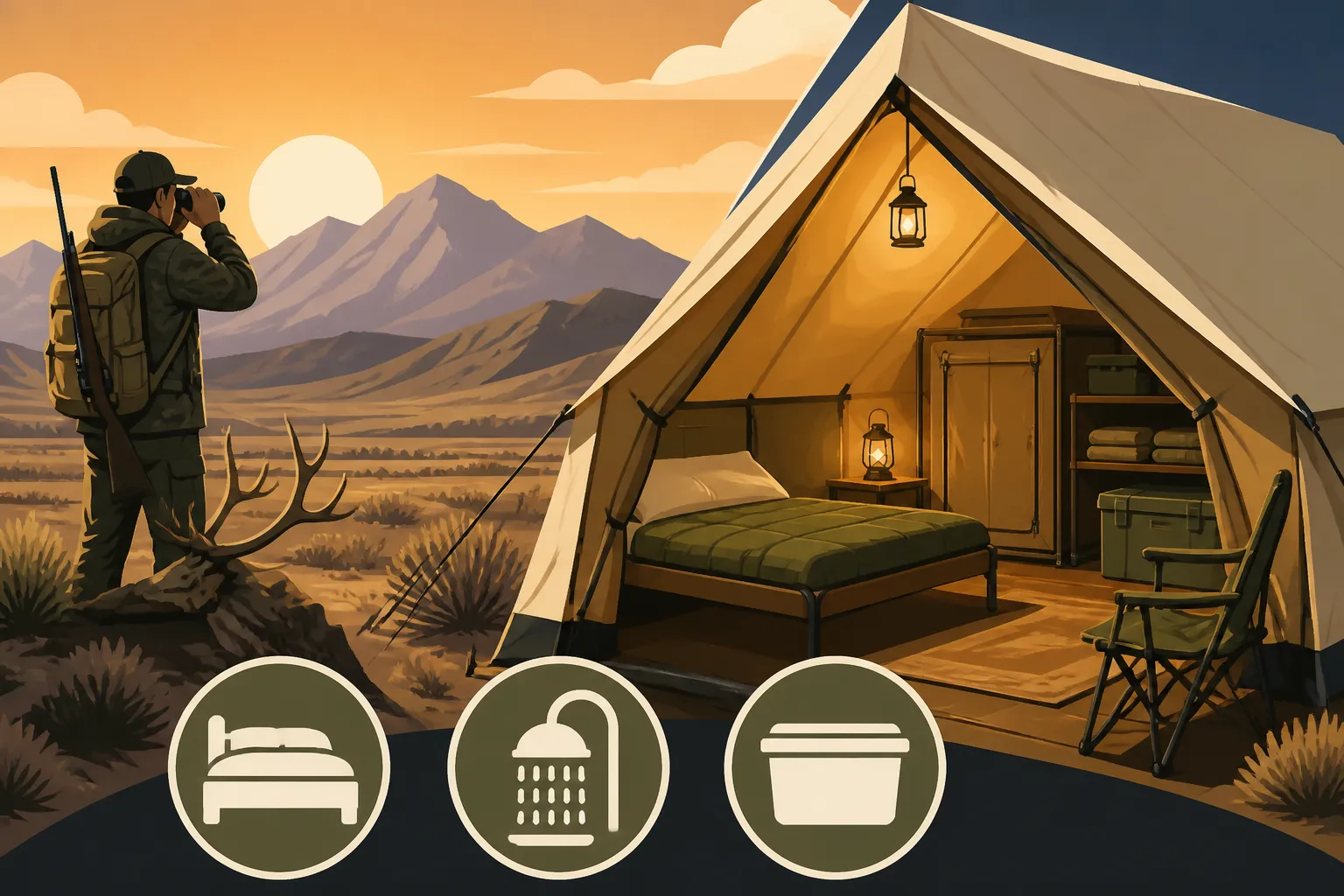
Moving up the comfort scale, you’ll frequently find wall tent camps. These are the iconic canvas tents, often large enough to stand in, sometimes equipped with wood stoves for heat, cots or sleeping pads, and a dedicated cooking area. These are often "base camps" that you return to each evening. While still rustic, they offer a significant upgrade in comfort from a spike camp, providing shelter from the elements, a place to dry gear, and usually more substantial meals. They can range from a single tent for sleeping and eating to multiple tents for separate sleeping, cooking, and gear storage. Many Nevada elk hunts or more accessible mule deer hunts might utilize this type of setup, especially if the camp can be accessed by vehicle or a short pack-in.
Finally, at the higher end of the spectrum, you might encounter cabin or lodge-style accommodations. These are less common for true public land hunts in Nevada but can be found on private ranch leases or in areas with existing infrastructure. These offer amenities closer to what you'd find at home: beds, bathrooms, hot showers, and often chef-prepared meals. If an outfitter is advertising this level of comfort, it's usually reflected in the price, and the hunting might be more focused on properties with established facilities. It's rare for true backcountry Nevada hunts, but it's worth knowing it exists as an option, especially if you're looking into something like a Private Ranch Access Across Nevada Valleys.
The Expectation Gap: What "Camp" Really Means
One of the biggest pitfalls for hunters is the "expectation gap." You see photos of impressive trophy animals, you book the hunt, and you assume the lodging will be comparable to a comfortable hotel. Then you arrive to find a basic wall tent or even a tiny backpacking tent, and suddenly your dream hunt feels like a survival challenge. Outfitters often use terms like "comfortable camp" or "rustic lodging," which are highly subjective. What one person considers comfortable after a long day of hunting, another might find completely inadequate. This is where your proactive research and questioning become absolutely vital.
It’s not just about the shelter itself, but everything that comes with it. Is there a designated mess tent or area for eating? What are the sleeping arrangements – cots, sleeping pads on the ground, or actual beds? How about bathroom facilities – a privy, a shovel, or a full flush toilet? These details can profoundly impact your overall experience and comfort, especially after days of hard hunting in challenging Nevada terrain. Don't assume anything; clarify everything. After all, a solid night's rest and proper recovery are critical for sustained effort, particularly when you're preparing for Preparing Physically for Long Glassing Days.
Key Factors Influencing Lodging Standards
The type of lodging an outfitter provides isn't arbitrary; it's usually dictated by a few critical factors. Understanding these can help you anticipate what to expect and ensure you're asking the right questions. It's not just about what the outfitter wants to provide, but what the hunt itself allows them to provide.
Species and Terrain Dictate the Setup
Think about the animal you're hunting and where it lives in Nevada. If you're chasing bighorn sheep in remote, high-elevation, rugged country, it's highly improbable that a full-service lodge or even a large wall tent camp will be feasible. These hunts often demand extreme mobility, meaning spike camps that can be quickly moved or set up far from roads are the norm. The terrain simply won't allow for heavy equipment or extensive camp infrastructure. Similarly, chasing high-country mule deer in some of Nevada's wilderness areas often means a backpack-style hunt, leading to a minimalist spike camp.
In contrast, an elk hunt in more accessible mountainous areas with existing forest roads, or a bear hunt in timbered regions, might allow for a more established base camp with larger wall tents or even small cabins. These species often inhabit areas where vehicles can get closer, or pack strings can bring in more gear. The logistics of setting up and supplying a camp are directly tied to the accessibility of the hunting unit. An outfitter guiding in the Jarbidge Wilderness, for example, will have very different logistical challenges for camp setup compared to one operating near a paved road. This is also why many guides offering The Logistics of a Horseback Drop Camp specialize in accessing these more remote areas with heavier gear.
Price Point and Inclusions: Reading the Fine Print
Let's be real: money talks. The price you pay for a guided hunt is a strong indicator of the lodging standards you can expect. A budget-friendly hunt, while still offering a great experience, will almost certainly mean more rustic accommodations. Outfitters have overhead, and more luxurious lodging—whether it's nicer tents, full-time camp cooks, or generator power—costs them more, which gets passed on to you. Be wary of deals that seem too good to be true, especially if they're promising deluxe lodging for a low price; something might be missing.
It's absolutely essential to read the contract and any hunt descriptions thoroughly. Many outfitters clearly delineate what's included in their packages. Does it say "accommodations provided" or "tent camping"? Is there mention of "meals included" or "bring your own food"? These are subtle but significant differences. Don't assume that if meals are included, they'll be gourmet three-course dinners prepared in a fully equipped kitchen. Often, it might mean hearty, but simple, backcountry fare cooked over a stove. It's also worth noting What Outfitter Prices Almost Never Include, as amenities like personal gear or specific comforts are almost always on you. Websites like GoHunt and BookYourHunt often have detailed outfitter profiles, but even there, a direct conversation is irreplaceable.
Questions to Ask About Camp Lodging Before You Book
This is where you become your own best advocate. Before you ever send a deposit, you need to have a clear understanding of the camp situation. Don't be shy; reputable outfitters will appreciate your thoroughness because it ensures you'll be a prepared and happy client. They don't want surprises any more than you do.
Essential Inquiries for a Smooth Experience
Here’s a checklist of specific questions you should pose to your prospective outfitter. Remember, don't just ask if "lodging is provided" – dig into the details:
- What type of shelter will we be staying in? (e.g., dome tent, wall tent, cabin, canvas outfitter tent)
- What are the sleeping arrangements? (e.g., cots, sleeping pads on the ground, bunk beds, individual tents, shared tents)
- Is there heat in the sleeping area? (e.g., wood stove, propane heater, no heat) If so, is fuel provided?
- What are the bathroom facilities? (e.g., outhouse/privy, composting toilet, designated shovel area, flush toilet)
- Are there shower facilities available? If so, how do they work (e.g., portable hot shower, sponge bath, no showers)? How often can they be used?
- Where are meals prepared and eaten? Is there a separate mess tent, or will it be in the sleeping tent?
- Is there electricity or charging stations for devices? (e.g., generator, solar panel, no power). This is especially important if you rely on Satellite Communication From a Hunting Camp.
- What is the typical menu like? (e.g., freeze-dried, fresh food, specific dietary accommodations).
- How far is the camp from the main hunting areas or roads? This impacts daily travel time and comfort.
- What personal items do I need to bring for camp comfort? (e.g., specific sleeping bag temperature rating, pillow, camp chair).
These questions cover the basic comforts that make or break a hunt. Don't forget that a general list of Questions Worth Asking Before You Book can also help cover other aspects of the hunt beyond just lodging.
What to Look for in Outfitter Descriptions and Reviews
Beyond direct communication, pay close attention to the outfitter's website, brochures, and, crucially, client testimonials and reviews. If an outfitter consistently gets rave reviews about "comfortable camp" or "great food," that's a good sign. Conversely, if reviews are vague about camp, or you find recurring complaints about cold tents or poor sleeping arrangements, consider it a red flag.
Websites like BookYourHunt and GoHunt often feature detailed outfitter profiles that may include photos of their camp setups. Scrutinize these photos: do they look like professional shots, or do they truly represent the actual camp you'll be staying in? Are there candid photos from past clients that give a more realistic view? Look for any mention of whether the camp is a "spike camp" or a "base camp," as this terminology alone can tell you a lot about the expected amenities. Sometimes, just seeing a picture of the camp can tell you more than a paragraph of text.
Preparing for Your Outfitter Camp Experience
Once you have a clear picture of the outfitter's lodging standards, your next step is to prepare yourself, both physically and mentally. Going into a hunting camp with the right gear and the right attitude can turn a potentially challenging situation into a memorable adventure.
Personal Gear for Any Camp Type
Regardless of whether you're in a deluxe wall tent or a minimalist spike camp, certain personal gear items are universally important for comfort and safety in Nevada's backcountry. You should always bring your own high-quality sleeping bag rated for temperatures colder than you expect, a good sleeping pad for insulation and comfort, and a reliable headlamp with extra batteries. These are your personal assurances of a decent night's sleep. Layering clothing is also paramount in Nevada, where temperatures can swing wildly from freezing mornings to warm afternoons, even in a seemingly sheltered camp. Check out advice on Layering for Basin and Range Temperature Swings to be sure you're prepared.
Beyond the basics, think about small comforts that can make a big difference. A small, inflatable pillow, a good book or e-reader, earplugs (if you’re sharing a tent), and plenty of personal hygiene wipes are often overlooked but highly appreciated items. If power is limited, consider a portable power bank for your phone or other small electronics. Even if a generator is available, having your own backup is smart. And for those seeking a proper clean-up, a compact towel and some quick-dry clothes can be a godsend, even if it's just for a quick sponge bath in the chilly morning air.
Adjusting Your Mindset for the Backcountry
Perhaps the most crucial preparation isn't about gear, but about mindset. If you're accustomed to hotel rooms and daily hot showers, a rustic hunting camp can be a shock. Embrace the simplicity. Understand that roughing it a bit is part of the adventure and a rite of passage for many hunters. Mud, dust, cold mornings, and simple food are often just part of the experience. Focus on the hunt itself, the camaraderie with your guide and fellow hunters, and the incredible landscapes of Nevada. Being flexible and having a positive attitude will significantly impact your enjoyment, regardless of how plush (or not) your sleeping quarters are.
Remember that an outfitter's primary goal is to help you successfully hunt the animal, not necessarily to provide a luxury vacation. While comfort is important, their resources are geared towards getting you into game. So, while you definitely need to understand the lodging conditions, also be ready to adapt. The best stories often come from the hunts where everything didn't go perfectly, including the sleep situation. Being mentally prepared for minor discomforts will allow you to focus on what truly matters: the opportunity to hunt Nevada's incredible wild game. For physically demanding hunts, even just understanding the difference between a spike camp and a more permanent one can help manage expectations.
Here’s a quick overview of common lodging types:
| Lodging Type | Typical Amenities | Accessibility | Comfort Level | Best For | Considerations |
|---|---|---|---|---|---|
| Spike Camp | Small tent, sleeping pad, basic food, no heat/power | Remote, foot/horsepack | Minimal | High-country sheep, mobile mule deer | Very light, moves often, requires high physical fitness |
| Wall Tent Base Camp | Large canvas tent, cot/pad, wood stove, basic kitchen, privy | Vehicle/pack-in | Moderate | Elk, bear, accessible mule deer | Shared space common, heat but no running water, durable and weather-resistant |
| Outfitter Lodge/Cabin | Beds, bathrooms, hot showers, dining area, power, heat | Road accessible | High | Private land hunts, specific trophy units | Less common on public land, higher cost, can feel less "wild" |
Disclaimer
This article is for general informational purposes only and does not constitute professional advice. Laws, prices and regulations vary by location and change over time. Consult a qualified professional for guidance on your specific situation.