Pack String Outfitters Working in Nevada
Navigating Nevada's vast, often roadless backcountry for big game can feel like an impossible challenge, especially when you're dreaming of hunting deep into wilderness areas far from any vehicle access. For many hunters, the sheer logistics of getting themselves, their gear, and hopefully, a harvested animal in and out of these remote spots is a major hurdle. This guide is all about pack string outfitters in Nevada and how they provide the essential bridge to unlock these otherwise inaccessible hunting grounds, turning what seems like an insurmountable task into a thrilling, achievable adventure.
Understanding Pack String Services in Nevada's Backcountry
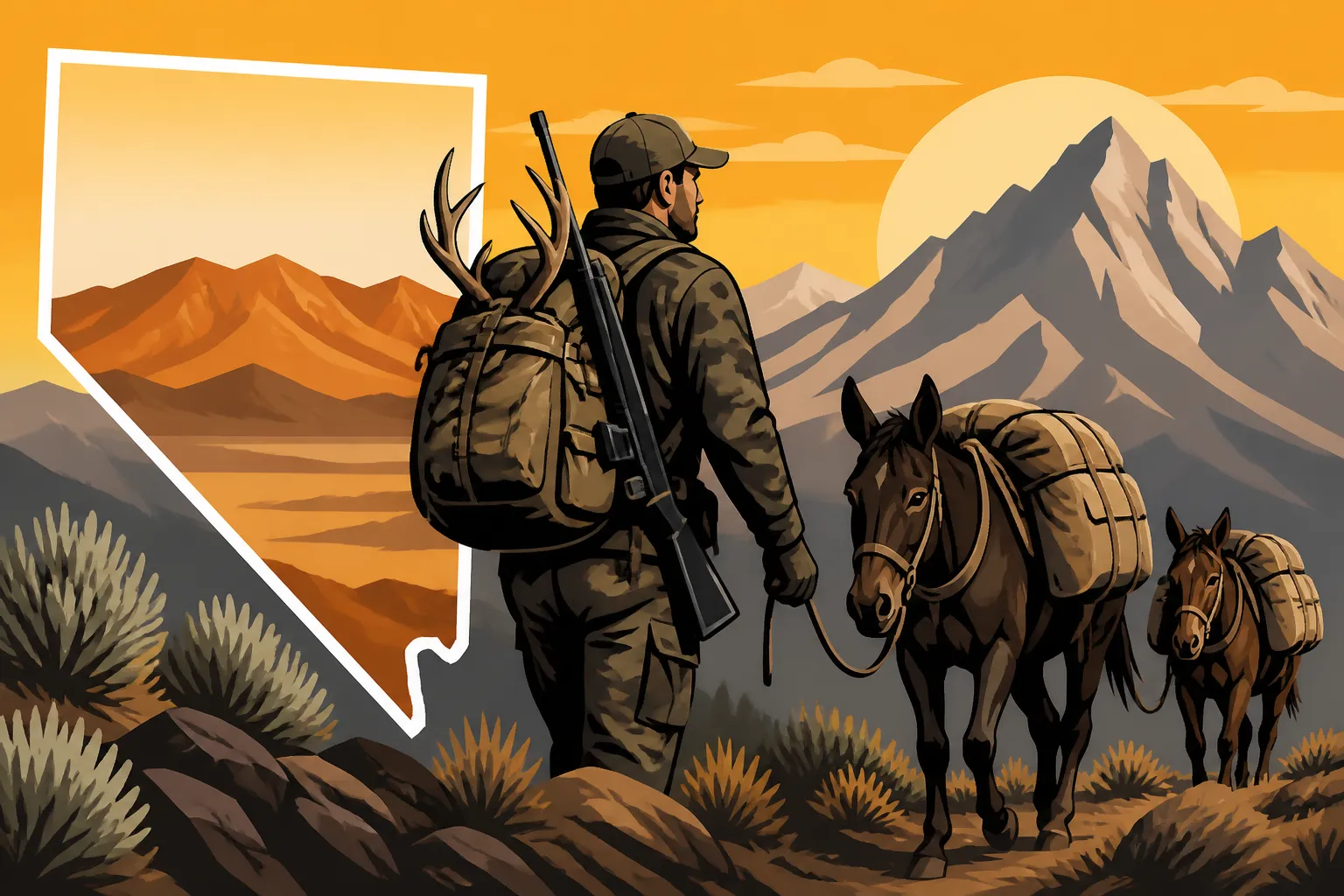
When we talk about pack string outfitters in Nevada, we're really discussing the art and science of using horses and mules to transport gear and people into and out of areas that vehicles simply cannot reach. Nevada is famously home to immense tracts of public land, much of which falls under categories like Wilderness and Wilderness Study Areas Across Nevada, where motorized travel is strictly prohibited. This is where a good pack string becomes your most valuable asset, transforming a challenging logistical puzzle into a viable hunt.
The Core Value: Accessing Remote Wilderness Areas
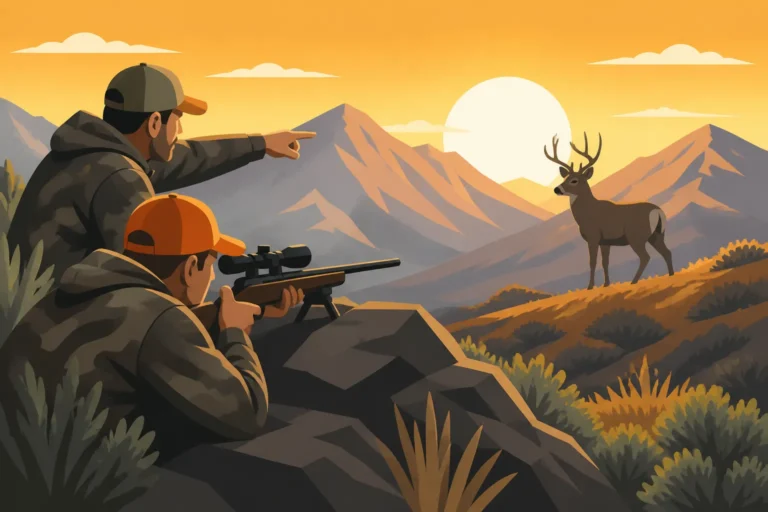
The primary reason hunters seek out pack string outfitters in Nevada is for unparalleled access to remote wilderness and designated roadless areas. Imagine a hunting unit with incredible habitat, but the best elk or mule deer country is ten miles or more from the nearest jeep trail. Trying to backpack all your gear, food, water, and then pack out an animal, can be a Herculean effort, often requiring multiple trips or an ultralight setup that compromises comfort and safety. Pack strings eliminate this burden entirely. They allow you to get into prime, low-pressure hunting zones that many other hunters simply can't reach, or aren't willing to work that hard for. This often means finding more mature animals and experiencing a true wilderness hunt, away from the crowds that tend to congregate near accessible roads. It also enables you to carry more robust camping gear, ensuring a more comfortable and sustainable stay in the backcountry.
Different Levels of Pack String Support
Pack string outfitters offer a range of services designed to fit different hunting styles and budgets, from simply getting your gear to a remote camp to providing a fully guided wilderness experience.
First, there are drop camp services. This is perhaps the most common offering. With a drop camp, the outfitter uses their pack string to transport you and all your gear (tents, food, cooking equipment, optics, etc.) into a pre-arranged, remote location. They'll drop you off, often with a cache of supplies like water or firewood, and then pick you up on a predetermined date. This setup is perfect for experienced hunters who want a DIY hunt but lack the physical capacity or desire to backpack all their gear, or who simply need to cover significant distance to their chosen hunting spot. You're responsible for all your hunting, cooking, and camp chores, but the heavy lifting of transportation is handled. If you’re considering this, it's wise to understand What a Nevada Drop Camp Actually Includes before booking.
Second, you have fully guided hunts with pack string support. Here, the outfitter provides the animals, the guides, the camp, the food, and all the logistics, including packing you and your gear into the wilderness. This is a comprehensive package where you only need to bring your personal hunting equipment and yourself. These hunts are generally more expensive but offer a full-service experience, ideal for hunters new to Nevada's backcountry, those seeking a higher success rate with an experienced guide, or anyone who simply wants to maximize their hunting time without worrying about camp logistics.
Third, some outfitters offer partial support or resupply runs. Maybe you want to backpack in, but need a resupply of food or water halfway through a long hunt, or you manage to harvest an animal far back and need help with Packing an Animal Out of Roadless Country. A pack string can be hired for these specific tasks, making a long hunt more feasible or saving a challenging pack-out. It’s always good to clarify exactly What a Nevada Drop Camp Costs versus a full guide service, as the price difference can be substantial.
Beyond Transport: The Skill of a Nevada Packer
It’s easy to think of a pack string as just a means of transport, but a good Nevada packer brings a wealth of backcountry knowledge and expertise that goes far beyond simply leading horses. These individuals are often lifelong residents of the region, intimately familiar with the local terrain, weather patterns, and wildlife habits. They know the reliable water sources, the safest routes through rugged mountains, and the signs of impending storms. Their animals are highly trained and conditioned for the steep, rocky, and often brush-choked trails of the Great Basin. The packer is an expert in animal husbandry, ensuring the horses and mules are healthy and capable, and an expert in load balancing, making sure your precious gear arrives intact. They navigate challenging conditions, from crossing swollen streams to traversing narrow ledges, all while managing animals that can be unpredictable. Their skill ensures not just efficiency, but also safety in an environment that can quickly become unforgiving. This deep local knowledge and specialized skill set are invaluable components of any successful pack string operation in Nevada's vast and often brutal landscape.
What to Expect When Booking a Pack String Hunt
Embarking on a pack string hunt in Nevada is an incredible experience, but it’s crucial to go into it with realistic expectations and the right preparation. This isn't your average drive-up-to-camp hunt. It demands a certain level of physical fitness, proper gear, and a clear understanding of backcountry communication and logistics.
Physical Demands and Preparation
While a pack string handles the heavy lifting of gear, don't mistake this for an easy hunt. You'll still be walking, climbing, and navigating rugged terrain for hours on end. Nevada's mountains are steep, its basins are vast, and the elevations can be challenging, especially for those accustomed to flatter landscapes. For a drop camp hunt, you'll be responsible for all your own hunting, which often involves long days of hiking, glassing, and stalking. Even on a fully guided hunt, you'll be expected to keep pace with your guide and cover significant ground. Preparing physically is paramount. Start a rigorous exercise regimen months in advance, focusing on cardiovascular endurance, leg strength, and carrying a weighted pack. Practice hiking uneven terrain, simulating the kind of conditions you'll encounter. Remember, you're not just walking; you might be climbing out of a canyon or up a rocky ridge at 8,000 feet, which demands Preparing Physically for Long Glassing Days and tough climbs. Think about what How Much Riding Ability a Horseback Hunt Needs if you plan to ride horses in, though many hunts will involve significant hiking even if you ride to camp. The better shape you are in, the more enjoyable and successful your hunt will be.
Essential Gear for a Pack String Trip
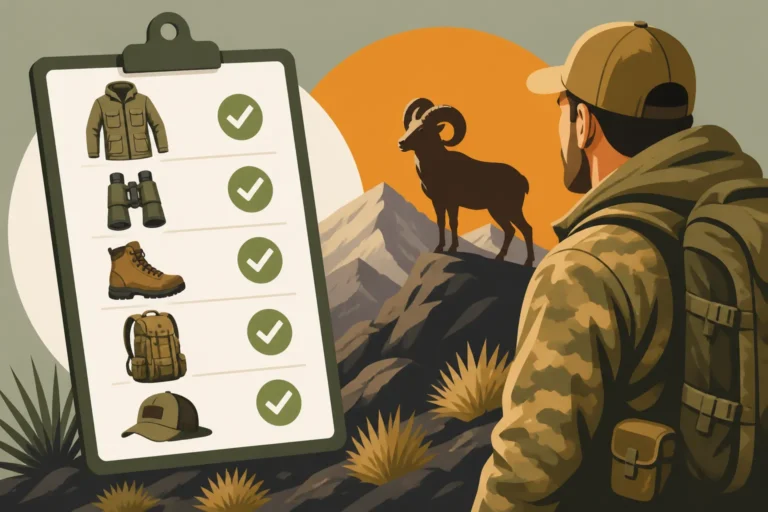
When a pack string is involved, your gear list often expands compared to a pure backpack hunt, as you have the luxury of carrying more weight. However, it still needs to be durable, functional, and organized. Think quality over quantity. Your tent should be robust enough to withstand high winds and potential early snow. Sleeping bags should be rated for colder temperatures than you expect, as Nevada nights can be surprisingly chilly, even in early seasons. Good quality optics – binoculars and a spotting scope – are non-negotiable for finding game in Nevada's expansive country. A reliable, accurate rifle or bow is essential, along with plenty of ammunition or arrows. Don't skimp on layered clothing; Nevada's weather can swing dramatically from warm days to freezing nights. High-quality hiking boots, broken in well before the trip, are critical.
Crucially, how you pack your gear matters immensely. Outfitters will typically provide specific instructions for packing in durable duffel bags or specialized soft-sided panniers that can be easily loaded onto pack saddles. Avoid hard-sided coolers or suitcases, as they don't pack well on animals. Label everything clearly. Keep essential items like your rifle, optics, and immediate necessities in a daypack that you carry yourself, separate from the main gear going on the horses. For a guided trip, the outfitter will often handle camp common gear, but for a drop camp, you'll need to coordinate meticulously. Always ask your outfitter for a detailed gear list and follow their advice to ensure a smooth operation. Remember, What Outfitter Prices Almost Never Include is your personal gear, so come prepared.
Communication and Logistics in Remote Camps
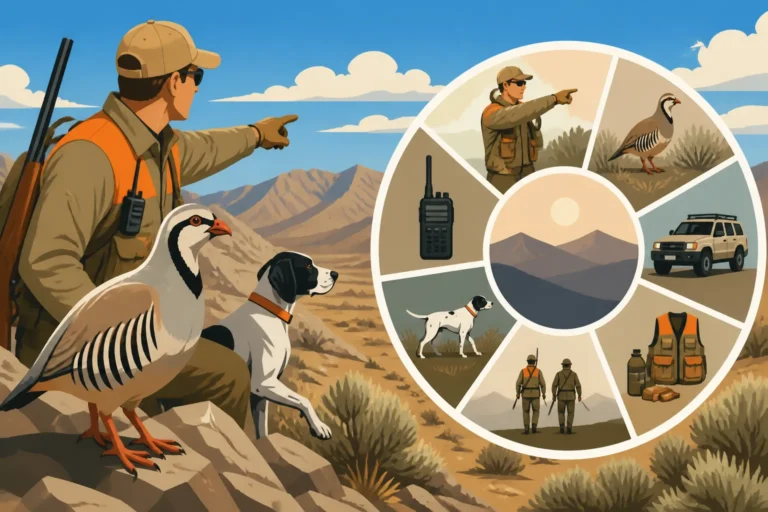
Being deep in the Nevada backcountry with a pack string means you're far from cell service and emergency services. Effective communication and meticulous logistics are paramount for safety and success. Before you leave the trailhead, have a clear communication plan with your outfitter. For drop camps, this means agreeing on precise pick-up dates and locations. For guided hunts, clarify emergency procedures and communication methods.
Many hunters carry satellite communication devices like a Garmin inReach or a Zoleo. These devices allow for two-way text messaging even without cell service, providing a lifeline in case of emergency or a simple check-in with family. This capability can be incredibly reassuring and is highly recommended. For instance, Satellite Messenger Use in Remote Country can be a game-changer. Beyond emergency comms, understand the daily routine. How often will you check in with your guide (if applicable)? What are the expectations for camp duties in a drop camp? Who handles cooking, water purification, and firewood? Having these details ironed out beforehand prevents misunderstandings and contributes to a smoother, more enjoyable hunt.
Selecting the Right Nevada Pack String Outfitter
Choosing the right pack string outfitter can make or break your Nevada hunting adventure. It's an investment, not just of money, but of your precious hunting time and dreams. Taking the time to properly vet potential outfitters is crucial to ensure you have a safe, successful, and ethical experience.
Vetting Credentials and Experience
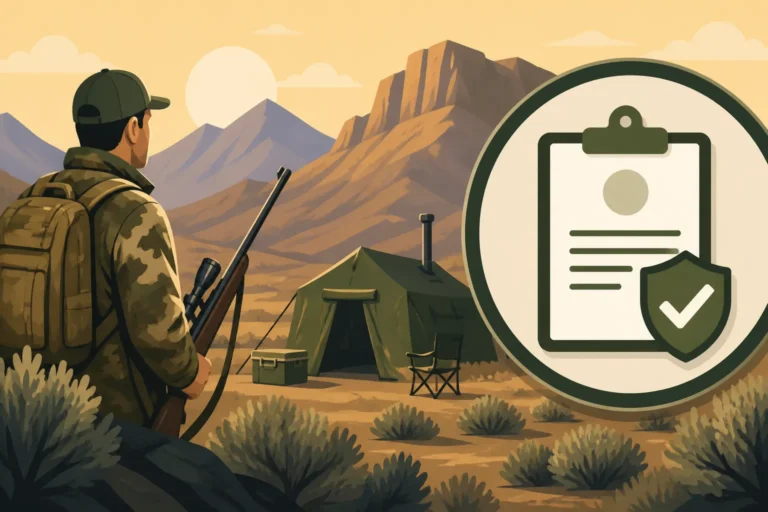
The first step in selecting any outfitter is to verify their credentials. In Nevada, guides and outfitters are licensed by the Nevada Department of Wildlife (NDOW). Ask for their license numbers and confirm them directly with NDOW. A reputable outfitter will be transparent and proud of their licensing. Beyond state requirements, many outfitters operating on federal lands (like BLM or National Forests) also need special use permits from those agencies. Make sure they have the necessary permits for the specific hunting units you're interested in.
Experience is also key, especially with pack string operations. Ask how long they've been running pack trips in Nevada, and specifically in the units you're considering. What is their experience with the type of game you're after? A long history of successful, safe operations speaks volumes. Don't hesitate to ask for references—and actually call them. A good outfitter will gladly provide a list of past clients. When speaking with references, inquire about the quality of the animals, the professionalism of the guides and packers, the condition of the horses and mules, the food (if provided), and how the outfitter handled any unexpected challenges. Sites like GoHunt often have forums or resources where you can research outfitters, and BookYourHunt might list verified outfitters with client reviews. Take your time with this step; it's the foundation of a good hunt.
Understanding Costs and Inclusions
Hunting, especially with a pack string, is an investment. It's vital to have a clear understanding of all costs upfront. Outfitters should provide a detailed contract outlining what is included and, just as importantly, what is not. What Outfitter Prices Almost Never Include are things like your hunting license and tag fees, transportation to the trailhead, meat processing, taxidermy, and tips for the guides and packers. Don't be shy about asking about these potential hidden costs.
For pack string services, confirm if the cost is per person, per animal, or a flat rate for the entire trip. If it’s a drop camp, clarify how much weight per person is included in the price for packing in and out. What happens if you harvest an animal? Is the pack-out of your game included in the initial fee, or is it an additional charge? Discuss deposit requirements, payment schedules, and, crucially, cancellation policies. What happens if you fail to draw a tag? Do you get a full refund of your deposit, or is there a non-refundable portion? Getting all this in writing before you send any money is absolutely essential to avoid misunderstandings down the road.
| Service Type | Key Inclusions (Typical) | Key Exclusions (Typical) | Best For |
|---|---|---|---|
| Drop Camp | Pack-in/out of gear & hunter, camp spot selection | Guide, food, personal gear, animal pack-out (often extra) | DIY hunters needing remote access, experienced |
| Fully Guided | Guide, pack string, camp, food, game pack-out, some gear | License/tag, personal gear, tips, meat processing | Hunters seeking full service, less experience |
| Resupply/Pack-out | Specific gear or animal transport | Full camp, guide, food | Hunters with existing plans needing logistical help |
Questions to Ask Before Committing
Beyond credentials and costs, asking targeted questions will help you determine if an outfitter is the right fit for your specific hunt and expectations. Here are some critical inquiries:
- "What is your typical client-to-guide ratio on a guided hunt, and how many hunters do you have in camp at once?" This can impact the quality of your experience.
- "Can you describe the physical demands of this particular hunt and the terrain we'll be covering?" This helps align expectations with your fitness level.
- "What is your policy regarding wounded game?" Understanding their commitment to recovering animals is important.
- "What kind of camp setup do you provide (tents, cooking facilities, water source)?" This applies especially to fully guided trips.
- "How do you handle unforeseen circumstances like extreme weather or a medical emergency in the backcountry?" Safety protocols are paramount.
- "What kind of success rates have your clients experienced in this unit for my target species in recent seasons?" While success is never guaranteed, this offers insight.
- "What kind of horse/mule stock do you use, and how well-conditioned are they?" Healthy, calm animals are crucial for a safe trip.
- "What kind of gear do you recommend for this specific hunt, and are there any weight limits for packed gear?" Always follow their advice on this.
- "Do you have a pre-hunt checklist or information packet you can send me?" A professional outfitter will likely have one.
Asking these kinds of Questions Worth Asking Before You Book will not only provide you with valuable information but also give you a sense of the outfitter's professionalism and their commitment to client communication. It’s about finding a partner who shares your vision for a safe, ethical, and memorable Nevada hunting adventure.
In Nevada, the wild places truly begin where the roads end. Pack string outfitters are the unsung heroes who allow hunters to bridge that gap, opening up vast, untouched landscapes where trophy animals roam and true wilderness experiences are still possible. While it requires careful planning, physical preparation, and a clear understanding of expectations, employing a pack string can transform your hunting aspirations into an unforgettable reality, deep within the heart of the Silver State's incredible backcountry.
Disclaimer
This article is for general informational purposes only and does not constitute professional advice. Laws, prices and regulations vary by location and change over time. Consult a qualified professional for guidance on your specific situation.